Stop Sweet Cravings
Do you ever find yourself craving something sweet in the middle of the day and wondering how to satisfy that craving in a healthy way? Well, you’re not alone! Many of us experience those pesky sugar cravings that can be hard to resist. But fear not, because in this article, we’ll discuss some effective ways to stop sweet cravings and maintain a healthy diet.
It’s no secret that sugar can be quite addictive, making it difficult to resist those cravings. However, there are several strategies you can try to combat them. One method is to include more protein and fiber in your meals, as these nutrients can help you feel fuller for longer and reduce the desire for sweets. Another tip is to opt for healthier alternatives to satisfy your sweet tooth, such as fruit or dark chocolate. Additionally, practicing mindful eating and being aware of your hunger and fullness cues can also help curb those cravings. In the upcoming article, we’ll dive deeper into these strategies and provide more helpful tips on how to stop sweet cravings. So, keep reading to learn more about maintaining a balanced and healthy approach to eating!
Understanding Sweet Cravings
What are sweet cravings?
Sweet cravings refer to the intense desire or longing for sweet-tasting foods. It is a common phenomenon experienced by many individuals. These cravings can range from a subtle yearning for a piece of chocolate to an overpowering urge to indulge in a sugary treat.
Why do we experience sweet cravings?
The experience of sweet cravings can stem from various factors. One possible reason is the innate preference for sweetness that humans possess. This preference is believed to have contributed to our survival instincts, as sweet foods often indicate a high caloric content.
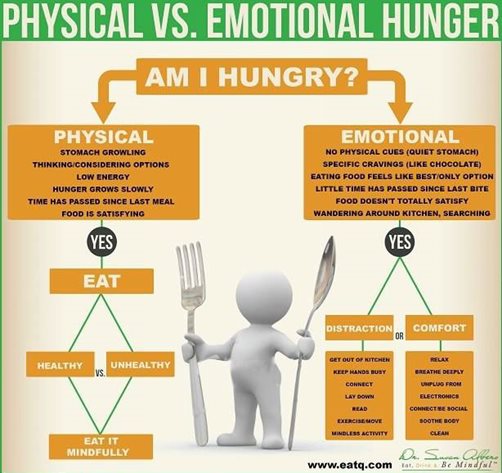
Additionally, emotional and psychological factors play a role in sweet cravings. Stress, anxiety, and sadness can trigger a desire for comfort foods, which are often sweet and high in carbohydrates. The consumption of these foods may provide temporary relief from emotional distress.
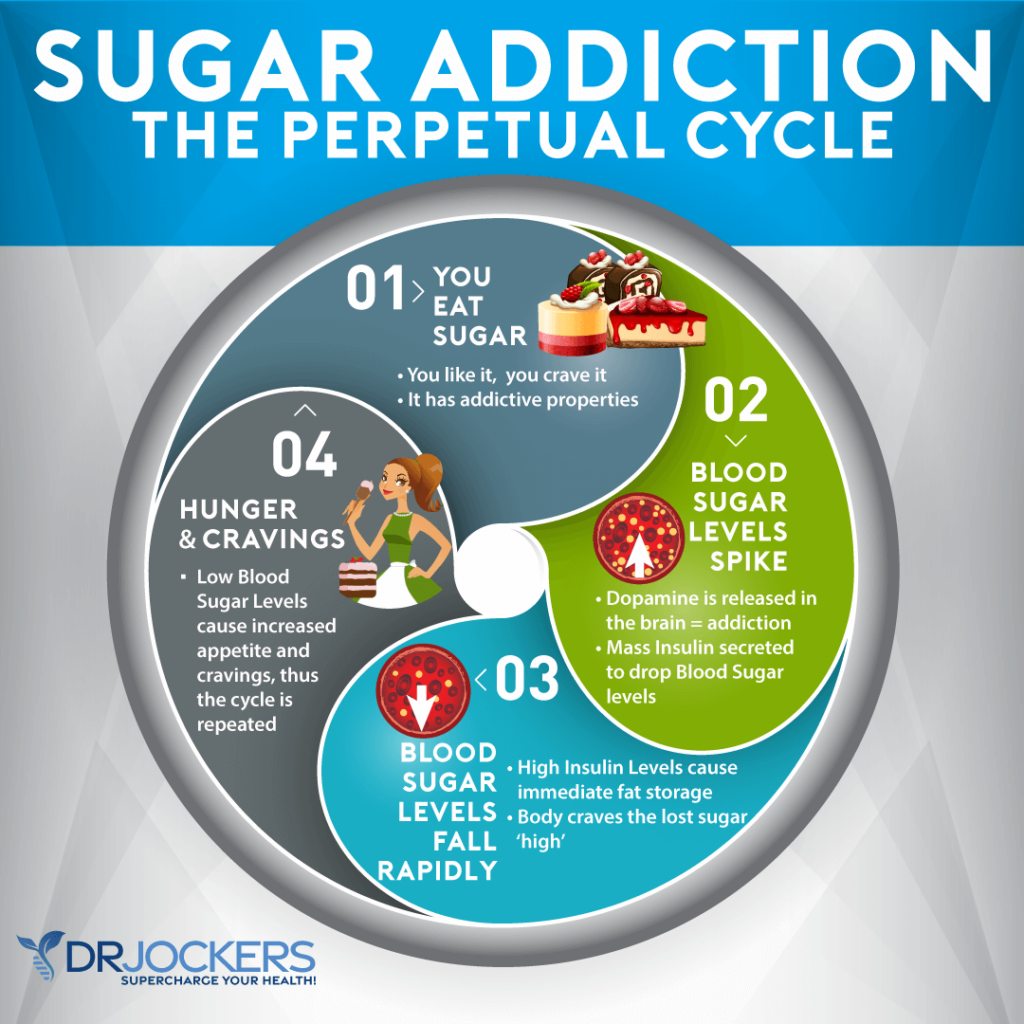
Moreover, certain physiological conditions, such as hormonal imbalances and nutrient deficiencies, can also contribute to sweet cravings. For example, a drop in blood sugar levels or a lack of essential nutrients like magnesium or chromium can lead to increased cravings for sweets.
The Health Impacts of Sweet Cravings
While the occasional indulgence in sweets is not a cause for concern, consistent and excessive consumption can have detrimental effects on health. Here are some of the health impacts associated with sweet cravings:
Weight gain and obesity
Excessive consumption of sweets is a major contributing factor to weight gain and obesity. Sweet treats are often high in calories and low in nutrients, leading to the accumulation of excess fat in the body. Regularly satisfying sweet cravings with unhealthy options can significantly increase calorie intake and hinder weight management efforts.
Type 2 diabetes
Frequent consumption of sugary foods can contribute to the development of type 2 diabetes. Over time, consistently high blood sugar levels can lead to insulin resistance, a condition where the body’s cells become less responsive to insulin. This can eventually result in the onset of diabetes, a chronic condition associated with numerous health complications.
Dental health issues
Sweet cravings can wreak havoc on dental health. The consumption of sugary snacks and beverages provides an ideal breeding ground for bacteria in the mouth, leading to tooth decay and cavities. Regular dental check-ups and maintaining good oral hygiene practices are essential to prevent adverse effects on teeth and gums.
Controlling Sweet Cravings
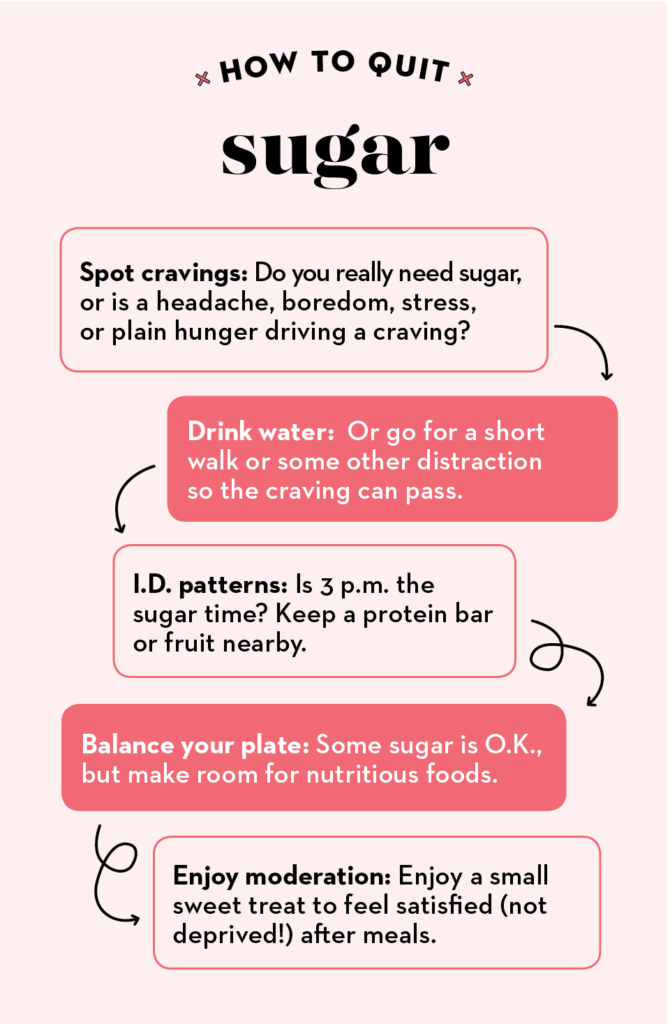
Managing sweet cravings can be challenging, but adopting a few strategies can help regain control over these desires. Here are some effective ways to control sweet cravings:
Identifying trigger foods
Begin by identifying the specific foods that trigger your sweet cravings. Keep a food diary and make note of the foods that evoke the strongest desire for sweetness. Once you have identified these trigger foods, you can take steps to reduce or eliminate them from your diet.
Creating a meal plan
Developing a structured meal plan can help minimize sweet cravings. Ensure that your meals are well-balanced and include a combination of lean proteins, healthy fats, and complex carbohydrates. This will provide sustained energy and minimize rapid fluctuations in blood sugar levels that can lead to sweet cravings.
Incorporating natural sweeteners
Replace refined sugars and artificial sweeteners with natural alternatives like honey, maple syrup, or stevia. These natural sweeteners can satisfy your sweet tooth while providing additional nutrients and antioxidant benefits. However, it is still important to consume them in moderation, as they can also contribute to excess calorie intake.
Practicing portion control
When indulging in sweet treats, practice portion control. Opt for smaller servings or share desserts with a friend. This allows you to enjoy the taste without consuming excessive amounts of sugar. Additionally, savor each bite and eat mindfully, paying attention to the flavors and textures of the treat.
Alternative Ways to Satisfy Your Sweet Tooth
Satisfying sweet cravings doesn’t necessarily mean reaching for sugary desserts. There are healthier alternatives that can provide the sweetness you desire while nourishing your body. Here are some alternative ways to satisfy your sweet tooth:
Choosing fruit as a dessert option
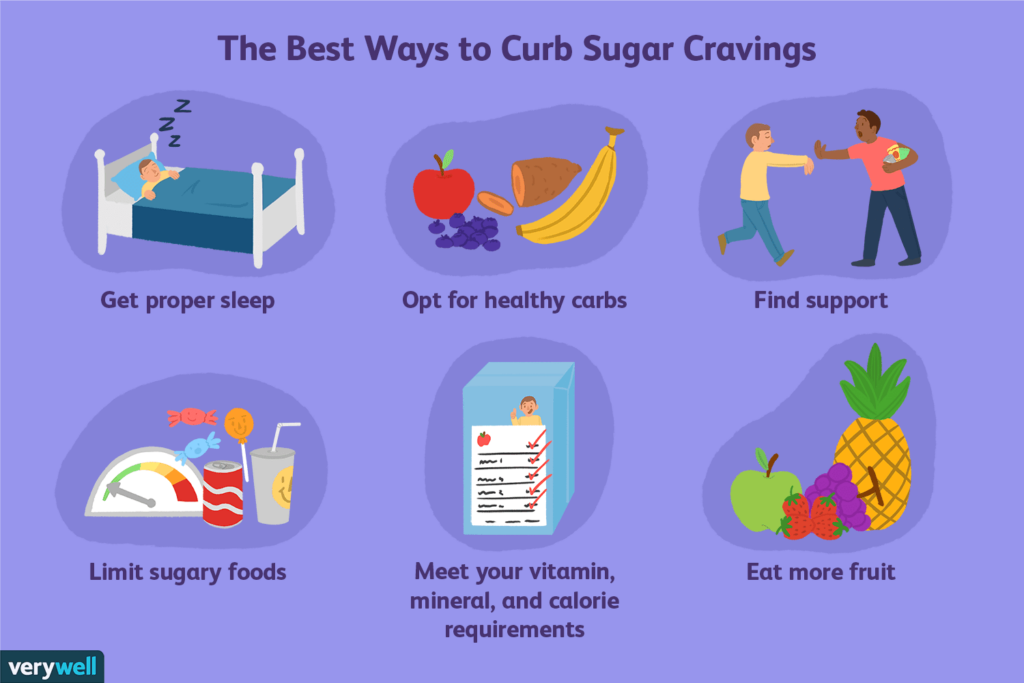
Fruit is nature’s sweet gift. It offers a natural sweetness along with a plethora of vitamins, minerals, and fiber. Opt for fresh or frozen fruits as a dessert option. You can enjoy them as is or get creative by making fruit salads, smoothies, or fruit-based desserts like baked apples or grilled pineapple.
Exploring healthy dessert recipes
The internet is a treasure trove of healthy dessert recipes that cater to various dietary preferences and restrictions. From sugar-free banana bread to avocado chocolate mousse, there are countless options available to satisfy your cravings in a nutritious way. Experiment with these recipes and discover new favorites that align with your health goals.
Limiting processed and sugary snacks
Reducing the consumption of processed and sugary snacks is crucial in curbing sweet cravings. These snacks are often high in added sugars and unhealthy fats, providing little nutritional value. Instead, opt for whole foods such as nuts, seeds, and vegetables, which can help stabilize blood sugar levels and promote overall health.
The Role of Exercise in Curbing Sweet Cravings
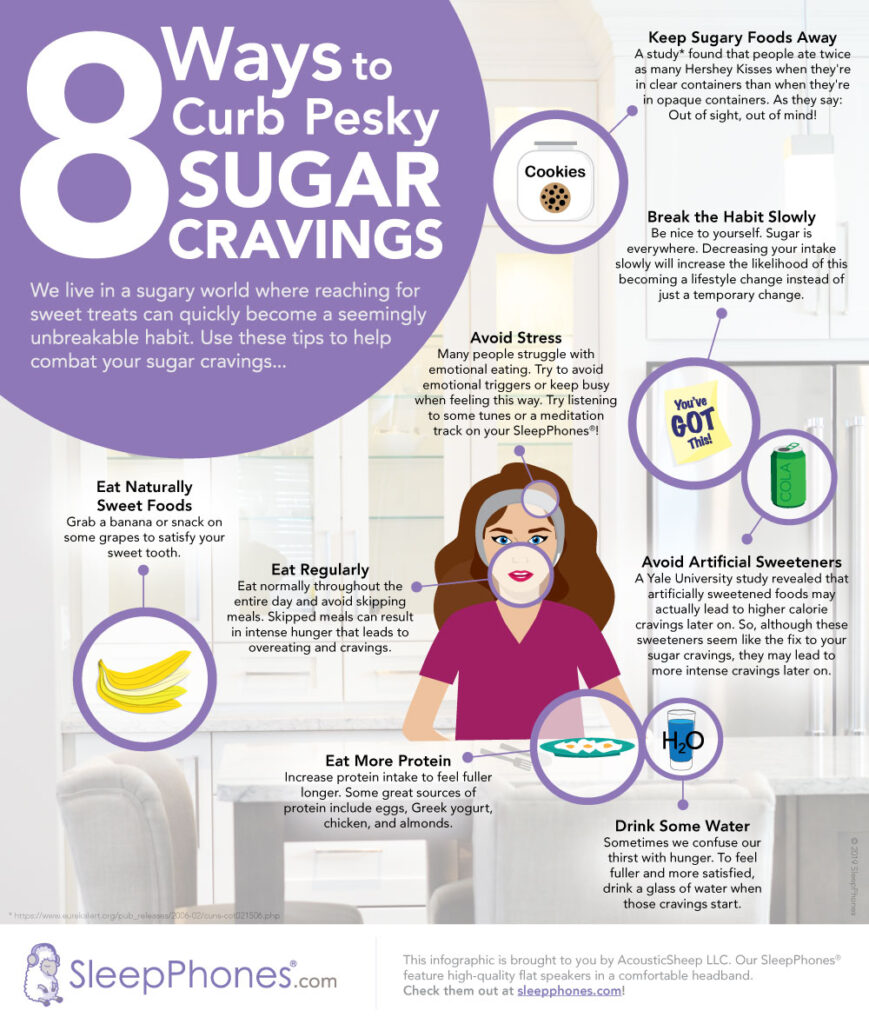
Exercise plays a significant role in curbing sweet cravings. Engaging in regular physical activity offers various benefits, including the reduction of cravings. Here’s how exercise can help control sweet cravings:
Understanding the link between exercise and cravings
Physical activity increases the production of endorphins, also known as the “feel-good” hormones. These endorphins can help improve mood and reduce stress, which are common triggers for sweet cravings. Furthermore, exercise can help regulate blood sugar levels and enhance insulin sensitivity, reducing the likelihood of experiencing intense sugar cravings.
Incorporating regular physical activity
Make exercise a regular part of your routine to combat sweet cravings. Aim for at least 150 minutes of moderate-intensity aerobic activity, such as brisk walking or cycling, each week. Additionally, incorporate strength training exercises to build muscle mass and boost metabolism, which can contribute to weight management and the control of cravings.
Stress Management Techniques
Stress and sweet cravings often go hand in hand. Learning effective stress management techniques can help reduce the frequency and intensity of these cravings. Here are some strategies to manage stress effectively:
Identifying stress triggers
Identify the specific triggers that cause you to experience stress. This could be work-related, personal relationships, or external factors. By understanding and recognizing these triggers, you can take proactive steps to address them and minimize their impact on your overall well-being.
Developing healthy coping strategies
Instead of turning to sweets for comfort during stressful situations, explore healthier coping mechanisms. Engage in activities that help you relax and unwind, such as deep breathing exercises, yoga, meditation, or hobbies you enjoy. These activities can provide stress relief without relying on sugary foods.
Relaxation techniques
Incorporating relaxation techniques into your daily routine can significantly reduce stress levels and subsequently decrease sweet cravings. This can include taking regular breaks, practicing mindfulness, or indulging in activities that promote relaxation, such as warm baths or listening to calming music.
Sleep and Sweet Cravings
The impact of sleep on sweet cravings cannot be overstated. Insufficient sleep not only affects energy levels and cognitive function but also disrupts hunger hormones, leading to increased cravings. Here’s how sleep deprivation influences sweet cravings and tips to improve sleep quality:
The impact of sleep deprivation on cravings
Lack of sleep alters the production and regulation of hormones that control appetite, such as ghrelin and leptin. When sleep-deprived, ghrelin levels increase, while leptin levels decrease. This hormonal imbalance can significantly increase cravings, especially for carbohydrates and sugary foods.
Tips for improving sleep quality
Establish a consistent sleep routine by going to bed and waking up at the same time each day, including weekends. Create a relaxing bedtime routine that promotes restful sleep, such as avoiding stimulating activities before bed and creating a comfortable sleep environment. Limit caffeine intake, especially in the evening, and avoid heavy meals close to bedtime.
The Importance of Hydration
Surprisingly, dehydration can also contribute to sweet cravings. Staying properly hydrated is essential for overall health, and it can help reduce the intensity of sweet cravings. Here’s why hydration is crucial and how you can ensure you are adequately hydrated:
The connection between dehydration and cravings
Dehydration can often manifest as increased hunger signals, including stronger cravings for sweets. This is because the body may interpret thirst signals as hunger signals, leading to a desire for quick sources of energy like sugary foods. By ensuring proper hydration, you can minimize false hunger cues and reduce the likelihood of intense sweet cravings.
How to stay properly hydrated
Drink an adequate amount of water throughout the day to stay hydrated. The general recommendation is to consume eight 8-ounce glasses, or about 2 liters, of water daily. However, individual hydration needs may vary based on factors such as activity level, climate, and overall health. Pay attention to your body’s hydration cues, and adjust your water intake accordingly.
Seeking Support and Accountability
Changing habits and reducing sweet cravings can be challenging, but seeking support and accountability can greatly enhance your success. Here are some ways you can enlist support:
Joining a support group
Consider joining a support group or community focused on healthy eating and lifestyle choices. These groups provide a sense of camaraderie and can offer valuable tips, motivation, and encouragement when dealing with sweet cravings. Sharing experiences and challenges with like-minded individuals can make the journey more manageable.
Enlisting the help of friends and family
Inform your close friends and family members about your goal to control sweet cravings. Ask for their support in your journey towards a healthier lifestyle. Encouraging loved ones to join you in making healthier choices can create a supportive environment where sweet indulgences are minimized and healthier alternatives are embraced.
Conclusion
Taking control of sweet cravings is essential for overall health and well-being. By understanding the causes of these cravings and implementing effective strategies to manage them, you can embrace a healthier lifestyle. From identifying trigger foods and creating a meal plan to incorporating exercise and practicing stress management techniques, there are various ways to successfully control sweet cravings. Remember, a balanced and mindful approach to nutrition is key in achieving long-term success. Say goodbye to excessive sweet cravings and welcome a healthier relationship with food.

