How To Stop Overeating
Are you tired of constantly overeating and feeling guilty afterwards? Do you want to gain control over your eating habits and live a healthier lifestyle? Well, you’ve come to the right place! In this article, we will discuss effective strategies to help you stop overeating and develop a healthier relationship with food.
Overeating can be a common struggle for many people, and it’s important to address it in order to maintain a balanced diet and avoid any negative health consequences. Throughout this article, you will discover helpful tips and techniques that will enable you to stop overeating and develop a healthier and more mindful approach to eating. Whether it’s understanding the triggers behind your overeating, learning portion control, or finding alternative ways to cope with emotions, we’ve got you covered. So, keep reading to learn more about how to stop overeating and take control of your eating habits.
How To Stop Overeating
Overeating can often feel like a never-ending battle. You find yourself reaching for that second helping or indulging in an entire bag of chips, even when you know you’re not hungry. It’s a common struggle that many individuals face, but the good news is that it is possible to overcome. By understanding overeating, recognizing the signs, and developing healthy coping mechanisms, you can put an end to this unhealthy cycle and embrace a balanced and sustainable lifestyle.
Understanding Overeating
Before diving into the strategies to stop overeating, it’s important to first understand what overeating truly means. Overeating refers to consuming more food than your body needs to meet its nutritional requirements. It goes beyond the occasional indulgence and becomes a persistent pattern of consuming excessive amounts of food.
Factors that Contribute to Overeating
Several factors contribute to overeating, making it a complex issue to tackle. These factors can be physiological, psychological, or social in nature. Physiological factors include hormonal imbalances and genetics, which can make it more difficult for some individuals to regulate their food intake. Psychological factors such as stress, anxiety, and boredom, can also trigger overeating as a way of coping with emotions. Additionally, social factors such as cultural norms and peer pressure can influence our eating habits.
Impact of Overeating on Health
Overeating can have detrimental effects on both physical and mental health. The constant intake of excess calories can lead to weight gain and obesity, which in turn increases the risk of developing chronic conditions such as heart disease, diabetes, and certain types of cancer. Overeating can also lead to feelings of guilt, shame, and low self-esteem, impacting one’s overall well-being and mental health.
Recognizing the Signs of Overeating
To effectively stop overeating, it’s crucial to recognize the signs and symptoms associated with this behavior. By understanding the physical, emotional, and behavioral signs of overeating, you can begin to address the underlying causes and make positive changes.
Physical Signs of Overeating
Physical signs of overeating may include feeling uncomfortably full, experiencing bloating or indigestion, and experiencing fluctuations in weight. You may also notice changes in your energy levels and overall health, as overeating can lead to fatigue and an increased risk of developing certain health conditions.
Emotional Signs of Overeating
Emotional signs of overeating are often closely tied to psychological factors. These signs may include using food as a way to cope with stress, anxiety, or other negative emotions. You may find yourself turning to food for comfort and using it as a source of emotional support rather than nourishment.
Behavioral Signs of Overeating
Behavioral signs of overeating can be observed in your eating patterns and habits. This may include frequently consuming large portions of food, eating quickly without savoring each bite, and feeling a loss of control over your eating. You may also find yourself engaging in secretive or binge-eating behaviors, feeling guilty or ashamed after overeating, and experiencing cravings for certain types of foods.
Identifying Triggers for Overeating
Identifying the triggers that lead to overeating is a crucial step in breaking the cycle. By gaining insight into the emotional, environmental, and social triggers, you can develop strategies to navigate these situations and make healthier choices.
Emotional Triggers
Emotional triggers can stem from stress, anxiety, boredom, or even loneliness. These triggers can create feelings of discomfort that lead to seeking comfort in food. By recognizing and addressing these emotions, you can find alternative ways to cope, such as practicing relaxation techniques, engaging in hobbies, or seeking emotional support.
Environmental Triggers
Environmental triggers are cues in our surroundings that prompt us to eat. This can include the presence of food in our immediate environment, the sight or smell of food, or the accessibility of unhealthy snacks. By making changes to your environment, such as stocking up on nutritious foods and limiting access to unhealthy snacks, you can create a healthier eating environment that supports your goals.
Social Triggers
Social triggers are often related to peer pressure or social norms that influence our eating habits. This can include feeling obligated to eat certain foods at social gatherings or experiencing pressure to conform to unhealthy eating behaviors. By being mindful of these triggers and setting boundaries, you can make choices that align with your goals and values.
Developing Mindful Eating Habits
Mindful eating is a powerful tool in overcoming overeating. By incorporating mindfulness into your eating habits, you can develop a greater awareness of your body’s hunger and fullness cues, as well as your emotional state.
Practicing Mindful Awareness
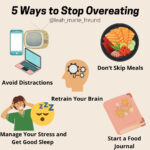
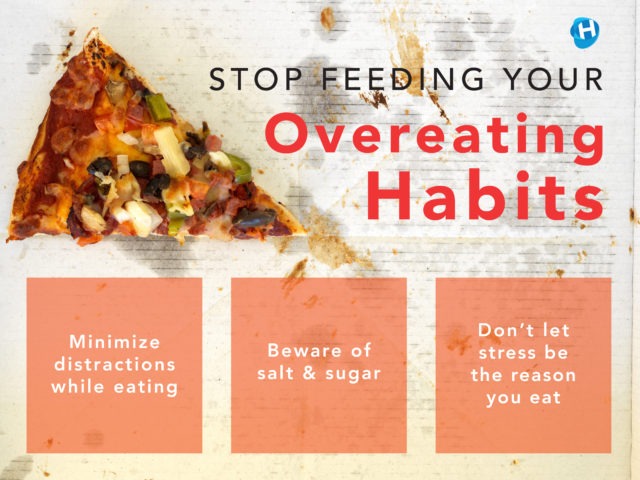
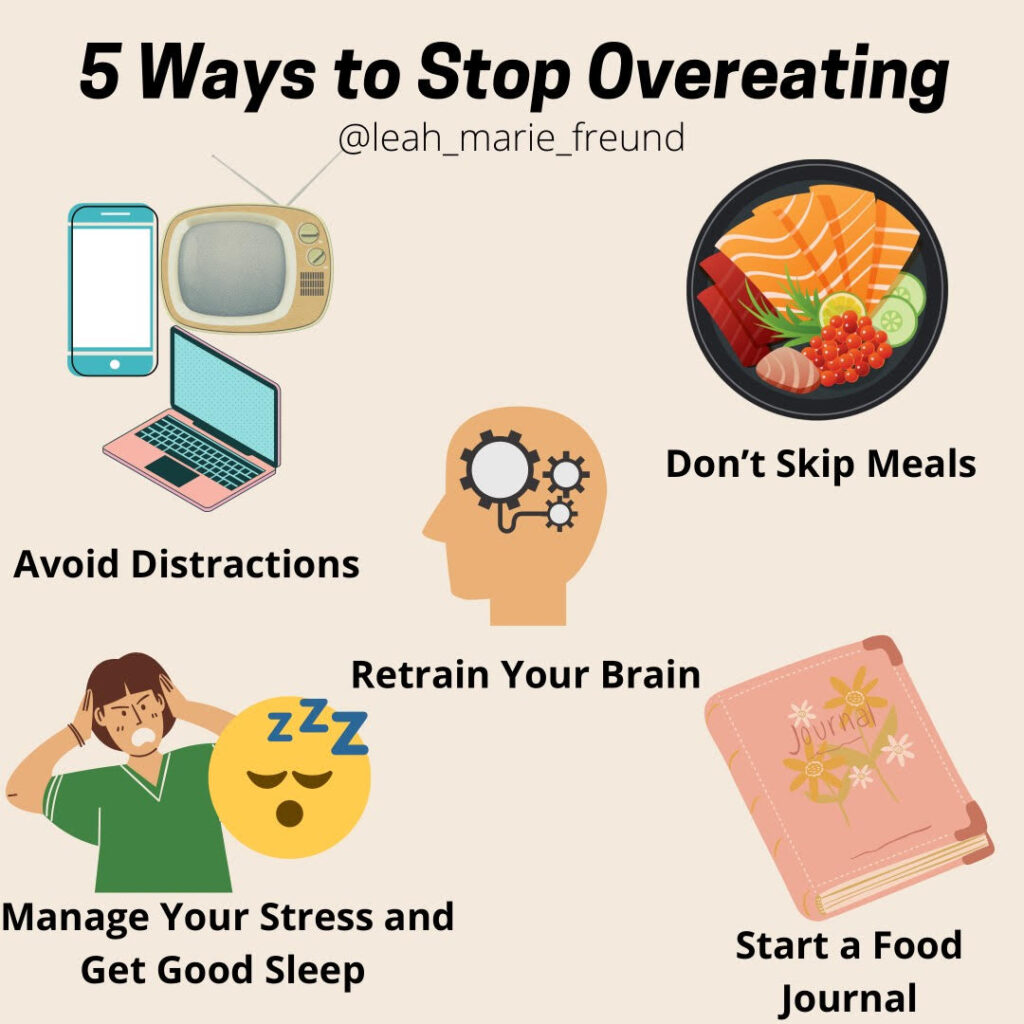
Start by cultivating a sense of mindfulness during mealtimes. This involves paying full attention to your eating experience, including the tastes, smells, and textures of your food. Avoid distractions such as electronic devices, multitasking, or eating on-the-go. By focusing solely on your meal, you can savor each bite and gain a deeper appreciation for the nourishment it provides.
Eating Slowly and Savoring Each Bite
Eating slowly allows your body to register feelings of fullness more accurately. It takes time for your brain to receive signals from your stomach that it is satisfied. By chewing each bite thoroughly and taking breaks between each mouthful, you can give your body the time it needs to communicate its satiety cues.
Listening to Hunger and Fullness Cues
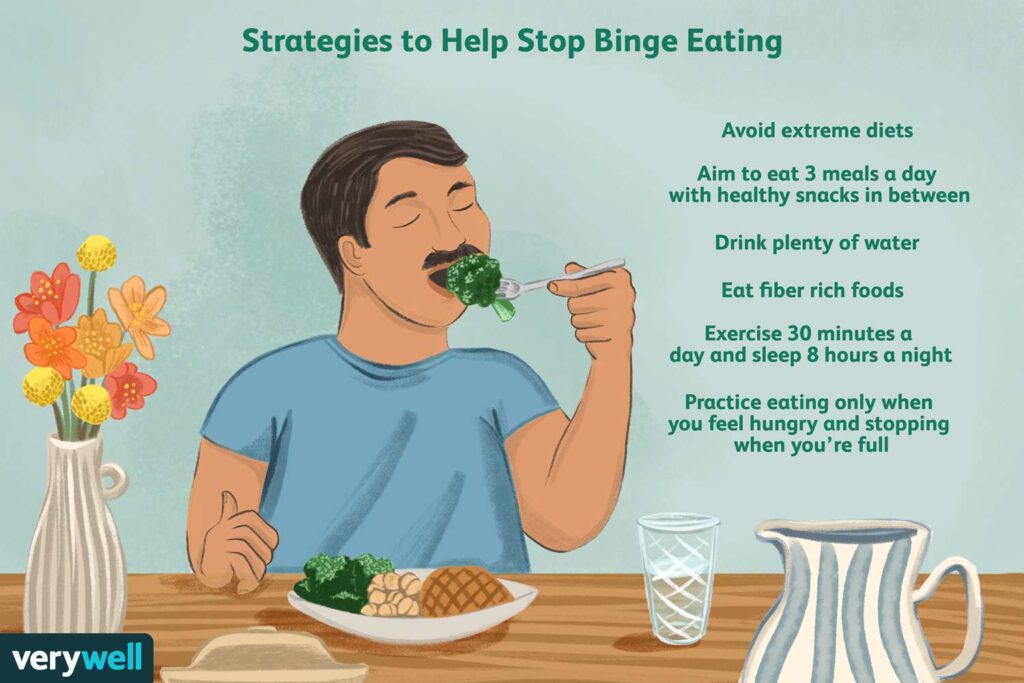
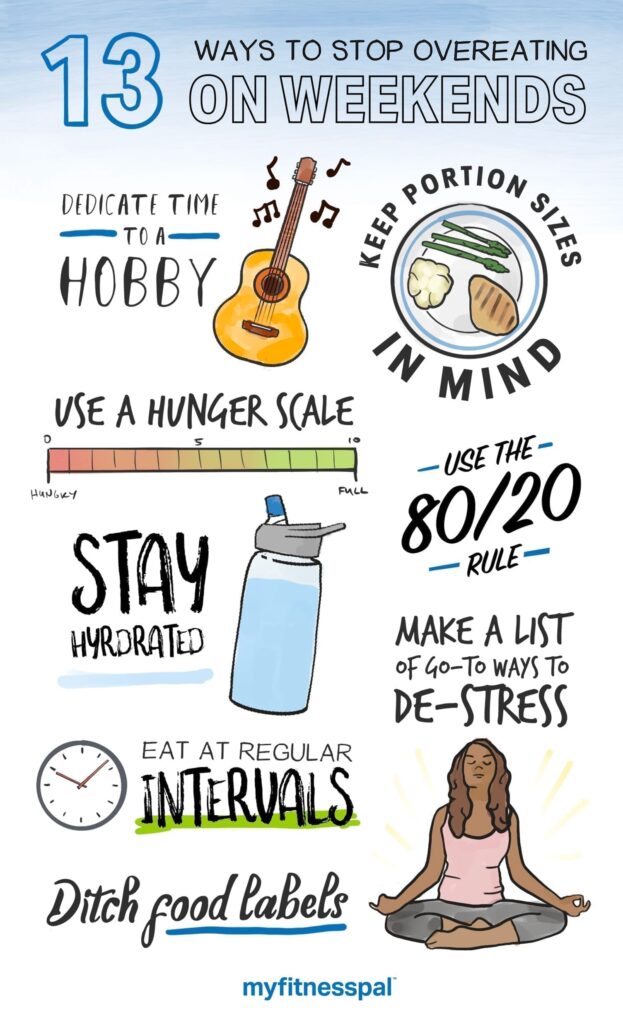
Learning to listen to your body’s hunger and fullness cues is essential in preventing overeating. Before eating, assess your level of hunger on a scale of 1 to 10, with 1 being extremely hungry and 10 being overly full. Aim to eat when you are moderately hungry and stop eating when you are comfortably satisfied, around a 6 or 7 on the scale. By tuning in to your body’s signals, you can adjust your portion sizes accordingly and avoid overindulgence.
Creating a Healthy Eating Environment
Creating a healthy eating environment can greatly support your journey to stop overeating. By making intentional changes to your surroundings, you can set yourself up for success and make healthier choices effortlessly.
Stocking up on Nutritious Foods
Stock your pantry and refrigerator with a variety of nutritious foods. Ensure you have plenty of fruits, vegetables, lean proteins, whole grains, and healthy fats readily available. Having these options at hand makes it easier to make healthier choices when hunger strikes.
Limiting Access to Unhealthy Snacks
Remove or limit the availability of unhealthy snacks in your home or workspace. Out of sight, out of mind. By reducing the temptation to indulge in unhealthy foods, you are less likely to overeat or give in to impulsive cravings.
Organizing and Decluttering the Kitchen
Maintain an organized and clutter-free kitchen. A chaotic environment can contribute to stress and increased food consumption. Clear your countertops of unnecessary items, organize your pantry and refrigerator, and create a calming and inviting space that encourages mindful eating.
Seeking Support and Accountability
Making changes to your eating habits can be challenging, but seeking support and accountability can significantly increase your chances of success.
Joining a Support Group or Therapy
Consider joining a support group or seeking therapy to address any underlying emotional issues that contribute to overeating. Surrounding yourself with individuals who share a similar goal can provide a sense of community, understanding, and motivation.
Buddy System or Accountability Partner
Enlist a friend or family member who is also committed to improving their eating habits. Having someone to hold you accountable and provide support can make a remarkable difference in your journey to stop overeating.
Professional Guidance and Counseling
If you find yourself struggling to stop overeating on your own, don’t hesitate to seek professional guidance. Registered dietitians, therapists, or counselors who specialize in disordered eating can provide valuable insight, tools, and strategies to help you overcome overeating and develop a healthy relationship with food.
Developing Healthy Coping Mechanisms
Finding alternative ways to cope with stress and negative emotions is key in stopping overeating. By incorporating healthy coping mechanisms into your daily routine, you can reduce the reliance on food as a source of comfort.
Finding Alternative Stress Relief Methods
Explore different stress relief techniques that work for you. This may include practicing yoga, meditation, deep breathing exercises, journaling, or engaging in creative outlets. By finding healthy outlets for stress, you can avoid turning to food as a coping mechanism.
Engaging in Regular Physical Activity
Regular physical activity not only promotes physical health but also helps manage stress and improves mood. Find activities that you enjoy and make them a regular part of your routine. Whether it’s walking, dancing, cycling, or any other form of exercise, moving your body can reduce the urge to overeat and provide a healthier way to deal with emotions.
Seeking Professional Help for Emotional Issues
If you find it challenging to manage emotional issues on your own, don’t hesitate to seek professional help. A therapist or counselor can guide you through the process of understanding and addressing emotional triggers, providing you with the necessary tools and strategies to overcome overeating.
Setting Realistic Goals
Setting realistic and achievable goals is key to success in overcoming overeating. Instead of aiming for perfection or drastic changes, focus on small steps that can be sustained over time.
Understanding the Importance of Small Steps
Breaking the habit of overeating takes time and patience. Start by setting small goals such as reducing portion sizes, incorporating more fruits and vegetables into your meals, or practicing mindful eating during one meal a day. As you build confidence and consistency, you can gradually increase the complexity of your goals.
Setting Specific and Achievable Targets
Be specific and realistic when setting your goals. Instead of saying, “I will eat healthier,” specify the actions you will take, such as “I will include a serving of vegetables with each meal” or “I will replace sugary beverages with water.” By setting clear targets, you can track your progress and measure your success.
Tracking Progress and Celebrating Successes
Regularly assess your progress and celebrate your successes along the way. Keep a journal to track your eating habits, emotions, and triggers. Reflect on your achievements, no matter how small, and acknowledge the positive changes you have made. Celebrating your successes boosts motivation and maintains a positive mindset throughout your journey.
Building a Positive Relationship with Food
Building a positive relationship with food is essential in overcoming overeating. By shifting your mindset and adopting a balanced and sustainable approach to eating, you can find joy in nourishing your body and develop a healthier relationship with food.
Eliminating Restrictive Diets and Food Guilt
Move away from restrictive diets and break free from the cycle of guilt and deprivation. Instead, focus on nourishing your body with wholesome, nutrient-dense foods. Allow yourself to enjoy occasional treats and learn to listen to your body’s needs without judgment or guilt.
Focusing on Nourishment and Enjoyment
Shift your focus from calorie counting and restriction to nourishment and enjoyment. Savor each bite, appreciating the flavors, textures, and nourishment that food provides. By cultivating a positive and mindful approach to eating, you can find pleasure and satisfaction in each meal.
Practicing Self-Compassion and Forgiveness
It’s important to practice self-compassion and forgiveness throughout your journey. Accept that setbacks and slip-ups are part of the process and an opportunity for growth. Learn from each experience, rather than dwelling on past mistakes, and treat yourself with kindness and understanding.
Conclusion
Stopping overeating is a journey that requires effort, self-reflection, and commitment. By understanding the underlying causes, recognizing the signs, and implementing practical strategies, you can break free from the cycle of overeating and embrace a balanced and sustainable lifestyle. Remember to seek support, be patient with yourself, and celebrate each step forward. With time and perseverance, you can develop a healthy relationship with food and enjoy the benefits of a nourished and satisfied body.

