How To Stop Sweet Cravings
Do you ever find yourself reaching for a sweet treat when that afternoon slump hits? Or maybe you just can’t resist that slice of cake after dinner? We’ve all been there, craving something sugary and delicious. But what if I told you there are ways to stop those sweet cravings and still satisfy your taste buds? In this article, we’ll dive into the topic of how to overcome sweet cravings and give you some tips and tricks to conquer those cravings once and for all.
Now, I know what you’re thinking. How can you possibly resist the allure of chocolate or candy? Well, fear not! In this article, we’ll explore the reasons behind sweet cravings and how our bodies are wired to desire sugary foods. We’ll also delve into the negative effects of consuming too much sugar and why it’s important to find healthier alternatives. You’ll learn about the power of mindful eating and how to train your taste buds to crave healthier options. Plus, we’ll provide you with practical strategies and delicious recipes that will help you kick those sweet cravings to the curb. So, if you’re ready to put an end to those ongoing battles with the cookie jar, stay tuned for the rest of this article!
How To Stop Sweet Cravings
Do you find yourself constantly craving sweets? Whether it’s a slice of cake, a chocolate bar, or a bowl of ice cream, sweet cravings can be difficult to resist. Understanding the causes of these cravings and finding healthy alternatives can help you manage them effectively. In this article, we will explore the various ways to stop sweet cravings and develop a healthier relationship with food.
What are sweet cravings?
Sweet cravings refer to a strong desire or urge to consume sugary foods. These cravings are often accompanied by a sense of pleasure and satisfaction when indulged. While it’s natural to occasionally desire sweet treats, frequent and intense cravings can lead to overconsumption of sugar, which can negatively impact your health.
Causes of sweet cravings
Understanding the underlying causes of sweet cravings can help you address them effectively. While everyone’s triggers may vary, some common causes include:
-
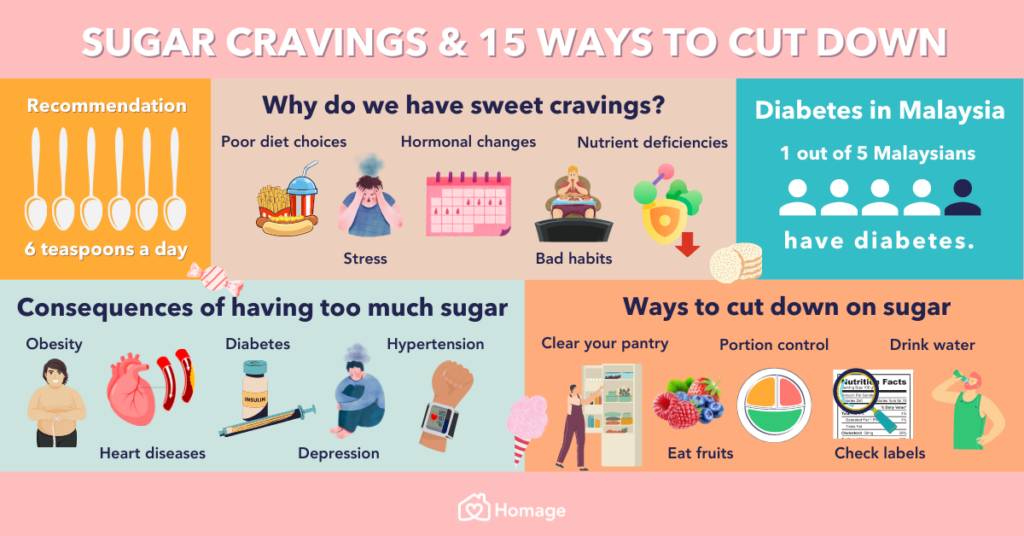
Emotional triggers: Many people turn to sweets for comfort or as a way to cope with stress, anxiety, or sadness. Consuming sugary foods releases feel-good chemicals in the brain, providing temporary relief from negative emotions.
-
Environmental triggers: Environmental cues, such as seeing advertisements or smelling baked goods, can trigger sweet cravings. These cues can create a conditioned response that compels you to seek out and consume sugary foods.
-
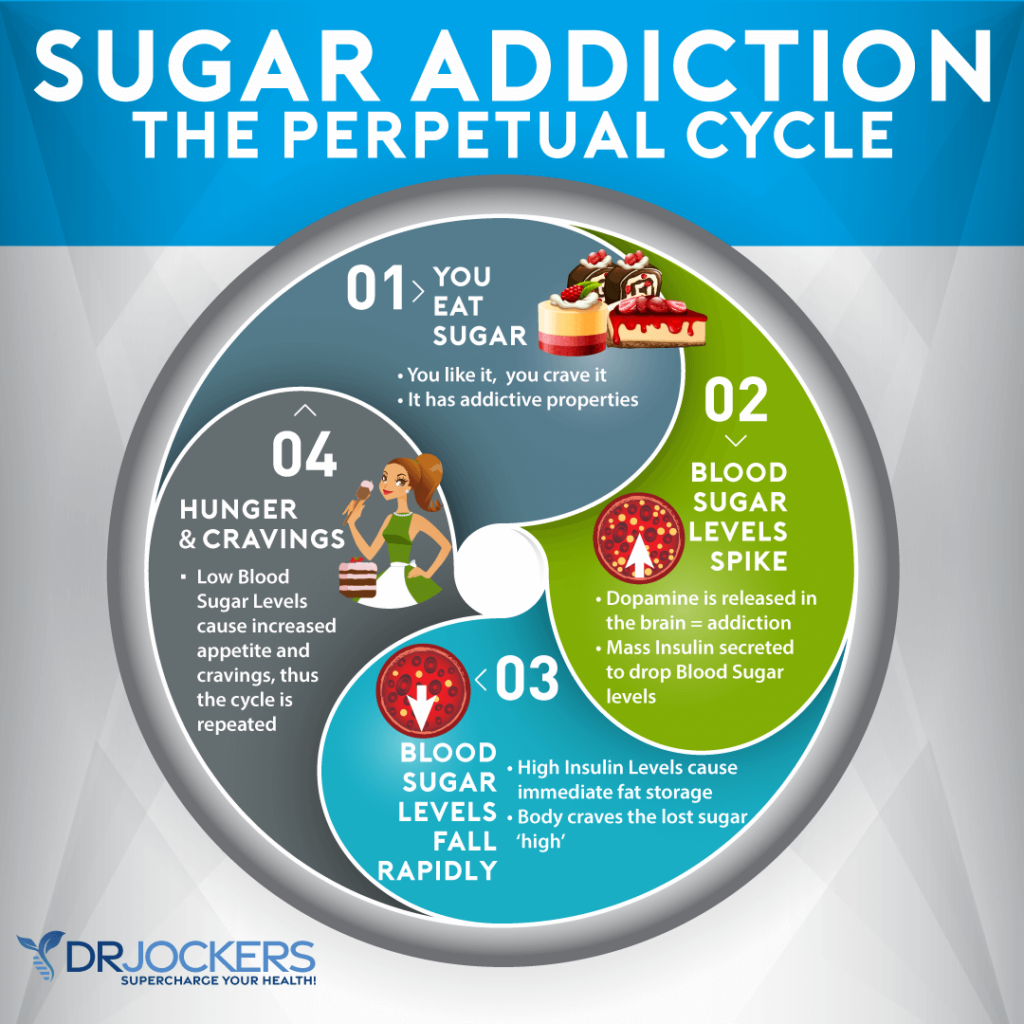
Physiological triggers: Our bodies naturally crave sugar as a source of quick energy. However, consuming excessive amounts of sugar can disrupt your blood sugar levels, leading to cravings for more sweets to maintain energy levels.
Effects of indulging in sweet cravings
While indulging in sweet cravings occasionally is not necessarily harmful, frequent consumption of sugary foods can have several negative effects on your health:
-
Weight gain: Consuming excessive amounts of sugar can lead to weight gain, as sugary foods are often high in calories and low in nutrients.
-
Increased risk of chronic diseases: Regular intake of sugary foods has been linked to an increased risk of developing conditions such as type 2 diabetes, heart disease, and obesity.
-
Poor dental health: Sugary foods contribute to tooth decay and cavities, which can lead to oral health issues.
Identifying Triggers
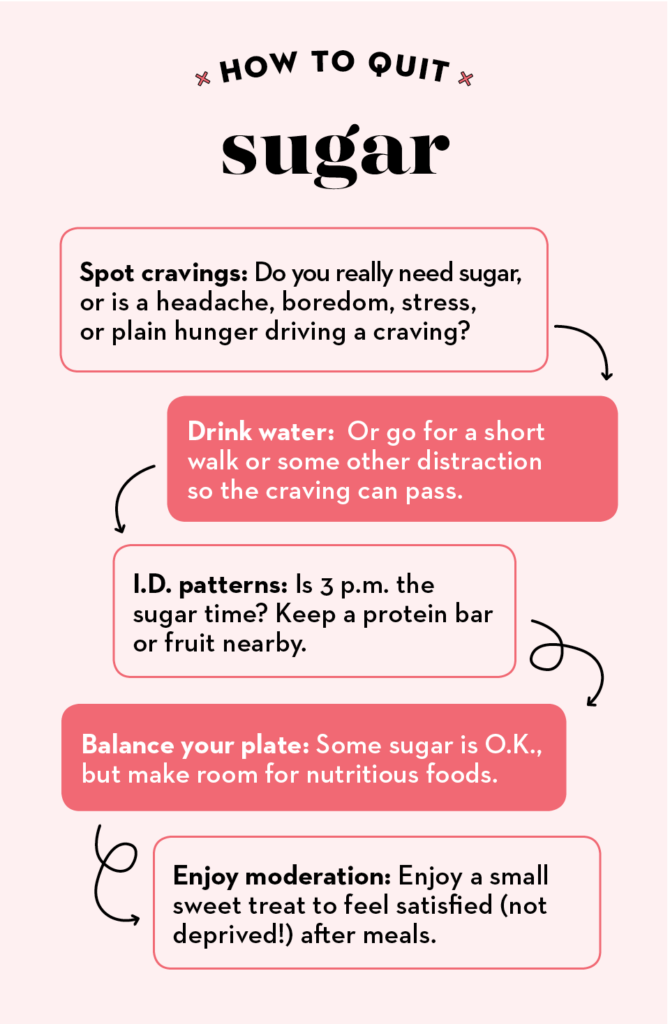
One of the first steps in stopping sweet cravings is identifying your triggers. By recognizing what causes you to crave sweets, you can develop strategies to avoid or manage these triggers effectively. Here are some areas to consider:
Recognizing emotional triggers
Emotional triggers can be challenging to overcome, as the urge to consume sweets may be closely tied to your emotions. To identify your emotional triggers:
-
Keep a food diary: Record your food intake and note any emotional states or situations that precede your cravings.
-
Reflect on your feelings: Take time to identify the emotions you experience when you crave sweets. Are you sad, stressed, or bored?
-
Find alternative coping mechanisms: Instead of turning to sweets for comfort, find healthier ways to address your emotions. Consider engaging in hobbies, practicing relaxation techniques, or talking to a trusted friend or family member.
Identifying environmental triggers
Environmental triggers are external cues that can evoke sweet cravings. By recognizing these triggers, you can take steps to minimize their impact. Here’s how you can identify and manage environmental triggers:
-
Be mindful of your surroundings: Pay attention to places or situations where you are more likely to encounter tempting sweets, such as candy aisles or office break rooms.
-
Avoid tempting environments: If possible, steer clear of places that may expose you to sugary foods. Instead, opt for locations that promote healthier choices.
-
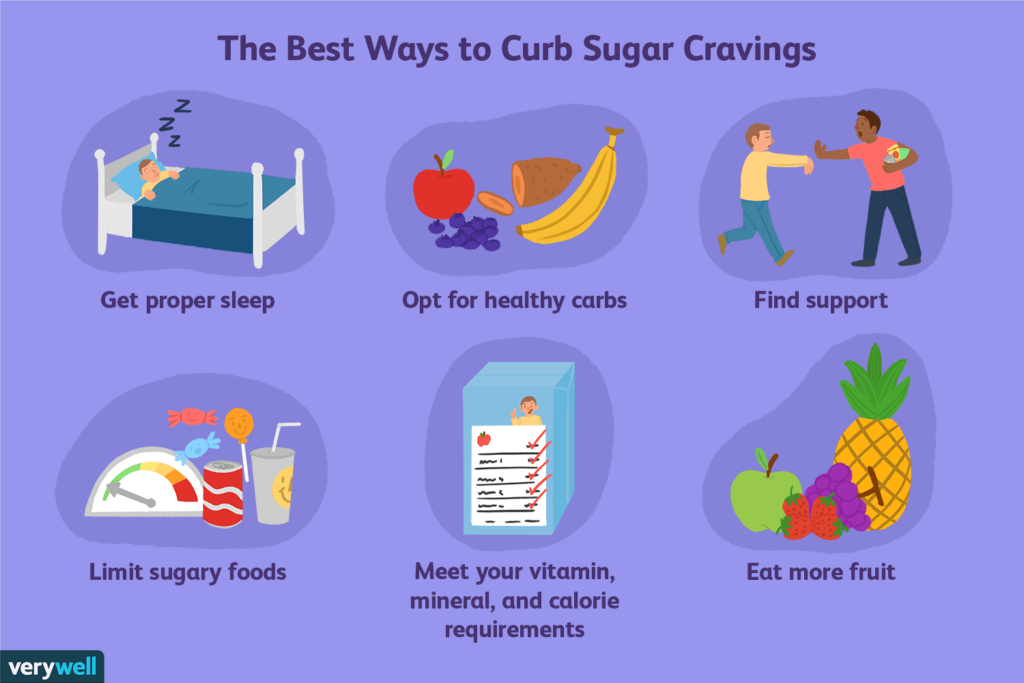
Create a supportive environment: Stock your pantry with healthy snacks, such as fresh fruits or nuts, to have healthier alternatives readily available.
Understanding physiological triggers
Physiological triggers are internal cues that can drive sweet cravings. Learning about these triggers can help you manage them effectively:
-
Get enough sleep: Lack of sleep can disrupt your hormones, leading to increased cravings for sugar and other unhealthy foods.
-
Balance your meals: Ensure that your meals contain a balance of macronutrients, including protein, healthy fats, and fiber, to help stabilize your blood sugar levels throughout the day.
-
Stay hydrated: Dehydration can sometimes be mistaken for hunger or cravings. Keep a water bottle with you throughout the day to ensure you stay adequately hydrated.
Healthy Alternatives
While eliminating sweets from your diet entirely may not be realistic or necessary, incorporating healthy alternatives can help satisfy your sweet tooth while providing essential nutrients. Here are some options to consider:
Incorporating fresh fruits
Fresh fruits are nature’s sweet treats, packed with essential vitamins, minerals, and fiber. They can help satisfy your sweet cravings while providing additional health benefits.
-
Opt for whole fruits: Choose fruits such as berries, oranges, or apples, which are lower in sugar compared to dried or canned fruits.
-
Mix fruits into your meals: Add fruits to your breakfast cereal, yogurt, or smoothies to elevate the taste without relying on added sugars.
Exploring natural sweeteners
Instead of using refined sugars, consider using natural sweeteners that are less processed and can still provide a sweet taste.
-
Stevia: Derived from the Stevia rebaudiana plant, stevia is a calorie-free, natural sweetener that can be used in place of sugar.
-
Raw honey: Raw honey is a natural sweetener that contains antioxidants and various beneficial compounds. Use it to sweeten your tea, oatmeal, or as a topping on plain yogurt.
-
Maple syrup: Maple syrup is another natural sweetener that contains antioxidants and minerals. It can be used as a healthier alternative to refined sugar in recipes and as a topping.
Trying savory snacks as alternatives
If your cravings are more about the need for a snack rather than sweetness specifically, consider exploring savory options. Here are some nutritious and satisfying alternatives:
-
Nuts and seeds: Snack on a handful of unsalted almonds, walnuts, or pumpkin seeds for a crunchy and satisfying snack.
-
Veggie sticks with dip: Cut up fresh vegetables like carrots, celery, or bell peppers and enjoy them with hummus or Greek yogurt-based dip.
-
Popcorn: Make air-popped popcorn at home and season it with herbs, spices, or a sprinkle of nutritional yeast for added flavor.
Managing Stress and Emotional Well-being
Stress and negative emotions can often trigger sweet cravings. By effectively managing your stress levels and emotional well-being, you can reduce the intensity and frequency of these cravings. Try incorporating the following practices into your daily routine:
Practicing stress reduction techniques
-
Deep breathing exercises: Take a few minutes every day to practice deep breathing exercises. Inhale deeply through your nose, hold for a few seconds, then exhale slowly through your mouth. This can help activate your body’s relaxation response and reduce stress.
-
Meditation: Find a quiet and comfortable space where you can engage in mindfulness meditation. Focus on your breath or a specific object and allow your thoughts to come and go without judgment.
-
Yoga or gentle exercise: Engaging in physical activity, such as yoga or walking, can help reduce stress levels and improve your overall well-being.
Engaging in regular exercise
Regular exercise not only helps manage stress but also releases endorphins, which are natural mood elevators. Aim for at least 30 minutes of moderate-intensity exercise most days of the week. Find activities that you enjoy, whether it’s dancing, swimming, or hiking, to make exercise more enjoyable and sustainable.
Seeking support from loved ones
Having a support system is crucial when trying to overcome sweet cravings. Share your goals with your loved ones and ask for their encouragement and understanding. They can provide emotional support and help keep you accountable as you make healthier choices.
Creating a Balanced Meal Plan
Developing a balanced meal plan that includes a variety of nutrients is essential for managing sweet cravings. Including the following elements in your meals can help you feel satisfied and reduce the urge for sweets:
Including fiber-rich foods
Fiber-rich foods, such as whole grains, vegetables, and legumes, can keep you feeling full for longer and stabilize your blood sugar levels.
-
Whole grains: Opt for whole grain options such as brown rice, quinoa, and whole wheat bread instead of refined grains.
-
Vegetables: Incorporate a variety of colorful vegetables into your meals for added nutrients and fiber.
-
Legumes: Include legumes like lentils, chickpeas, or black beans in your meals for a plant-based source of protein and fiber.
Prioritizing protein sources
Including protein-rich foods in your meals can help satisfy your hunger and reduce cravings for sweets.
-
Lean meats: Choose lean cuts of chicken, turkey, or fish to incorporate into your meals.
-
Plant-based proteins: Add tofu, tempeh, or legumes to your meals as a source of protein.
-
Dairy or dairy alternatives: Opt for low-fat dairy or dairy alternatives such as almond milk or Greek yogurt for added protein.
Adding healthy fats to your diet
Healthy fats, such as those found in avocados, nuts, and olive oil, can contribute to your overall satiety and help reduce cravings.
-
Avocados: Add slices of avocado to salads, sandwiches, or as a topping for whole grain toast.
-
Nuts and seeds: Sprinkle a handful of nuts or seeds onto your meals or enjoy them as a snack.
-
Olive oil: Use extra virgin olive oil as your primary cooking oil or drizzle it over salads for added flavor.
Mindful Eating Practices
Practicing mindful eating can help you become more aware of your body’s hunger and fullness cues, allowing you to make conscious choices about what and how much you eat. Here are some practices to incorporate:
Eating slowly and savoring each bite
Take the time to enjoy your food by eating slowly and savoring each bite. This allows your brain to receive signals of satiety and can help prevent overeating.
Being conscious of portion sizes
Pay attention to portion sizes and serve yourself appropriate amounts of food. Understanding what constitutes a portion can help you make healthier decisions and avoid mindless eating.
Listening to your body’s hunger and fullness cues
Listen to your body’s signals of hunger and fullness. Rather than eating based on a set schedule, eat when you’re truly hungry and stop when you’re satisfied. This can prevent overeating and reduce the urge for sweets.
Breaking the Habit
Breaking the habit of indulging in sweet cravings may take time and effort, but it is achievable with the right strategies. Here are some tips to help you overcome the habit:
Gradually reducing sugar intake
Rather than cutting sugar out completely, gradually reduce your intake over time. This allows your taste buds to adjust and can make the transition easier.
Replacing sugary drinks with hydrating options
Swap sugary beverages, such as soda or juice, with hydrating options like water infused with fruit or herbal tea. These alternatives provide hydration without the added sugars.
Avoiding processed foods
Processed foods often contain hidden sugars, so it’s important to read labels carefully. Opt for whole, unprocessed foods whenever possible to reduce your overall sugar intake.
Creating a Supportive Environment
Creating a supportive environment can significantly impact your ability to overcome sweet cravings. Here’s how you can make your environment work in your favor:
Stocking your pantry with healthy snacks
Keep your pantry stocked with healthy snacks like fresh fruits, veggies, and nuts. Having these options readily available makes it easier to choose nutritious alternatives when cravings strike.
Finding accountability partners
Enlist the support of friends, family, or coworkers who have similar health goals. Share your progress, challenges, and victories with them, and encourage each other on your journey to overcome sweet cravings.
Limiting exposure to tempting sweets
Minimize your exposure to tempting sweets by avoiding places or situations where they are readily available. Instead, frequent places that promote healthier choices, such as health food stores or farmers markets.
Overcoming Psychological Cravings
In addition to addressing the physical aspects of sweet cravings, it’s essential to work on your psychological triggers. Here are some strategies to help you overcome psychological cravings:
Practicing mindfulness and meditation
Engaging in mindfulness meditation or other relaxation techniques can help you become more aware of your cravings and respond to them in a healthier way. These practices can also enhance your self-control and decision-making abilities.
Utilizing positive affirmations
Create positive affirmations related to your goals of reducing sweet cravings. Repeat these affirmations daily to remind yourself of your commitment and to reinforce your motivation.
Finding healthier ways to reward yourself
Instead of using sweets as a reward, find other ways to treat yourself. Whether it’s taking a relaxing bath, going for a hike, or indulging in a hobby you enjoy, find non-food-related rewards that bring you joy and satisfaction.
Conclusion
By understanding the causes of sweet cravings, identifying triggers, and implementing healthy alternatives, you can take control of your sweet tooth. Creating a balanced meal plan, practicing mindful eating, and breaking the habit can help you develop a healthier relationship with food. With consistent effort and support, you can overcome sweet cravings and enjoy occasional treats in moderation. Embrace a healthier lifestyle today and start your journey towards a more fulfilling and nourishing way of eating. Remember, it’s not about completely eliminating sweet cravings but about finding a balance that allows you to enjoy a variety of foods while prioritizing your health. So, take the first step and savor the rewards of a healthier, sugar-conscious lifestyle.

