How To Stop Thinking Of Food

Have you ever found yourself constantly thinking about food? Maybe it’s the cravings that just won’t go away or the constant urge to snack. Whatever the reason may be, it can be frustrating and distracting to constantly have food on your mind. But don’t worry, you’re not alone in this struggle. In this article, we’ll discuss some tips and tricks on how to stop thinking of food and regain control over your thoughts.
When it comes to stopping the constant thoughts of food, it’s important to first understand why they occur. One common reason is that your body might actually be craving certain nutrients that it’s lacking. This is why it’s important to have a well-balanced diet that includes all the essential nutrients. Another reason for constant food thoughts could be emotional eating, where you use food as a coping mechanism for stress or other emotions. By addressing these underlying causes, you can begin to break free from the cycle of food thoughts.
In the upcoming article, we will dive deeper into each of these reasons and provide practical solutions to help you stop thinking of food. From mindful eating techniques to finding alternative coping mechanisms for emotional eating, we’ll cover it all. So, if you’re tired of constantly thinking about food and want to regain control over your thoughts, keep reading to learn more.
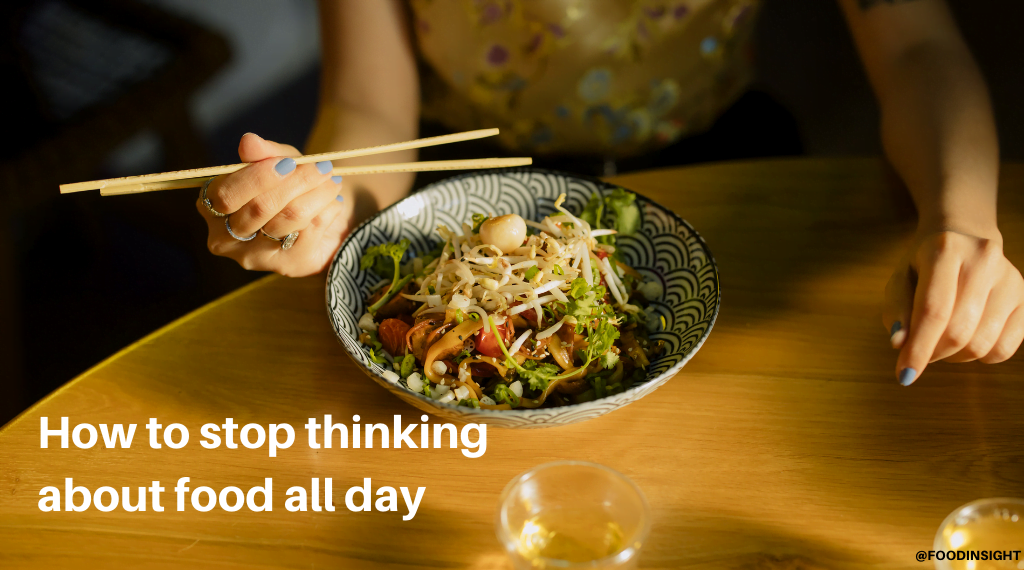
How To Stop Thinking Of Food
Food cravings can be a powerful force in our lives, often overpowering our best intentions. Whether it’s the sudden desire for a warm slice of pizza or a late-night craving for chocolate chip cookies, these urges can be difficult to resist. However, understanding the root causes of food cravings and developing a healthy relationship with food can help us overcome these persistent thoughts and embrace a sustainable and healthy approach to eating.
Identifying the Root Causes of Food Cravings
Before diving into strategies to stop thinking of food, it’s important to first understand why these cravings arise. Food cravings can be influenced by various factors, including physiological, emotional, and environmental triggers.
Physiological triggers are often related to nutrient deficiencies or imbalances in our body. For example, a craving for salty foods may indicate a need for more sodium, while a craving for sweets may be a sign of low blood sugar levels. It’s essential to listen to your body and provide it with the nutrients it needs to function properly.
Emotional triggers, on the other hand, are often associated with stress, anxiety, boredom, or other emotional states. Many people turn to food as a comfort or a way to cope with these emotions. Identifying these triggers and finding alternative coping mechanisms can help break the cycle of emotional eating.
Environmental triggers can also play a significant role in food cravings. Surrounding ourselves with readily available, highly palatable foods can make it challenging to resist indulging in them. Creating a supportive environment that promotes healthy eating choices can help reduce the intensity and frequency of food cravings.
Exploring the Emotional Impact of Food Cravings
Food cravings can have a strong emotional impact on our well-being. They can lead to feelings of guilt, shame, and loss of control, which can ultimately perpetuate the cycle of food cravings. Developing a healthy relationship with food is crucial to overcoming these emotional obstacles.
Mindful eating practices can help bring awareness to our eating habits and the emotions associated with food cravings. This involves slowing down, savoring each bite, and paying attention to the sensations and tastes of the food we consume. This mindful approach allows us to listen to our body’s hunger and satiety signals and make conscious food choices.
Building self-compassion and body positivity is also essential in developing a healthy relationship with food. Instead of criticizing ourselves for giving in to cravings, it’s important to practice self-love and acceptance. Remember that one indulgence does not define your overall eating habits or well-being. Treat yourself with kindness and allow for occasional indulgences in moderation.
Creating a Nourishing Meal Plan
Building a nourishing meal plan is an integral part of stopping the constant thoughts of food. Focus on choosing nutrient-rich foods that provide the body with essential vitamins, minerals, and macronutrients. Include a variety of fruits, vegetables, whole grains, lean proteins, and healthy fats in your meals.
Creating a balanced and varied menu is key to preventing food cravings. Including a mix of different food groups and flavors not only provides a wider range of nutrients but also keeps meals interesting and satisfying. Experiment with new recipes, flavor combinations, and cooking techniques to keep your meals exciting and enjoyable.
It’s important to note that restrictive or overly rigid meal plans can sometimes backfire and lead to more intense food cravings. Instead, aim for flexibility and balance in your meal plan. Allow for occasional treats and indulgences to avoid feelings of deprivation, which can often trigger intense food cravings.
Implementing Mindfulness Techniques
Mindfulness techniques can be powerful tools in stopping thoughts of food. Practicing mindful meditation can help train the mind to focus on the present moment, rather than obsessing over food or longing for it. Set aside a few minutes each day to sit in a quiet space, close your eyes, and focus on your breath. As thoughts or cravings arise, acknowledge them without judgment and gently bring your attention back to your breath.
Engaging in mindful movement, such as yoga or tai chi, can also help cultivate a sense of mindfulness and awareness. These practices not only benefit the body physically but also promote mental clarity and a calm state of mind.
Finding Distractions from Food Thoughts
When food thoughts arise, finding distractions can be an effective way to redirect your focus. Engage in activities that you enjoy and that keep your mind occupied. Discover new hobbies or interests that can serve as healthy distractions from thoughts of food. Whether it’s reading, painting, gardening, or listening to music, finding enjoyable activities can help divert your attention away from constant food thoughts.
Engaging in physical activity is another way to distract yourself from food cravings. Exercise releases endorphins, which can improve mood and decrease feelings of stress or anxiety. Find a form of exercise that you enjoy, whether it’s jogging, dancing, swimming, or practicing martial arts. Exercise not only helps distract from food cravings but also promotes overall well-being.
Managing Emotional Eating
Emotional eating can be a challenging habit to overcome, but it is possible with the right strategies. Start by identifying your emotional triggers. Pay attention to the situations or emotions that lead you to turn to food for comfort. Keeping a journal can be helpful in recognizing patterns and gaining insight into your emotional eating habits.
Once you’ve identified your emotional triggers, finding alternative coping mechanisms is key. Instead of turning to food, try engaging in activities that provide emotional comfort and support. This could include talking to a trusted friend or family member, engaging in relaxation techniques like deep breathing or taking a bath, or practicing mindfulness and meditation.
Seeking Professional Support
If you’re struggling with food cravings and finding it difficult to overcome them on your own, seeking professional support can be beneficial. Consulting a registered dietitian can help you develop a personalized meal plan that meets your nutritional needs and addresses any specific concerns regarding food cravings.
Discussing your concerns with a therapist or counselor can also provide valuable insights and support during your journey to stop thinking of food. They can help you explore the underlying emotional reasons behind your food cravings and guide you in developing healthy coping strategies.
Creating a Supportive Environment
Creating a supportive environment is essential in maintaining a healthy relationship with food and preventing constant thoughts of it. Reach out to loved ones for support and let them know about your goals and challenges. Having a solid support system can make a significant difference in your journey to stop thinking of food.
In addition to emotional support, creating a healthy eating environment is crucial. Surround yourself with nourishing foods and remove or minimize the presence of highly processed, addictive foods that may trigger your food cravings. Stock your pantry with wholesome ingredients, and make an effort to cook your meals at home whenever possible. This way, you have control over the ingredients and can make healthier choices.
Staying Consistent and Persistent
Overcoming food cravings requires consistency and persistence. Set realistic goals that are achievable and sustainable in the long run. Avoid setting strict or extreme goals that may lead to feelings of failure or deprivation. Instead, focus on making gradual, positive changes to your eating habits and lifestyle.
Track your progress and celebrate small victories along the way. Keeping a journal or using a food tracking app can help you stay accountable and provide motivation. Celebrate every milestone, no matter how small, and acknowledge the positive changes you’ve made in your relationship with food.
Conclusion
Stopping constant thoughts of food may seem challenging, but by understanding the root causes of food cravings, developing a healthy relationship with food, creating a nourishing meal plan, implementing mindfulness techniques, finding distractions, managing emotional eating, seeking professional support, creating a supportive environment, and staying consistent and persistent, you can empower yourself to overcome food-related thoughts and cravings. Embrace a sustainable and healthy approach to eating and prioritize your overall well-being. Remember, it’s not about perfection, but progress and self-compassion.

