Emotional Eating Help

Do you find yourself reaching for a bag of chips when you’re feeling stressed or upset? Or maybe you turn to a tub of ice cream when you’re feeling down? We’ve all been there. But the good news is, you’re not alone, and there are ways to overcome emotional eating. In this article, we’re going to dive into the world of emotional eating and explore some healthy ways to deal with those cravings. So grab a snack (preferably a healthy one!) and get ready to learn more about how to conquer emotional eating.
Emotional eating can be a vicious cycle. You eat because you’re feeling a certain way, but then you feel guilty afterwards, which only makes you want to eat more. It’s a slippery slope that can be hard to climb out of. But don’t worry, we’re here to help. Throughout this article, we’ll discuss the root causes of emotional eating and provide some practical tips on how to break free from its grip. Whether it’s practicing mindfulness, finding alternative coping mechanisms, or seeking support, we’ll explore a variety of strategies that can empower you to take control of your emotional eating habits. So stick around and let’s dive into the world of emotional eating together.
Emotional Eating Help
Understanding Emotional Eating
Emotional eating is a common phenomenon that many people experience when trying to cope with their emotions and feelings. It refers to the act of eating in response to emotional cues rather than hunger, often using food as a way to soothe and comfort oneself. In this article, we will explore what emotional eating is, what causes it, and how it manifests through signs and symptoms.
What is emotional eating?
Emotional eating can be described as the practice of consuming food as a means of dealing with and managing emotional distress. It typically involves reaching for high-calorie, comfort foods such as ice cream, chips, or cookies rather than eating a balanced meal. While occasional emotional eating is considered normal, regularly turning to food as a coping mechanism can have detrimental effects on both physical and mental well-being.
Causes of emotional eating
Emotional eating can be triggered by a variety of factors, including stress, boredom, sadness, loneliness, or even happiness. During times of heightened emotion, individuals may use food as a way to numb or distract themselves from their feelings. Additionally, cultural and societal influences, such as the constant availability of food or the pressure to conform to a certain body image, can also contribute to emotional eating habits.
Signs and symptoms of emotional eating
Identifying signs and symptoms of emotional eating is essential in overcoming this pattern of behavior. Some common signs include eating when not hungry, eating until uncomfortably full, feeling guilty or ashamed after consuming large quantities of food, and mindlessly eating without paying attention to the taste or enjoyment of the food. It is important to note that emotional eating often involves specific food cravings and a lack of control during these episodes.
Consequences of Emotional Eating
Emotional eating can have detrimental consequences on both physical health and mental well-being. Understanding these consequences is vital in developing strategies to overcome emotional eating habits.
Negative impact on physical health
Regular emotional eating can lead to weight gain and obesity. Consuming excess amounts of high-calorie, unhealthy foods can also increase the risk of developing chronic conditions such as heart disease, diabetes, and high blood pressure. Moreover, emotional eating can disrupt the body’s natural hunger and fullness cues, making it difficult to maintain a healthy eating routine.
Effects on mental well-being
Emotional eating not only affects physical health but can also take a toll on mental well-being. Individuals who engage in emotional eating often experience feelings of guilt, shame, or loss of control, which can contribute to low self-esteem and negative body image. Furthermore, using food as a coping mechanism may prevent individuals from addressing and resolving their underlying emotional issues, leading to increased stress and emotional distress.
Social and interpersonal consequences
Emotional eating can have a profound impact on social and interpersonal relationships. Individuals who struggle with emotional eating may avoid social events or gatherings that involve food, leading to isolation and feelings of loneliness. Moreover, the guilt and shame associated with emotional eating can hinder one’s ability to engage in meaningful connections with others, creating a cycle of emotional eating and further isolation.

Recognizing Triggers for Emotional Eating
Understanding the triggers for emotional eating can help individuals develop strategies to overcome and manage this behavior effectively.
Common triggers for emotional eating
There are several common triggers that can lead to emotional eating. Stress is a significant factor, as it often provokes a desire for comfort and relief. Boredom or a lack of stimulation can also trigger emotional eating as individuals turn to food for entertainment. Loneliness and sadness can lead to a desire for comfort foods, while happiness or celebrations can result in an overindulgence in food as a way to reward oneself.
Identifying personal triggers
Recognizing personal triggers is crucial in managing emotional eating. Keeping a food diary and recording emotional states and eating patterns can help identify specific triggers or patterns that may lead to emotional eating episodes. By understanding the connection between emotions and eating habits, individuals can develop healthier coping mechanisms to address their underlying emotional needs.
External factors that contribute to emotional eating
External factors, such as the environment and accessibility to certain foods, can also contribute to emotional eating habits. A stressful work environment or a chaotic home life may increase the likelihood of emotional eating. Additionally, advertising and media images that promote unhealthy foods or emphasize emotional satisfaction through eating can further reinforce this behavior.
Strategies to Overcome Emotional Eating
While emotional eating may seem like an ingrained habit, there are various strategies individuals can implement to overcome this behavior and develop a healthier relationship with food and emotions.
Developing awareness and mindfulness
Increasing awareness of emotional cues and using mindfulness techniques can help individuals catch themselves before turning to emotional eating. Taking a moment to pause and ask yourself why you are reaching for food can help identify whether it is due to hunger or an emotional trigger. Engaging in deep breathing exercises or practicing relaxation techniques can also aid in managing emotional distress without resorting to food.
Finding alternative coping mechanisms
Discovering alternative coping mechanisms is essential in breaking the cycle of emotional eating. Engaging in physical activity, journaling, or seeking support from a trusted friend or family member can provide healthier outlets for emotions. Finding a hobby or activity that brings joy and fulfillment can also be an effective way to redirect emotional energy and reduce the reliance on food as a source of comfort.
Building a supportive environment
Creating a supportive environment can significantly impact one’s ability to overcome emotional eating. Surrounding yourself with people who understand and support your journey can provide encouragement and accountability. Additionally, seeking professional help through therapy or counseling can provide valuable insights and guidance in addressing underlying emotional issues.

Healthy Eating Habits and Emotional Eating
Establishing healthy eating habits is crucial in overcoming emotional eating and promoting emotional well-being.
The role of nutrition in emotional well-being
Maintaining a well-balanced diet that includes a variety of nutrient-rich foods can positively impact emotional well-being. Consuming foods that provide essential vitamins, minerals, and antioxidants can support brain health and contribute to a more stable mood. Furthermore, avoiding restrictive diets and practicing moderation rather than deprivation can help prevent feelings of guilt or shame associated with emotional eating.
Establishing a balanced and nourishing diet
Creating a balanced and nourishing diet involves incorporating whole foods such as fruits, vegetables, lean proteins, and whole grains into your meals. Prioritizing nutrient-dense foods over highly processed and sugary foods can satisfy hunger, provide essential nutrients, and promote feelings of satiety. Planning meals ahead of time and having healthy snacks readily available can also prevent impulsive and emotionally-driven food choices.
Exploring intuitive eating
Intuitive eating encourages individuals to listen to their body’s cues and eat based on hunger, satisfaction, and nourishment rather than emotions. By practicing mindful eating and paying attention to taste, hunger, and fullness signals, individuals can develop a healthier relationship with food and break free from the cycle of emotional eating.
Mind-Body Connection
Understanding the link between emotions and physical sensations is essential in managing emotional distress and preventing emotional eating.
The link between emotions and physical sensations
Emotions can manifest in physical sensations such as tension, headaches, or stomachaches. Recognizing these physical cues can help individuals identify and address their emotional state before it escalates. Practicing body scans or engaging in relaxation techniques can assist in identifying and managing physical sensations associated with emotional distress.
Techniques for managing emotional distress
Various techniques can help manage emotional distress without resorting to food. Engaging in regular physical exercise can release endorphins, which can improve mood and reduce stress. Journaling or expressing emotions through creative outlets such as art or music can also provide an avenue for emotional release. Additionally, seeking support from a therapist or counselor can offer valuable tools and strategies to effectively manage emotional distress.
Practicing self-care and self-compassion
Practicing self-care and self-compassion is crucial in overcoming emotional eating. Engaging in activities that bring joy and fulfillment, such as taking baths, meditating, or spending time in nature, can promote emotional well-being. Showing kindness and understanding towards oneself, especially during setbacks or relapses, is vital in maintaining motivation and continuing on the path toward emotional well-being.

Seeking Professional Help
While self-help strategies can be effective in managing emotional eating, there may be instances where seeking professional help is necessary.
When to consider therapy or counseling
If emotional eating patterns persist despite efforts to manage them independently, or if emotional eating is significantly impacting daily functioning and well-being, it may be beneficial to seek professional help. A therapist or counselor can provide guidance, support, and specialized strategies to address the underlying emotional issues driving the behavior.
Types of therapies for emotional eating
There are several therapeutic approaches that can aid in overcoming emotional eating. Cognitive-behavioral therapy (CBT) focuses on identifying and challenging negative thoughts and behavior patterns associated with emotional eating. Acceptance and commitment therapy (ACT) helps individuals develop acceptance and mindfulness techniques to manage emotions and cravings. Dialectical behavior therapy (DBT) focuses on regulating emotions and developing healthy coping mechanisms.
Finding a qualified professional
Finding a qualified professional experienced in treating emotional eating is essential. Researching therapists or counselors who specialize in eating disorders or emotional eating and reading reviews or testimonials can help in making an informed decision. It is important to find someone with whom you feel comfortable sharing your struggles and who can provide the support and guidance necessary for long-term success.
Supportive Resources
Utilizing supportive resources can enhance the process of overcoming emotional eating.
Books and literature on emotional eating
There are several helpful books and literature available that provide insights, strategies, and personal stories on overcoming emotional eating. “Intuitive Eating” by Evelyn Tribole and Elyse Resch, “Brain over Binge” by Kathryn Hansen, and “Eat, Drink, and Be Mindful” by Susan Albers are just a few examples of resources that can provide guidance and support in navigating emotional eating.
Online communities and support groups
Engaging in online communities and support groups can provide a sense of belonging and connection with others who are experiencing similar struggles. Participating in forums, joining Facebook groups, or attending virtual support group meetings can offer emotional support, share coping strategies, and provide accountability on the journey toward emotional well-being.
Workshops and courses
Attending workshops and courses focused on emotional eating can provide additional tools and strategies for overcoming this behavior. Many organizations and therapists offer online or in-person workshops that delve into the underlying causes and provide practical steps to develop a healthier relationship with food and emotions. Exploring these educational opportunities can empower individuals in their journey towards overcoming emotional eating.

Maintaining Long-Term Success
Building sustainable habits and maintaining long-term success are key in overcoming emotional eating.
Building sustainable habits
Developing sustainable habits requires consistent effort and commitment. Setting realistic goals, embracing progress rather than perfection, and practicing self-compassion are crucial in maintaining long-term success. Establishing healthy routines and regularly checking in with yourself to assess emotional well-being can help prevent relapses and keep you on track toward a healthier relationship with food.
Dealing with setbacks and relapses
It is important to remember that setbacks and relapses during the journey of overcoming emotional eating are normal and should not be viewed as failures. Instead of becoming discouraged, view these experiences as opportunities for growth and learning. Reflecting on the factors that contributed to the setback and implementing new strategies can help prevent future relapses and facilitate continued progress.
Creating a long-term support network
Creating a long-term support network is vital in maintaining progress and preventing relapse. Engage with friends, family, or support groups who understand and support your goals. Sharing your journey, seeking guidance when needed, and celebrating milestones with your support network can provide motivation, encouragement, and accountability.
Conclusion
Understanding and overcoming emotional eating is a journey that requires patience, self-reflection, and a compassionate approach. By recognizing the triggers, developing healthier coping mechanisms, and seeking professional help when necessary, individuals can break free from the cycle of emotional eating and embrace a healthier relationship with both food and emotions. Continuing the path towards emotional well-being involves maintaining healthy eating habits, practicing mindfulness, and prioritizing self-care. With dedication and support, it is possible to overcome emotional eating and create a life filled with balance, nourishment, and emotional well-being.
Emotional Eating Example

Have you ever found yourself devouring a whole bag of chips or a tub of ice cream after a long, stressful day? If so, you’re not alone. In fact, many people turn to food as a way to cope with their emotions. But why is that? And how can we break this cycle of emotional eating? In this article, we’ll explore the topic of emotional eating in more detail and provide you with some helpful tips and strategies to address this common issue.
When it comes to emotional eating, it’s important to understand that it goes beyond physical hunger. It’s not about nourishing your body; it’s about soothing your emotions. Stress, boredom, sadness, and even happiness can trigger these emotional cravings. You may find yourself mindlessly snacking while binge-watching your favorite TV show or seeking comfort in a pint of ice cream after a breakup. These binge-eating episodes might provide temporary relief, but they often leave you feeling guilty and unsatisfied. In our article, we’ll delve into the reasons behind emotional eating and explore healthier ways to manage our emotions without turning to food.
By exploring the underlying factors that contribute to emotional eating, we can gain a better understanding of our own behaviors and develop strategies to address them. We’ll provide you with practical tips on how to establish a healthy relationship with food and learn alternative ways to deal with stress and other emotions. So, if you’re ready to break free from the cycle of emotional eating and improve your overall well-being, continue reading our article for valuable insights and guidance.
Emotional Eating Example
Emotional eating is a common phenomenon that many people experience at some point in their lives. It refers to the act of consuming food as a way to cope with and alleviate negative emotions such as stress, anxiety, depression, and loneliness. It is important to understand emotional eating, its causes, effects, and most importantly, how to overcome it in order to maintain a healthy lifestyle and mindset.
Causes of Emotional Eating
There are several factors that contribute to emotional eating. Stress and anxiety, for example, are known triggers for emotional eating. When faced with overwhelming stress or anxiety, some individuals turn to food as a way to find temporary relief and comfort. Similarly, depression can also lead to emotional eating, with individuals seeking solace in food to numb their emotions and fill a void. Loneliness is another common cause of emotional eating. When feeling lonely or isolated, individuals may turn to food as a way to cope with the feeling of emptiness and seek companionship in unhealthy eating habits.
Triggers of Emotional Eating
Negative emotions, such as sadness, anger, or frustration, can act as triggers for emotional eating. These emotions can make individuals feel overwhelmed and out of control, leading them to seek comfort in food. Boredom is another trigger for emotional eating. When individuals find themselves without any stimulating activities or distractions, they may turn to food as a way to alleviate their boredom and fill the void. Additionally, social situations can also serve as triggers for emotional eating, as individuals may feel pressured to indulge in unhealthy food choices to fit in or cope with social anxiety.
Effects of Emotional Eating
Emotional eating can have a range of negative effects on an individual’s physical and emotional well-being. One of the most obvious consequences is weight gain. Consuming excessive amounts of unhealthy food in response to emotional triggers can lead to an unhealthy increase in body weight. This weight gain not only poses risks to physical health but can also negatively impact self-esteem and body image, further perpetuating the cycle of emotional eating. Health issues such as high blood pressure, diabetes, and heart disease are also potential outcomes of chronic emotional eating. Lastly, emotional distress is a significant effect of emotional eating, as individuals may feel guilty, ashamed, or upset after engaging in this behavior.
Identifying Emotional Eating
Recognizing patterns of emotional eating is the first step towards overcoming it. It is important to identify the emotions or situations that trigger your urge to eat emotionally. Keeping a food diary can be a helpful tool in understanding your eating habits and identifying emotional triggers. By recording your emotions, the circumstances surrounding your eating, and the types of food consumed, you can gain insight into your patterns and make conscious efforts to change them. Seeking professional help, such as consulting with a therapist or nutritionist, can also be beneficial in understanding and managing emotional eating.
Preventing Emotional Eating
Preventing emotional eating involves developing healthy coping mechanisms. Instead of turning to food, finding alternative ways to cope with stress, anxiety, and negative emotions can be helpful. Engaging in activities such as exercise, meditation, or creative outlets can help divert attention away from food and provide healthier outlets for emotions. Creating a support system of friends or family members who can provide emotional support and help hold you accountable can also be beneficial. Practicing mindful eating is another effective way to prevent emotional eating. By focusing on the sensory experience of eating, paying attention to hunger cues, and savoring each bite, individuals can develop a healthier relationship with food.
Overcoming Emotional Eating
Overcoming emotional eating requires developing emotional regulation skills. Learning how to recognize and regulate your emotions in healthier ways can help you break the cycle of emotional eating. Seeking therapy or counseling can provide valuable guidance and support in this process. Developing self-compassion is also essential in overcoming emotional eating. Instead of feeling guilty or criticizing yourself for emotional eating episodes, practicing self-acceptance and understanding can promote positive change. Building resilience is another crucial aspect of overcoming emotional eating. Resilience allows individuals to bounce back from setbacks and challenges, empowering them to make healthier choices in coping with emotions.
Seeking Help for Emotional Eating
In cases where emotional eating has become chronic or significantly impacts an individual’s well-being, seeking professional help is recommended. Therapy and counseling can provide individuals with the necessary tools and guidance to overcome emotional eating. Support groups are another beneficial resource as they offer a sense of community and provide a platform for individuals to share their experiences and learn from others facing similar challenges. In severe cases, medical intervention may be necessary to address any underlying physical or mental health issues associated with emotional eating.
Alternative Approaches to Emotional Eating
In addition to traditional forms of therapy and counseling, there are alternative approaches that can be explored to help individuals overcome emotional eating. Alternative therapies such as acupuncture, yoga, or aromatherapy can provide individuals with additional tools to manage their emotions and reduce the urge to eat emotionally. Engaging in physical activities, such as regular exercise or outdoor activities, can serve as a healthy outlet for emotions and distract from the desire to eat emotionally. Holistic approaches, such as incorporating meditation or mindfulness practices into daily life, can foster a deeper understanding of one’s emotions and promote overall well-being.
Conclusion
Emotional eating is a complex issue that affects many individuals. By understanding the causes and triggers of emotional eating, recognizing patterns, and seeking professional help when necessary, individuals can take control of their emotional eating habits. By focusing on developing healthy coping mechanisms, building resilience, and practicing self-compassion, individuals can overcome emotional eating and embrace a healthier approach to eating. Remember, it is possible to break free from the cycle of emotional eating and establish a positive relationship with food and emotions.
How To Stop Binging At Night

Do you find yourself standing in front of the fridge late at night, snacking on anything and everything in sight? We’ve all been there. It’s hard to resist those late-night cravings, but don’t worry, we’ve got you covered. In this article, we’re going to discuss some simple and effective ways to stop binging at night, so you can wake up feeling refreshed and healthy.
First, let’s talk about why we tend to binge at night. One common reason is that we’re tired and stressed from a long day, and our bodies are craving comfort. This often leads to mindless eating, where we grab a bag of chips or a pint of ice cream without even thinking about it. Another reason is that we might have skipped meals earlier in the day, causing our bodies to be extra hungry at night. No matter the reason, these late-night binges can leave us feeling guilty and defeated. But fear not, because in this article, we’ll explore strategies to help you regain control and stop binging at night.
Stay tuned to learn about the power of mindful eating, the importance of setting a nighttime routine, and other effective techniques that can help you break free from the cycle of late-night binging. We want to support you and provide you with the tools you need to develop healthier habits. So, if you’re ready to conquer your nighttime cravings and improve your overall well-being, let’s dive into the article together.

How To Stop Binging At Night
Understanding Nighttime Binging
Nighttime binging refers to the excessive consumption of food during the evening and late-night hours, often characterized by a loss of control and an insatiable desire to eat. Many individuals struggle with this habit, leading to feelings of guilt, shame, and negative impacts on their overall health and well-being.
The Causes of Nighttime Binging
Nighttime binging can stem from various factors, including emotional triggers, environmental cues, and situational influences. Understanding these underlying causes is crucial in effectively addressing and overcoming this behavior.
Effects of Nighttime Binging on Health
Engaging in nighttime binging can have significant repercussions on your health. Consuming large amounts of food late at night can disrupt your sleep patterns, contribute to weight gain, and increase the risk of developing chronic conditions such as obesity, diabetes, and cardiovascular diseases.
Identifying Triggers
Recognizing Emotional Triggers
Emotional triggers play a significant role in nighttime binging. Stress, anxiety, loneliness, and boredom are common emotional states that prompt individuals to turn to food for comfort. Being aware of your emotional triggers is the first step in managing nighttime binging.
Identifying Environmental Triggers
Environmental cues, such as the presence of tempting snacks in your kitchen or the accessibility of unhealthy food options, can also contribute to nighttime binging. Identifying these triggers allows you to modify your environment to promote healthier choices.
Determining Situational Triggers
Certain situations or events can trigger nighttime binging. For example, social gatherings, late work nights, or lack of planning and preparation for meals can lead to impulsive and excessive eating. Recognizing these situational triggers can help you develop strategies to navigate them more effectively.
Creating a Supportive Environment
Organizing Your Kitchen for Success
One effective way to prevent nighttime binging is to organize your kitchen in a way that supports your goals. Keep healthy snacks and ingredients readily accessible, while storing tempting and unhealthy foods out of sight or out of the house altogether.
Removing Tempting Snacks from Your Home
If you find yourself constantly battling the temptation of late-night snacking, it may be beneficial to remove all tempting snacks from your home. Clear your pantry and refrigerator of chips, cookies, ice cream, and other unhealthy options, and replace them with nutritious alternatives.
Surrounding Yourself with Supportive People
Building a supportive network of family and friends who understand and respect your goals can greatly aid in overcoming nighttime binging. Share your aspirations with them, and seek their encouragement and understanding. Having a support system can make a significant difference in your journey towards healthier eating habits.
Developing Healthy Habits
Establishing Consistent Meal Times
Establishing regular and consistent meal times can help regulate your hunger levels and prevent excessive eating at night. Plan and prepare your meals in advance, ensuring they are balanced and satisfying. Adhering to a structured eating routine can promote healthier eating habits throughout the day.
Practicing Mindful Eating
Mindful eating involves paying full attention to the experience of eating, focusing on the taste, texture, and satisfaction derived from each bite. By practicing mindful eating, you become more attuned to your body’s hunger and fullness cues, making it easier to recognize when you are truly satiated and to avoid overeating.
Choosing Nutritious and Satisfying Meals
The food choices you make throughout the day can significantly impact your nighttime binging tendencies. Opt for nutrient-dense foods, such as fruits, vegetables, lean proteins, and whole grains, that provide sustained energy and keep you feeling satiated for longer periods. Incorporating foods that you genuinely enjoy into your meals can also enhance satisfaction and reduce the desire for excessive nighttime snacking.

Building Stress Management Techniques
Identifying Stressors
Stress can be a major trigger for nighttime binging. Identifying the sources of stress in your life is crucial for effectively managing it. Reflect on your daily routine, work-life balance, and personal relationships to determine potential stressors that may be contributing to your nighttime eating habits.
Implementing Stress Reduction Techniques
Implementing stress reduction techniques can help alleviate the urge to engage in nighttime binging. Find healthy coping mechanisms that work for you, such as practicing deep breathing exercises, engaging in physical activity, meditating, or journaling. Experiment with different techniques until you find what brings you the most relief and peace of mind.
Incorporating Relaxation Practices
Incorporating relaxation practices into your daily routine can help reduce stress levels and promote better sleep, ultimately aiding in curbing nighttime binging. Consider activities such as taking warm baths, reading, listening to calming music, or practicing gentle stretching exercises before bed to create a peaceful and conducive environment for quality rest.
Coping with Emotional Eating
Exploring Alternative Coping Mechanisms
When faced with emotional triggers, it is important to find alternative coping mechanisms instead of turning to food. Engaging in activities that provide emotional comfort without involving food, such as talking to a trusted friend, practicing a hobby, or engaging in creative outlets like painting or writing, can help divert your attention from nighttime binging.
Seeking Professional Help If Needed
For individuals who find it challenging to manage or overcome emotional eating on their own, seeking professional help, such as working with a registered dietitian or therapist, can be highly beneficial. These professionals can provide personalized guidance and support to address the root causes of emotional eating and develop effective strategies to break the cycle.
Building Emotional Resilience
Building emotional resilience is an essential aspect of stopping nighttime binging. Learning to cope with stress, setbacks, and emotional turmoil in healthy and constructive ways empowers you to overcome challenges without resorting to negative eating patterns. Practice self-compassion, celebrate small victories, and focus on building a positive mindset to foster emotional resilience.

Practicing Intermittent Fasting
Understanding the Basics of Intermittent Fasting
Intermittent fasting is an eating pattern that involves alternating periods of fasting and eating. It can be an effective strategy to regulate food intake and promote healthier eating habits. By limiting the timeframe in which you consume food, you can reduce the likelihood of nighttime binging.
Following a Suitable Fasting Schedule
When practicing intermittent fasting, it is important to choose a fasting schedule that aligns with your lifestyle and preferences. Common fasting schedules include the 16/8 method (fasting for 16 hours and eating within an 8-hour window) or the 5:2 method (eating normally for five days and restricting calorie intake for two non-consecutive days). Experiment with different schedules to find what works best for you.
Monitoring Your Eating Window
While intermittent fasting can be an effective tool in curbing nighttime binging, it is essential to monitor your eating window to ensure you are consuming balanced and nutritious meals during your designated eating periods. Focus on nourishing your body with whole foods and control portion sizes to maintain a healthy eating pattern.
Creating a Bedtime Routine
Establishing a Consistent Sleep Schedule
Maintaining a consistent sleep schedule can significantly impact your nighttime eating habits. Aim for seven to nine hours of quality sleep each night by establishing regular bedtimes and wake-up times. A well-rested body and mind are less likely to crave unhealthy food late at night.
Incorporating Relaxation Techniques Before Bed
Incorporating relaxation techniques into your bedtime routine can help calm your mind and prepare your body for a restful sleep. Engage in activities such as reading a book, practicing gentle stretching or yoga, or using aromatherapy to promote relaxation and signal to your body that it is time to wind down.
Avoiding Electronic Devices Before Sleep
The blue light emitted by electronic devices can disrupt your sleep patterns and stimulate your brain, making it difficult to fall asleep. Establish a cutoff time for electronic device usage before bed and replace screen time with calming activities to promote better sleep hygiene.

Seeking Support and Accountability
Joining a Support Group or Community
Connecting with like-minded individuals who are also striving to overcome nighttime binging can provide valuable support and accountability. Joining a support group or online community allows you to share experiences, exchange advice, and find encouragement from those who can relate to your journey.
Working with a Registered Dietitian or Therapist
For personalized guidance and professional support, consider working with a registered dietitian or therapist specializing in disordered eating habits. They can help you develop a tailored plan to address your specific challenges and provide tools to overcome nighttime binging effectively.
Tracking Your Progress and Celebrating Milestones
Tracking your progress and celebrating milestones along your journey can help maintain motivation and enhance the sense of accomplishment. Whether through journaling, using mobile apps, or sharing your victories with your support network, acknowledge and reward yourself for each step taken towards healthier nighttime eating habits.
Conclusion
In conclusion, overcoming nighttime binging is a complex process that requires self-awareness, dedication, and a supportive environment. By understanding the causes of nighttime binging, identifying triggers, and developing healthy habits, you can regain control over your eating patterns and improve your overall well-being. Remember to be patient and compassionate with yourself throughout this journey, celebrating every small victory along the way. With the right strategies and support, you can successfully put an end to nighttime binging and embark on a path of healthier eating habits and self-discovery.
How To Stop Eating Sugar And Lose Weight

Do you find yourself constantly craving sugary treats and struggling to lose weight? Well, you’re not alone. Many people find it difficult to resist the temptation of sugary foods, especially when they are trying to shed those extra pounds. But fear not, because in this article, we will discuss some effective strategies to help you stop eating sugar and successfully lose weight.
Firstly, it’s important to understand the impact of sugar on your body and why it can hinder weight loss. Consuming excessive amounts of sugar leads to a spike in blood sugar levels, which then triggers a release of insulin. This insulin surge not only promotes fat storage but also inhibits fat burning, making it harder for you to shed those unwanted pounds. By reducing your sugar intake, you can regain control over your cravings and improve your chances of achieving your weight loss goals.
In the upcoming article, we will delve deeper into the different ways you can stop eating sugar and start losing weight. From making small dietary changes to adopting a more mindful approach when it comes to food choices, we will provide you with valuable tips and insights to help you overcome your sugar addiction. So, stay tuned and get ready to take the first step towards a healthier, sugar-free lifestyle.

How To Stop Eating Sugar And Lose Weight
Are you tired of struggling with weight loss and finding it difficult to resist sugary treats? Understanding the effects of sugar on weight gain is crucial in your journey towards a healthier lifestyle. By identifying hidden sugars in your diet, creating a sugar-free meal plan, overcoming sugar cravings, replacing sugar with healthier alternatives, incorporating exercise into your weight loss journey, seeking support and accountability, managing stress and emotional eating, as well as tracking your progress and celebrating milestones, you can take control of your sugar intake for sustainable weight loss.
The Link Between Sugar and Weight Gain
To understand the impact of sugar on weight gain, it’s essential to recognize that sugar contains empty calories. These calories provide no nutritional value, and excess sugar consumption can lead to weight gain. When you consume sugar, your body breaks it down into glucose, which enters your bloodstream and triggers the release of insulin. Insulin helps transport glucose from your bloodstream into your cells for energy. However, when you consume excessive amounts of sugar, your body may become insulin resistant, leading to higher insulin levels and potential weight gain.
How Sugar Affects Your Body’s Ability to Burn Fat
Sugar consumption can also affect your body’s ability to burn fat. When you eat sugary foods, your body gets an immediate energy source from the glucose. As a result, your body may not tap into its fat stores for fuel. Additionally, consuming high amounts of sugar can lead to increased inflammation in your body, making it harder to lose weight. By reducing your sugar intake, you can enhance your body’s fat-burning capabilities and promote weight loss.
Identifying Hidden Sugars in Your Diet
To reduce your sugar intake, it’s essential to identify hidden sugars in your diet. Many common foods contain hidden sugars that you may not be aware of. For example, processed foods like sauces, condiments, salad dressings, and even seemingly healthy snacks can often be loaded with added sugars. Reading food labels and understanding sugar content is crucial in making informed choices about what you consume.
Creating a Sugar-Free Meal Plan
One effective way to stop eating sugar and lose weight is by creating a sugar-free meal plan. This involves choosing whole foods and natural sweeteners instead of processed, sugary foods. Focus on incorporating lean proteins, fruits, vegetables, whole grains, and healthy fats into your meals. Experiment with natural sweeteners like stevia, monk fruit, or raw honey instead of refined sugar. Meal prep and planning make it easier to stick to your sugar-free diet and avoid impulsive, unhealthy food choices.
Overcoming Sugar Cravings
Sugar cravings can be challenging to overcome, but understanding the science behind cravings can empower you to manage and reduce them. When you consume sugar, it activates the brain’s reward system, leading to a release of dopamine. This pleasurable experience reinforces the desire for more sugar. However, there are strategies you can employ to manage and overcome sugar cravings. These include staying hydrated, getting enough sleep, eating balanced meals, practicing mindful eating, and finding healthy alternatives to satisfy your sweet tooth.
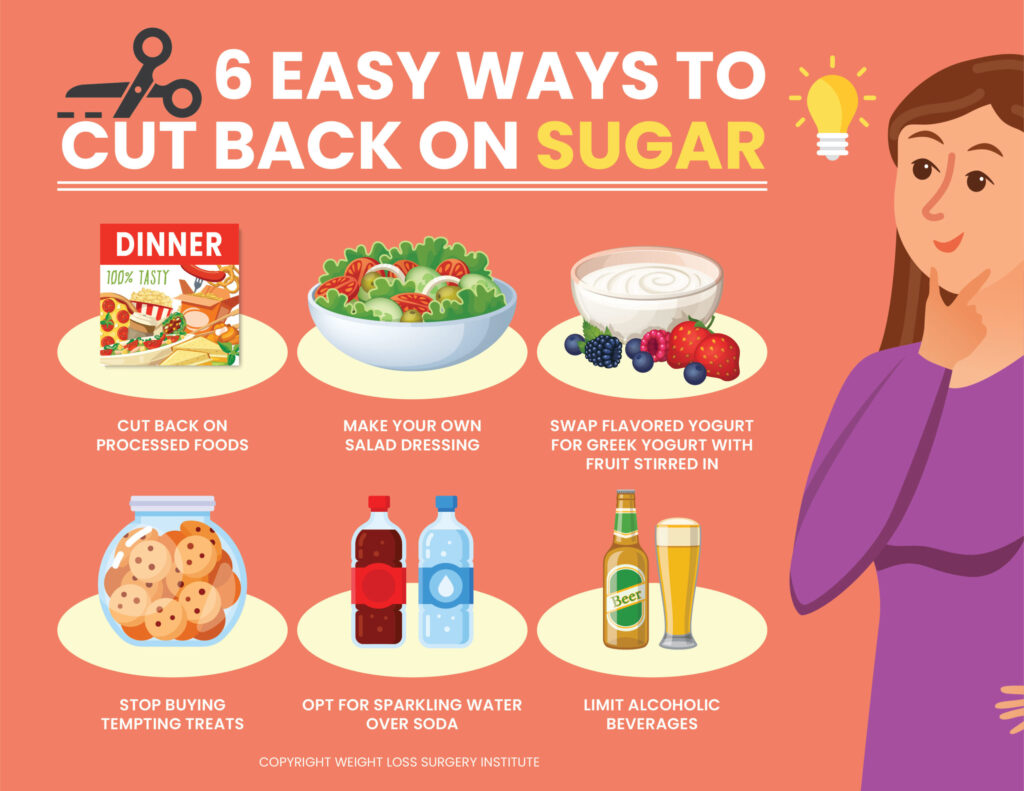
Replacing Sugar with Healthier Alternatives
As you make efforts to reduce your sugar intake, it’s important to explore alternative sweeteners that are healthier options. Natural sweeteners like stevia, monk fruit, and raw honey have minimal or no impact on blood sugar levels and can be used as substitutes for refined sugar. Experiment with these alternatives in baking and cooking to create delicious, sugar-free recipes that still satisfy your taste buds.
Incorporating Exercise into Your Weight Loss Journey
Exercise plays a crucial role in weight loss. It not only burns calories but also helps build lean muscle, which increases your metabolism. Finding an exercise routine that works for you is key to making it a sustainable part of your weight loss journey. Whether it’s cardiovascular activities like running or cycling, strength training, or engaging in group fitness classes, make sure to incorporate regular exercise into your lifestyle.
Seeking Support and Accountability
Enlisting the help of a supportive friend or group can significantly contribute to your success in reducing sugar intake and losing weight. Surrounding yourself with like-minded individuals who share similar goals can provide encouragement, accountability, and motivation. Additionally, taking advantage of technology and using apps to track your progress can help you stay on track and monitor your achievements.
Managing Stress and Emotional Eating
Often, stress and emotional eating can lead to increased sugar consumption and hinder weight loss efforts. Identifying triggers for emotional eating and finding healthy coping mechanisms to deal with stress is essential. Engage in activities like meditation, yoga, breathing exercises, or pursuing hobbies to manage stress effectively. As you cultivate healthier ways of dealing with emotions, you’ll be less likely to turn to sugar for comfort.

Tracking Your Progress and Celebrating Milestones
Regularly monitoring your weight loss progress is crucial to stay motivated and make adjustments if necessary. Set specific, attainable goals, and track your achievements along the way. When you reach milestones, reward yourself with non-food-related treats, such as a new workout outfit or a relaxing spa day. Celebrating your progress will reinforce positive behavior and provide encouragement to continue on your journey.
Conclusion
Taking control of your sugar intake is essential for sustainable weight loss. By understanding the effects of sugar on weight gain, identifying hidden sugars in your diet, creating a sugar-free meal plan, overcoming cravings, replacing sugar with healthier alternatives, incorporating exercise, seeking support, managing stress and emotional eating, and tracking your progress, you can successfully stop eating sugar and achieve your weight loss goals. With determination and a commitment to a healthier lifestyle, you can take charge of your health and embark on a journey towards a fitter, happier you.
Stop Calorie Counting
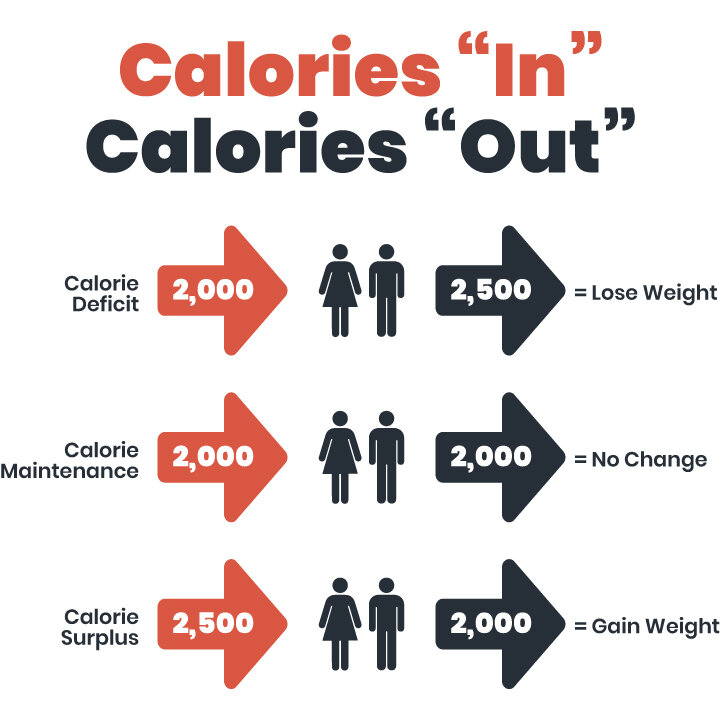
Are you tired of counting every single calorie you consume? Do you find it tedious and restrictive? Well, guess what? You don’t have to do it anymore! In this article, we’re going to discuss why you should stop calorie counting and how there are healthier ways to achieve your weight loss goals.
Counting calories can be a daunting task. It requires meticulously tracking everything you eat and constantly calculating how many calories you’ve consumed. Not only is it time-consuming, but it can also lead to an unhealthy relationship with food. Instead, it’s time to focus on nourishing your body and listening to its signals of hunger and fullness. In this article, we’ll explore alternative methods like intuitive eating and mindful eating that can help you reach your ideal weight without the stress of counting calories. So, if you’re ready to break free from the calorie counting trap and embrace a healthier approach, keep reading!
Stop Calorie Counting
Are you tired of obsessing over every single calorie you consume? Do you find calorie counting to be frustrating, time-consuming, and ultimately ineffective? You’re not alone. Many experts argue that calorie counting is not only inaccurate but also detrimental to our emotional well-being and body image. In this article, we will explore the problem with calorie counting and present alternative approaches to weight management that prioritize overall health and well-being.
The Inaccuracy of Calorie Counts
One of the major flaws with calorie counting is its inherent inaccuracy. While it may seem like a precise way to manage your weight, the truth is that calorie counts on food labels and in databases can be highly unreliable. Studies have shown that the actual calorie content of a food can vary by up to 20% from what is listed on the label. This means that even if you meticulously track your calories, you could still be consuming more or fewer calories than you think.
Furthermore, calorie counts do not take into account individual differences in metabolism, digestion, and nutrient absorption. Each person’s body is unique, and the way it processes and utilizes calories can vary greatly. Relying solely on calories as a measure of energy intake overlooks the complex interplay between hormones, gut health, and overall well-being.
The Emotional Toll of Calorie Counting
Engaging in calorie counting can take a significant toll on your emotional well-being. Constantly monitoring and restricting your food intake can lead to an unhealthy obsession with food and weight. It can contribute to feelings of guilt, shame, and anxiety, which can negatively impact your relationship with food and your body.
Additionally, calorie counting often promotes a mindset of deprivation and restriction. This can lead to increased cravings and binge-eating episodes, as the body tries to compensate for the perceived lack of nourishment. This vicious cycle of restriction and overconsumption can be emotionally and physically exhausting.
The Negative Impact on Body Image
Calorie counting tends to promote a narrow focus on weight and appearance rather than overall health and well-being. It sends the message that your worth is determined by the number on the scale, disregarding the importance of body diversity and body acceptance.
Constantly tracking and striving to meet a specific calorie goal can foster an unhealthy preoccupation with a thin or unrealistic body ideal. This can lead to body dissatisfaction, low self-esteem, and disordered eating behaviors. It is important to shift the focus from weight to overall well-being and cultivate a positive body image.
Understanding the Role of Hormones in Weight Management
To effectively manage weight and overall health, it is crucial to understand the role of hormones in our bodies. Hormones play a significant role in regulating appetite, satiety, and fat storage. Two key hormones that affect weight management are insulin and leptin.
The Influence of Insulin on Fat Storage
Insulin is a hormone that helps regulate blood sugar levels and promote the storage of excess energy as fat. When we consume carbohydrates, our bodies release insulin to shuttle glucose into our cells for energy or storage. However, consistently high levels of insulin, often caused by a diet high in processed carbohydrates, can lead to weight gain and insulin resistance.
Reducing the intake of refined sugars, starches, and processed foods can help regulate insulin levels and promote healthy weight management. By focusing on whole, unprocessed foods that provide a steady release of energy, we can support our bodies in maintaining balanced hormones and a healthy weight.
The Effects of Leptin and Ghrelin on Hunger and Satiety
Leptin and ghrelin are hormones that regulate hunger and satiety signals. Leptin, often referred to as the “satiety hormone,” is released by fat cells and signals to the brain that we are full and no longer need to eat. Ghrelin, on the other hand, is known as the “hunger hormone” and stimulates appetite.
When we chronically restrict calories, our bodies respond by reducing leptin production and increasing ghrelin production. This can lead to increased hunger, decreased satiety, and a higher likelihood of overeating.
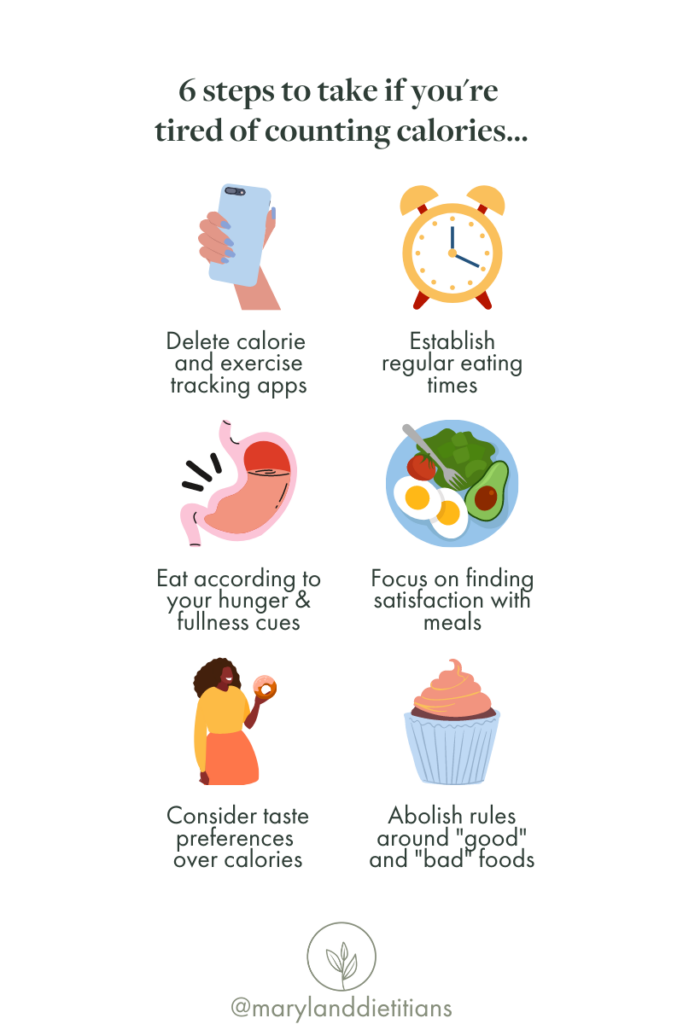
Instead of relying on external calorie counting to regulate food intake, it is important to listen to our body’s natural hunger and fullness cues. By practicing mindful eating and learning to eat intuitively, we can foster a healthier relationship with food and build a stronger connection with our bodies.
The Importance of Nutrient Density
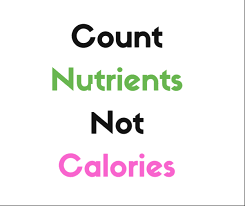
While calories play a role in weight management, it is equally important to consider the nutrient density of the foods we consume. Nutrient density refers to the amount of vitamins, minerals, and other essential nutrients in relation to the number of calories in a food.
Focusing on Quality Over Quantity
Instead of solely focusing on calorie counts, it is more beneficial to prioritize nutrient-dense foods that nourish our bodies. Foods that are rich in vitamins, minerals, fiber, and antioxidants provide essential nutrients that support our overall health and well-being.
By shifting our focus to the quality of food we consume, we can ensure that our bodies receive the necessary nutrients for optimal function. This approach also allows for greater food variety and enjoyment, as we are not limited by arbitrary calorie restrictions.
Prioritizing Whole, Unprocessed Foods
One of the best ways to increase nutrient density in our diets is to prioritize whole, unprocessed foods. These include fruits, vegetables, whole grains, lean proteins, and healthy fats. These foods are more satiating and provide a wide range of essential nutrients, making them key components of a healthy eating pattern.
Avoiding highly processed foods that are often high in added sugars, unhealthy fats, and artificial ingredients can also help regulate appetite and promote sustained energy levels. By choosing whole foods, we can nourish our bodies and support optimal health.
The Role of Micronutrients in Health
Micronutrients, such as vitamins and minerals, are essential for various bodily functions and play a crucial role in overall health. By prioritizing nutrient-dense foods, we can ensure that our bodies receive an adequate supply of these micronutrients.
For example, vitamin D is important for bone health and immune function, while iron is necessary for oxygen transport in the blood. By consuming a variety of nutrient-dense foods, we can support optimal health and prevent micronutrient deficiencies.
Listening to Your Body’s Hunger and Fullness Signals
In our fast-paced society, it is easy to lose touch with our body’s natural hunger and fullness cues. Many of us have become accustomed to eating at specific times or based on external cues such as calorie counts or portion sizes. However, listening to our body’s signals is essential for maintaining a healthy relationship with food and supporting our overall well-being.
Practicing Mindful Eating
Mindful eating involves paying attention to the sensory experience of eating and being fully present in the moment. It means savoring each bite, chewing slowly, and tuning in to our body’s cues of hunger and fullness.
By practicing mindful eating, we become more attuned to our body’s needs and can differentiate between physical hunger and emotional or environmental cues. This allows us to make more conscious choices about what and how much we eat, leading to a greater sense of satisfaction and overall well-being.
Learning to Eat Intuitively
Intuitive eating is a philosophy that encourages us to trust our body’s innate wisdom when it comes to nourishing ourselves. It involves rejecting external diet rules and embracing a more flexible and compassionate approach to eating.
By honoring our hunger and fullness cues, eating for physical satisfaction, and rejecting the diet mentality, we can develop a healthy and sustainable eating pattern. This approach promotes a positive body image, improves our relationship with food, and supports long-term well-being.
Honoring Your Body’s Natural Cues
Each person’s body is unique, and our hunger and fullness signals can vary from day to day. It is important to listen to and honor our body’s needs without judgment or restriction. This means eating when we are hungry, stopping when we are comfortably full, and respecting our body’s natural rhythms.
By tuning in to our body’s cues and treating them with kindness and respect, we can establish a healthier and more balanced relationship with food and our bodies.

The Power of Food Freedom
Stepping away from the restrictive mindset of calorie counting and embracing food freedom can be incredibly liberating. It involves breaking free from the rigid rules and restrictions of diets and embracing a more intuitive and flexible approach to eating.
Breaking Free from Restrictive Diets
Restrictive diets, such as those focused solely on calorie counting, often fail to produce long-term, sustainable results. They can be mentally and emotionally draining, leading to feelings of deprivation, frustration, and failure.
By letting go of restrictive dieting and embracing a more holistic approach to health, we can foster a healthier relationship with food and our bodies. This means focusing on nourishment rather than deprivation and embracing food as a source of pleasure and joy.
Finding Joy in Eating
Food is not just fuel for our bodies; it is also a source of pleasure, culture, and connection. Embracing food freedom means allowing ourselves to enjoy a wide variety of foods without guilt or judgment.
By savoring our meals, trying new flavors and cuisines, and nourishing both our bodies and our souls, we can find joy and fulfillment in eating. This approach promotes a healthier and more sustainable relationship with food, free from the constraints of calorie counts and restrictive diets.
Cultivating a Healthy Relationship with Food
Developing a healthy relationship with food involves seeing it as nourishment rather than an enemy. It means giving ourselves permission to eat without judgment or restriction and trusting our body’s natural wisdom.
By embracing a non-diet approach and cultivating self-compassion, we can build a positive and sustainable relationship with food. This includes letting go of guilt and shame, practicing forgiveness and moderation, and honoring our body’s needs and preferences.
Exploring Alternative Approaches to Weight Management
Rather than relying solely on calorie counting, there are alternative approaches to weight management that focus on overall health and well-being. These approaches take into consideration the complex interplay of hormones, nutrient density, and individual differences.
Intermittent Fasting: Restricting Eating Times Rather than Calories
Intermittent fasting is a popular approach to weight management that involves cycling between periods of eating and fasting. Instead of restricting calories, intermittent fasting restricts the timing of food intake.
This approach can help regulate hormones, enhance fat burning, and improve insulin sensitivity. It can also simplify meal planning and allow for greater food enjoyment during designated eating windows.
The Benefits of a Ketogenic Diet
The ketogenic diet is a low-carb, high-fat diet that has gained popularity in recent years. By drastically reducing carbohydrate intake and increasing fat consumption, the body enters a state of ketosis, where it burns fat for fuel instead of glucose.
While the ketogenic diet can be effective for weight loss and improving insulin sensitivity, it may not be suitable for everyone. It is important to work with a healthcare professional to ensure that the diet is sustainable and meets individual nutritional needs.
The Role of Physical Activity in Weight Management
Regular physical activity plays a key role in weight management and overall health. It helps burn calories, build muscle mass, improve insulin sensitivity, and support overall well-being.
Instead of solely relying on calorie restriction, incorporating regular movement into our daily routine can have numerous benefits. This can include activities such as walking, strength training, yoga, or any form of exercise that we enjoy and can sustain long-term.
Lifestyle Factors that Impact Weight
While food and exercise are important components of weight management, other lifestyle factors can also have a significant impact. These include stress levels, sleep quality, and social environments.
Stress and Cortisol: The Connection to Weight Gain
Chronic stress can lead to increased cortisol production, a hormone that promotes fat storage, particularly in the abdominal area. High cortisol levels can also affect appetite regulation, leading to increased cravings and overeating.
By managing stress through practices such as meditation, mindfulness, and self-care activities, we can support healthy weight management. This also includes prioritizing stress-reducing activities and cultivating a supportive social network.
The Importance of Quality Sleep
Getting an adequate amount of quality sleep is essential for overall health and weight management. Lack of sleep can disrupt hormone regulation, increase hunger and appetite, and lead to weight gain.
To prioritize sleep, it is important to establish a consistent bedtime routine, create a sleep-friendly environment, and practice relaxation techniques before bed. By getting enough restorative sleep, we support our body’s natural processes and promote optimal health.
Supportive Social Environments
The social environments in which we live and interact can have a significant impact on our eating habits and overall well-being. Surrounding ourselves with supportive and positive influences can encourage healthier choices and promote a more balanced relationship with food.
By seeking out like-minded individuals, joining support groups, or involving loved ones in our journey towards a healthier lifestyle, we can create a social network that fosters our goals and provides ongoing encouragement and support.
Building Sustainable Habits for Long-Term Health
Instead of focusing solely on short-term weight loss goals, it is important to prioritize long-term health and well-being. By establishing sustainable habits, we can create lasting changes that support our overall health and promote a positive lifestyle.
Creating a Nourishing Meal Plan
A key aspect of sustainable eating habits is creating a nourishing meal plan that is balanced, varied, and enjoyable. This involves incorporating nutrient-dense foods, meal prepping for convenience, and finding recipes and cooking methods that suit our tastes and lifestyle.
By taking the time to plan and prepare meals ahead of time, we can ensure that we have nourishing and satisfying options readily available. This helps us make healthier choices and minimizes the reliance on calorie counting or impulse eating.
Incorporating Regular Movement into Your Routine
Regular physical activity is essential for overall health and weight management. Instead of viewing exercise as a chore or means of burning calories, it is important to find activities that bring joy and can be sustained long-term.
By incorporating movement into our daily routine, whether it be through formal workouts, recreational activities, or simply moving more throughout the day, we can support our weight management goals and improve our overall well-being.
Prioritizing Self-Care
Self-care is not a luxury but a crucial element of maintaining overall health and well-being. Taking the time to prioritize self-care activities, such as relaxation, hobbies, and social connections, can help manage stress levels, improve mental health, and support sustainable lifestyle changes.
By recognizing the importance of self-care and incorporating it into our daily lives, we promote a healthier mindset and create a foundation for long-term health and well-being.
Shifting the Focus from Weight to Overall Well-Being
It is time to shift the focus from weight as the sole determinant of health and well-being. Instead of fixating on numbers on a scale, we should prioritize overall health markers and celebrate non-scale victories.
Emphasizing Health Markers Rather than Numbers on a Scale
Health is not solely determined by weight but by a multitude of factors, including blood pressure, cholesterol levels, energy levels, mental well-being, and more. By shifting our focus to these health markers, we can adopt a more comprehensive and holistic approach to well-being.
Tracking and celebrating improvements in these markers, such as increased energy, improved mood, or reduced medication usage, can be far more meaningful and motivating than focusing solely on weight loss.
The Relationship Between Weight and Health
While there is often a correlation between weight and certain health conditions, it is important to remember that weight is not the sole determinant of health. Many factors, including genetics, lifestyle habits, and overall well-being, influence our health outcomes.
By adopting healthy lifestyle habits, such as nourishing our bodies with nutrient-dense foods, engaging in regular physical activity, managing stress, and prioritizing self-care, we can improve our overall health regardless of our weight.
Celebrate Non-Scale Victories
In addition to emphasizing overall health markers, it is important to celebrate non-scale victories along our wellness journey. These victories may include increased energy levels, improved sleep quality, reduced cravings, increased strength or flexibility, or improved mental well-being.
By expanding our definition of success beyond weight loss, we can cultivate a healthier and more positive mindset. This allows us to appreciate and acknowledge the progress we have made in various aspects of our health and well-being.
Conclusion
Calorie counting may seem like a logical approach to weight management, but it is often inaccurate, emotionally draining, and detrimental to body image. Instead, we should focus on understanding the role of hormones, prioritizing nutrient density, listening to our body’s cues, and embracing food freedom.
By exploring alternative approaches to weight management, such as intermittent fasting, a ketogenic diet, and regular physical activity, we can optimize our overall health and well-being. Additionally, addressing lifestyle factors such as stress levels, sleep quality, and supportive social environments can further support our weight management efforts.
Building sustainable habits and shifting the focus from weight to overall well-being allows us to cultivate a positive and healthy relationship with food and our bodies. By embracing holistic approaches to health and celebrating non-scale victories, we can achieve long-term health and well-being. So, it’s time to stop calorie counting and start focusing on nourishing our bodies and embracing a healthy and balanced lifestyle.
How Can I Stop Eating

Have you ever found yourself constantly snacking and wondering, “How can I stop eating?” It can be challenging to resist the urge to snack and overeat, especially when food is easily accessible. But don’t worry, we’ve got some tips to help you curb your eating habits and develop healthier ones. In this article, we’ll explore the reasons behind mindless eating and provide you with practical strategies to overcome it. So, let’s dive in and discover how you can regain control over your eating habits.
One common cause of excessive eating is mindless snacking. You may find yourself reaching for a bag of chips or a chocolate bar without even realizing it. This often happens when we’re not paying attention to our hunger and fullness cues. The good news is that there are strategies to help you become more mindful of your eating habits. From practicing mindful eating, where you savor every bite and pay attention to how your body feels, to making healthy snacks readily available, there are many ways you can break the cycle of mindless eating. In this article, we’ll explore these techniques in more detail and equip you with the tools to make more conscious choices when it comes to food. So, if you’re ready to stop eating mindlessly and start nourishing your body in a healthier way, keep reading to learn more.
How Can I Stop Eating
Do you find yourself constantly reaching for snacks throughout the day, even when you’re not hungry? Are you struggling with emotional eating or turning to food for comfort? It’s not uncommon to have a strong desire to overeat, but it’s important to understand the underlying reasons behind it and develop healthy strategies to stop it. In this article, we will explore various tips and techniques to build a healthier relationship with food and address the emotional triggers that lead to overeating.
Understanding the Desire to Overeat
Identifying emotional triggers
Sometimes, the urge to eat excessively comes from emotions rather than physical hunger. It’s crucial to identify these emotional triggers that lead to overeating. Start by paying attention to your feelings and emotions when you reach for food. Are you eating because you’re sad, stressed, or bored? Identifying these triggers is the first step in addressing the root cause of your desire to overeat.
Exploring the role of food in emotional comfort
Food often provides comfort during times of emotional distress. It’s important to recognize that this cycle can be detrimental to your overall well-being. While food can temporarily distract you from negative emotions, it’s essential to develop healthier coping mechanisms to address these emotions rather than turning to food. Food should be nourishment, not an emotional crutch.
Recognizing patterns of boredom or stress eating
Boredom and stress can also contribute to overeating. If you find yourself snacking out of habit or to alleviate stress, it’s essential to recognize and break these patterns. Engaging in activities that distract you or help manage stress in healthier ways can be helpful. Finding hobbies, engaging in physical activity, or practicing relaxation techniques such as deep breathing or meditation can be effective in reducing stress-induced or boredom-driven eating.
Building a Healthy Relationship with Food
Learning to listen to your body’s hunger and fullness cues
One of the keys to stopping overeating is learning to listen to your body’s hunger and fullness cues. Pay attention to your body’s signals and eat when you’re physically hungry, stopping when you’re comfortably full. This practice, known as intuitive eating, helps you develop a healthier and more balanced relationship with food.
Practicing mindful eating
Mindful eating is about being fully present and aware while eating. It involves savoring each bite, paying attention to the taste, texture, and aroma of the food. By practicing mindful eating, you can develop a deeper appreciation for the food you consume, prevent overeating, and fully enjoy the experience of eating.
Understanding portion control
Portion control plays a crucial role in maintaining a healthy relationship with food. It’s important to understand appropriate portion sizes and avoid overeating. A simple tip is to use smaller plates and bowls, which can make it easier to recognize and stick to appropriate portion sizes. Additionally, taking your time to eat and allowing your body to register feelings of fullness can also aid in portion control.

Creating a Supportive Environment
Stocking your kitchen with nutritious and satisfying foods
Creating a supportive environment starts in your kitchen. Stocking it with nutritious and satisfying foods can help minimize the temptation to reach for unhealthy snacks. Fill your pantry and refrigerator with fresh fruits, vegetables, whole grains, lean proteins, and healthy fats. Having these nutritious options readily available makes it easier to make healthier choices.
Avoiding temptation by eliminating trigger foods
Identify the trigger foods that often lead to overeating and remove them from your home. If you find yourself constantly craving unhealthy snacks or sugary treats, it’s best to eliminate them altogether. Out of sight, out of mind. By keeping trigger foods out of your immediate environment, you can reduce the temptation to overindulge.
Seeking support from friends and family
Surrounding yourself with a supportive network of friends and family can significantly contribute to your success in stopping overeating. Share your goals and challenges with them, and ask for their support. Having someone to hold you accountable and offer encouragement can make a world of difference in your journey to stop overeating.
Developing Healthy Coping Mechanisms
Finding alternative ways to cope with stress or negative emotions
To break the cycle of turning to food for emotional comfort, it’s important to explore alternative coping mechanisms. Engage in activities that bring you joy, such as exercising, painting, listening to music, or spending time with loved ones. Find healthy outlets for emotional expression and discover what works best for you in managing stress or negative emotions.
Engaging in regular physical activity
Regular physical activity not only helps burn calories but also improves your mood and reduces stress levels. Incorporate exercise into your daily routine to promote a healthy mindset and overall well-being. Whether it’s going for a walk, practicing yoga, or hitting the gym, find an activity that you enjoy and make it a habit.
Exploring relaxation techniques
Relaxation techniques such as deep breathing exercises, meditation, or taking a warm bath can help alleviate stress and reduce emotional eating. These practices promote a sense of calmness and mindfulness, allowing you to better manage your response to stress and negative emotions.

Identifying and Challenging Unhelpful Thoughts
Recognizing negative thought patterns related to food and eating
Unhelpful thoughts and negative self-talk often contribute to overeating. Recognize these patterns and challenge them. Instead of succumbing to thoughts that encourage overeating or unhealthy eating behaviors, replace them with positive affirmations that promote self-love, self-acceptance, and a healthy relationship with food.
Replacing negative self-talk with positive affirmations
Instead of beating yourself up about your eating habits, practice self-compassion and replace negative self-talk with positive affirmations. Remind yourself that change takes time and that every step towards a healthier relationship with food is significant. Celebrate small victories and focus on the progress you’ve made rather than dwelling on setbacks.
Seeking professional help if necessary
If overeating becomes a persistent issue that you can’t seem to manage on your own, don’t hesitate to seek professional help. A registered dietitian or therapist specialized in disordered eating can provide valuable guidance and support tailored to your specific needs. Remember, asking for help is a sign of strength, and it can significantly impact your journey towards overcoming overeating.
Creating a Structured Meal Plan
Planning and preparing balanced meals and snacks
Creating a structured meal plan can help eliminate impromptu snacking and provide clear guidelines for healthy eating. Plan your meals and snacks in advance, ensuring they are balanced and provide adequate nutrients. Include a variety of vegetables, fruits, lean proteins, whole grains, and healthy fats to create satisfying and nutritious meals.
Setting regular meal times
Establishing regular meal times helps regulate your hunger and prevents excessive snacking throughout the day. Aim for consistent meal times and try to stick to a schedule as much as possible. This routine helps establish a healthy relationship with food and supports mindful eating practices.
Ensuring nutrient-rich options and variety
Make sure your meal plan includes a variety of nutrient-rich options to keep meals interesting and enjoyable. Experiment with new recipes, flavors, and ingredients to create wholesome and delicious meals that satisfy both your taste buds and nutritional needs. The key is to find the balance between nourishing your body and eating foods you genuinely enjoy.

Finding Healthy Alternatives and Substitutions
Exploring nutritious and satisfying alternatives to favorite unhealthy foods
Instead of completely depriving yourself of your favorite unhealthy foods, explore nutritious alternatives and substitutions. For example, if you crave something sweet, opt for a piece of fruit or a small serving of dark chocolate. Swap unhealthy snacks for nutrient-rich options like nuts, seeds, or veggie sticks with hummus. With a little creativity, you can find healthier alternatives that satisfy your cravings without derailing your progress.
Experimenting with new recipes and flavors
Embracing a healthier way of eating doesn’t mean sacrificing taste. Experiment with new recipes and flavors to discover delicious, wholesome meals that you enjoy. Explore different cuisines and ingredients to expand your culinary horizons. The more variety you introduce into your meals, the less likely you’ll feel deprived or bored with your healthier eating choices.
Taking note of successful substitutions
As you experiment with healthy alternatives and substitutions, take note of the ones that work well for you. Keep a list of successful swaps that satisfy your cravings while aligning with your health goals. This will serve as a handy resource when you need ideas or inspiration for healthier food choices.
Addressing Emotional Triggers
Finding healthy outlets for emotional expression
Channeling your emotions into healthy outlets is a crucial part of stopping overeating. Find activities that allow you to express your emotions, such as journaling, art, or talking with a trusted friend. Expressing yourself in a healthy and productive way will help you break the cycle of emotional eating.
Practicing relaxation techniques to reduce anxiety
Regularly practicing relaxation techniques can significantly reduce anxiety and help prevent emotional eating. Explore different techniques such as deep breathing exercises, meditation, or progressive muscle relaxation to find what works best for you. These practices can help calm your mind and promote a more balanced relationship with food.
Seeking therapy to address underlying emotional issues
If emotional eating continues to be a challenge, seeking therapy can be beneficial in addressing the underlying emotional issues that contribute to overeating. A therapist can help you explore and work through these emotions, develop healthier coping mechanisms, and provide valuable support throughout your journey.

Monitoring Progress and Celebrating Success
Tracking and celebrating small milestones
Monitor your progress by keeping track of your accomplishments, no matter how small they may seem. Celebrating these milestones, such as choosing a healthy snack over an unhealthy one or successfully managing emotional triggers, can be incredibly motivating and reinforce positive behavior changes.
Reflecting on positive changes in mindset and behavior
Take time to reflect on the positive changes you’ve made in your mindset and behavior around food. Notice how your relationship with food has evolved and improved over time. Celebrate the fact that you’re taking proactive steps towards a healthier lifestyle and embrace the positive changes you’ve embraced.
Adjusting goals as needed
Remember that your journey towards stopping overeating is unique to you. Be flexible and willing to adjust your goals as needed. As you learn and grow, you may find new challenges, and your goals may evolve. Embrace this process and understand that change takes time and effort.
Conclusion
Stopping overeating requires a deep understanding of the reasons behind it and a commitment to developing a healthier relationship with food. By identifying emotional triggers, building a supportive environment, developing healthy coping mechanisms, challenging unhelpful thoughts, creating a structured meal plan, finding healthy alternatives, addressing emotional triggers, and closely monitoring your progress, you can successfully stop overeating. Remember, it’s about progress, not perfection, and every positive step you take towards a healthier relationship with food is a step towards overall well-being.
Eat Stop Eat Results

Do you ever wonder if there’s a simple and effective way to improve your health and lose weight without restricting your food choices? Well, you’re in luck! Today, we’re diving into the topic of Eat Stop Eat results and how this unique approach to eating can help you achieve your health goals. So, get ready to discover a new perspective on fasting and its benefits.
Eat Stop Eat is a website dedicated to exploring the concept of intermittent fasting as a way of living a healthier lifestyle. The idea behind Eat Stop Eat is to incorporate planned periods of fasting, where you abstain from food for a certain period of time, into your regular routine. The results can be truly amazing, as many people have experienced significant weight loss, improved energy levels, and even better mental clarity. In our upcoming article, we’ll delve deeper into the science behind Eat Stop Eat and how it can lead to these remarkable outcomes. Stay tuned to learn more about the compelling Eat Stop Eat results and how they can potentially transform your overall well-being.
Eat Stop Eat Results

Introduction
If you’re looking for a new approach to weight loss and improved health, you may have come across the concept of intermittent fasting. One popular method that has gained attention is called Eat Stop Eat. This approach involves alternating periods of fasting with periods of eating, and many individuals have reported positive results. In this article, we will delve into the details of Eat Stop Eat, discuss its benefits and potential drawbacks, explore scientific evidence supporting its effectiveness, share success stories, address common questions and concerns, offer tips for success, provide expert opinions, and consider long-term lifestyle considerations.
Understanding Eat Stop Eat
What is Eat Stop Eat?
Eat Stop Eat is an intermittent fasting method developed by Brad Pilon. The concept behind this approach is simple: it involves incorporating regular periods of fasting into your routine. During a fasting period, you refrain from consuming any calories, typically for 24 hours once or twice a week. After the fasting period, you resume your regular eating habits.
How does Eat Stop Eat work?
When you fast, your body goes into a state of ketosis, where it switches from using glucose as its primary fuel source to burning stored fat for energy. By incorporating fasting periods into your routine, you create a calorie deficit, which can lead to weight loss over time. Additionally, fasting has been shown to have various health benefits, such as improved insulin sensitivity and increased production of growth hormone.
Benefits of Eat Stop Eat
Eat Stop Eat offers several potential benefits. Firstly, it simplifies the weight loss process by reducing the need for counting calories or following complex meal plans. It may also improve your relationship with food by teaching you to distinguish between true hunger and emotional or habitual eating. Other reported benefits include increased energy levels, improved mental clarity, reduced inflammation, and better digestion.
Potential drawbacks of Eat Stop Eat
While Eat Stop Eat can be effective for many individuals, it may not be suitable for everyone. Some people may find it challenging to go without food for prolonged periods, especially if they have underlying medical conditions or are taking certain medications. Additionally, fasting can potentially lead to feelings of hunger, irritability, or fatigue in some individuals. It’s crucial to listen to your body and consult a healthcare professional if you have any concerns.
Implementation of Eat Stop Eat
Choosing the right fasting hours
When implementing Eat Stop Eat, it’s important to choose fasting hours that work best for your lifestyle and schedule. You may find it easier to fast during the day and eat a regular dinner, or perhaps you prefer fasting overnight and breaking your fast with breakfast. Experiment with different fasting windows to find the approach that suits you best.
Meal planning during non-fasting hours
While Eat Stop Eat doesn’t require strict meal planning, it’s still essential to make healthy food choices during your non-fasting hours. Focus on incorporating nutrient-dense foods such as fruits, vegetables, lean proteins, and whole grains into your meals. Remember to prioritize portion control and listen to your body’s hunger and fullness cues.
Tips for staying hydrated
Staying hydrated is crucial while fasting. Although you can’t consume calories during fasting periods, you can still drink calorie-free beverages such as water, unsweetened tea, and black coffee. These drinks can help alleviate feelings of hunger and keep you adequately hydrated.
Exercising while following Eat Stop Eat
Exercising while fasting can be safe and even beneficial for many individuals. Engaging in moderate-intensity workouts, such as brisk walks or light resistance training, can promote fat burning and help preserve muscle mass. However, it’s important to listen to your body and adjust your exercise routine based on your energy levels and any medical conditions you may have. Consulting with a healthcare professional or a certified fitness trainer can provide personalized guidance.
Scientific Evidence
Studies supporting the effectiveness of Eat Stop Eat
While the scientific research on Eat Stop Eat specifically may be limited, there is evidence supporting the effectiveness of intermittent fasting as a weight loss and health-promoting strategy. A study published in the journal Obesity Reviews found that intermittent fasting can lead to significant weight loss and improvements in various health markers, including insulin sensitivity, blood pressure, and cholesterol levels.
Research on the impact of fasting on metabolism
Fasting has been shown to affect metabolism in several ways. A study published in the American Journal of Clinical Nutrition demonstrated that intermittent fasting can increase fat oxidation and improve insulin sensitivity, both of which can contribute to weight loss and better overall health. Additionally, fasting has been found to stimulate autophagy, a cellular process that helps remove damaged cells and promote cellular renewal.
Comparison of different fasting methods
Numerous studies have compared different fasting methods, including Eat Stop Eat, alternate-day fasting, and time-restricted feeding. While results may vary depending on the individual, these studies generally indicate that all forms of intermittent fasting can be effective for weight loss and improving metabolic health. Choosing the fasting method that aligns with your lifestyle and preferences is crucial for long-term adherence.

Success Stories
Real-life experiences of individuals following Eat Stop Eat
Many individuals have shared their success stories after implementing Eat Stop Eat. They have reported significant weight loss, improved energy levels, and better overall well-being. Some have also mentioned the positive impact on their relationship with food and the freedom it brings from constant dieting and calorie counting.
Transformation stories and before-after images
Pictures and transformation stories are powerful testimonies to the potential impact of Eat Stop Eat. Individuals have documented their progress through photographs, showcasing their physical transformations and the positive changes they’ve experienced in their bodies and minds.
Common Questions and Concerns
Is Eat Stop Eat suitable for everyone?
While many individuals can benefit from Eat Stop Eat, it may not be suitable for everyone. Pregnant or breastfeeding women, individuals with certain medical conditions, and those with a history of disordered eating should consult with a healthcare professional before embarking on any fasting regimen.
Possible side effects and how to manage them
Some individuals may experience side effects while fasting, such as temporary feelings of hunger, fatigue, or irritability. It’s important to listen to your body and adjust your fasting schedule or seek medical advice if these symptoms become severe or persist over time.
Interactions with medications or medical conditions
If you have underlying medical conditions or are taking prescription medications, it’s crucial to consult with your healthcare provider before starting Eat Stop Eat or any other fasting regimen. Some medications may need to be adjusted in accordance with your fasting schedule, and your healthcare provider can offer personalized guidance.

Tips for Success
Creating a support system
Having a support system can significantly contribute to your success with Eat Stop Eat. Share your journey with friends, family, or an online community that understands and supports your goals. Surrounding yourself with like-minded individuals can provide the encouragement and motivation needed to stay on track.
Setting realistic goals
Setting realistic goals is essential to maintain motivation. Instead of solely focusing on weight loss, consider setting goals related to improved health markers such as blood pressure, cholesterol levels, or increased physical fitness. Celebrate every small achievement along the way to stay motivated and inspired.
Staying motivated during fasting periods
Fasting periods can be challenging, especially in the beginning. Find strategies that help you stay motivated, such as reminding yourself of the health benefits, distracting yourself with activities, or practicing mindfulness or meditation to manage cravings or feelings of hunger.
Expert Opinions
Feedback from nutritionists and dietitians
Many nutritionists and dietitians support the use of intermittent fasting, including Eat Stop Eat, as a viable and sustainable weight loss and health improvement strategy. These professionals emphasize the importance of a balanced approach to eating during non-fasting hours and encourage individuals to focus on nutrient-dense foods.
Expert tips and advice for optimizing results
Experts recommend paying attention to overall lifestyle factors such as adequate sleep, stress management, and regular physical activity to optimize the results of Eat Stop Eat. They also advise individuals to be mindful of their overall calorie intake during non-fasting periods to avoid overcompensating for the fasting period.

Long-Term Lifestyle Considerations
Incorporating fasting into a sustainable eating routine
For long-term success, it’s important to view Eat Stop Eat as part of a larger lifestyle approach. Consider incorporating fasting into a sustainable eating routine that promotes a balanced diet full of whole, unprocessed foods. Aim for a varied diet that provides essential nutrients and supports your overall health and well-being.
Combining Eat Stop Eat with other healthy habits
Eat Stop Eat can be complemented with other healthy habits to further enhance its benefits. Regular exercise, stress management techniques, and prioritizing adequate sleep can all contribute to overall well-being and support your weight loss and health improvement goals.
Conclusion
Eat Stop Eat can be an effective approach for weight loss, improving metabolic health, and promoting overall well-being. By incorporating regular periods of fasting into your routine, you tap into your body’s natural ability to burn fat and reset your metabolism. However, it’s essential to consider your individual needs, listen to your body, and consult with healthcare professionals when necessary. Remember, success with Eat Stop Eat is achievable through realistic goal setting, creating a support system, and adopting a long-term, balanced approach to healthy eating and lifestyle habits.
How To Stop Eating Meat

Are you trying to reduce your meat consumption but don’t know where to start? Don’t worry, you’re not alone! Many people are seeking ways to cut back on eating meat for various reasons, whether it’s for health, environmental, or ethical concerns. In this article, we’ll guide you on how to stop eating meat and provide you with valuable information and tips to make the transition easier.
Now, we understand that changing your dietary habits can be challenging, but fear not! We will break it down into manageable steps, allowing you to gradually reduce your meat consumption and explore alternative options. Whether you’re a dedicated carnivore looking to make small changes or a curious individual craving a vegetarian or vegan lifestyle, this article will cater to all your needs. From understanding the benefits of reducing meat intake to introducing delicious and nutritious plant-based alternatives, we’ve got you covered. So, if you’re ready to embark on this meatless journey, stay tuned for more in-depth information and practical tips in the upcoming sections of this article.
How To Stop Eating Meat
Why Consider Stopping Eating Meat
Eating meat has long been a fundamental part of many people’s diets. However, an increasing number of individuals are questioning the impact meat consumption has on their health, the environment, and the ethical treatment of animals. If you are considering joining the movement towards a plant-based lifestyle, read on to learn more about the reasons to stop eating meat and how you can successfully transition to a meat-free diet.
Environmental Impact of Meat Consumption
One of the primary reasons to stop eating meat is the significant environmental impact associated with animal agriculture. The meat industry is a major contributor to greenhouse gas emissions, deforestation, and water pollution. By choosing to reduce or eliminate meat from your diet, you can help combat climate change and protect natural resources for future generations.
Ethical Considerations
Many people also have ethical concerns about the treatment of animals in the meat industry. Factory farming practices often involve cramped and stressful conditions for animals, leading to unnecessary suffering. By opting for a meat-free diet, you can promote animal welfare and reduce demand for inhumane farming practices.
Health Concerns with Meat Consumption
In addition to the environmental and ethical reasons, there are several health concerns associated with meat consumption. Research has shown that high intake of red and processed meats is linked to an increased risk of heart disease, certain cancers, and other chronic conditions. By transitioning to a plant-based diet, you can improve your overall health and reduce the risk of developing these diseases.
Understanding the Process of Stopping Eating Meat
Transitioning to a meat-free diet requires careful planning and consideration. Here are some steps to help you successfully make the switch:
Motivation and Goal Setting
Start by identifying your motivations for wanting to stop eating meat. Whether it’s for personal health, environmental concerns, or animal welfare, having a clear understanding of your reasons will help keep you motivated throughout the transition. Set achievable goals, such as reducing meat consumption gradually or committing to a specific timeframe without meat.
Gradual Transition or Cold Turkey Approach
Decide on the approach that works best for you. Some people find it easier to gradually reduce meat intake, while others prefer to make an immediate switch. Experiment with different strategies and find what suits your lifestyle and dietary preferences.
Seeking Support and Guidance
Enlist the support of friends, family, or online communities who have experience with plant-based diets. They can provide guidance, share recipes, and offer encouragement during your journey. Consider consulting with a registered dietitian to ensure you are meeting your nutritional needs during the transition.

Exploring Alternative Protein Sources
One common concern about eliminating meat from the diet is meeting protein requirements. However, there are numerous plant-based protein sources that can provide the necessary nutrients. Here are some options to consider:
Plant-based Proteins
Include a variety of plant-based protein sources in your diet, such as tofu, tempeh, and seitan. These protein-rich foods can be used as substitutes in your favorite meat-based recipes.
Soy Products
Soy products like tofu, edamame, and soy milk are excellent sources of protein. They can be incorporated into stir-fries, salads, or smoothies to add a nutritious boost to your meals.
Legumes and Pulses
Beans, lentils, and chickpeas are packed with protein and provide essential nutrients like fiber and iron. Experiment with different legumes in soups, stews, and even burgers to diversify your protein sources.
Nuts and Seeds
Include a variety of nuts and seeds in your diet, such as almonds, walnuts, chia seeds, and flaxseeds. These are not only great sources of protein but also provide healthy fats and essential minerals.
Quinoa and Other Grains
Quinoa is a complete protein source and can be used as a base for salads, side dishes, or even as a meat substitute in dishes like stuffed peppers. Other grains like brown rice, amaranth, and millet also offer protein and can be incorporated into your meals.
Vegetable Combinations
Combining different vegetables like spinach, broccoli, and Brussels sprouts can also provide a good amount of plant-based protein. Be creative and experiment with various vegetable combinations to ensure a well-rounded diet.
Planning Balanced Vegetarian or Vegan Meals
When transitioning to a meat-free diet, it’s important to plan balanced meals to ensure you are getting all the necessary nutrients. Consider the following factors when preparing vegetarian or vegan meals:
Understanding Macronutrients and Micronutrients
Macronutrients, such as carbohydrates, proteins, and fats, are essential for your overall health. Incorporate a variety of foods that provide these macronutrients in appropriate proportions. Also, pay attention to getting enough micronutrients like vitamins and minerals, which are found in fruits, vegetables, and whole grains.
Building Meals around Protein Sources
Make protein-rich foods the center of your meals. Ensure you have a good source of plant-based protein, such as legumes, tofu, or tempeh, in each meal. Add a variety of vegetables, whole grains, and healthy fats to complete your plate.
Incorporating a Variety of Fruits and Vegetables
Fruits and vegetables are essential for a balanced diet as they provide important vitamins, minerals, and dietary fiber. Include a colorful variety of fruits and vegetables in your meals to ensure you are meeting your nutritional needs.
Ensuring Adequate Vitamin and Mineral Intake
Certain nutrients like iron, vitamin B12, and omega-3 fatty acids may be more challenging to obtain from plant-based sources. Consider incorporating fortified foods or supplements to ensure you are getting enough of these nutrients.
Considering Supplementation if Necessary
If you are unable to meet your nutritional needs solely through diet, talk to a healthcare professional about potential supplementation options. They can help determine if you need any additional vitamins or minerals for optimal health.

Dealing with Cravings and Withdrawal Symptoms
As you transition to a meat-free diet, you may experience cravings and withdrawal symptoms. Here are some strategies to help manage these challenges:
Identifying Triggers and Finding Alternatives
Identify what triggers your cravings for meat and find suitable alternatives. For example, if you often crave the texture or umami flavor of meat, try incorporating meat substitutes like seitan or tempeh into your meals.
Experimenting with Meat Substitutes
There are now various meat substitutes available in the market, such as plant-based burgers, sausages, and deli slices. Experiment with different brands and products to find those that satisfy your cravings and suit your taste preferences.
Managing Emotional and Psychological Challenges
Changing your diet can bring up emotional and psychological challenges. Take the time to explore these feelings and find healthy coping mechanisms. Engaging in activities you enjoy, practicing mindfulness or seeking support from friends or professionals can make the transition easier.
Considering Professional Help if Needed
If you find it challenging to navigate the emotional and psychological aspects of transitioning to a meat-free diet, consider seeking help from a therapist or counselor specializing in dietary changes. They can provide guidance and support throughout your journey.
Navigating Social Situations and Eating Out
Eating out and social gatherings can pose challenges when you have specific dietary restrictions. Here are some tips for navigating these situations:
Communicating Your Dietary Choices
Inform your friends, family, and colleagues about your dietary choices so they can accommodate your needs. Explain your reasons for choosing a plant-based diet, and discuss potential menu options in advance.
Researching and Choosing Vegetarian/Vegan-Friendly Restaurants
Before dining out, research vegetarian and vegan-friendly restaurants in your area. Check online reviews or ask for recommendations from others who follow a similar diet. This way, you can select establishments that offer more varied and delicious plant-based options.
Making Smart Menu Choices
When eating out, look for menu items that are naturally vegetarian or vegan. Opt for dishes that are rich in plant-based proteins, whole grains, and vegetables. If necessary, ask the server if they can modify a dish to meet your dietary needs.
Bringing Your Own Dish to Gatherings
If you’re attending a potluck or gathering where your dietary needs may not be fully met, consider bringing your own plant-based dish to share with others. This way, you contribute to the meal while ensuring you have something delicious and satisfying to eat.

Maintaining a Balanced Nutritional Profile
To ensure you maintain a balanced nutritional profile while abstaining from meat, consider the following factors:
Monitoring Daily Caloric Intake
Keep track of your calorie intake to ensure you are meeting your energy needs. This is particularly important if you are transitioning to a vegan diet, as plant-based foods are often less calorie-dense than meat.
Ensuring Sufficient Protein Intake
Aim to consume an adequate amount of protein from plant-based sources to support muscle growth and repair. Include a variety of protein-rich foods in your diet to ensure you get all the essential amino acids.
Optimizing Iron and Vitamin B12 Levels
Iron and vitamin B12 are two nutrients commonly found in meat. Plant-based sources of iron include legumes, dark leafy greens, and fortified cereals. For vitamin B12, consider including fortified foods or talk to your healthcare professional about the need for supplementation.
Focusing on Healthy Fats
Include sources of healthy fats in your diet, such as avocados, nuts, seeds, and olive oil. These fats are essential for nutrient absorption and overall health.
Avoiding Processed Vegetarian/Vegan Foods
While there are many delicious and convenient plant-based processed foods available, they should be consumed in moderation. Instead, focus on whole, unprocessed plant-based foods to ensure optimal nutrition.
Exploring the Environmental and Ethical Impact
As you successfully transition to a meat-free diet, take the time to educate yourself about the environmental and ethical impact of animal agriculture:
Researching Animal Agriculture and its Effects
Learn more about the practices and impacts of animal agriculture on the environment, animals, and human health. Educate yourself on the benefits of reducing meat consumption for sustainable food systems.
Understanding the Benefits of Plant-based Diets
Explore the various health benefits associated with plant-based diets. Research supports that a well-planned vegetarian or vegan diet can lower the risk of chronic diseases such as heart disease, diabetes, and certain cancers.
Supporting Sustainable and Ethical Food Systems
As you become more knowledgeable about the environmental and ethical impact of meat consumption, support companies and organizations that promote sustainable and ethical food production. Choose products that are sustainably sourced and support local farmers whenever possible.

Benefits and Rewards of Stopping Eating Meat
By eliminating or reducing meat consumption, you can experience several benefits and rewards:
Improved Health and Well-being
A meat-free diet can improve your overall health and well-being by reducing the risk of chronic diseases, promoting weight management, and increasing nutrient intake from wholesome plant-based foods.
Reduced Carbon Footprint
Choosing to eat fewer or no animal products significantly reduces your carbon footprint. By reducing greenhouse gas emissions, deforestation, and water pollution associated with animal agriculture, you contribute to mitigating climate change.
Supporting Animal Welfare
By abstaining from meat, you take a stance against factory farming practices and support the ethical treatment of animals. Your choices influence the demand for animal products, creating a positive impact on the welfare of animals.
Contribution to Global Food Sustainability
As the global population continues to grow, finding sustainable food production methods is crucial. By adopting a plant-based diet, you contribute to global food sustainability by reducing the strain on land, water, and other natural resources.
Conclusion
Transitioning to a meat-free diet requires careful consideration and planning. By understanding the reasons to stop eating meat, exploring alternative protein sources, and planning balanced vegetarian or vegan meals, you can successfully adopt a plant-based lifestyle. Be prepared to face cravings, navigate social situations, and maintain a balanced nutritional profile. By doing so, you can enjoy the numerous benefits of a meat-free diet, such as improved health, reduced environmental impact, and support for animal welfare. Reflect on your personal journey, celebrate your achievements, and continue to advocate for sustainable diets to inspire others to join the movement towards a healthier and more compassionate world.
How To Not Binge Eat

Have you ever found yourself reaching for the entire bag of chips or finishing off a pint of ice cream in one sitting? We’ve all been there. But when it becomes a regular occurrence, it’s time to break the cycle of binge eating. In this article, we’ll explore some strategies and tips on how to not give in to those cravings and maintain a healthier relationship with food. So, if you’re tired of feeling guilty and want to take control of your eating habits, keep reading!
When it comes to avoiding binge eating, it’s essential to understand the reasons behind it. Binge eating is often a result of emotional triggers, such as stress, boredom, or even sadness. It’s important to address these underlying emotions and find alternative ways to cope with them rather than turning to food. This could involve engaging in activities you enjoy, such as reading, painting, or going for a walk, to distract yourself from the urge to binge eat. Additionally, it can be helpful to create a meal plan that includes regular, balanced meals and snacks throughout the day. This way, you’ll feel more satisfied and less likely to overindulge in one sitting. Ready to learn more about how to navigate the world of healthy eating and fasting? Keep reading the article to discover valuable tips and tools to help you along your journey!
How To Not Binge Eat
Binge eating is a common problem that many people face, and it can have detrimental effects on both physical and mental health. Understanding the causes and effects of binge eating is the first step toward overcoming this issue and developing a healthy relationship with food. By identifying triggers, developing coping strategies, planning and preparing meals, managing emotional triggers, and staying consistent and motivated, you can break the binge cycle and embrace a balanced and mindful approach to eating.
What is Binge Eating?
Binge eating is characterized by consuming large quantities of food in a short amount of time, often feeling a loss of control during these episodes. Unlike other eating disorders such as anorexia or bulimia, binge eating does not involve purging behaviors. It is often driven by emotional triggers, such as stress or feelings of sadness, and can lead to feelings of guilt, shame, and physical discomfort afterwards.
Causes of Binge Eating
There are various factors that can contribute to binge eating. One common cause is emotional triggers. When you experience negative emotions like stress, anxiety, or sadness, you may turn to food for comfort, leading to episodes of binge eating. Environmental triggers, such as having access to large amounts of food or being in specific locations, can also contribute to binge eating episodes.
Another significant cause of binge eating is the role of stress. When faced with stressful situations, the body produces the hormone cortisol, which can increase appetite and lead to overeating. This response is natural, but when combined with emotional triggers, it can exacerbate binge eating habits.
Effects of Binge Eating on the Body
Binge eating can have numerous negative effects on your body. In the short term, it can cause feelings of discomfort, bloating, and can even lead to weight gain. Over time, binge eating can contribute to the development of various health problems, including diabetes, high blood pressure, heart disease, and obesity. It can also have a significant impact on mental health, leading to feelings of guilt, shame, and decreased self-esteem.
Identifying Triggers
In order to overcome binge eating, it is crucial to identify your triggers. Emotional triggers are often a significant factor in episodic overeating. Take the time to recognize the emotions that precede your binge episodes. Keeping a journal or documenting your feelings can be helpful in identifying patterns and understanding the underlying causes.
Environmental triggers can also play a role in binge eating. Take note of the specific situations or locations where you are most likely to engage in binge eating. This awareness will help you avoid or create strategies to manage these triggers effectively.
Understanding the role of stress in binge eating is vital. Stress can be a significant trigger for overeating and can intensify emotional triggers. Learning stress-management techniques and finding alternative ways to cope with stress will help break the cycle of binge eating.

Developing a Healthy Relationship with Food
Developing a healthy relationship with food is essential for overcoming binge eating. Mindful eating techniques can be helpful in fostering this relationship. Mindful eating involves being present and fully engaged in the eating experience, paying attention to physical hunger cues, and savoring each bite. By focusing on the taste, texture, and enjoyment of food, you can develop a greater appreciation for it and reduce the likelihood of overeating.
Finding satisfaction in moderation is another key aspect of developing a healthy relationship with food. Understanding that all foods can fit into a balanced diet and allowing yourself to enjoy your favorite treats in moderation can help prevent feelings of deprivation, which can lead to binge eating.
Differentiating between physical and emotional hunger is crucial. Physical hunger is the body’s way of signaling that it needs nourishment, whereas emotional hunger is often driven by emotions and can lead to overeating. Learning to recognize the difference and addressing emotional needs in healthier ways will help prevent binge eating episodes.
Creating a Supportive Environment
Creating a supportive environment is vital in overcoming binge eating. Building a support network of friends, family, or a supportive community can provide the encouragement and accountability needed on this journey. Sharing your struggles and successes with others who understand can make the process feel less overwhelming and isolating.
Communicating with loved ones about your binge eating is important. Opening up about your struggles can help them understand and provide the support you need. By involving your loved ones in your journey to recovery, they can offer encouragement and help you stay accountable.
Seeking professional help and therapy is another essential aspect of creating a supportive environment. A therapist can help you navigate through the underlying emotional reasons behind your binge eating and provide guidance on developing healthy coping strategies.

Developing Coping Strategies
Developing alternative behaviors to cope with emotions is crucial in preventing binge eating episodes. Rather than turning to food for comfort, find healthier ways to manage stress, sadness, or anxiety. Engaging in activities such as exercise, meditation, or journaling can help redirect your focus and provide a healthier outlet for your emotions.
Practicing stress-management techniques is another important coping strategy. Techniques such as deep breathing, progressive muscle relaxation, or engaging in hobbies and activities that bring you joy and relaxation can help manage stress and reduce the likelihood of binge eating.
Planning and Preparing Meals
Meal planning and grocery shopping tips play a significant role in preventing binge eating. With a plan in place, you are less likely to make impulsive food choices or resort to binge eating. Take the time to plan your meals, create a grocery list, and ensure that your kitchen is stocked with nutritious and satisfying foods.
Preventing binge eating through balanced and satisfying meals is key. Include a variety of foods from different food groups to ensure you are getting the necessary nutrients. Focus on whole foods such as fruits, vegetables, lean proteins, and whole grains to promote satiety and prevent feelings of deprivation.
For those with busy schedules, meal prepping can be a game-changer. By preparing meals in advance, you have healthy options readily available, reducing the temptation to binge eat when you are short on time or feeling overwhelmed.

Managing Emotional Triggers
Managing emotional triggers is an essential part of overcoming binge eating. Practicing self-care and self-compassion is crucial. Take time for yourself and engage in activities that bring you joy and relaxation. This will help reduce stress levels and provide healthy outlets for emotions.
Learning healthy ways to process emotions is also important. Reach out to a therapist or counselor who can guide you through this process and help you develop effective strategies for managing and working through difficult emotions.
Seeking professional help for underlying mental health conditions that may contribute to binge eating is crucial. Conditions such as depression or anxiety can exacerbate binge eating habits. By addressing these underlying issues, you can better manage your emotional well-being and reduce the likelihood of turning to binge eating as a coping mechanism.
Breaking the Binge Cycle
Breaking the binge cycle requires recognizing and interrupting binge urges. When you feel the urge to binge, take a moment to pause and reflect on the emotions or triggers that may be driving this desire. Distract yourself with a different activity or engage in a healthier coping mechanism before giving in to the urge.
Replacing binge behavior with positive actions is key. Find alternative activities that provide a sense of pleasure and satisfaction, such as engaging in a hobby, going for a walk, or spending time with loved ones. By replacing the unhealthy behavior with a positive one, you can gradually break the cycle of binge eating.
Setting realistic goals and tracking your progress is important for staying motivated. Celebrate small victories and milestones along the way to recovery. Recognize that progress takes time and effort, and each step forward, no matter how small, is a step in the right direction.

Staying Consistent and Motivated
Staying consistent and motivated is essential for overcoming binge eating in the long term. Celebrate small victories and milestones as they help to boost your motivation. Recognizing and acknowledging the progress you have made will give you the confidence to continue on your journey.
Finding motivation through self-reflection is another powerful tool. Reflect on the reasons why you want to overcome binge eating and how it will positively impact your life. By reminding yourself of your goals and the benefits of a healthy relationship with food, you can stay motivated and focused on your journey to recovery.
Continuing to prioritize a healthy relationship with food is essential. Remember that overcoming binge eating is an ongoing process, and it requires consistency and commitment. Prioritize self-care, seek support when needed, and remain committed to your recovery.
Conclusion
In conclusion, overcoming binge eating is possible with the right strategies and support. By understanding the causes and effects of binge eating, identifying your triggers, developing healthy coping strategies, and creating a supportive environment, you can break the binge cycle and embrace a balanced and mindful approach to eating.
Remember to prioritize self-care, seek professional help when needed, and stay consistent and motivated on your journey to recovery. By embracing a healthy relationship with food and prioritizing your well-being, you can successfully overcome binge eating and embrace a future of balanced and mindful eating.
How Do I Stop Eating

Are you struggling to control your eating habits and find yourself constantly reaching for another snack? Perhaps you’re feeling frustrated and wondering how to break this cycle. Well, don’t worry, because in this article, we’re going to explore some ways to help you curb your eating and adopt healthier habits.
First, it’s important to understand that your appetite and cravings are often influenced by a combination of factors. Stress, boredom, emotions, and even certain environmental cues can trigger you to eat, even when you’re not truly hungry. By becoming aware of these triggers, you can start to develop strategies to overcome them. In the next few paragraphs, we’ll delve into some practical tips and techniques that can assist you on your journey to stop overeating and create a healthier relationship with food.
So, whether you’re looking to shed a few pounds, improve your overall well-being, or simply gain control over your eating habits, stay tuned! In the upcoming sections of this article, we’ll provide you with valuable insights and suggestions on how to stop eating compulsively. You’ll discover the benefits of fasting, learn about healthy ways of eating, and gain practical advice that you can implement in your everyday life. So let’s get started and take the first step towards a healthier you!
How Do I Stop Eating
If you often find yourself consumed by the compulsion to eat, you are not alone. Many individuals struggle with overeating, and it can be a challenging cycle to break. Understanding the underlying reasons behind this behavior is an important step towards overcoming it. In this article, we will explore the psychological factors that contribute to overeating, examine emotional triggers, and identify the role of habits. We will also discuss the consequences of overeating, both physically and emotionally, and consider the social and relationship challenges that may arise. Additionally, we will delve into various techniques and strategies to overcome overeating, such as mindfulness and awareness practices, structured meal plans, and behavioral modification strategies. Building a support system, developing healthy coping mechanisms, utilizing distracting and substitution strategies, and managing triggers and temptations will also be discussed. Finally, we will address the importance of addressing underlying emotional issues, celebrating progress and achievements, and ultimately embarking on a journey towards health and freedom from overeating.
Understanding the Compulsion to Eat
Examining the Psychological Factors
Many psychological factors can contribute to the compulsion to eat. Emotional eating, for example, is a common behavior where individuals turn to food as a means of coping with negative emotions. Stress, anxiety, loneliness, and boredom can all trigger this response. Furthermore, certain personality traits, such as impulsivity and perfectionism, may also play a role in overeating tendencies. Understanding these underlying psychological factors is crucial in order to develop effective strategies for combating overeating.
Exploring Emotional Triggers
Emotional triggers can often lead to overeating. These triggers can be diverse and unique to each individual, making it important to identify and address them. For some, certain situations or environments can evoke strong emotional responses that drive the desire to eat. Others may use food as a means of self-soothing or seeking comfort. Additionally, childhood experiences and learned behaviors may contribute to emotional eating patterns. Becoming aware of these triggers can help individuals develop healthier coping mechanisms.
Identifying the Role of Habits
Habits are deeply ingrained behaviors that can contribute to overeating. Regularly engaging in mindless snacking, eating in response to certain cues or triggers, or consuming larger portions out of habit can all perpetuate overeating tendencies. Breaking these habits requires conscious effort and a commitment to establishing new, healthier routines. By identifying the role of habits in overeating, individuals can start to take proactive steps towards changing their behavior.

Recognizing the Consequences of Overeating
Exploring the Physical Health Effects
Overeating can have significant consequences on physical health. Consuming excess calories can lead to weight gain, increasing the risk of various health conditions such as obesity, heart disease, and diabetes. Additionally, overeating may result in poor digestion, gastrointestinal discomfort, and nutrient deficiencies. By recognizing these physical health effects, individuals can develop a stronger motivation to break the cycle of overeating.
Understanding the Emotional Impact
The emotional impact of overeating can be profound. Feelings of guilt, shame, and low self-esteem are common among individuals who struggle with overeating. This negative emotional cycle can further perpetuate the compulsion to eat, creating a self-destructive pattern. By understanding the emotional toll of overeating, individuals can begin to prioritize their mental well-being and seek healthier alternatives for coping with their emotions.
Consideration of Social and Relationship Challenges
Overeating can also present challenges in social and interpersonal relationships. Individuals who struggle with overeating may feel isolated or judged, which can lead to a withdrawal from social activities. Furthermore, conflicts may arise within relationships due to the impact of overeating on personal health and well-being. Addressing these challenges requires open communication, understanding, and empathy from both the individual and their loved ones.
Exploring Techniques to Overcome Overeating
Mindfulness and Awareness Practices
Practicing mindfulness and cultivating awareness around eating habits is a powerful tool in overcoming overeating. By paying attention to physical hunger cues, eating slowly, and savoring each bite, individuals can develop a stronger connection with their bodies and become more attuned to their actual hunger and satiety levels. Mindfulness also enhances the ability to distinguish between emotional and physical hunger, enabling individuals to make conscious, nourishing choices.
Implementing Structured Meal Plans
Implementing structured meal plans can provide a sense of control and stability for individuals who struggle with overeating. Planning out meals and snacks in advance helps to prevent impulsive decisions and enables individuals to make healthier food choices. Structured meal plans can also ensure that individuals are adequately nourished throughout the day, reducing the likelihood of overeating due to extreme hunger.
Using Behavioral Modification Strategies
Behavioral modification strategies can be instrumental in breaking the cycle of overeating. These strategies involve identifying problematic behaviors, setting specific goals, and gradually implementing small changes to replace unhealthy habits with healthier alternatives. For example, keeping a food journal, utilizing portion control techniques, and incorporating more fruits and vegetables into meals can help individuals overcome overeating and establish long-term healthy eating habits.

Building a Support System for Overcoming Overeating
Seeking Professional Help and Guidance
Seeking professional help and guidance is an essential step in overcoming overeating. Registered dietitians, therapists, and counselors can provide valuable insight, support, and guidance throughout the journey towards healthier eating habits. These professionals can help individuals navigate the complexities of overeating, address underlying emotional issues, and develop personalized strategies for long-term success.
Forming Positive Relationships and Accountability
Forming positive relationships and accountability is crucial for individuals seeking to overcome overeating. Surrounding oneself with supportive friends, family members, or mentors who understand the challenges can provide encouragement, motivation, and empathy. Additionally, seeking an accountability partner or joining a support group can create a sense of community and foster a shared commitment to healthier eating habits.
Joining Support Groups and Communities
Joining support groups and communities that specifically address overeating can be immensely beneficial. These groups provide a safe space for individuals to share their experiences, struggles, and victories, offering a sense of belonging and understanding. Connecting with others who have overcome or are currently battling overeating can provide valuable insights and support, reminding individuals that they are not alone in their journey.
Developing Healthy Coping Mechanisms
Exploring Alternative Stress Relief Techniques
Exploring alternative stress relief techniques is crucial in overcoming overeating habits. Engaging in activities such as meditation, yoga, deep breathing exercises, or hobbies that bring joy can help individuals manage stress and emotions without relying on food. Finding healthy and enjoyable outlets for stress relief can significantly reduce the compulsion to eat.
Engaging in Regular Physical Activity
Regular physical activity not only provides numerous physical health benefits but also plays a pivotal role in managing overeating tendencies. Exercise has been shown to boost mood, reduce stress, and improve overall psychological well-being. Engaging in activities that are enjoyable and sustainable can serve as a healthy distraction from overeating and contribute to a healthier relationship with food.
Encouraging Mindful Eating Habits
Encouraging mindful eating habits goes hand in hand with developing healthy coping mechanisms. By sitting down at a table, eliminating distractions, and truly savoring each bite, individuals can cultivate a deeper appreciation for the food they consume. Mindful eating also facilitates a greater connection to hunger and satiety cues, promoting a more intuitive and balanced approach to eating.

Utilizing Distracting and Substitution Strategies
Engaging in Hobbies and Activities
Engaging in hobbies and activities that divert attention away from food can be incredibly helpful in overcoming overeating. Finding alternative ways to occupy the mind and body, such as reading, painting, gardening, or engaging in sports, can redirect focus and reduce the desire to eat out of boredom or habit. Exploring new interests and pursuits can also provide a sense of fulfillment and purpose.
Redirecting Cravings to Alternative Foods
Redirecting cravings to alternative foods is another strategy to combat overeating. Instead of reaching for highly processed or unhealthy snacks, individuals can opt for nutritious alternatives that satisfy cravings without derailing progress towards healthier eating habits. Choosing fruits, vegetables, whole grains, or lean proteins can offer both nourishment and satisfaction.
Using Cognitive Distraction Methods
Using cognitive distraction methods can help individuals overcome the compulsion to eat impulsively. Engaging in mentally stimulating tasks, such as crossword puzzles, brain teasers, or engaging in conversations, can redirect attention and break the cycle of mindless eating. By consciously redirecting thoughts, individuals can regain control over their eating habits.
Managing Triggers and Temptations
Identifying High-Risk Situations
Identifying high-risk situations is essential for managing overeating triggers. Whether it’s attending social events, visiting certain environments, or experiencing specific emotions, recognizing the circumstances that lead to overeating allows individuals to develop proactive strategies. Learning to navigate these situations effectively and finding healthier alternatives to cope with triggers is key.
Creating a Safe and Healthy Environment
Creating a safe and healthy environment is crucial in overcoming overeating. Removing or minimizing the presence of unhealthy food cravings, stocking the pantry with nutritious options, and organizing a supportive and positive space cultivates an atmosphere that promotes healthier choices. By surrounding oneself with a conducive environment, individuals can reduce the likelihood of succumbing to overeating temptations.
Planning for Challenging Scenarios
Planning for challenging scenarios is a proactive approach to managing overeating triggers. Anticipating situations that may lead to overeating and having a plan in place helps individuals remain committed to their goals. Whether it’s bringing a healthy snack to social events or practicing coping strategies ahead of time, preparation is key in successfully navigating challenging scenarios.

Addressing Underlying Emotional Issues
Exploring Therapy and Counseling Options
Addressing underlying emotional issues often requires professional help. Therapy and counseling can provide a safe and supportive space for individuals to explore and process their emotions surrounding overeating. Through techniques such as cognitive-behavioral therapy, individuals can gain insight into the root causes of overeating, develop healthy coping mechanisms, and work towards long-term behavioral changes.
Processing and Resolving Emotional Baggage
Processing and resolving emotional baggage is a crucial step in overcoming overeating habits. Unresolved traumas, negative self-perceptions, or past experiences can contribute to emotional eating patterns. By seeking therapy or practicing self-reflection and self-compassion, individuals can begin to heal emotional wounds and develop healthier ways of addressing and managing their emotions.
Seeking Healing and Self-Compassion
Seeking healing and practicing self-compassion is essential in overcoming overeating habits. Often, individuals struggling with overeating engage in negative self-talk and self-blame. Shifting towards self-kindness, self-acceptance, and forgiveness can foster a healthier relationship with oneself. Embracing self-care practices and prioritizing mental and emotional well-being are vital aspects of the journey towards freedom from overeating.
Celebrating Progress and Achievements
Setting Realistic and Measurable Goals
Setting realistic and measurable goals is paramount in overcoming overeating. By breaking down larger goals into smaller, achievable milestones, individuals can track their progress and celebrate small victories along the way. These goals should be realistic, taking into account individual circumstances and limitations, to ensure continued motivation and a sense of accomplishment.
Recognizing Small Victories
Recognizing small victories is an important part of the journey towards overcoming overeating. Whether it’s successfully resisting a craving, making healthier food choices consistently, or practicing mindful eating habits, celebrating these accomplishments reaffirms the progress made and reinforces positive behavior change. By acknowledging and appreciating small victories, individuals can stay motivated and committed to their goals.
Rewarding and Motivating Yourself
Rewarding and motivating oneself is a powerful tool in overcoming overeating tendencies. Finding healthy, non-food-related rewards for achieving goals, such as treating oneself to a massage, buying a new book, or taking a day off, can reinforce positive behavior change. Additionally, reminding oneself of the motivating factors behind the desire to overcome overeating, such as improved health or increased self-confidence, can help individuals stay focused and motivated.

Conclusion
The Journey towards Health and Freedom from Overeating
Overcoming overeating is a challenging yet rewarding journey towards improved physical and emotional well-being. By recognizing the psychological factors that contribute to overeating, exploring emotional triggers, and identifying the role of habits, individuals can begin to understand and address their overeating tendencies. Recognizing the consequences of overeating, both physically and emotionally, and considering the social and relationship challenges that may arise further highlights the importance of breaking the cycle. Through techniques such as mindfulness and awareness practices, structured meal plans, and behavioral modification strategies, individuals can develop effective methods to conquer overeating. Building a support system, developing healthy coping mechanisms, utilizing distracting and substitution strategies, managing triggers and temptations, addressing underlying emotional issues, and celebrating progress and achievements are all integral components of overcoming overeating. Embarking on a journey towards health and freedom from overeating is not always easy, but with determination, self-compassion, and support, it is possible to develop a healthier relationship with food and achieve lasting change.
Eat stop Eat

