How To Stop Bored Eating

Do you ever find yourself reaching for a bag of chips or a bowl of ice cream when you’re feeling bored? We’ve all been there, but the good news is that there are ways to stop this mindless snacking. In this article, we’ll explore strategies to combat bored eating and help you develop healthier habits.
When you’re feeling bored, it’s easy to use food as a way to pass the time or distract yourself. However, this can quickly lead to overeating and an unhealthy relationship with food. In order to break this cycle, it’s important to find alternative activities to occupy your time and engage your mind. By redirecting your attention away from food, you can start to break the habit of bored eating. In this article, we’ll discuss various activities such as reading a book, taking a walk, or trying out a new hobby that can help you stay occupied and prevent the urge to mindlessly snack. So, if you’re ready to learn more about how to stop bored eating and develop a healthier lifestyle, keep reading!
How To Stop Bored Eating
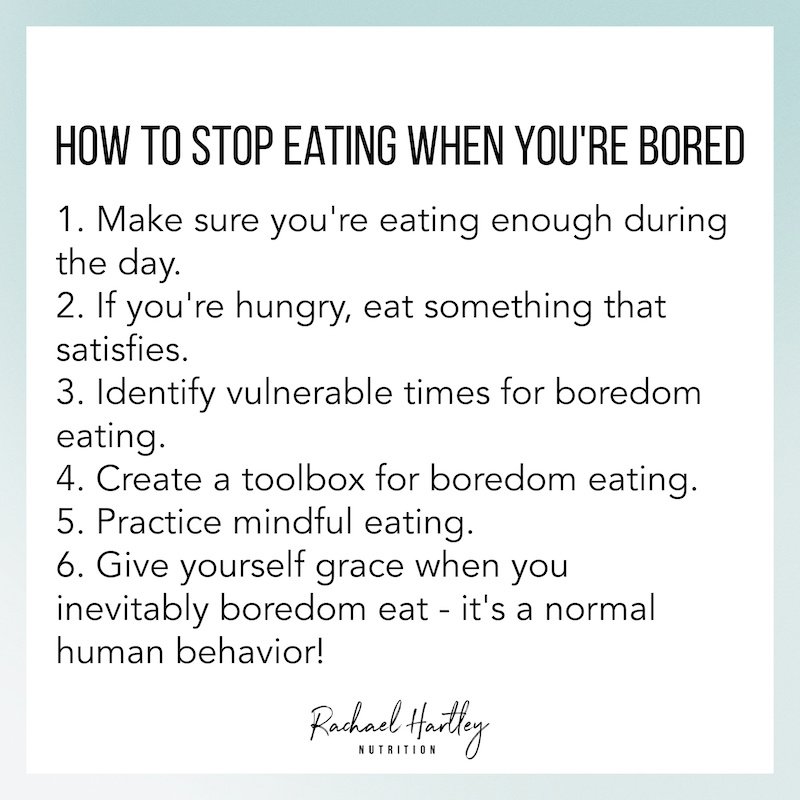
Identifying the Reason for Bored Eating
Understanding the concept of bored eating
Bored eating refers to the habit of eating when not physically hungry but rather out of boredom or as a means of distraction or comfort. It is a common behavior that can lead to overeating and weight gain if not properly addressed. Recognizing the concept of bored eating is the first step in developing healthier eating habits.
Recognizing the triggers
To effectively tackle bored eating, it is essential to identify the triggers that prompt this behavior. Triggers can vary from person to person but commonly include boredom, stress, procrastination, loneliness, or even environmental factors such as the sight or smell of food. By becoming aware of these triggers, you can develop strategies to overcome them.
Examining emotional factors
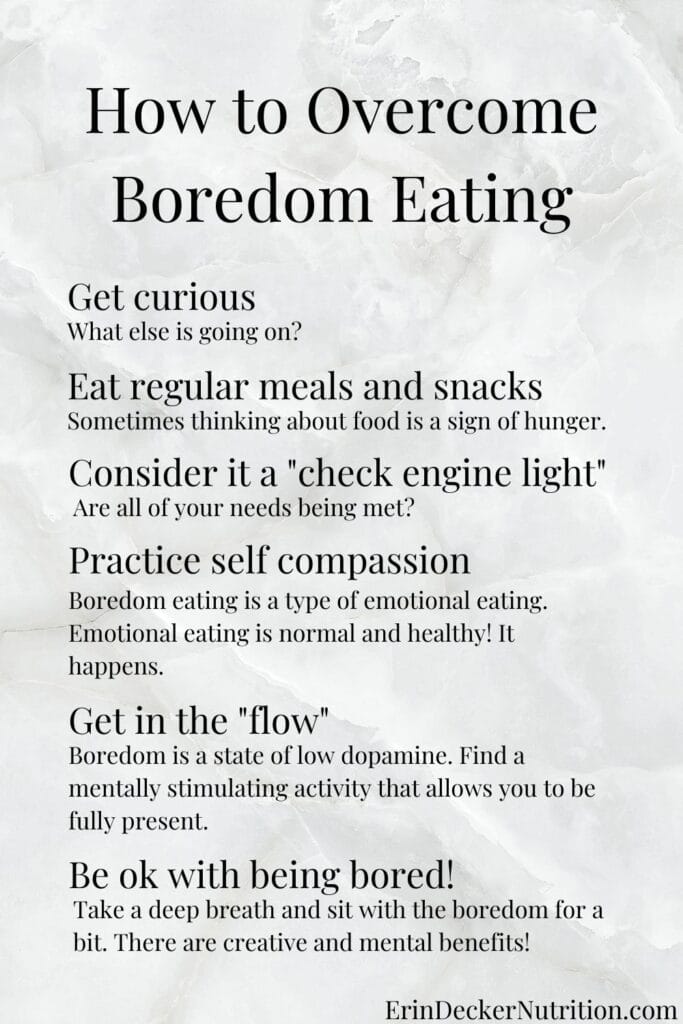
Bored eating often stems from emotional factors, such as feeling sad, anxious, or even happy. Many individuals turn to food as a way to cope with or enhance their emotions. By examining these emotional factors and finding alternative ways to address them, you can break the cycle of bored eating and develop healthier coping mechanisms.
Identifying external factors
External factors, such as the availability and accessibility of food, can also contribute to bored eating. Being surrounded by tempting snacks or having easy access to them can make it difficult to resist the urge to eat out of boredom. Identifying these external factors allows you to make conscious choices and create an environment that promotes healthy eating habits.
Adopting Mindful Eating Habits
Practicing mindful eating
One effective strategy to combat bored eating is practicing mindful eating. This involves paying attention to the present moment and fully experiencing each bite of food. By savoring the flavors, textures, and smells of your meals, you can increase satisfaction and reduce the urge to eat out of boredom.
Paying attention to satiety cues
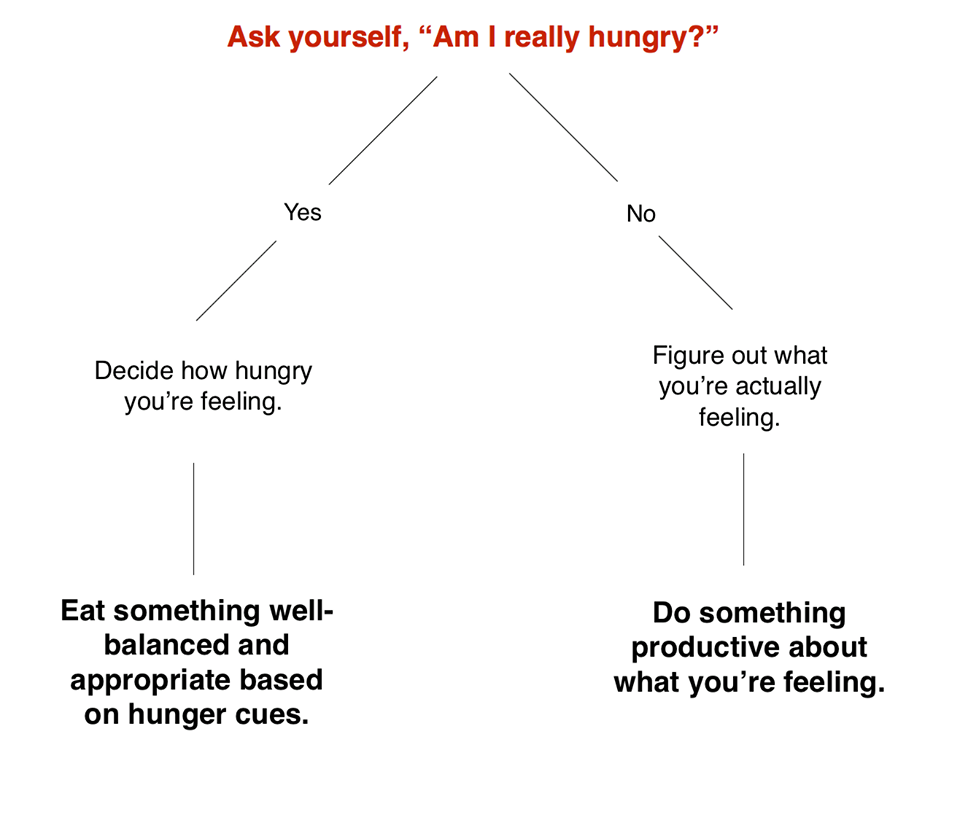
Another important aspect of mindful eating is tuning in to your body’s hunger and satiety cues. Eat until you feel comfortably full, rather than overeating out of habit or boredom. Learning to differentiate between physical hunger and emotional cravings can help you develop a healthier relationship with food.
Avoiding distractions during meals
Eating while distracted, such as watching TV or scrolling on your phone, can lead to mindless eating. When your attention is focused on something other than your meal, you may eat more than you realize. Avoiding distractions during meals allows you to fully enjoy your food and prevents overeating.
Engaging your senses while eating
Engaging your senses while eating can help you fully experience and appreciate your meals. Take the time to smell the aroma, admire the presentation, and savor the taste of the food. This not only enhances your enjoyment of the meal but also helps reduce the likelihood of turning to food out of boredom.
Discovering Healthy Snack Options
Exploring nutritious snack choices
When the urge to eat out of boredom strikes, it is important to have healthy snack options readily available. Stock your pantry and refrigerator with nutritious choices such as fresh fruits, vegetables, whole-grain crackers, or Greek yogurt. These snacks provide valuable nutrients and can help curb the boredom-induced cravings.
Preparing snacks in advance
To avoid reaching for unhealthy options in moments of boredom, consider preparing snacks in advance. Cut up fruits and vegetables and store them in portioned containers. Having these snacks readily available and easy to grab can deter you from mindlessly reaching for less nutritious alternatives.
Incorporating fruits and vegetables
Fruits and vegetables are not only nutritious but also satisfying. They are rich in fiber, water, and essential vitamins and minerals, which provide a feeling of fullness. Incorporating these foods into your snacks helps you stay satiated and prevents unnecessary boredom eating.
Opting for protein-rich snacks
Protein is known to promote satiety and can be a beneficial component of a snack to prevent boredom eating. Consider incorporating protein-rich options such as hard-boiled eggs, plain Greek yogurt, or a handful of nuts into your snack choices. These foods can help satisfy your hunger and keep you feeling fuller for longer.
Creating a Structured Meal Plan
Designing a balanced meal plan
Creating a structured meal plan can help prevent boredom eating by providing a sense of routine and structure. Design a meal plan that includes a variety of nutrient-dense foods from different food groups. Strive for a balance of carbohydrates, proteins, and healthy fats to ensure your body receives the necessary nutrients.
Including all essential nutrients
To prevent boredom eating, it is crucial to ensure that your meals provide all the essential nutrients your body needs to function optimally. Include a variety of colorful fruits and vegetables, lean proteins, whole grains, and healthy fats in your meals. This will not only satisfy your nutritional needs but also provide a wide range of flavors and textures, making meals more enjoyable.
Setting specific meal times
Establishing specific meal times can help regulate your eating habits and deter you from engaging in bored eating. By sticking to a consistent schedule, you create a routine that supports mindful eating and reduces the urge to eat out of boredom.
Planning for regular meals and snacks
In addition to having structured meal times, it is important to plan for regular meals and snacks throughout the day. This helps prevent extreme hunger and the subsequent likelihood of overeating or reaching for unhealthy snack options. By fueling your body regularly, you reduce the risk of succumbing to boredom eating due to low energy levels.
Engaging in Alternative Activities
Finding enjoyable hobbies
Instead of turning to food when bored, find alternative activities that bring you joy and fulfillment. Engaging in hobbies such as reading, painting, gardening, or playing a musical instrument not only distracts you from boredom but also brings a sense of accomplishment and satisfaction.
Participating in physical activities
Physical activities offer numerous benefits, including stress reduction and mood enhancement. Instead of reaching for a snack when bored, consider going for a walk, bike ride, or engaging in a workout routine. Physical activity not only promotes a healthier lifestyle but also provides a productive way to combat boredom.
Engaging in creative outlets
Creativity can be an excellent outlet for handling boredom and preventing mindless eating. Try writing, drawing, knitting, or any other creative activity that appeals to you. Engaging in these activities not only helps pass the time but also stimulates your mind and fosters a sense of accomplishment.
Connecting with others
Socializing with family and friends can help combat boredom and alleviate the urge to eat out of boredom. Plan social activities, such as game nights, movie marathons, or outings with loved ones. By surrounding yourself with positive company, you create a supportive environment that promotes healthier ways of spending your time.
Managing Stress and Emotional Well-being
Developing stress management techniques
Stress is a common trigger for bored eating. Developing effective stress management techniques can help prevent turning to food for comfort. Consider engaging in activities such as deep breathing exercises, meditation, yoga, or journaling to reduce stress levels and mitigate the urge to eat out of boredom.
Seeking support and counseling
If boredom eating is causing significant distress or interfering with your overall well-being, it is important to seek support and counseling. A mental health professional can provide guidance and help you develop strategies to address the underlying emotional factors contributing to this behavior.
Practicing relaxation exercises
Incorporating relaxation exercises into your daily routine can help reduce boredom-induced eating. Activities such as taking a warm bath, listening to calming music, or practicing guided meditation can provide relaxation and promote a healthier relationship with food.
Nurturing mental and emotional health
Taking care of your mental and emotional health is crucial in preventing bored eating. Engage in self-care activities that make you feel good, such as practicing gratitude, getting enough sleep, or spending time in nature. Nurturing your overall well-being can significantly reduce the likelihood of turning to food out of boredom.

Building a Supportive Environment
Communicating with family and friends
Creating a supportive environment starts with effective communication. Communicate your goals and intentions to your family and friends, explaining why you want to stop bored eating. By involving them in your journey, they can provide support, encouragement, and accountability.
Creating an organized and clean space
An organized and clean space can positively impact your overall mindset and encourage healthier habits. Take the time to declutter your living area and create an environment that promotes relaxation and focus. This harmonious space can help prevent distractions that often lead to bored eating.
Eliminating tempting food triggers
To prevent succumbing to bored eating, it is essential to eliminate tempting food triggers from your environment. Clear your pantry and refrigerator of unhealthy snacks or opt for healthier alternatives. By removing the temptations, you reduce the likelihood of impulsive snacking out of boredom.
Encouraging healthy eating habits
Building a supportive environment also involves encouraging healthy eating habits among your family and friends. Share nutritious recipes, cook together, or plan meals as a group. When those around you prioritize healthy eating, it becomes easier to break free from the cycle of bored eating and adopt healthier habits together.
Mindful Grocery Shopping and Meal Preparation
Making conscious food choices
Mindful grocery shopping is an important step in stopping bored eating. Prioritize whole, unprocessed foods and consciously choose nutritious options. Avoid purchasing foods solely for the purpose of snacking out of boredom. By making conscious choices at the grocery store, you set the stage for healthier eating habits.
Reading food labels and nutritional information
When grocery shopping, take the time to read food labels and understand the nutritional information. Familiarize yourself with serving sizes, calories, and ingredient lists. This empowers you to make informed decisions about the foods you consume and helps prevent mindless snacking.
Planning and preparing meals ahead of time
Meal planning and preparation can save time and prevent last-minute decisions that may lead to eating out of boredom. Set aside a specific time each week to plan your meals, create a shopping list, and prepare meals in advance. Having pre-prepared meals readily available reduces the likelihood of turning to unnecessary snacks.
Avoiding impulse purchases
Impulse purchases often lead to unhealthy snack choices that contribute to bored eating. Avoid shopping while hungry and stick to your pre-planned grocery list. By avoiding impulsive purchases, you reduce the temptation and availability of unhealthy snacks in your pantry.
Tracking and Monitoring Eating Patterns
Keeping a food diary or journal
Keeping a food diary or journal can provide valuable insights into your eating patterns and help identify triggers for bored eating. Record your meals and snacks, including the time, emotions, and circumstances surrounding each instance of eating. This detailed record allows you to analyze your behaviors and make necessary adjustments.
Analyzing eating habits and triggers
Regularly analyze your eating habits and the triggers that lead to bored eating. Look for patterns and commonalities among situations when overeating occurs. By identifying these triggers, you can develop specific strategies to overcome them and replace them with healthier coping mechanisms.
Setting goals for improvement
Setting achievable goals for improvement is crucial in the journey of stopping bored eating. Start with small, manageable steps and gradually increase the difficulty level. Whether it’s reducing the number of snacks consumed in a week or finding alternative activities to combat boredom, set goals that align with your desires and motivations.
Seeking professional guidance if needed
If you find it challenging to break free from the cycle of bored eating on your own, don’t hesitate to seek professional guidance. A registered dietitian or therapist can provide personalized support and guidance to help you develop a healthier relationship with food and overcome bored eating habits.
Conclusion
Reflecting on your personal journey in overcoming bored eating is essential. Celebrate your achievements and acknowledge the progress you have made. Applying the strategies outlined in this article, such as practicing mindful eating, finding alternative activities, managing stress, and building a supportive environment, allows you to foster a healthier relationship with food. By committing to a proactive approach and adopting healthier habits, you can successfully stop bored eating, embrace mindful eating, and experience a positive transformation in your overall well-being.
How To Stop Being A Picky Eater

Do you find yourself always picking at your food, only eating certain types of foods, and avoiding new things? Being a picky eater can be frustrating and limiting, but don’t worry, there are ways to overcome it and expand your culinary horizons. In this article, we’ll explore how to stop being a picky eater and discover new foods that you might just fall in love with.
Being a picky eater is not uncommon, and it often stems from certain triggers or aversions that we have developed over time. It could be the texture of certain foods, a fear of trying something new, or even a dislike for certain flavors. However, by understanding the root cause of your picky eating habits, you can start taking steps towards overcoming them. From gradually introducing new foods into your diet to experimenting with different cooking methods and flavors, we’ll delve into various strategies that can help you expand your palate and embrace a wider range of foods. So, if you’re tired of always sticking to the same old meals and want to discover a whole world of delicious options, keep reading to learn more in this article about how to stop being a picky eater.
How To Stop Being A Picky Eater
Understanding Picky Eating
What is picky eating?
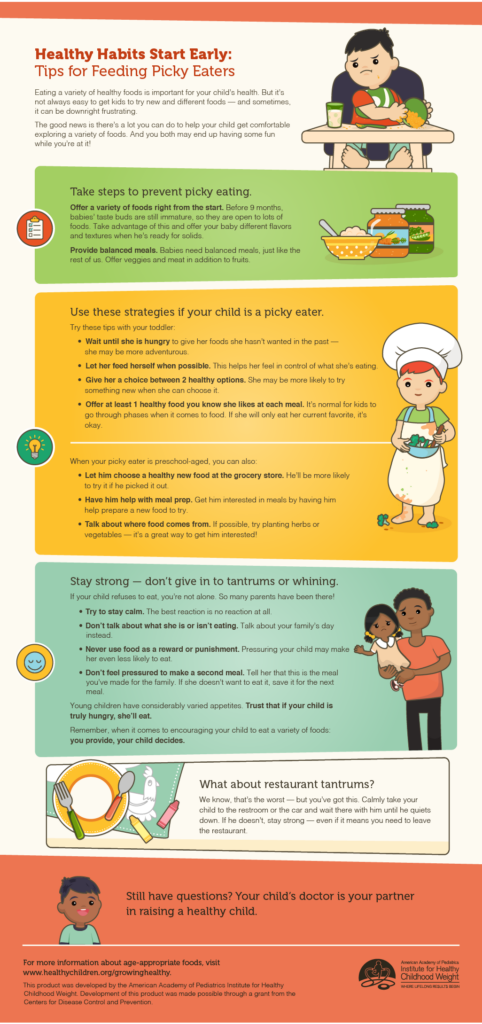
Picky eating refers to the selective or limited consumption of certain foods. It is a common behavior often found in children, but it can also persist into adolescence and adulthood. Picky eaters often have a strong preference for certain foods and may refuse to try new ones, making it challenging to maintain a diverse and balanced diet.
Common causes of picky eating
There are various factors that can contribute to picky eating habits. It is important to understand these causes in order to effectively address and overcome picky eating. Some common causes include:
- Sensory issues: Picky eaters may have heightened sensitivity to certain textures, tastes, or smells of foods, which leads to aversions and limited food choices.
- Control and independence: Picky eating can also be a way for individuals to exert control and assert their independence, especially in young children.
- Family dynamics: The home environment, including parental feeding practices and family food routines, can play a role in shaping a child’s eating habits.
- Negative food experiences: Unpleasant experiences with specific foods, such as choking or food poisoning, can create aversions and reluctance to try new foods.
- Limited exposure to new foods: Lack of exposure to a wide variety of foods during early childhood can contribute to the development of picky eating habits.
- Genetic factors: Picky eating tendencies may have a genetic component, with some individuals being inherently more sensitive to tastes and textures.
Impact of picky eating on health
Picky eating can have significant implications for health and well-being. When individuals consistently avoid certain food groups or essential nutrients, they may miss out on important vitamins, minerals, and macronutrients. This can lead to deficiencies and negatively impact overall health, growth, and development.
Furthermore, picky eaters often have a limited palate, which can restrict their enjoyment of meals and social experiences involving food. They may also experience stress and anxiety around eating, leading to a disordered relationship with food. Therefore, addressing picky eating habits is crucial for promoting a diverse and nutritious diet.
Recognizing Your Habits
Identifying your food preferences
Start by becoming aware of your personal food preferences. Take note of the types of foods you naturally gravitate towards and enjoy eating. Understanding your preferences can help you identify patterns and preferences that contribute to picky eating habits.
Understanding your food aversions
Similarly, it is important to recognize and understand your food aversions. Take note of the specific textures, tastes, or smells that you find unappealing or off-putting. Identifying these aversions can help you work through them and gradually expand your food choices.
Recognizing the extent of your picky eating
Take a moment to assess the extent of your picky eating habits. Consider how often you find yourself avoiding certain foods or feeling limited in your choices. Recognizing the extent of your picky eating can motivate you to make positive changes and seek help if necessary.
Exploring the Root Causes
Early childhood experiences and picky eating
Early childhood experiences play a significant role in shaping our eating habits. If you were not exposed to a wide variety of foods during your formative years, you may have developed picky eating tendencies. Reflecting on your early experiences with food can help you understand and address any underlying issues.
Genetic factors and picky eating
Genetic factors can also contribute to picky eating habits. Some individuals may have a heightened sensitivity to tastes, textures, or smells, making it more challenging for them to try new foods. While genetics play a role, it is important to remember that it is still possible to overcome picky eating through gradual exposure and experimentation.
Psychological factors and picky eating
Psychological factors, such as anxiety or control issues, can contribute to picky eating habits. For example, if you associate certain foods with negative emotions or experiences, you may develop aversions and avoidance behaviors. Understanding and addressing these psychological factors can be an important step in overcoming picky eating.
Overcoming Fear of New Foods
Gradual exposure to new foods
One of the most effective ways to overcome picky eating is through gradual exposure to new foods. Start by including small portions of unfamiliar foods in your meals. Try to approach these new foods with an open mind and a willingness to explore different flavors and textures.
Understanding food textures and flavors
Understanding food textures and flavors can help you overcome aversions and expand your food choices. Experiment with different cooking methods to alter the texture of certain foods. For example, if you dislike the taste or texture of boiled vegetables, try roasting or grilling them for a different taste experience.
Experimenting with different cooking methods
Similarly, experimenting with different cooking methods can help you discover new flavors and enhance the enjoyment of certain foods. For example, if you don’t enjoy steamed fish, try baking or poaching it with herbs and spices to add flavor and variety.

Understanding Nutritional Needs
Importance of balanced nutrition
A balanced diet is crucial for overall health and well-being. Understanding the importance of balanced nutrition can motivate you to overcome picky eating habits. Remember that a variety of foods from different food groups is necessary to ensure you are getting the essential nutrients your body needs.
Essential nutrients for optimal health
Familiarize yourself with the essential nutrients your body requires for optimal health. This includes macronutrients such as carbohydrates, proteins, and fats, as well as micronutrients like vitamins and minerals. Knowing the benefits of these nutrients can help you appreciate the value of a diverse and nutritious diet.
Building a well-rounded meal plan
Creating a well-rounded meal plan is an effective way to ensure you are meeting your nutritional needs. Include a variety of fruits, vegetables, whole grains, lean proteins, and healthy fats in your meals. Be adventurous and incorporate new foods into your meal plan to expand your culinary horizons.
Developing Healthy Eating Habits
Creating a structured meal schedule
Establishing a structured meal schedule can help promote regular eating habits and reduce snacking or grazing on unhealthy foods. Plan and prepare your meals in advance, ensuring they include a balance of nutrients. This will help you maintain a consistent and varied diet.
Mindful eating for picky eaters
Practicing mindful eating can be particularly effective for picky eaters. Slow down and pay attention to the tastes, smells, and textures of the food you are eating. Be fully present during meals, savoring each bite and appreciating the nourishment it provides.
Incorporating variety in your diet
Make an effort to incorporate variety in your diet. Challenge yourself to try new foods regularly, even if it’s something you haven’t enjoyed in the past. You may discover that your taste preferences have changed over time, and you may develop a newfound appreciation for different foods.

Getting Support
Seeking professional help
If you find that your picky eating habits are significantly impacting your quality of life or overall health, consider seeking professional help. A registered dietitian or therapist who specializes in disordered eating can provide guidance and support tailored to your specific needs.
Joining support groups or online communities
Connecting with others who are also working to overcome picky eating can provide a sense of community and encouragement. Joining support groups or online communities can offer a space to share experiences, exchange tips, and receive support from others on a similar journey.
Sharing your goals with friends and family
Let your friends and family know about your goal to overcome picky eating. By sharing your goals, you can gain support and understanding from your loved ones. They may also be able to offer suggestions or even introduce you to new foods or recipes that they enjoy.
Making Mealtime Enjoyable
Creating a pleasant eating environment
Make mealtime a pleasant and enjoyable experience. Set a welcoming table, play soothing music, or engage in conversation with loved ones. Creating a positive eating environment can help reduce stress or anxiety around food and make trying new foods a more enjoyable experience.
Incorporating favorite foods in new ways
If you have favorite foods that you rely on heavily, consider finding new and creative ways to incorporate them into your meals. For example, if you enjoy pasta, try adding a variety of vegetables to make it more colorful and nutritious. This allows you to enjoy familiar flavors while still expanding your palate.
Exploring cultural cuisines to expand palate
Exploring different cultural cuisines can be a delightful way to expand your palate and try new foods. Each culture has its own unique flavors, ingredients, and cooking techniques. Be adventurous and explore the diverse array of dishes available, allowing yourself to experience the rich tapestry of global cuisine.

Setting Realistic Goals
Breaking down challenges into manageable steps
Overcoming picky eating is a process that takes time and patience. Break down the challenges into manageable steps. Start with small goals, such as trying one new food each week, and gradually increase the difficulty as you become more comfortable with exploring new flavors and textures.
Celebrating small victories
Celebrate every small victory along the way. Acknowledge and appreciate your progress, no matter how small it may seem. Celebrating your achievements will help you stay motivated and positive throughout your journey to overcome picky eating habits.
Tracking progress and making adjustments
Keep track of your progress and make adjustments as needed. Reflect on the foods you have tried, whether you enjoyed them, and how they made you feel. This self-reflection will help you identify patterns and preferences, enabling you to make informed decisions about your dietary choices.
Conclusion
Embracing a more diverse and nutritious diet is a journey that requires patience and persistence. By understanding the root causes of picky eating, gradually exposing yourself to new foods, and prioritizing balanced nutrition, you can overcome your picky eating habits and improve your overall well-being. Remember to seek support from professionals and loved ones, create an enjoyable eating environment, and set realistic goals. With dedication and an open mind, you can successfully stop being a picky eater and embark on a lifelong journey towards healthier habits.
Stop Eating Junk Food

Are you tired of feeling sluggish and unhealthy? Do you find yourself constantly reaching for unhealthy snacks and junk food? Well, it’s time to make a change! In this article, we’ll discuss the importance of ditching junk food and adopting a healthier diet. By making this small change, you’ll be amazed at how much better you feel both physically and mentally.
Let’s face it, we all love the convenience of junk food. It’s quick, it’s tasty, and it satisfies those cravings in an instant. But have you ever stopped to think about the long-term effects it has on your body? Consuming junk food regularly can lead to weight gain, high cholesterol, and an increased risk of chronic diseases such as heart disease and diabetes. So, it’s time to take control of your diet and choose nourishing foods that will fuel your body the right way.
In this article, we’ll explore the negative impacts of junk food on your health and provide you with some practical tips on how to break free from its hold. From understanding the power of cravings to finding healthier alternatives, we’ll equip you with the tools you need to overcome junk food addiction and start living a healthier lifestyle. So, stay tuned to learn more about how you can stop eating junk food and start nourishing your body.
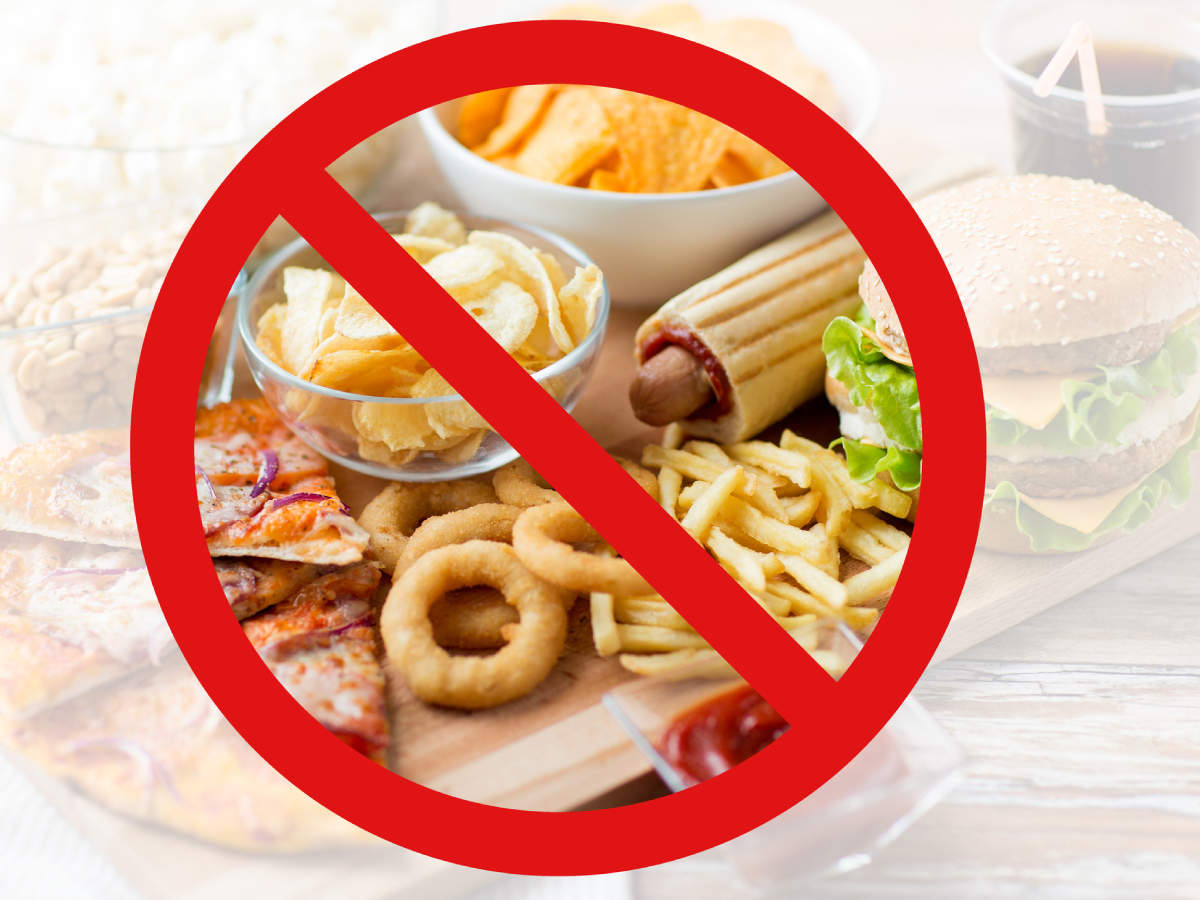
Stop Eating Junk Food
Eating junk food has become a common habit for many people, especially in today’s fast-paced society. It may seem convenient and tasty, but the consequences of consuming junk food go far beyond what meets the eye. In this article, we will explore the various risks associated with junk food consumption and provide strategies for avoiding it. By understanding the negative impacts and making informed choices, you can take steps towards a healthier lifestyle.
The Consequences of Junk Food Consumption
Weight gain and obesity
One of the most evident consequences of indulging in junk food is weight gain and obesity. These foods are often high in calories, sugar, and unhealthy fats, all of which contribute to excess weight gain. Regularly consuming junk food can lead to a caloric surplus, meaning you consume more calories than your body needs. This surplus results in weight gain over time, leading to obesity.
Increased risk of chronic diseases
Consuming junk food on a regular basis can also increase your risk of developing chronic diseases. The high amounts of added sugars, unhealthy fats, and processed ingredients in junk food can contribute to conditions such as heart disease, high blood pressure, and diabetes. These chronic diseases have become prevalent in today’s society, and reducing junk food consumption is a crucial step in preventing their onset.
Negative impact on mental health
While the physical consequences of junk food consumption are widely known, its impact on mental health is often overlooked. Studies have shown that a diet high in processed foods and low in essential nutrients can contribute to mental health conditions such as depression and anxiety. The lack of vital nutrients and the negative effects of processed ingredients on the brain can lead to mood swings, lethargy, and decreased overall mental well-being.
Understanding Junk Food
Definition and characteristics of junk food
Junk food refers to highly processed foods that are typically high in calories, sugar, unhealthy fats, and sodium. These foods lack nutritional value and often contain artificial additives, preservatives, and flavor enhancers. Examples of junk food include sugary beverages, fast food, chips, cookies, candy bars, and processed snacks.
Common examples of junk food
It is essential to be aware of the common examples of junk food to avoid falling into the habit of consuming them regularly. Some common examples include soda, pizza, hamburgers, french fries, donuts, ice cream, and packaged snacks like potato chips and cookies. These foods are widely available and heavily marketed, making them easily accessible and tempting.
The Addictive Nature of Junk Food
Effect of processed ingredients on the brain
Processed ingredients found in junk food can have an addictive effect on the brain. These ingredients, such as artificial sweeteners, flavor enhancers, and preservatives, stimulate the reward centers in the brain, leading to cravings and a desire for more. Over time, this can create a cycle of dependence on junk food, making it challenging to break free from unhealthy eating habits.
Sugar and salt addiction
Junk food is often loaded with excessive amounts of sugar and salt, both of which can be addictive substances. Sugar stimulates the release of dopamine in the brain, providing a temporary feeling of pleasure and satisfaction. Similarly, salt activates the brain’s reward system, enticing you to consume more salty foods. These addictive properties of sugar and salt can make it difficult to resist the temptation of junk food.
Marketing tactics employed by junk food companies
Junk food companies use various marketing tactics to entice consumers and create a sense of desire for their products. Colorful packaging, catchy slogans, and commercials targeting specific age groups can influence our buying decisions. It is essential to recognize these tactics and be mindful of the harmful effects of junk food to resist these marketing strategies.
Health Risks Associated with Junk Food Consumption
Cardiovascular diseases
Consuming junk food regularly can have severe consequences on cardiovascular health. The excessive intake of unhealthy fats and added sugars can contribute to the development of high cholesterol levels and an increased risk of heart disease. Over time, the buildup of cholesterol can lead to plaque formation in the arteries, narrowing them and impeding blood flow, ultimately putting a strain on the heart.
Type 2 diabetes
Junk food consumption is closely associated with an increased risk of developing type 2 diabetes. The high sugar content in junk food causes blood sugar spikes, forcing the pancreas to produce more insulin regularly. Over time, this can lead to insulin resistance, a condition in which the body’s cells become less responsive to insulin, resulting in elevated blood sugar levels and the development of diabetes.
Cancer risks
Several studies have linked the consumption of junk food to an increased risk of certain types of cancers, such as colorectal, breast, and pancreatic cancer. The high content of unhealthy fats and processed ingredients found in junk food can promote inflammation in the body, contributing to the development and progression of cancer cells.
Poor nutrient intake and deficiencies
Junk food is often nutritionally empty, meaning it lacks essential nutrients such as vitamins, minerals, and fiber. Regular consumption of junk food can lead to poor nutrient intake, which can result in deficiencies and imbalances in the body. This can weaken the immune system, impair growth and development, and increase the risk of various health problems.
The Link Between Junk Food and Poor Eating Habits
Impact on appetite regulation
Consuming junk food can disrupt the body’s natural appetite regulation mechanism. These foods are highly palatable and often designed to bypass the body’s satiety signals, leading to overeating. The excessive calorie intake from junk food can override the body’s ability to regulate hunger and fullness cues accurately.
Disruption of natural hunger cues
Junk food can also disrupt natural hunger cues. The high sugar content in these foods can cause blood sugar fluctuations, leading to cravings and irregular hunger patterns. Additionally, the lack of essential nutrients in junk food can leave the body malnourished and constantly searching for nourishment, resulting in persistent feelings of hunger.
Cycle of craving and overconsumption
Regular consumption of junk food can create a vicious cycle of craving and overconsumption. The addictive nature of junk food, coupled with its impact on appetite regulation and natural hunger cues, can lead to a constant desire for these unhealthy foods. This cycle can make it challenging to maintain a balanced and nutritious diet.
Benefits of Cutting Out Junk Food
Weight loss and improved body composition
One of the significant advantages of cutting out junk food is weight loss and improved body composition. By eliminating calorie-dense, nutritionally empty foods, you can create a calorie deficit and promote weight loss. Adopting a diet rich in whole, unprocessed foods can also help build lean muscle mass and improve body composition.
Reduced risk of chronic diseases
Changing your eating habits to exclude junk food can significantly reduce your risk of developing chronic diseases. A diet focused on whole, nutritious foods provides essential nutrients, antioxidants, and fiber that support optimal health. By consuming a variety of fruits, vegetables, lean proteins, and whole grains, you can decrease your chances of developing conditions such as heart disease, type 2 diabetes, and certain types of cancer.
Better mental well-being
Eating a healthy diet that excludes junk food can also have a positive impact on your mental well-being. Whole, unprocessed foods provide essential nutrients that support brain health and help regulate mood. By nourishing your body with the nutrients it needs, you can improve your overall mental health, reduce feelings of anxiety and depression, and promote a more positive outlook on life.
Improved energy levels
Cutting out junk food and focusing on whole, nutritious foods can improve your energy levels. Junk food, high in refined sugar and unhealthy fats, can lead to energy crashes and lethargy. On the other hand, a balanced diet consisting of complex carbohydrates, lean proteins, and healthy fats provides a steady source of energy and promotes sustained vitality throughout the day.
Strategies for Avoiding Junk Food
Meal planning and preparation
One effective strategy for avoiding junk food is meal planning and preparation. By planning your meals ahead of time, you can ensure that you have healthy and nutritious options readily available. Prepare meals in advance, pack your lunch for work, and have healthy snacks on hand to avoid the temptation of reaching for junk food when hunger strikes.
Creating a healthy grocery list
Another helpful strategy is creating a healthy grocery list. Before heading to the grocery store, make a list of nutrient-dense foods such as fruits, vegetables, lean proteins, whole grains, and healthy fats. Stick to your list while shopping and avoid the aisles where junk food is prominently displayed. Shopping with a plan helps you make intentional choices and avoid impulsive purchases.
Identifying and avoiding food triggers
Recognizing your food triggers and finding alternatives can significantly aid in avoiding junk food. Whether it’s stress, boredom, or emotional eating, identify the triggers that lead you to reach for unhealthy snacks. Instead of turning to junk food, find healthier alternatives such as going for a walk, practicing relaxation techniques, or indulging in a hobby.
Healthy Alternatives to Junk Food
Choosing whole, unprocessed foods
When cutting out junk food, it is essential to replace it with healthier alternatives. Opt for whole, unprocessed foods such as fruits, vegetables, lean proteins, whole grains, and healthy fats. These foods are packed with essential nutrients, fiber, and antioxidants that promote optimal health and satiety.
Snacking on fruits and vegetables
Snacking is often associated with reaching for processed and unhealthy options. Instead, swap those snacks for fruits and vegetables. These foods are low in calories, rich in vitamins and minerals, and provide a satisfying crunch. Carry portable snacks like carrot sticks, apple slices, or cherry tomatoes to have a healthy option readily available when hunger strikes.
Incorporating nutritious spices and herbs
Spices and herbs not only add flavor to your meals but can also provide nutritional benefits. Replace high-sodium condiments and sauces with herbs and spices like turmeric, ginger, garlic, and cinnamon. These aromatic additions enhance the flavor of your dishes while providing antioxidants and anti-inflammatory properties.
Developing Sustainable Healthy Eating Habits
Embracing a balanced and varied diet
To maintain a sustainable healthy eating habit, it is crucial to embrace a balanced and varied diet. Include a wide variety of foods from all food groups, ensuring you get all the essential nutrients your body needs. Diversifying your diet not only provides a range of nutrients but also adds excitement and pleasure to your meals.
Practicing mindful eating
Mindful eating is a practice that involves paying attention to your food, savoring each bite, and listening to your body’s hunger and fullness cues. By slowing down and being present during meal times, you can better appreciate the flavors, textures, and nourishment that food provides. This mindful approach can help you make conscious choices, avoid overeating, and truly enjoy your meals.
Seeking support and accountability
Developing sustainable healthy eating habits can be challenging without support and accountability. Consider seeking support from friends, family, or joining community groups or online communities that share similar goals. Having a support system can provide motivation, encouragement, and a sense of accountability as you strive to change your unhealthy eating habits.
Conclusion
As we have explored in this article, the consequences of junk food consumption are far-reaching and extend beyond mere weight gain. The risks associated with junk food, including increased rates of obesity, chronic diseases, and negative impacts on mental health, are significant. However, by understanding the addictive nature of junk food, the health risks it poses, and the benefits of cutting it out, you can work towards a healthier lifestyle.
Strategies such as meal planning, creating a healthy grocery list, and identifying food triggers can help you avoid the temptation of junk food. Incorporating healthy alternatives, including whole, unprocessed foods, fruits, and vegetables, can nourish and satisfy your cravings while providing essential nutrients. Developing sustainable healthy eating habits, such as embracing balance, practicing mindful eating, and seeking support, sets the foundation for long-term success.
Remember, it’s never too late to make a change. By choosing to stop eating junk food, you are taking a significant step towards improving your overall health and well-being.
Curbing Sugar Cravings

Have you ever found yourself uncontrollably reaching for that extra piece of cake or grabbing a sugary snack to satisfy your cravings? We’ve all been there! The temptation to indulge in sweet treats can be hard to resist, but luckily, there are ways to curb those sugar cravings. In this article, we’ll delve into the topic of curbing sugar cravings and explore some healthy alternatives that will satisfy your sweet tooth without derailing your healthy eating goals. Whether you’re looking to cut back on sugar for weight loss or simply want to improve your overall well-being, you’ll find some helpful tips and tricks that will make the process a breeze.
Now, let’s dive into the world of curbing sugar cravings! We all know that consuming excessive amounts of sugar can have negative effects on our health, from weight gain to an increased risk of chronic diseases. However, avoiding sugar altogether can often feel like an impossible task, especially when those cravings kick in. But fear not! There are simple strategies you can incorporate into your daily routine to outsmart your sweet tooth. From choosing nutrient-dense foods to incorporating natural sweeteners into your recipes, you’ll learn how to navigate the world of sugar cravings without feeling deprived. So, come join us as we explore the wonderful world of healthier eating and discover how you can curb those pesky sugar cravings for good!
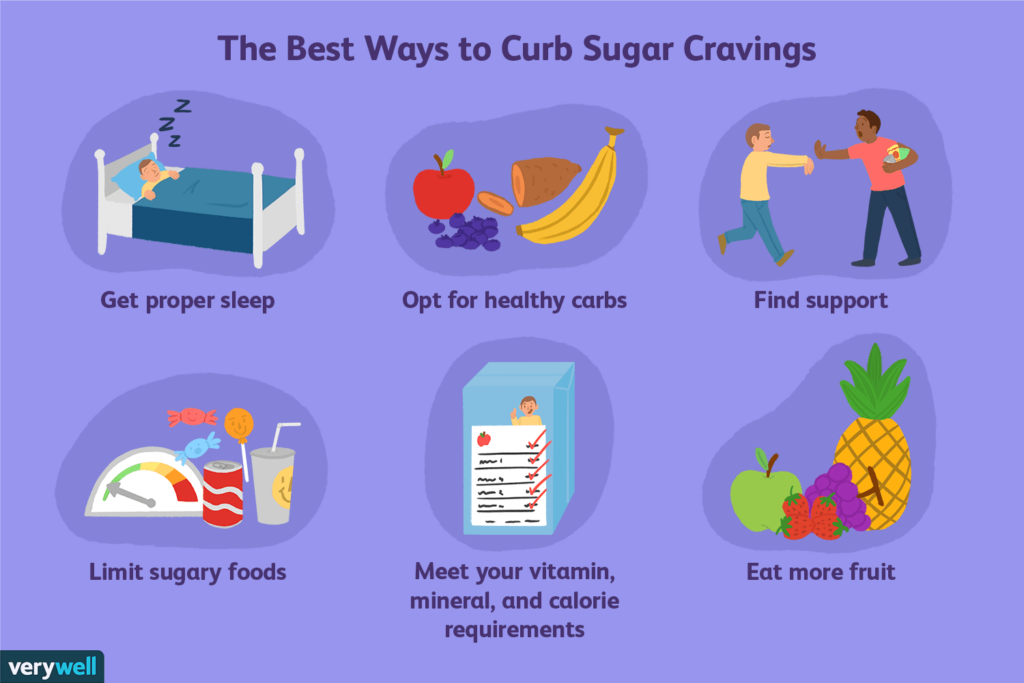
Curbing Sugar Cravings
Introduction
We’ve all experienced those irresistible sugar cravings that seem impossible to resist. The sudden desire for something sweet can be difficult to ignore, but understanding why these cravings occur and their effects on our health is crucial. In this article, we will delve into the world of sugar cravings, exploring the reasons behind them, the negative impact they can have on our well-being, and most importantly, providing practical tips and alternatives to help you curb those cravings and lead a healthier lifestyle.
Understanding Sugar Cravings
What are sugar cravings?
Sugar cravings refer to the intense desire or urge to consume foods that are high in sugar content. These cravings can be characterized by a strong yearning for sweets, such as chocolate, cookies, cakes, or sugary beverages. They often lead to the consumption of excessive amounts of sugar, which can have detrimental effects on our health.
Why do we crave sugar?
Several factors contribute to the occurrence of sugar cravings. While the exact mechanisms are still not fully understood, research suggests that both biological and psychological factors play a significant role.
Biologically, our bodies are wired to seek out sweet flavors. Sugar consumption triggers the release of feel-good hormones, such as dopamine, in the brain, creating a sense of pleasure and reward. This biological response can lead to cravings for more sugary foods.
Psychologically, sugar cravings can be influenced by our emotions and stress levels. Many people turn to sugary treats as a form of comfort or to alleviate negative emotions. Furthermore, stress can increase cravings for sugar by raising cortisol levels, a hormone that affects appetite and food preferences.
Effects of sugar cravings on health
While indulging in occasional sweet treats is a normal part of life, excessive sugar consumption can have serious consequences for our health. Here are some of the potential negative effects of giving in to sugar cravings:
Weight gain and obesity
Consuming high amounts of sugar contributes to weight gain and obesity. Sugary foods are often calorie-dense and lack essential nutrients, leading to excessive calorie intake without providing the necessary vitamins and minerals our bodies need. These empty calories can quickly add up and contribute to an unhealthy increase in body weight.
Increased risk of chronic diseases
Research has shown that excessive sugar consumption is associated with an increased risk of chronic diseases such as type 2 diabetes, cardiovascular disease, and certain types of cancer. Diets high in sugar can lead to insulin resistance, inflammation in the body, and metabolic dysfunctions, all of which are risk factors for these diseases.
Dental problems
Frequent consumption of sugary foods and beverages can wreak havoc on our oral health. The bacteria in our mouths feed on sugar, producing acids that erode tooth enamel and lead to tooth decay. Additionally, sugary snacks that stick to our teeth for longer periods, like caramels or gummies, increase the risk of cavities.
Factors Contributing to Sugar Cravings
Understanding the various factors that contribute to sugar cravings can help us address these cravings more effectively. Let’s explore the biological, psychological, and social factors that influence our desire for sugar.
Biological factors
Our biological makeup plays a significant role in our cravings for sugar. Evolutionarily, our ancestors relied on sweet foods for survival, as they often signaled the presence of ripe fruits that were safe to eat and provided a readily available source of energy. This innate preference for sweetness has carried forward to present-day humans.
Furthermore, the brain’s reward system, specifically the release of dopamine, reinforces our cravings for sugar. When we consume sugar, our brain associates the sweet taste with pleasure and reward, creating a feedback loop that encourages further consumption.
Psychological factors
Sugar cravings can also be influenced by our emotions and psychological state. Many people turn to sugary snacks as a form of self-soothing or to alleviate stress. The pleasurable taste of sugar can provide temporary comfort and distraction from negative emotions, leading to a cycle of emotional eating.
Moreover, restrictive or overly strict diets that completely eliminate sweets can paradoxically increase sugar cravings. When a particular food is labeled as off-limits, it tends to become more desirable, and the temptation to indulge becomes harder to resist.
Social factors
Our environment and social settings can significantly impact our sugar cravings. Social gatherings, celebrations, and cultural or family traditions often revolve around sweet foods. Peer pressure, advertising, and easy accessibility to sugary snacks can further reinforce our desire for sugar. Additionally, the presence of others consuming sugary treats can trigger cravings and make it more difficult to resist temptation.
Negative Effects of Excessive Sugar Consumption
Weight gain and obesity
Consuming high amounts of sugar contributes to weight gain and obesity. Sugary foods are often calorie-dense and lack essential nutrients, leading to excessive calorie intake without providing the necessary vitamins and minerals our bodies need. These empty calories can quickly add up and contribute to an unhealthy increase in body weight.
Increased risk of chronic diseases
Research has shown that excessive sugar consumption is associated with an increased risk of chronic diseases such as type 2 diabetes, cardiovascular disease, and certain types of cancer. Diets high in sugar can lead to insulin resistance, inflammation in the body, and metabolic dysfunctions, all of which are risk factors for these diseases.
Dental problems
Frequent consumption of sugary foods and beverages can wreak havoc on our oral health. The bacteria in our mouths feed on sugar, producing acids that erode tooth enamel and lead to tooth decay. Additionally, sugary snacks that stick to our teeth for longer periods, like caramels or gummies, increase the risk of cavities.

Healthy Alternatives to Satisfy Sugar Cravings
Fruits and natural sweeteners
When the craving for something sweet strikes, opting for natural sources of sweetness can be a healthier choice. Fruits such as berries, melons, and apples are not only delicious but also rich in vitamins, minerals, and fiber. Their natural sugars are accompanied by beneficial nutrients that support overall well-being. Additionally, natural sweeteners like stevia or monk fruit extract can be used to enhance the taste of beverages or desserts without adding excessive calories.
Healthy snacks and desserts
Satisfying sugar cravings with healthier snack options can prevent overindulgence. Snacks such as nuts, seeds, Greek yogurt, or dark chocolate with a high cocoa content can provide a sweet and satisfying treat while offering nutritional benefits. Homemade desserts made with wholesome ingredients like whole grain flours, nuts, and fruits can also be a great way to enjoy a sweet treat without the guilt.
Mindful eating
Practicing mindful eating can help us become more aware of our cravings and make conscious choices. By paying attention to our hunger and satiety cues, we can better differentiate between true hunger and emotional cravings. Mindful eating involves savoring every bite, focusing on the taste and texture of food, and eating slowly, allowing our bodies to register fullness and satisfaction.
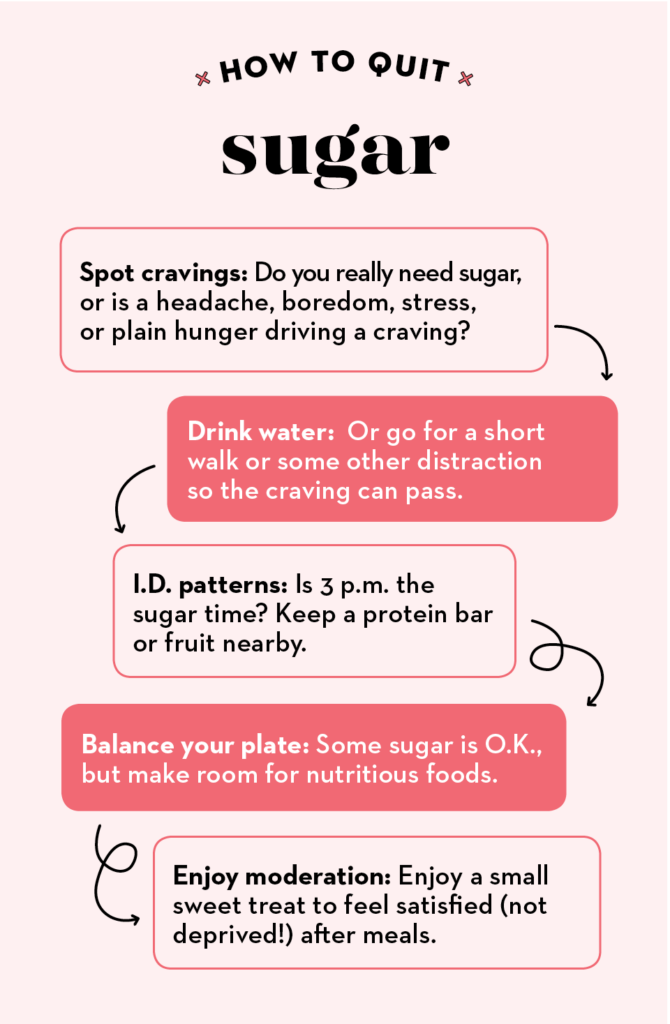
Creating a Balanced Diet
Importance of a balanced diet
Maintaining a balanced diet is crucial for overall health and well-being. A diet that includes a variety of nutrient-dense foods ensures that our bodies receive all the essential vitamins, minerals, and macronutrients they need to function optimally. By incorporating a balance of carbohydrates, proteins, and healthy fats, we can prevent nutrient deficiencies and support our body’s natural processes.
Macronutrient composition
Carbohydrates, proteins, and fats are the three macronutrients that provide our bodies with energy. Balancing the intake of these macronutrients is key to curbing sugar cravings. Including adequate protein in each meal can promote feelings of fullness and reduce cravings. Healthy fats, such as those found in avocados, nuts, and olive oil, provide satiety and help stabilize blood sugar levels. Complex carbohydrates, such as whole grains, legumes, and vegetables, release energy slowly, preventing rapid spikes and crashes in blood sugar levels.
Choosing whole foods
Opting for whole, unprocessed foods is essential when striving to curb sugar cravings. Whole foods are unrefined and retain their natural fiber, vitamins, and minerals. These foods not only provide essential nutrients but also have a lower glycemic index, meaning they release sugar into the bloodstream more slowly, preventing sudden spikes in blood sugar levels.
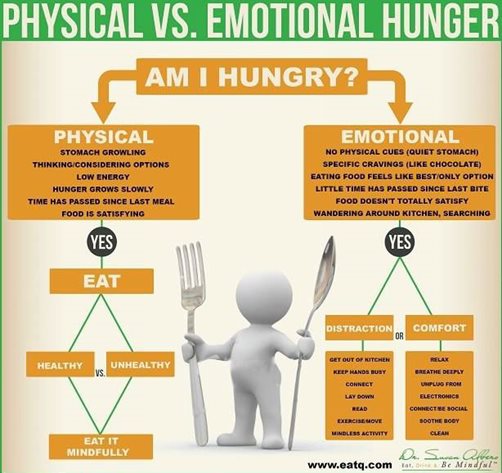
Tips for Reducing Sugar Cravings
Gradual reduction of sugar intake
Rather than completely eliminating sugar from your diet, reducing it gradually can help you adjust to the change more easily. By gradually reducing your sugar intake, you allow your taste buds to adjust and your cravings to decrease over time. Start by gradually cutting back on sugary snacks and beverages, and replacing them with healthier alternatives.
Identifying and avoiding triggers
Identifying the triggers that lead to your sugar cravings can help you develop strategies to avoid them. Keep a food diary to track when and why you experience cravings. Pay attention to situations, emotions, or activities that trigger your desire for sugar. Once you have identified your triggers, you can find alternative ways to cope with them, such as engaging in a different activity, practicing stress management techniques, or seeking social support.
Stress management techniques
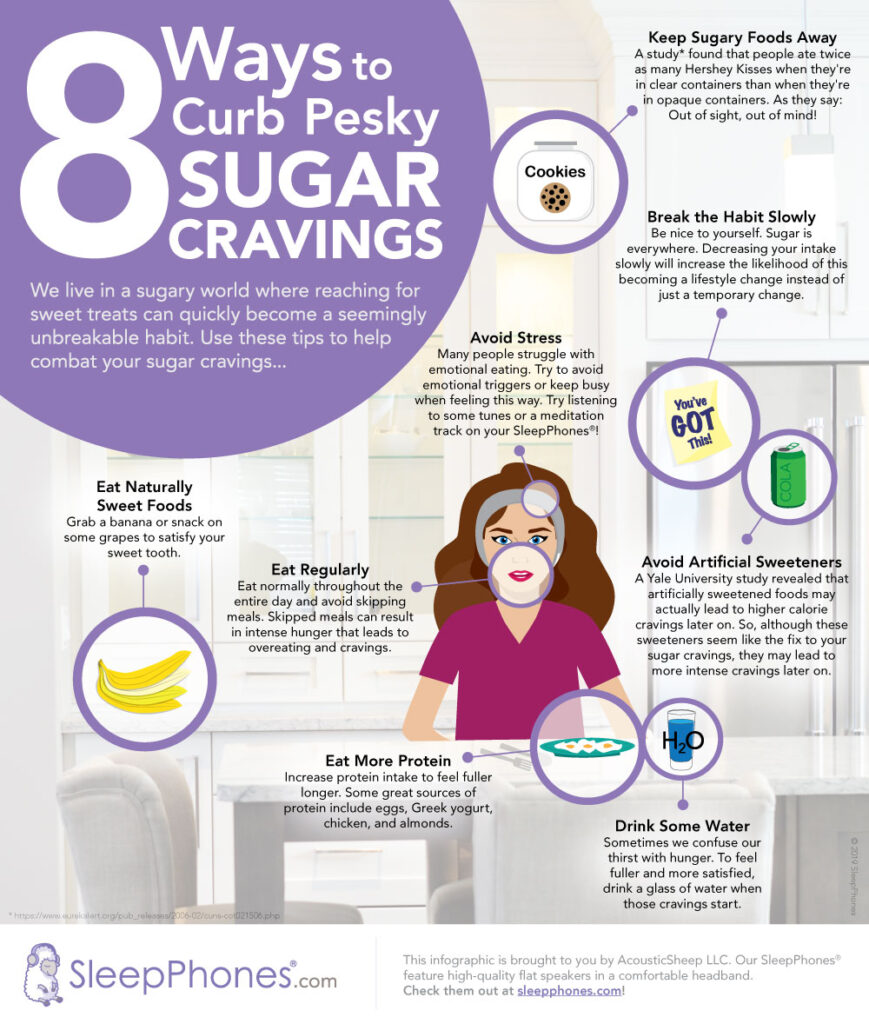
Stress is a significant contributor to sugar cravings. Implementing stress management techniques into your daily routine can help you curb those cravings. Engaging in activities like meditation, yoga, deep breathing exercises, or finding hobbies that you enjoy can reduce stress levels and alleviate the need for emotional eating.
Understanding the Role of Macronutrients
Protein’s impact on satiety
Including protein-rich foods in your meals and snacks promotes a feeling of fullness and satiety, reducing the likelihood of sugar cravings. Protein takes longer to digest, keeping you satisfied for longer periods. Incorporate lean sources of protein such as poultry, fish, eggs, tofu, or legumes into your meals to increase feelings of fullness and reduce cravings.
Healthy fats for satisfaction
Including healthy fats in your diet can provide a sense of satisfaction and help control sugar cravings. Omega-3 fatty acids found in fatty fish like salmon, as well as in chia seeds and flaxseeds, can help regulate brain function and mood, reducing the desire for sugary foods. Avocados, nuts, and olive oil are also excellent sources of healthy fats that can promote satiety.
Complex carbohydrates for energy
Incorporating complex carbohydrates into your meals can provide a steady source of energy and prevent rapid fluctuations in blood sugar levels. Whole grains like quinoa, brown rice, and oats, as well as legumes and vegetables, are high in fiber and slow-digesting carbohydrates that provide sustained energy, reducing the need for quick sugar fixes.
Benefits of Regular Exercise
Impact on cravings and mood
Regular exercise has been shown to reduce food cravings, including sugar cravings. Physical activity releases endorphins, which improve mood and reduce stress, helping to suppress the desire for sugary foods. Additionally, exercise can distract from cravings and provide a healthy outlet for emotional energy.
Weight management benefits
Exercise plays a significant role in weight management, which is closely linked to sugar cravings. Incorporating regular physical activity into your routine can help maintain a healthy weight, reducing the risk of obesity and associated health issues. By managing your weight effectively, you can curb sugar cravings and achieve better overall health.
Improving overall health
Regular exercise provides numerous health benefits, ranging from improved cardiovascular health to increased energy levels and enhanced mental well-being. When your overall health improves, you are more likely to make healthier choices and have fewer cravings for sugar due to a greater sense of well-being.
Developing Healthy Habits
Meal planning and preparation
Planning and preparing your meals in advance can help you make better choices and reduce the likelihood of succumbing to sugar cravings. Having a well-balanced meal readily available eliminates the temptation to grab unhealthy snacks or indulge in sugary foods due to lack of time or options. By incorporating nutritious ingredients and adequate protein, healthy fats, and complex carbohydrates into your meals, you can satisfy your nutritional needs and reduce cravings.
Reading food labels
Taking the time to read and understand food labels is essential for curbing sugar cravings. Many processed foods and beverages contain hidden sugars that can easily go unnoticed. Familiarize yourself with different names for sugar, such as sucrose, fructose, or corn syrup, and be mindful of their presence in packaged foods. Opting for whole, unprocessed foods with minimal added sugars can help reduce overall sugar intake.
Seeking support and accountability
Seeking support from friends, family, or professional health practitioners can greatly assist you in curbing sugar cravings. Sharing your goals and challenges with someone who understands can provide motivation and accountability. Additionally, joining a support group or seeking guidance from a nutritionist or dietitian can provide valuable advice and personalized strategies to help you overcome sugar cravings.
Conclusion
Understanding and managing sugar cravings is a crucial aspect of leading a healthy lifestyle. By recognizing the factors that contribute to sugar cravings, adopting healthier alternatives, and implementing strategies to reduce cravings, you can take control of your sugar intake and improve your overall well-being. Embracing a balanced diet, incorporating regular exercise, and developing healthy habits will set you on a path towards curbing sugar cravings and enjoying a healthier, more fulfilling life. So why wait? Take control of your sugar cravings today and embark on a journey towards a healthier you!
How To Beat Sugar Cravings

Do you ever find yourself craving something sweet after a meal? Maybe you reach for a cookie or a piece of chocolate to satisfy that sweet tooth. Well, you’re not alone. Sugar cravings are something that many of us struggle with. But fear not, because in this article, we’re going to discuss some strategies to help you beat those sugar cravings once and for all.
So, let’s dive in. First of all, it’s important to understand why we crave sugar in the first place. Our bodies naturally crave sweet foods because they provide us with a quick burst of energy. Unfortunately, most of the sugary foods we consume are filled with empty calories and can lead to weight gain and other health issues. In this article, you’ll find some healthier alternatives to satisfy your craving for sweetness, as well as some tips to reduce your overall sugar intake. Whether you’re looking to shed a few pounds or simply improve your eating habits, we’ve got you covered. So, stay tuned for some valuable insights that will help you beat those sugar cravings and maintain a healthy lifestyle.

Understanding Sugar Cravings
What are sugar cravings?
Sugar cravings are intense desires for sweet-tasting foods or beverages. They often involve a strong urge to consume sugary snacks, desserts, or sugary drinks. These cravings can feel overwhelming and can be difficult to resist.
Why do we experience sugar cravings?
There are several factors that can contribute to the experience of sugar cravings. One of the main reasons is the human brain’s natural response to the taste of sugar. When we consume sugar, our brain releases dopamine, a neurotransmitter that provides feelings of pleasure and reward. This response can create a cycle of craving and consuming more sugar in an attempt to replicate the pleasurable feelings.
Additionally, sugar cravings can be triggered by emotional factors such as stress, sadness, or boredom. In these situations, people may turn to sugary foods as a form of comfort or to alleviate negative emotions. Environmental triggers, such as the sight or smell of sugary foods, can also play a role in cravings.
The effects of sugar cravings on health
While occasional indulgence in sweet treats is not necessarily harmful, frequent and intense sugar cravings can have negative effects on health. Excessive sugar consumption has been linked to an increased risk of obesity, type 2 diabetes, heart disease, and other chronic health conditions. Sugar cravings can also contribute to weight gain and difficulty in maintaining a healthy diet.
Identifying Triggers
Common triggers for sugar cravings
Understanding common triggers for sugar cravings can help in managing and overcoming them. Some common triggers include:
- Skipping meals or going long periods without food
- Consuming high-sugar foods or beverages regularly
- Feeling stressed, anxious, or bored
- Seeing or smelling sugary foods
- Being in social situations where sugary treats are present
Emotional triggers
Emotions, such as stress, sadness, or even happiness, can trigger sugar cravings. Many people turn to sugary foods to soothe themselves or cope with emotional situations. Recognizing and addressing these emotional triggers can help in breaking the cycle of sugar cravings.
Environmental triggers
Our surroundings can also contribute to sugar cravings. Being exposed to sugary treats in our environment, such as at the workplace or in social settings, can make it harder to resist cravings. Identifying these environmental triggers and finding ways to limit their impact can be helpful.
Creating a Supportive Environment
Stocking up on healthy alternatives
One effective way to beat sugar cravings is to stock up on healthy alternatives. Instead of keeping sugary snacks and desserts in your pantry, fill it with nutritious options like fresh fruits, vegetables, and nuts. Having these healthier alternatives readily available can make it easier to resist the urge to reach for sugary treats.
Eliminating tempting processed foods
Another way to create a supportive environment is to eliminate tempting processed foods from your home. Processed foods often contain high amounts of hidden sugars, which can fuel cravings. Clearing your pantry of these items can help reduce the temptation to indulge in sugary snacks.
Surrounding yourself with supportive people
Having a supportive network can greatly impact your ability to beat sugar cravings. Surround yourself with friends and family who understand and support your goals of reducing sugar intake. Their encouragement and understanding can help you stay motivated and accountable.
Developing Healthy Eating Habits
Balancing macronutrients
One effective strategy to beat sugar cravings is to focus on balancing macronutrients in your diet. This means including a combination of carbohydrates, proteins, and healthy fats in each meal. Balancing macronutrients can help stabilize blood sugar levels, which can reduce the intensity of sugar cravings.
Incorporating fiber-rich foods
Fiber-rich foods, such as whole grains, fruits, and vegetables, can help in curbing sugar cravings. Fiber slows down the absorption of sugar into the bloodstream, providing a steady release of energy and reducing cravings. Incorporating these foods into your diet can help you feel satisfied for longer periods, making it easier to resist the temptation of sugary treats.
Eating regular meals and snacks
Maintaining a regular eating schedule can also be helpful in managing sugar cravings. Often, skipping meals or going long periods without eating can lead to intense cravings for quick sources of energy, like sugar. Eating balanced meals and nutritious snacks throughout the day can help keep hunger and cravings at bay.

Understanding Food Labels
Reading and interpreting food labels
Understanding how to read and interpret food labels is essential in beating sugar cravings. Familiarize yourself with the different names for sugar, including terms like sucrose, fructose, and high fructose corn syrup. Check the ingredient list to see if sugar or any of its variants are listed among the first few ingredients, as this indicates a higher sugar content.
Identifying hidden sugars
Many processed foods contain hidden sugars, even if they don’t taste particularly sweet. These hidden sugars can contribute to cravings and make it challenging to reduce overall sugar intake. Look out for ingredients like dextrose, maltose, and brown rice syrup, as these are all forms of sugar.
Choosing low-sugar options
When grocery shopping, opt for low-sugar or sugar-free alternatives whenever possible. Pay attention to the nutrition facts panel and choose products with lower sugar content. It’s important to note that “sugar-free” doesn’t necessarily mean it’s healthy, so always consider the overall nutritional value of the food.
Mindful Eating Techniques
Practicing mindful eating
Practicing mindful eating can help reduce sugar cravings by increasing awareness of hunger and fullness cues. It involves paying attention to the taste, texture, and aroma of each bite, and eating slowly and consciously. By savoring the experience of eating, you can feel more satisfied and less likely to crave sugary foods.
Savoring each bite
Take the time to fully enjoy each bite of food, focusing on the flavors and textures. Chew slowly and savor the taste, taking note of the sensations in your mouth. By savoring each bite, you can enhance the enjoyment of your meals and reduce the desire for additional sugar.
Eating slowly and consciously
Eating slowly and consciously allows your body to register feelings of fullness and satisfaction. It takes time for your brain to receive signals from your stomach that it is full. By eating slowly, you give your body a chance to respond, which can help in reducing overeating and cravings for sugary foods.

Getting Regular Exercise
The impact of exercise on sugar cravings
Regular exercise can have a significant impact on sugar cravings. Physical activity releases endorphins, which can help elevate mood and reduce stress, both of which are common triggers for sugar cravings. Additionally, exercise can help regulate blood sugar levels and promote overall mental and physical well-being, making it an effective tool in managing cravings.
Different types of physical activity
Incorporating a variety of physical activities into your routine can help keep cravings at bay. Find activities that you enjoy, such as walking, jogging, dancing, or swimming. Mixing up your workouts can keep you engaged and motivated, and help distract from any cravings you may be experiencing.
Incorporating exercise into daily routine
Finding ways to incorporate exercise into your daily routine can make it easier to stick to a consistent fitness regimen. This can include taking the stairs instead of the elevator, going for short walks during lunch breaks, or scheduling dedicated workout sessions. By making exercise a regular part of your day, you can strengthen your resolve to beat sugar cravings.
Managing Stress Levels
The connection between stress and sugar cravings
Stress has a strong connection to sugar cravings. When we’re stressed, our bodies release cortisol, a hormone that can increase appetite, particularly for high-sugar and high-fat foods. Managing stress levels can help reduce the frequency and intensity of sugar cravings.
Stress management techniques
Practicing stress management techniques can be beneficial in curbing sugar cravings. Find activities that help you relax and unwind, such as meditation, deep breathing exercises, yoga, or engaging in hobbies. Experiment with different techniques and identify those that work best for you.
Finding healthy coping mechanisms
Instead of turning to sugar as a coping mechanism, find healthier ways to deal with stress. This can include engaging in physical activity, spending time with loved ones, journaling, or practicing mindfulness. Find activities that bring you joy and fulfillment, and incorporate them into your daily routine to help manage stress and reduce sugar cravings.

Seeking Support
Joining support groups
Joining support groups or online communities focused on healthy eating and sugar reduction can provide a valuable source of support and motivation. Interacting with others who are on a similar journey can provide insights, tips, and encouragement. These communities can serve as a safe space for sharing experiences and learning from one another.
Working with a therapist or counselor
For individuals struggling with intense sugar cravings or emotional eating, working with a therapist or counselor can be beneficial. They can help address underlying emotional or psychological factors contributing to cravings and provide guidance on developing healthier coping mechanisms.
Sharing experiences with others
Sometimes, simply sharing your experiences with friends, family, or loved ones can provide the support and understanding you need to beat sugar cravings. Opening up about your goals and challenges can help alleviate feelings of isolation and increase accountability.
Conclusion
In conclusion, beating sugar cravings requires a combination of strategies and a commitment to making healthier choices. By understanding the triggers for sugar cravings, creating a supportive environment, developing healthy eating habits, and seeking support, you can develop a healthier relationship with food and reduce the impact of sugar cravings on your overall well-being. Remember to remain persistent and consistent in your efforts, and be kind to yourself throughout the journey. By taking proactive steps, you can achieve a healthier lifestyle and enjoy the benefits of reduced sugar intake.
How Do I Stop Binge Eating

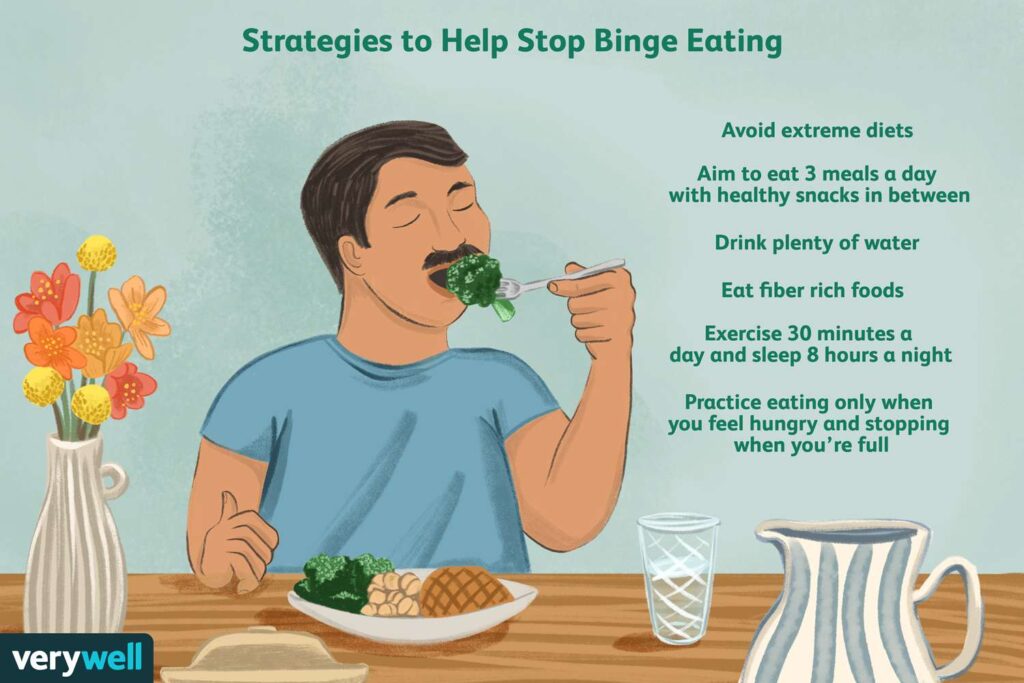
Have you ever found yourself mindlessly devouring a bag of chips or finishing off an entire pint of ice cream in one sitting? If so, you’re not alone. Binge eating is a common struggle that many people face, but the good news is, there are ways to overcome it. In this article, we will delve into the topic of binge eating and discuss some practical tips on how to stop this unhealthy habit. So, if you’re curious to learn more, keep reading!
Binge eating can often feel like a lack of control over your eating habits. It’s that feeling of not being able to stop yourself from consuming large amounts of food, even when you’re not hungry. But don’t worry, there are steps you can take to regain that control. In this article, we will explore various strategies such as practicing mindful eating, identifying triggers, and seeking support. By implementing these methods, you’ll be well on your way to breaking free from the cycle of binge eating. So, join us as we dive deeper into this common issue and uncover effective ways to put an end to binge eating for good.
How Do I Stop Binge Eating
If you find yourself frequently overeating and feeling out of control with your eating habits, you may be experiencing binge eating disorder. Binge eating is a serious condition that can have detrimental effects on both your physical and mental health. However, understanding the causes and effects of binge eating is the first step towards finding a solution.
What is Binge Eating?
Binge eating is characterized by consuming large quantities of food in a short period of time, often accompanied by a feeling of loss of control. Unlike other eating disorders, such as bulimia nervosa, individuals with binge eating disorder do not engage in compensatory behaviors, such as purging or excessive exercise. Binge eating episodes are often followed by feelings of guilt, shame, or disgust, which can perpetuate a cycle of overeating.
Causes of Binge Eating
Binge eating can have several underlying causes, including emotional, environmental, and social factors. Emotional triggers, such as stress, boredom, or feelings of sadness, can lead to binge eating as a way to cope with these emotions. Environmental triggers, such as the availability of large quantities of food or the presence of food advertisements, can also contribute to binge eating. Additionally, social triggers, such as eating in social situations or being influenced by others’ eating habits, may play a role in the development of binge eating disorder.
Effects of Binge Eating
The effects of binge eating can be far-reaching and can impact both your physical and mental health. Physically, binge eating can lead to weight gain, obesity, and the development of other health conditions, such as diabetes, high blood pressure, and heart disease. Mentally and emotionally, binge eating can cause feelings of guilt, shame, and low self-esteem. It can also contribute to the development of anxiety and depression. Furthermore, binge eating can strain relationships and negatively affect your social life, as it may lead to isolating behaviors and a withdrawal from social activities.
Recognizing the Triggers
In order to stop binge eating, it is important to recognize the triggers that contribute to your episodes of overeating. These triggers can be categorized into three main types: emotional triggers, environmental triggers, and social triggers.
Identifying Emotional Triggers
Start by identifying the emotional triggers that lead you to binge eat. Keep a journal and record your feelings before and after binge eating episodes. Look for patterns and identify any recurring emotions, such as stress, boredom, or loneliness. By becoming aware of your emotional triggers, you can find healthier ways to address and cope with these emotions.
Identifying Environmental Triggers
In addition to emotional triggers, environmental triggers can also contribute to binge eating. Take note of the situations or settings in which you are more likely to overeat. This could be at home, when certain foods are readily available, or in specific social situations, such as parties or gatherings. By identifying these triggers, you can take proactive steps to avoid or manage them.
Recognizing Social Triggers
Lastly, pay attention to the social triggers that may influence your eating habits. Are you more likely to overeat when dining with friends or family members who have unhealthy eating habits? Are you influenced by food advertisements or social media posts that promote unhealthy eating behaviors? By recognizing these social triggers, you can make conscious choices to surround yourself with supportive individuals and create a positive eating environment.
Developing Healthy Habits
Developing healthy habits is crucial in overcoming binge eating disorder. By implementing the following strategies, you can create a balanced and sustainable approach to eating.
Creating a Balanced Meal Plan
One effective way to combat binge eating is to create a balanced and nutritious meal plan. Include a variety of whole foods, such as fruits, vegetables, lean proteins, and whole grains, in your meals. Ensure that you are nourishing your body with the nutrients it needs to thrive.
Incorporating Regular Exercise
Regular exercise not only benefits your physical health but also helps regulate your mood and manage stress. Find an exercise routine that you enjoy, whether it’s going for a walk, joining a fitness class, or engaging in a sport. Aim for at least 150 minutes of moderate-intensity exercise or 75 minutes of vigorous-intensity exercise per week.
Practicing Mindful Eating
Mindful eating is a practice that involves being fully present and aware of your eating experience. Slow down and savor each bite, paying attention to the taste, texture, and smell of your food. Avoid distractions, such as watching TV or scrolling through your phone, while eating. By practicing mindful eating, you can better listen to your body’s hunger and fullness cues and make more conscious choices about your food intake.
Seeking Professional Support
If you are struggling to stop binge eating on your own, it may be beneficial to seek professional support. A therapist or counselor who specializes in eating disorders can provide you with the guidance and tools necessary to address the underlying emotional and psychological factors contributing to your binge eating. They can also help you develop healthy coping mechanisms and manage any co-occurring mental health conditions, such as anxiety or depression.
Joining Support Groups or Programs
Joining a support group or program specifically designed for individuals with binge eating disorder can provide you with a sense of community and understanding. These groups offer a safe space to share your experiences, gain support from others who have gone through similar struggles, and learn valuable strategies for overcoming binge eating.
Exploring Treatment Options
In some cases, more intensive treatment options may be necessary. Such options may include residential or outpatient treatment programs that provide a multidisciplinary approach to address the physical, emotional, and psychological aspects of binge eating disorder. These programs typically involve a team of professionals, including therapists, nutritionists, and medical doctors, who work together to develop an individualized treatment plan.

Implementing Strategies for Prevention
Prevention is a key aspect of stopping binge eating in the long term. By implementing the following strategies, you can reduce the likelihood of experiencing binge eating episodes.
Creating a Supportive Environment
Create a supportive environment that promotes healthy eating habits. Surround yourself with people who support your goals and are understanding of your struggles. Remove or limit the presence of trigger foods in your home and stock your pantry and refrigerator with nutritious options instead.
Managing Stress and Emotions
Finding healthy ways to manage stress and emotions is essential in preventing binge eating. Engage in stress-reducing activities, such as yoga, meditation, or deep breathing exercises. Find alternative coping mechanisms for dealing with emotions, such as journaling, practicing art, or engaging in hobbies that bring you joy and relaxation.
Building Healthy Coping Mechanisms
Instead of turning to food as a coping mechanism, develop alternative strategies to deal with stress, boredom, or emotional turmoil. Experiment with different coping mechanisms, such as engaging in physical activity, reaching out to a supportive friend or family member, or practicing relaxation techniques. Find what works best for you and incorporate these healthy coping mechanisms into your daily routine.
Exploring Alternative Therapies
In addition to traditional therapy, exploring alternative therapies can be beneficial in your journey to stop binge eating.
Discovering the Benefits of Art Therapy
Art therapy is a creative and expressive approach that can help individuals explore and process their emotions in a non-verbal way. Engaging in art therapy can provide a sense of release and self-discovery, allowing you to gain insight into the underlying emotions that contribute to binge eating.
Considering Meditation and Mindfulness Practices
Meditation and mindfulness practices teach you to be present in the moment, calm your mind, and increase self-awareness. By practicing meditation and mindfulness regularly, you can develop greater self-control, reduce impulsive behaviors, and improve your ability to recognize and address emotional triggers.
Exploring Hypnotherapy or Acupuncture
Both hypnotherapy and acupuncture have shown promise in helping individuals with binge eating disorder. Hypnotherapy can help modify unhealthy eating patterns by accessing the subconscious mind and replacing negative thoughts and behaviors with positive ones. Acupuncture, on the other hand, can help balance the body’s energy and reduce cravings and anxiety.
Understanding the Impact of Binge Eating on Overall Health
Binge eating can have significant consequences on both your physical and mental health.
Physical Health Complications
Frequent binge eating can lead to weight gain, obesity, and a variety of physical health complications. These may include diabetes, high blood pressure, high cholesterol, heart disease, and digestive disorders. It is important to address binge eating in order to prevent these long-term health issues.
Mental and Emotional Consequences
Binge eating can take a toll on your mental and emotional well-being. It often leads to feelings of guilt, shame, and low self-esteem, which can perpetuate the cycle of binge eating. It can also contribute to the development of anxiety and depression, further impacting your overall quality of life.
Effects on Relationships and Social Life
Binge eating can strain relationships and negatively affect your social life. It may lead to isolation and withdrawal from social activities due to embarrassment or a fear of judgment. Addressing binge eating can help rebuild and strengthen relationships, as well as improve your social interactions and overall happiness.
Addressing Underlying Issues
In order to stop binge eating in the long term, it is important to address the underlying psychological factors that contribute to this behavior.
Identifying Underlying Psychological Factors
Binge eating is often linked to underlying psychological factors, such as low self-esteem, body image issues, or unresolved trauma. Working with a therapist or counselor can help you identify these underlying factors and develop strategies to address and heal them.
Addressing Past Traumas and Emotional Wounds
If past traumas or emotional wounds are contributing to your binge eating, it is crucial to seek support and work through these experiences. Trauma-focused therapy or other specialized treatment approaches can help you process and heal from past traumas, allowing you to develop healthier coping mechanisms and reduce the urge to binge eat.
Improving Self-Esteem and Body Image
Building self-esteem and improving body image are essential components of overcoming binge eating disorder. Engage in activities that boost your self-confidence, such as practicing self-care, setting goals, and celebrating your achievements. Surround yourself with positive influences and challenge negative thoughts about your body by focusing on your strengths and unique qualities.
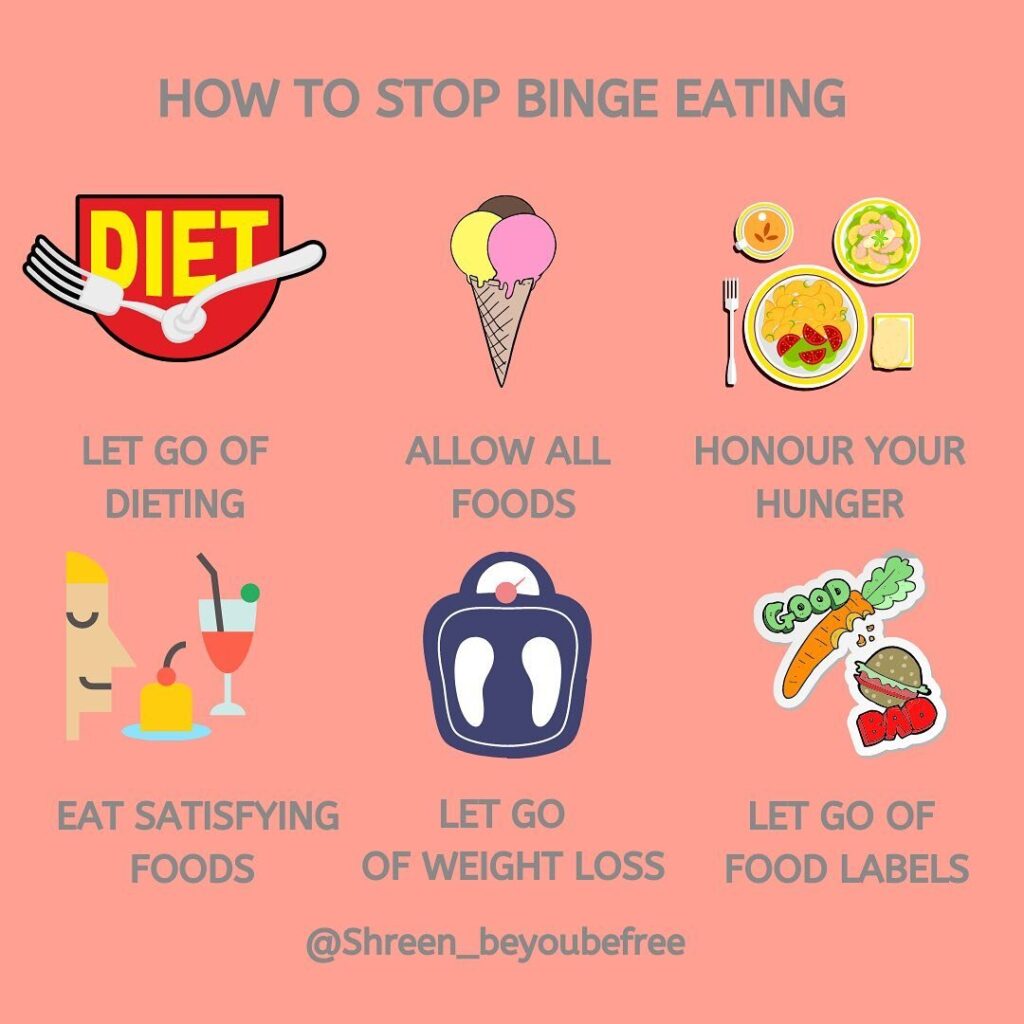
Developing a Long-Term Strategy
Stopping binge eating requires a long-term commitment to developing healthy habits. By following these guidelines, you can establish a sustainable strategy to overcome binge eating disorder.
Setting Realistic Goals
Set realistic and achievable goals for yourself. Instead of aiming for immediate perfection, focus on making gradual changes to your eating habits and overall lifestyle. Celebrate small victories along the way and acknowledge that setbacks are a normal part of the journey.
Tracking Progress and Making Adjustments
Keep track of your progress by journaling, using a food diary, or utilizing smartphone apps that help monitor eating patterns and emotions. Regularly review your progress and identify areas for improvement. Make adjustments to your strategies as needed to ensure continued progress.
Reevaluating and Maintaining Healthy Habits
Periodically reevaluate your eating habits, coping mechanisms, and overall progress. Make adjustments as necessary to maintain a healthy and balanced lifestyle. Remember, overcoming binge eating is a lifelong journey, and it is important to continue practicing self-care and seeking support when needed.
Conclusion
Binge eating is a challenging disorder that requires patience, perseverance, and support to overcome. By understanding the causes and effects of binge eating, recognizing your triggers, developing healthy habits, seeking professional support, and implementing prevention strategies, you can regain control over your eating habits and improve your overall well-being. Remember, you are not alone in this journey. Reach out for help and surround yourself with a supportive community to achieve lasting success in your battle against binge eating disorder.
Stop Stress Eating
Are you someone who tends to reach for a bag of chips or a tub of ice cream whenever you’re feeling stressed? It’s a common habit that many people have, but did you know that stress eating can actually do more harm than good? In this article, we’re going to delve into the topic of stress eating and discuss why it might be a good idea to find healthier ways to cope with stress.
When life gets overwhelming and you find yourself drowning in stress, it’s natural to seek comfort in food. However, stress eating can quickly spiral out of control, leading to weight gain, poor nutrition, and a cycle of emotional eating. In this article, you’ll learn why stress eating happens, how it affects your body and mind, and most importantly, we’ll provide you with some practical tips on how to break free from this unhealthy habit. So if you’re tired of turning to food every time stress strikes, keep reading to discover healthier ways to cope with your emotions.
Whether you’re someone who constantly finds yourself reaching for a chocolate bar during a stressful day at work or if stress eating has become an all-consuming habit for you, this article is here to help. We’ll explore the science behind why stress eating happens and how it impacts your body and mind. You’ll also learn some practical strategies to help you curb stress eating, such as mindfulness techniques, finding alternative coping mechanisms, and creating a healthy eating plan. So if you’re ready to take control of your emotional eating patterns and find healthier ways to manage stress, stick around for some valuable insights and tips in this article.

Stop Stress Eating
Stress eating is a common phenomenon that many individuals experience in their lives. It refers to the act of eating as a response to stress and emotional turmoil. When faced with challenging situations, some people turn to food as a source of comfort and relief. However, stress eating can have detrimental effects on both mental and physical health. In this article, we will explore the concept of stress eating, its connection to stress and food, its impact on overall health, and ways to overcome this unhealthy coping mechanism.
Understanding the concept of stress eating
Stress eating, also known as emotional eating, is a behavior that stems from using food as a means to alleviate stress, anxiety, or other negative emotions. Rather than eating due to physiological hunger, individuals engage in stress eating to temporarily distract themselves from their worries or to seek emotional support. It often involves consuming high-calorie, comfort foods that provide a temporary sense of satisfaction.
The connection between stress and food
There is a strong connection between stress and food. When we experience stress, our body releases cortisol, a hormone that can increase our appetite and lead to cravings for high-fat and sugary foods. Moreover, stress can disrupt our normal eating patterns and make it difficult to regulate our food intake. We may find ourselves consuming larger portions or mindlessly snacking without paying attention to our body’s hunger and fullness cues.
The impact of stress eating on overall health
Stress eating can have significant negative impacts on our overall health. Firstly, it can contribute to weight gain and obesity, as the consumption of calorie-dense foods leads to an excess intake of energy. This can lead to various health problems such as diabetes, heart disease, and certain types of cancer.
Furthermore, stress eating can have negative effects on our mental well-being. While it may provide temporary relief from stress, emotional eating often intensifies feelings of guilt, shame, and self-criticism. This can create a vicious cycle where we eat to cope with stress, feel bad about ourselves, and then turn to food again to seek comfort.
Identifying Trigger Factors
To overcome stress eating, it is crucial to identify the trigger factors that lead to this behavior. Understanding what causes stress eating can help us find healthier alternatives to cope with stress effectively.
Common triggers for stress eating
Stress eating can be triggered by various factors. It can be caused by work-related stress, relationship issues, financial worries, or even feelings of boredom or loneliness. Identifying the specific triggers that lead to stress eating is essential in developing alternative coping strategies.
Recognizing emotional cues and stress signals
Emotional cues and stress signals can manifest in different ways. It is crucial to pay attention to our emotions and how they impact our eating behaviors. For example, if we notice a tendency to reach for food when feeling anxious or sad, it is a clear indicator that stress eating may be a coping mechanism. By recognizing these cues, we can develop healthier habits to address emotional distress.
Unhealthy coping mechanisms leading to stress eating
Stress eating often arises from unhealthy coping mechanisms, such as using food as a way to avoid dealing with negative emotions. Turning to food for comfort or distraction may provide temporary relief, but it does not address the underlying causes of stress. Additionally, engaging in unhealthy behaviors such as excessive alcohol consumption, smoking, or drug use can also contribute to stress eating.
Impact of Stress on Eating Habits
Stress can significantly impact our eating habits, leading to changes in appetite and food choices. Understanding how stress affects our eating behaviors can help us develop strategies to manage stress more effectively.
Effects of stress on appetite
Stress can have a profound effect on our appetite. While some individuals may experience a decrease in appetite, others may find that stress increases their cravings for high-calorie foods. This can lead to overeating and weight gain, further exacerbating the negative effects of stress on our health.
The hormonal response to stress and food intake
When we experience stress, our body responds by releasing cortisol, a hormone that regulates our fight-or-flight response. This hormonal response can influence our food intake by increasing our cravings for unhealthy foods. Moreover, stress can affect the levels of other hormones, such as leptin and ghrelin, which regulate our hunger and satiety signals.
How stress disrupts mindful eating
Stress often disrupts our ability to practice mindful eating, which involves paying attention to the sensory experience of eating and being aware of our body’s hunger and fullness cues. When stressed, we may eat quickly, without savoring the flavors of our food. This can lead to overeating, as we are not allowing ourselves to fully experience satisfaction from our meals.
Recognizing Stress Signals
Recognizing stress signals is essential in managing stress and preventing stress eating. By being aware of the physical, emotional, and behavioral indicators of stress, we can intervene before resorting to unhealthy coping mechanisms.
Physical symptoms of stress
Stress can manifest in various physical symptoms, such as headaches, muscle tension, stomach discomfort, and changes in sleep patterns. These physical signals serve as a reminder to take care of our well-being and find healthier ways to manage stress.
Emotional signs of stress
Emotional signs of stress may include increased irritability, mood swings, anxiety, or feelings of overwhelm. When we are aware of these emotional cues, we can engage in activities that promote relaxation and stress reduction, rather than turning to food as a means of escape.
Behavioral indicators of stress
Behavioral indicators of stress may include changes in appetite, increased alcohol consumption, isolation from social activities, or changes in productivity levels. By recognizing these behaviors, we can take proactive steps to address the underlying causes of stress and develop healthier coping mechanisms.

Alternative Coping Strategies
To overcome stress eating, it is essential to find alternative coping strategies that are healthier and more effective in managing stress. Here are some techniques to consider:
Healthy ways to manage stress
Finding healthy ways to manage stress is crucial in breaking the cycle of stress eating. Engaging in regular physical activity, practicing relaxation techniques such as deep breathing or yoga, and connecting with supportive friends and family can all contribute to stress reduction.
Effective stress reduction techniques
There are various stress reduction techniques that can help alleviate stress without resorting to unhealthy coping mechanisms. These include journaling, listening to calming music, engaging in creative activities, and spending time in nature. Finding what works best for you and incorporating these techniques into your daily routine can significantly reduce stress levels.
Mindfulness and meditation practices
Practicing mindfulness and meditation can help us develop a better understanding of our emotions and reduce stress. By learning to be present in the moment and observe our thoughts without judgment, we can cultivate a sense of calm and make conscious choices when it comes to our eating behaviors.
Creating a Supportive Environment
Creating a supportive environment is crucial in overcoming stress eating. By setting up a stress-free zone at home and surrounding ourselves with positive influences, we can foster a sense of well-being and reduce the temptation to turn to food for comfort.
Establishing a stress-free zone at home
Creating a stress-free zone at home involves decluttering our living space, incorporating calming elements such as candles or plants, and setting boundaries to limit external stressors. This can create a tranquil environment that promotes relaxation and reduces the likelihood of stress eating.
Surrounding yourself with positive influences
Surrounding ourselves with positive influences, such as supportive friends and family, can significantly impact our ability to manage stress and avoid stress eating. Having a trusted support system can provide emotional support and help us develop healthier ways of coping with stress.
Building a strong support system
Building a strong support system also involves seeking professional help when needed. Therapists, counselors, or registered dietitians can provide valuable guidance and support in managing stress and overcoming stress eating.

Developing a Mindful Eating Approach
Developing a mindful eating approach is essential in breaking free from stress eating habits. By practicing mindful eating techniques, connecting with our hunger and fullness cues, and making mindful food choices, we can regain control over our eating behaviors.
Practicing mindful eating techniques
Mindful eating involves paying attention to the present moment, savoring every bite, and eating with intention and awareness. It includes being aware of the flavors, textures, and sensations of our food, as well as noticing our body’s hunger and fullness signals.
Connecting with hunger and fullness cues
By learning to connect with our body’s hunger and fullness cues, we can develop a better understanding of when to eat and when to stop. This allows us to nourish our bodies based on physiological needs, rather than emotional or external factors.
Utilizing mindful food choices
Making mindful food choices involves selecting foods that nourish our bodies and promote overall well-being. This includes incorporating a balanced mix of macronutrients, such as lean proteins, whole grains, fruits, and vegetables. By making conscious choices when it comes to our meals, we can nourish our bodies and reduce the likelihood of stress eating.
Seeking Professional Help
In some cases, seeking professional help may be necessary to overcome stress eating. If stress eating becomes chronic or significantly impacts your daily life, it is important to consider reaching out to a healthcare professional. Various professionals, including therapists, counselors, and registered dietitians, can offer guidance and support in managing stress and developing healthier coping mechanisms.
When to consider seeking professional guidance
Consider seeking professional guidance if stress eating becomes a regular occurrence and significantly affects your mental and physical health. If you are unable to break the cycle of stress eating on your own, a professional can provide you with the tools and strategies to overcome this unhealthy coping mechanism.
Types of professionals who can assist with stress eating
Therapists, counselors, and registered dietitians are professionals who can assist in addressing stress eating. Each professional brings their unique expertise to help individuals understand the underlying causes of stress eating and develop personalized strategies to manage stress and promote healthy eating habits.
Therapeutic approaches for stress management
Therapeutic approaches for stress management may include cognitive-behavioral therapy (CBT), dialectical behavior therapy (DBT), or mindfulness-based interventions. These approaches focus on changing negative thought patterns, developing healthy coping mechanisms, and promoting mindfulness in daily life.
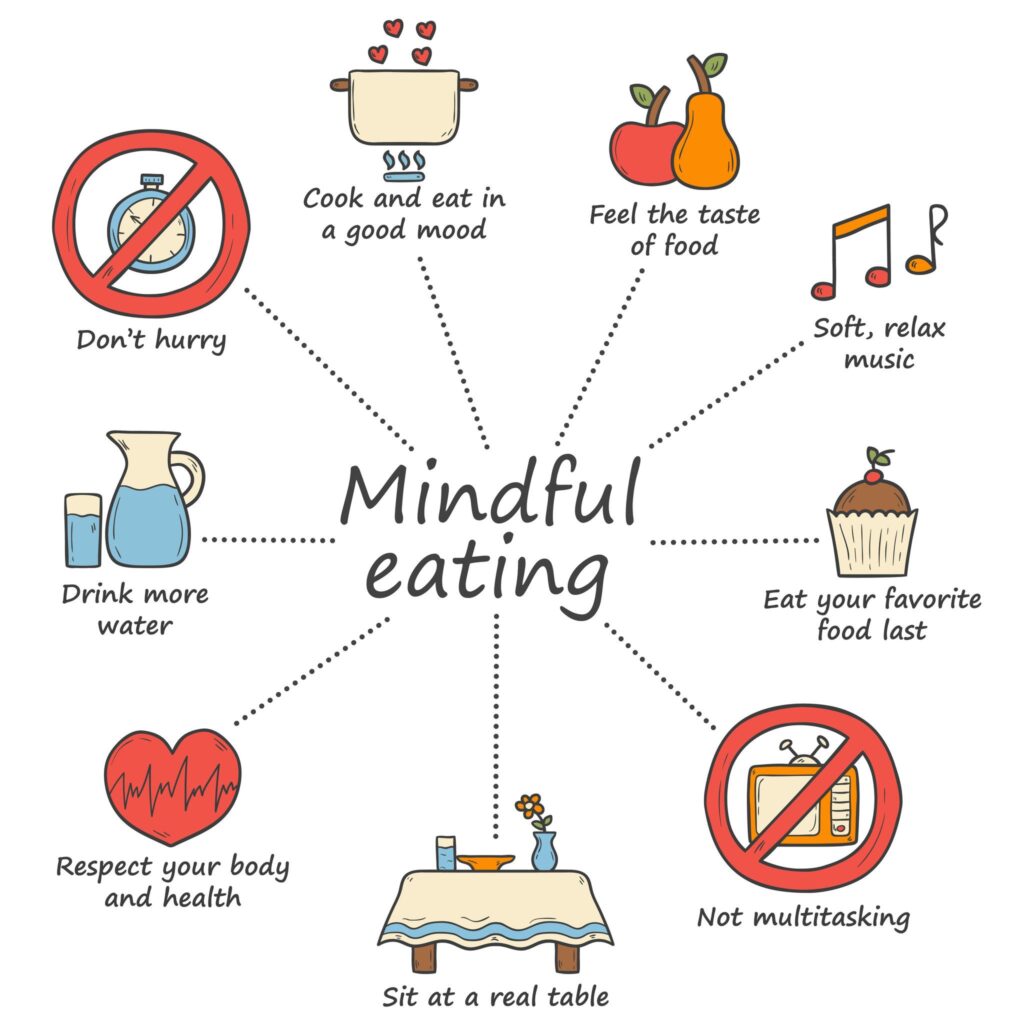
Establishing Healthy Habits
To prevent stress eating and promote a stress-free lifestyle, it is important to establish healthy habits that prioritize your well-being. This includes creating a balanced meal plan, incorporating regular exercise into your daily routine, and prioritizing self-care and relaxation.
Creating a balanced meal plan
Creating a balanced meal plan involves incorporating a variety of nutrient-dense foods into your diet. Aim to include lean proteins, whole grains, fruits, and vegetables in your meals to provide your body with the necessary nutrients and reduce cravings for unhealthy foods.
Incorporating regular exercise into daily routine
Regular exercise is crucial for managing stress and promoting overall well-being. Engaging in physical activity releases endorphins, which are natural mood boosters. Whether it’s going for a walk, practicing yoga, or engaging in team sports, find an exercise routine that you enjoy and can stick to.
Prioritizing self-care and relaxation
Prioritizing self-care and relaxation is essential in managing stress and avoiding stress eating. Take time for activities that you find enjoyable and help you relax. This can include practicing mindfulness, taking baths, getting a massage, or engaging in hobbies that bring you joy.
Conclusion
In conclusion, stress eating is a common response to emotional distress, but it can have significant negative impacts on our mental and physical health. By recognizing the triggers, understanding the connection between stress and food, and developing healthier coping strategies, we can break free from the cycle of stress eating. Creating a supportive environment, practicing mindful eating, and seeking professional help when needed are vital steps in overcoming stress eating. By establishing healthy habits and prioritizing self-care, we can lead a stress-free lifestyle and promote overall well-being. Remember, you have the power to stop stress eating and take control of your health and happiness.
Stop Food Cravings

Have you ever found yourself reaching for a bag of chips or a chocolate bar, even though you know you’re not really hungry? We’ve all been there! Food cravings can be a challenge to resist, but don’t worry, we’ve got you covered. In this article, we’re going to delve into the topic of food cravings and explore some effective strategies to help you overcome them. So, if you’re ready to take control of your cravings and make healthier choices, keep reading!
When it comes to food cravings, it’s important to understand that they often stem from a combination of physical and psychological factors. Our bodies have a natural inclination towards certain tastes and textures, and our brains have been wired to seek out those pleasurable sensations. Additionally, emotions and stress can also play a role in triggering cravings. But fear not, because armed with the right knowledge and techniques, you can learn to navigate these cravings and make better choices for your health.
In the upcoming article, we’ll explore some science-backed strategies to help you tackle food cravings head-on. From recognizing your triggers, to finding healthier alternatives, and even using mindfulness techniques, there are a variety of methods you can try to curb those pesky cravings. With the right tools and a little bit of determination, you’ll be on your way towards a healthier relationship with food. So, without further ado, let’s dive in and discover how to put an end to those food cravings once and for all!

Understanding Food Cravings
Food cravings are intense desires for specific types of food. They can be defined as a strong psychological urge to consume a particular food item. While cravings can vary from person to person, they often involve foods that are high in sugar, salt, and unhealthy fats. These cravings can be unpredictable and overwhelming, making it difficult to resist the temptation to indulge in unhealthy foods.
What are food cravings?
Food cravings are different from physical hunger. When you’re physically hungry, your body needs nourishment and energy. However, cravings are driven by your brain, emotions, and habits. It’s important to recognize the difference between the two in order to make healthier choices.
Common triggers for food cravings
There are several common triggers for food cravings:
-
Emotional triggers: Stress, boredom, sadness, and anxiety can all stimulate cravings for comfort foods. Many people turn to sugary or fatty foods as a way to cope with their emotions.
-
Environmental cues: The sight or smell of certain foods can trigger cravings. For example, seeing a commercial for pizza might make you crave pizza even if you weren’t hungry before.
-
Social influences: Being around others who are eating or talking about certain foods can make you crave them as well.
-
Hormonal fluctuations: Menstrual cycles and hormonal changes can lead to specific cravings, particularly for chocolate and other sweet treats.
The science behind food cravings
Food cravings are not simply a lack of willpower. They are actually influenced by complex interactions between your brain, hormones, and the pleasure-reward system. When you eat tasty foods, your brain releases dopamine, a neurotransmitter that makes you feel good. This creates a pleasurable association with certain foods, making you more likely to crave them in the future.
Effects of Food Cravings
Weight gain and obesity
Regularly giving in to food cravings can lead to weight gain and, in some cases, obesity. Many craving-triggering foods are high in calories, unhealthy fats, and added sugars. Consuming these foods in excess can contribute to a calorie surplus, leading to weight gain over time.
Poor nutritional choices
Food cravings often lead to the consumption of highly processed and nutrient-poor foods. These foods are typically low in essential nutrients and high in added sugars, unhealthy fats, and sodium. By giving in to cravings and regularly consuming these foods, you may be depriving your body of the necessary vitamins, minerals, and antioxidants it needs for optimal health.
Emotional and psychological effects
Food cravings can also have a significant impact on your emotions and mental well-being. If you constantly give in to cravings, you may feel guilty, ashamed, or out of control around food. This negative mindset can cause stress, anxiety, and a strained relationship with food.
Factors Contributing to Food Cravings
Hormonal imbalances
Hormonal imbalances, particularly involving insulin and leptin, can play a role in food cravings. Insulin is a hormone that regulates blood sugar levels, and imbalances can lead to cravings for sugary foods. Leptin, known as the “satiety hormone,” helps regulate appetite and metabolism. When levels of leptin are disrupted, cravings for high-calorie foods can arise.
Stress and emotional triggers
Stress and emotions can significantly influence food cravings. When you’re stressed, your body releases cortisol, also known as the stress hormone. Cortisol can increase cravings for sugary and fatty foods, as well as trigger emotional eating as a coping mechanism.
Lack of sleep and fatigue
Lack of sleep and fatigue can disrupt the body’s natural hunger and fullness signals, leading to an increased desire for high-calorie foods. When you’re tired, your body craves quick sources of energy, such as sugary snacks or caffeine. This can make it difficult to resist cravings and make healthier food choices.
Recognizing Your Food Cravings
Identifying physical hunger vs. cravings
It’s important to distinguish between physical hunger and cravings. Physical hunger typically comes on gradually and is accompanied by physical signs, such as a growling stomach or feelings of weakness. Cravings, on the other hand, tend to be sudden and specific to certain foods.
Keeping a food journal
Keeping a food journal can help you identify patterns and triggers for your food cravings. Write down what you eat, when you eat it, and how you feel before and after eating. This can help you recognize any emotional or situational patterns associated with your cravings.
Understanding your personal triggers
Everyone’s food cravings are unique to them. Understanding your personal triggers can help you find strategies to overcome them. Take note of what circumstances, emotions, or events tend to trigger your cravings. By recognizing these triggers, you can develop strategies to avoid or manage them.

Combatting Food Cravings
Choosing nutrient-dense foods
One of the most effective ways to combat food cravings is by choosing nutrient-dense foods that provide satiety and essential nutrients. Incorporate whole foods, such as fruits, vegetables, whole grains, lean proteins, and healthy fats, into your meals and snacks. These foods will help keep you fuller for longer and reduce the chances of succumbing to cravings.
Finding healthy alternatives
Instead of giving in to your cravings for unhealthy foods, try finding healthier alternatives. For example, if you’re craving something sweet, opt for a piece of fruit or a small portion of dark chocolate. If you’re craving something salty, reach for a handful of roasted nuts or seeds.
Managing portion sizes
Portion control is crucial when combating food cravings. Instead of denying yourself entirely, allow yourself to enjoy small portions of your favorite foods. This way, you can satisfy your cravings without going overboard and sabotaging your healthy eating habits.
Mindful Eating Techniques
Practicing mindful eating
Mindful eating is the practice of paying full attention to your eating experience. It involves being present and engaged with your food, noticing the tastes, smells, and textures, and savoring each bite. By eating mindfully, you can become more aware of your body’s hunger and fullness cues, making it easier to recognize and manage cravings.
Savoring each bite
Take the time to truly savor and enjoy each bite of your food. Slow down and appreciate the flavors and textures. By eating slowly, you give your brain enough time to register that you’re full, reducing the chances of overeating or giving in to cravings.
Eating slowly and tuning into your body
Eating slowly and tuning into your body’s cues can help you better understand your true hunger levels. Pay attention to how your body feels as you eat. Are you starting to feel satisfied? Are you still physically hungry? By eating slowly and listening to your body, you can better regulate your food intake and avoid mindless eating.

Building Healthy Eating Habits
Meal planning and preparation
Meal planning and preparation can help you build healthy eating habits and reduce the likelihood of succumbing to food cravings. By planning your meals and snacks in advance, you ensure that you have nutrient-dense options readily available. This way, you’re less likely to reach for unhealthy foods when hunger strikes.
Regularizing mealtimes
Establishing regular mealtimes can also help prevent food cravings. By eating at consistent times throughout the day, you stabilize your blood sugar levels and avoid extreme hunger, which can lead to cravings for unhealthy foods.
Increasing fruit and vegetable intake
Fruits and vegetables are not only nutrient-dense but are also high in fiber, which aids in satiety. Aim to incorporate a variety of colorful fruits and vegetables into your meals and snacks to increase your nutrient intake and help control cravings.
Using Strategies to Overcome Cravings
Distracting yourself from cravings
When a craving strikes, try distracting yourself with a non-food-related activity. Engage in activities that you enjoy, such as reading, going for a walk, doing a puzzle, or talking to a friend. By diverting your attention away from food, you can often diminish the intensity of the craving.
Engaging in physical activity
Engaging in physical activity can help reduce food cravings. Exercise releases feel-good hormones, such as endorphins, which can elevate your mood and reduce the likelihood of turning to food for emotional comfort.
Seeking support from others
Finding support from others who have similar goals can be incredibly helpful when combating food cravings. Join a support group, find an accountability partner, or seek guidance from a registered dietitian or therapist who specializes in eating disorders. Having someone to share your challenges and successes with can make a significant difference in your journey to overcome cravings.

Creating a Supportive Environment
Stocking your pantry with healthy options
Creating a supportive environment starts with your pantry. Stock it with a variety of healthy foods, such as whole grains, lean proteins, fruits, and vegetables. When you have nutritious options readily available, you’re more likely to make healthier choices and avoid giving in to unhealthy cravings.
Eliminating trigger foods
Identify and eliminate trigger foods from your environment. If certain foods consistently lead to cravings, it may be best to remove them from your pantry or refrigerator. Out of sight, out of mind.
Creating a positive mindset
Creating a positive mindset is key to overcoming food cravings. Instead of focusing on what you can’t have, shift your attention to the foods that nourish your body and support your overall health. Embrace a positive mindset towards food, and view nourishing your body as an act of self-care and self-love.
Conclusion
Food cravings can be challenging to overcome, but with awareness and the right strategies, you can take control and achieve a balanced and healthy lifestyle. By understanding the factors that contribute to cravings, recognizing your personal triggers, and implementing mindful eating techniques, you can develop healthier habits and make food choices that support your well-being. Remember, it’s not about perfection, but progress. Take small steps, be kind to yourself, and celebrate every milestone along the way to stop food cravings and cultivate a healthier relationship with food.
Stop Snacking
Are you constantly reaching for snacks throughout the day? Do you find it hard to resist the temptation of grabbing a bag of chips or a chocolate bar when hunger strikes? Well, you’re not alone! Many of us struggle with the habit of snacking, but the good news is that there are ways to break this cycle and embrace healthier eating habits.
In this article, we will delve into the topic of snacking and explore why it can be detrimental to our overall health. We’ll discuss the negative impacts of excessive snacking on weight management and energy levels, as well as the potential risks it poses to our dental health. But don’t worry, we won’t just leave you hanging! We’ll also provide you with tips and tricks to help you curb your snacking urges and adopt a more balanced approach to eating.
So, if you’re curious to learn more about why snacking may not be the best habit for your well-being and how to break free from its grasp, keep reading! We’ve got you covered with all the information and solutions you need to start making healthier choices when it comes to your daily munching habits.
Stop Snacking
Snacking has become a common habit for many individuals, often done mindlessly throughout the day. While the occasional snack can be enjoyable and provide a quick energy boost, excessive snacking can have negative effects on both physical and mental health. In this article, we will explore the concept of snacking, its effects on health, and the benefits of stopping the habit. We will also provide tips on how to curb snacking, create a structured eating schedule, find alternative stress coping mechanisms, seek support, and overcome cravings.
What is Snacking?
Snacking refers to the act of consuming food or beverages between main meals. It typically involves consuming smaller portions of food, often referred to as “snacks,” that are easily accessible and require little to no preparation. Snacks can vary widely in terms of their nutritional content, ranging from healthy options like fruits and vegetables to less nutritious choices such as processed snacks high in sugar, salt, and unhealthy fats.
The Purpose of Snacking
People snack for various reasons. Some snack to satisfy hunger between meals, while others snack out of habit or boredom. Additionally, snacking can serve as a way to cope with emotions or reduce stress. The purpose of snacking can differ from person to person, but it’s important to understand that excessive snacking can lead to negative consequences.
Effects of Snacking on Health
Weight Gain and Snacking
One of the most significant effects of snacking is weight gain. When snacking is not done mindfully or in moderation, it can contribute to an increase in calorie intake. Over time, the excess calories from snacking can lead to weight gain and potentially obesity. Additionally, snacking often involves consuming foods that are high in added sugars, unhealthy fats, and salt, which can further contribute to weight gain and negatively impact overall health.
Nutritional Imbalances Caused by Snacking
Snacking can also lead to nutritional imbalances in the diet. Instead of opting for nutrient-dense options, such as fruits, vegetables, or whole grains, many individuals tend to choose highly processed snacks that lack essential vitamins, minerals, and fiber. This can result in deficiencies in key nutrients and potentially lead to health issues in the long run.

Understanding the Psychology of Snacking
Emotional Eating and Snacking
Emotional eating is a common phenomenon that often goes hand in hand with snacking. During times of stress, sadness, or boredom, many individuals turn to food for comfort. This emotional connection can create an unhealthy association between snacking and emotional well-being. However, it’s important to note that emotional eating rarely solves the underlying emotional issues and can instead exacerbate the problem.
Unconscious Snacking Habits
In addition to emotional eating, unconscious snacking habits can also contribute to excessive snacking. Many of us have developed a routine of reaching for snacks automatically without even realizing it. These habits often stem from environmental triggers, such as seeing snacks in the pantry or fridge, being surrounded by snacks at social gatherings, or even watching television. Breaking these unconscious snacking habits is key to reducing overall snacking.
Benefits of Stopping Snacking
Improved Weight Management
By stopping snacking, you can better manage your weight. By eliminating unnecessary calories from snacks, you create a calorie deficit that can help with weight loss or weight maintenance. Additionally, by focusing on nutrient-dense meals instead of mindless snacking, you can ensure that your body receives the necessary nutrients for optimal health.
Balanced Nutritional Intake
Stopping snacking allows you to prioritize balanced meals over frequent snacking. Instead of relying on snacks for energy or sustenance between meals, you can design balanced meals that provide all the necessary nutrients your body needs. This balanced approach to eating ensures that you consume a variety of foods from different food groups, allowing you to meet your nutritional needs more effectively.

Tips to Curb Snacking
Identify Triggers and Substitute Actions
The first step in curbing snacking is to identify the triggers that lead to mindless eating. These triggers can be emotional, environmental, or even habitual. Once you have identified your triggers, you can substitute snacking with alternative actions. For example, if stress triggers your snacking, you can try engaging in stress-relieving activities such as deep breathing exercises, meditation, or going for a walk instead of reaching for a snack.
Keep Healthy Alternatives Available
Another effective strategy to curb snacking is to keep healthy alternatives readily available. By stocking your pantry and refrigerator with nutritious snacks such as cut-up fruits, raw vegetables, or homemade trail mix, you can satisfy your cravings for a snack while choosing options that are good for your health. Having these healthy alternatives within reach makes it easier to resist the temptation of unhealthy snacks.
Creating a Structured Eating Schedule
Intermittent Fasting as a Scheduling Method
One approach to curbing snacking and creating a structured eating schedule is through intermittent fasting. Intermittent fasting involves cycling between periods of eating and fasting. By limiting the time frame within which you consume food, you can reduce the opportunity for mindless snacking. There are several different methods of intermittent fasting, so it’s important to choose one that best suits your lifestyle and goals.
Designing Balanced Meals
Another aspect of creating a structured eating schedule is designing balanced meals. By planning and preparing meals ahead of time, you can ensure that your meals are well-balanced and satisfying. Including a variety of fruits, vegetables, whole grains, lean proteins, and healthy fats in your meals will help you feel more satiated and less likely to snack between meals.
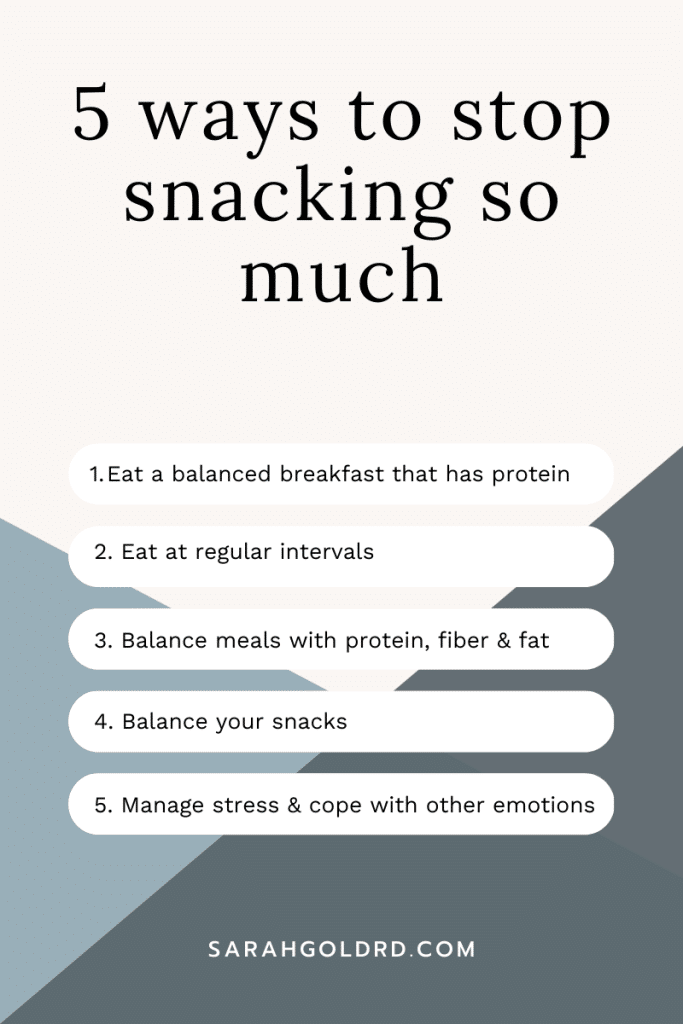
Finding Alternative Stress Coping Mechanisms
Exercise and Mindfulness Techniques
Finding alternative stress coping mechanisms is crucial to overcoming the desire to snack. Engaging in regular exercise can help reduce stress levels and release endorphins, which can have a positive impact on your mood. Additionally, practicing mindfulness techniques such as deep breathing, yoga, or meditation can help you become more aware of your emotions and prevent stress from triggering the urge to snack.
Engaging in Hobbies and Activities
Another way to cope with stress and reduce the temptation to snack is by engaging in hobbies and activities that you enjoy. Redirecting your focus towards activities that bring you joy or help you relax can take your mind off snacking. Whether it’s reading, painting, gardening, or any other hobby, finding activities that fulfill you can prevent stress-induced snacking.
Seeking Support and Accountability
Joining Support Groups and Forums
Seeking support from others who are also trying to stop snacking can provide encouragement and accountability. Joining support groups or online forums where individuals share their experiences, struggles, and successes can help you stay motivated on your journey. It provides a sense of community and a space to share tips, strategies, and recipes with others who have similar goals.
Buddy System for Accountability
Finding an accountability partner can also be highly beneficial. Having someone to check in with regularly, share your progress, and discuss strategies for overcoming snacking can increase your chances of successfully stopping the habit. Your accountability partner can be a friend, family member, or colleague who has similar goals and is committed to making healthier choices.

Understanding and Overcoming Cravings
Differentiating Cravings from True Hunger
Understanding the difference between cravings and true hunger is essential in overcoming the urge to snack. Cravings are typically driven by emotional or psychological factors, while true hunger is a physiological response to the body’s need for nourishment. By learning to differentiate between the two, you can make more conscious choices about whether to snack or wait until your next meal.
Techniques to Distract From Cravings
When cravings strike, distracting yourself can be an effective way to overcome them. Engaging in a different activity, such as going for a walk, calling a friend, or practicing a hobby, can redirect your attention away from the craving. Additionally, drinking a glass of water or enjoying a cup of herbal tea can help delay or suppress the urge to snack.
Conclusion
Snacking can be a difficult habit to break, but the benefits of stopping snacking are plentiful. By reducing excessive snacking, you can improve weight management, achieve a balanced nutritional intake, and develop a healthier relationship with food. With the tips provided in this article, you can start curbing snacking, creating a structured eating schedule, finding alternative stress coping mechanisms, seeking support, overcoming cravings, and ultimately improve your overall well-being. Remember, it’s always within your power to make healthy choices and develop healthier habits.
How To Stop Binge Eating Disorder

Have you ever found yourself unable to stop eating, even when you’re full? Do you often feel guilty and ashamed after binge eating? If so, you may be dealing with binge eating disorder. But don’t worry, you’re not alone, and there are ways to overcome it. In this article, we’ll discuss the topic of binge eating disorder in detail and provide you with helpful tips on how to stop it.
In the following paragraphs, we’ll dive into the causes and symptoms of binge eating disorder, as well as the detrimental effects it can have on both your physical and mental health. We’ll also explore various strategies and techniques you can implement to help you break the cycle of binge eating. From practicing mindful eating to seeking professional help, there are numerous approaches you can take to regain control over your eating habits and live a healthier, happier life. So stay tuned and keep reading, because by the end of this article, you’ll have a better understanding of binge eating disorder and the tools you need to overcome it.

Understanding Binge Eating Disorder
Binge eating disorder is a serious mental health condition characterized by recurrent episodes of consuming large quantities of food within a short period of time. It is estimated to affect approximately 2.8 million adults in the United States alone, making it the most common eating disorder in the country. This article aims to provide you with a comprehensive understanding of binge eating disorder, including its definition, causes, symptoms, and its effects on physical, emotional, and social well-being.
Defining Binge Eating Disorder
Binge eating disorder is characterized by recurring episodes of consuming an excessive amount of food, often accompanied by a loss of control over eating behavior during these episodes. Unlike other eating disorders, such as anorexia nervosa or bulimia nervosa, individuals with binge eating disorder do not typically engage in compensatory behaviors, such as purging, excessive exercise, or fasting, to counteract the binge eating episodes.
Causes and Risk Factors
The exact cause of binge eating disorder is not fully understood. However, there are several factors that may contribute to the development of this disorder. These can include biological, psychological, and environmental factors.
Biological factors can include genetic predisposition or abnormalities related to the brain’s regulation of appetite and impulse control. Psychological factors may include emotional distress, poor body image, low self-esteem, or a history of trauma. Environmental factors that can contribute to binge eating disorder may include cultural or societal pressures, family dynamics, or a history of dieting or weight-related stigma.
Symptoms and Signs
The symptoms and signs of binge eating disorder can vary from person to person, but some common indicators include:
- Frequent episodes of consuming large quantities of food.
- Feeling a lack of control or experiencing an inability to stop eating during these episodes.
- Eating when not physically hungry and beyond the point of feeling comfortably full.
- Eating rapidly or in secret due to embarrassment or shame.
- Feelings of guilt, disgust, or distress following a binge eating episode.
- Binge eating behavior occurring at least once a week for a duration of three months or longer.
While it is normal to occasionally overeat, individuals with binge eating disorder experience these episodes regularly and feel unable to control their eating behavior. If you or someone you know is experiencing these symptoms, it is important to seek professional help.
Effects of Binge Eating Disorder
Binge eating disorder can have significant physical, emotional, and social effects on individuals who suffer from it. It is crucial to understand these effects in order to develop effective strategies for overcoming binge eating disorder.
Physical Effects
The physical effects of binge eating disorder can be extensive. Individuals may experience weight gain or obesity, which can lead to a variety of health issues including high blood pressure, diabetes, heart disease, and sleep apnea. Digestive problems, such as bloating, constipation, or stomach pain, may also occur. Furthermore, individuals with binge eating disorder may have difficulties with their body image, which can negatively impact their self-esteem and overall well-being.
Emotional and Mental Effects
Binge eating disorder can also have profound emotional and mental effects. Feelings of guilt, shame, or disgust following a binge eating episode can lead to a cycle of negative emotions and self-critical thoughts. This can contribute to the development or exacerbation of other mental health conditions, such as depression, anxiety, or social isolation. Additionally, individuals may experience a diminished sense of self-control and a negative impact on their overall quality of life.
Social and Interpersonal Effects
Binge eating disorder can have significant social and interpersonal effects as well. Individuals may withdraw from social activities or avoid situations that involve food, leading to feelings of isolation and loneliness. Relationships with family and friends may become strained due to the secrecy or shame surrounding binge eating episodes. Additionally, the time and energy dedicated to binge eating can interfere with work or academic performance, further impacting social and interpersonal relationships.
Seeking Professional Help
Recognizing the Need for Help
If you suspect that you may have binge eating disorder, it is essential to recognize the need for professional help. Consulting with a healthcare professional who specializes in eating disorders is the first step towards recovery. They can provide an accurate diagnosis and develop a personalized treatment plan tailored to your specific needs.
Types of Healthcare Professionals
There are various healthcare professionals who can help you in the recovery process. Psychiatrists and psychologists are trained to diagnose and treat mental health conditions, including binge eating disorder. They can provide therapy, such as cognitive-behavioral therapy (CBT) or dialectical behavior therapy (DBT), to address the underlying issues contributing to binge eating disorder. Registered dietitians specializing in eating disorders can provide nutritional guidance and support in developing a healthy relationship with food.
Finding the Right Therapist
Finding the right therapist is crucial to the success of your recovery journey. It is important to find a therapist who specializes in treating eating disorders and with whom you feel comfortable and supported. You can start by asking for recommendations from your primary care physician or by searching online directories for eating disorder specialists in your area.
Developing a Support System
Sharing with Loved Ones
Developing a support system is essential when it comes to overcoming binge eating disorder. Sharing your struggles with loved ones can provide emotional support and help reduce feelings of isolation. When discussing your binge eating disorder with friends or family, it is important to communicate your needs and boundaries, as well as provide them with resources or information to help them better understand your condition.
Joining Support Groups
In addition to leaning on loved ones, joining support groups can be highly beneficial in the recovery process. Support groups offer a safe and non-judgmental environment where individuals can share their experiences and learn from others who have overcome or are overcoming binge eating disorder. Support groups can be in-person or online, and there are various organizations and online communities dedicated to supporting individuals with eating disorders.
Accountability Partners
Having an accountability partner can also be a powerful tool in stopping binge eating disorder. An accountability partner can be a trusted friend, family member, or therapist who will support and check in with you regularly. They can help you stay on track with your recovery goals and hold you accountable for your actions and progress.

Mindful Eating Practices
Understanding Hunger and Fullness Cues
Practicing mindful eating techniques is crucial in stopping binge eating disorder. Mindful eating focuses on developing a non-judgmental awareness of your eating habits, hunger, and fullness cues. This involves listening to your body and eating when you are hungry, stopping when you are comfortably full, and recognizing the difference between physical and emotional hunger.
Practicing Mindful Eating Techniques
There are several mindful eating techniques that can help in overcoming binge eating disorder. One technique is to eat slowly, savoring each bite and paying attention to the taste, texture, and smell of the food. Minimizing distractions, such as watching TV or using electronic devices during meals, can also help improve mindfulness. Another technique is to eat with all of your senses, engaging with the food and fully experiencing the pleasure of eating.
Improving Body Awareness
Developing a positive body image and improving body awareness is crucial in overcoming binge eating disorder. This involves challenging negative body image thoughts and focusing on self-acceptance and self-compassion. Engaging in activities that promote body positivity, such as practicing gratitude for your body and surrounding yourself with positive influences, can help improve body awareness and reduce the likelihood of engaging in binge eating behaviors.
Healthy Habits and Coping Mechanisms
Establishing Regular Meal Patterns
Establishing regular meal patterns is essential in stopping binge eating disorder. Eating balanced and regular meals throughout the day can help stabilize blood sugar levels and reduce the likelihood of experiencing extreme hunger that can trigger binge eating episodes. Planning and preparing meals in advance can also contribute to a more structured eating routine.
Engaging in Regular Physical Activity
Incorporating regular physical activity into your routine can be an effective coping mechanism in managing binge eating disorder. Engaging in exercise can help relieve stress and improve mood, which can reduce the likelihood of turning to food as a way of coping with negative emotions. Finding activities that you enjoy and that align with your fitness level and interests is key to establishing a sustainable exercise routine.
Alternative Coping Mechanisms
Discovering alternative coping mechanisms can also aid in stopping binge eating disorder. Engaging in activities that provide stress relief and emotional support, such as journaling, art therapy, meditation, or deep breathing exercises, can help redirect negative emotions and reduce the urge to engage in binge eating behaviors. Identifying healthier ways of addressing emotional needs and managing stress is crucial in recovery.

Dietary Changes and Nutritional Guidance
Working with a Registered Dietitian
Working with a registered dietitian who specializes in eating disorders can provide invaluable guidance and support in managing binge eating disorder. They can help you develop a balanced meal plan that focuses on nourishing your body and promoting overall health. A registered dietitian can also provide education on proper portion sizes, food group balance, and strategies for managing cravings or triggers.
Creating a Balanced Meal Plan
Creating a balanced meal plan is an essential component of recovery from binge eating disorder. This involves incorporating a variety of nutrient-dense foods, including fruits, vegetables, whole grains, lean proteins, and healthy fats, into your meals and snacks. Balancing macronutrients, such as carbohydrates, proteins, and fats, can help stabilize blood sugar levels and provide sustained energy throughout the day, reducing the likelihood of cravings or impulsive eating.
Understanding Nutritional Needs
Understanding your nutritional needs is crucial in managing binge eating disorder. A registered dietitian can assess your individual dietary requirements based on factors such as age, sex, activity level, and any underlying health conditions. They can help you develop a personalized meal plan that addresses your specific nutritional needs while promoting a healthy relationship with food.
Overcoming Triggers and Emotional Eating
Identifying Personal Triggers
Identifying personal triggers is key to overcoming binge eating disorder. Triggers can be external, such as certain foods, situations, or environments, or internal, such as specific emotions or stressors. Keeping a journal or diary to track your feelings, thoughts, and behaviors around food can help you identify patterns and recognize potential triggers.
Developing Healthy Coping Strategies
Once you have identified your triggers, it is important to develop healthy coping strategies to manage them. This can include seeking support from your accountability partner, engaging in stress reduction techniques, such as yoga or deep breathing exercises, or practicing relaxation techniques, such as listening to calming music or taking a bath. Developing a toolbox of healthy coping mechanisms can provide you with alternative ways to address emotional needs and manage stress without turning to food.
Addressing Emotional Eating Patterns
Addressing emotional eating patterns is crucial in stopping binge eating disorder. Developing a greater sense of self-awareness and understanding the emotions underlying your urge to binge eat is key. Alongside therapy, exploring alternative ways to address emotional needs, such as seeking professional help, engaging in creative outlets, or practicing self-care activities, can aid in breaking the cycle of emotional eating.

Self-Care and Stress Management
Prioritizing Rest and Relaxation
Prioritizing rest and relaxation is essential in stopping binge eating disorder. Engaging in self-care activities that promote relaxation and stress reduction can help improve overall well-being and reduce the likelihood of turning to food as a way of coping with stress. This can include activities such as taking a warm bath, practicing mindfulness or meditation, reading a book, or engaging in hobbies that bring you joy and relaxation.
Practicing Self-Compassion
Practicing self-compassion is paramount in overcoming binge eating disorder. Being kind and understanding towards yourself during the recovery process is vital. Focus on treating yourself with the same love, forgiveness, and empathy that you would extend to a friend or loved one. Recognize that setbacks are a normal part of the journey and practice self-compassion when facing challenges.
Implementing Stress-Reduction Techniques
Implementing stress-reduction techniques is essential in managing binge eating disorder. Chronic stress can contribute to the development or exacerbation of binge eating behaviors. Finding healthy ways to manage stress, such as engaging in regular exercise, practicing relaxation techniques, seeking support from loved ones, or participating in activities that bring you joy, can help reduce the urge to turn to food as a coping mechanism.
Conclusion
Stopping binge eating disorder requires a comprehensive approach that addresses the physical, emotional, and psychological aspects of the condition. Seeking professional help, developing a support system, engaging in mindful eating practices, adopting healthy habits, addressing triggers and emotional eating, and practicing self-care and stress management techniques are all important steps in the recovery process. Remember, overcoming binge eating disorder is possible, and with the right support and strategies in place, you can lead a healthier and more fulfilling life.
Eat stop Eat

