
admin
How To Stop Snacking At Night

Do you find yourself reaching for snacks late at night, even though you know it’s not the healthiest habit? Well, you’re not alone! Many of us struggle with the urge to snack in the evenings, even when we’re not truly hungry. But don’t worry, there are ways to break this habit and regain control over your late-night cravings. In this article, you’ll learn some effective strategies to help you stop snacking at night and improve your overall eating habits.
Late-night snacking can be a result of various factors, such as boredom, stress, or even just a habit that’s hard to break. But fret not, because by making some small changes, you can overcome this challenge. We’ll dive deeper into the reasons behind nighttime snacking and explore practical tips that you can implement to curb those cravings. From creating a balanced meal plan throughout the day to finding healthier alternatives to satisfy your sweet tooth, you’ll discover helpful solutions to put an end to those pesky late-night snack sessions. So, if you’re ready to take charge and make healthier choices, keep reading to learn more about how you can stop snacking at night.
Understanding Late-Night Snacking
Late-night snacking has become a common habit for many individuals, often leading to various negative consequences on both physical and mental health. In this article, we will delve into the impact of late-night snacking, the factors that contribute to it, and explore the psychological reasons behind this behavior. By understanding the consequences of late-night snacking, we can begin to develop strategies to overcome this habit and adopt a healthier approach to eating.
The impact of late-night snacking on health
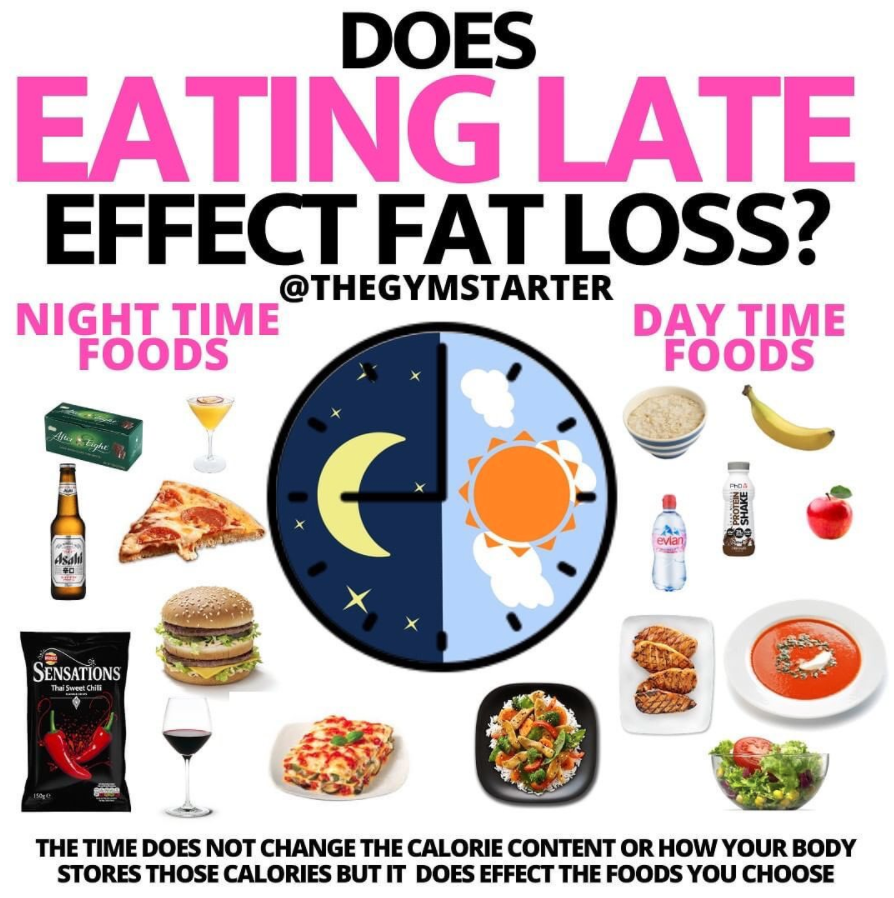
Late-night snacking has been linked to weight gain, disrupted sleep patterns, and negative effects on digestion and metabolism. When we consume food close to bedtime, our body’s metabolism slows down, making it harder for the body to burn calories efficiently. Additionally, eating before bed can disrupt sleep, leading to fatigue and decreased cognitive function. It’s essential to recognize the consequences of late-night snacking in order to make healthier choices and improve overall well-being.
Factors that contribute to late-night snacking
Several factors can contribute to late-night snacking. One common reason is the indulgence in unhealthy cravings, often triggered by boredom, stress, or emotional discomfort. The availability of tempting snacks in the kitchen and a lack of nutritious alternatives can also contribute to this habit. By identifying the factors that contribute to late-night snacking, we can begin to address them and develop healthier alternatives.
Psychological reasons behind late-night snacking
Late-night snacking can sometimes be driven by psychological factors. Emotional eating, for instance, occurs when individuals use food as a way to cope with emotional stress or to enhance their mood. Understanding emotional triggers for nighttime snacking and developing alternative coping mechanisms can help break this cycle.
Recognizing the Consequences
Weight gain and its correlation to late-night snacking
Late-night snacking is often associated with weight gain. When we consume excess calories during the evening hours, our body is less likely to burn them off effectively. The surplus calories are then stored as fat, leading to weight gain over time. Recognizing the correlation between late-night snacking and weight gain can motivate us to make healthier choices and develop a more balanced approach to eating.
Disrupted sleep patterns due to snacking at night
Snacking close to bedtime can disrupt our sleep patterns, leading to restless nights and groggy mornings. When we eat before bed, our digestive system remains active, which can interfere with the body’s natural sleep process. The resulting lack of quality sleep can have detrimental effects on both physical and mental health, making it essential to establish healthy nighttime routines that prioritize restful sleep.
Negative impact on digestion and metabolism
Late-night snacking can have negative effects on digestion and metabolism. Our body’s digestion process slows down as we prepare for sleep, making it harder for our system to process food efficiently. This can lead to issues such as indigestion, heartburn, and discomfort throughout the night. Additionally, late-night snacking inhibits the body’s ability to metabolize food effectively, potentially leading to weight gain and other health problems.
Creating a Healthy Eating Schedule
To counter the habit of nighttime snacking, it is crucial to establish a healthy eating schedule that ensures regular and balanced meals throughout the day.
Establishing regular meal times
Set specific times for your meals and stick to them as closely as possible. By spacing meals consistently throughout the day, you can help keep hunger at bay and minimize the temptation to snack late at night. Aim for three meals a day and incorporate nutritious snacks between meals to maintain a steady energy level.
The importance of a balanced breakfast
Start your day off right with a balanced and nutritious breakfast. Eating a hearty breakfast can help curb cravings later in the day and provide you with the energy you need to stay focused and productive. Include a combination of protein, whole grains, and fruits or vegetables to create a satisfying and nourishing meal.
Planning nutritious meals throughout the day
Make a conscious effort to plan and prepare nutritious meals for the entire day. Include a variety of fruits, vegetables, whole grains, lean proteins, and healthy fats in your meals to ensure you are receiving a wide range of essential nutrients. This will help keep you feeling satisfied and minimize the desire to reach for unhealthy snacks during late-night hours.
Dealing with Cravings
Cravings can be a significant roadblock when trying to avoid nighttime snacking. Here are some strategies to help you address and manage those cravings effectively.
Understanding the difference between hunger and cravings
It is essential to distinguish between genuine hunger and cravings. Cravings are often triggered by emotions, stress, or certain habits, whereas hunger is a physiological need for nourishment. By identifying the root cause of your cravings, you can find alternative ways to address those underlying issues without resorting to unhealthy snacks.
Identifying triggers for nighttime cravings
Take the time to reflect on what triggers your cravings for late-night snacks. Is it boredom, stress, or certain activities? By identifying these triggers, you can proactively find healthier alternatives to address those needs. For example, if you find that stress triggers your cravings, you can practice relaxation techniques like deep breathing or engage in a calming activity instead of reaching for a snack.
Healthy alternatives to satisfy cravings
When cravings strike, it’s essential to have healthier alternatives on hand. Stock your kitchen with nutritious snacks such as fresh fruit, vegetables with hummus, or a handful of nuts. These options can help satisfy your craving while providing essential nutrients and helping you stay on track with your healthy eating goals.

Creating a Snack-Free Environment
To avoid late-night snacking, it is crucial to create an environment that is conducive to healthier choices and minimizes temptation.
Removing tempting snacks from the kitchen
Start by removing any tempting snacks from your kitchen. If they’re not readily available, you’ll be less likely to reach for them during late-night hours. Clear out your pantry and refrigerator of unhealthy options, and replace them with nutritious alternatives. This initial step is key to setting yourself up for success in breaking the habit of late-night snacking.
Organizing your kitchen to promote healthier choices
Organize your kitchen in a way that promotes healthier choices. Make nutritious snacks visible and easily accessible, while placing less healthy options out of sight or on higher shelves. This simple reorganization can make a significant difference in your ability to make healthy choices throughout the day and reduce the temptation to snack at night.
Stocking up on nutritious snacks
Ensure you have a variety of nutritious snacks readily available at all times. Stock up on fresh fruits, cut vegetables in containers, yogurt, or pre-portioned healthy snacks. Having these options on hand makes it easier to grab a nutritious snack when hunger strikes, reducing the desire for late-night snacking.
Developing Healthy Nighttime Routines
Establishing healthy nighttime routines can help curb late-night snacking and promote better sleep patterns.
Engaging in relaxing activities before bed
Engaging in relaxing activities before bed can help calm your mind and prepare your body for sleep. Establish a bedtime routine that includes activities like reading a book, taking a warm bath, or practicing relaxation techniques such as meditation or gentle yoga. By winding down and reducing stress before bed, you’ll be less likely to turn to late-night snacking as a way to soothe your mind.
Establishing a consistent sleep schedule
Maintaining a consistent sleep schedule is crucial for overall well-being and can help reduce the desire for late-night snacking. Set a specific bedtime and wake-up time that allows for a sufficient amount of sleep each night. By following a consistent sleep routine, you can support your body’s natural sleep-wake cycle and optimize your health.
Avoiding screen time close to bedtime
The blue light emitted by electronic devices can interfere with the body’s production of melatonin, a hormone that regulates sleep. Avoid screen time, including television, smartphones, and tablets, for at least an hour before bed. Instead, engage in relaxing activities that promote restful sleep and reduce the likelihood of turning to late-night snacking as a form of entertainment or distraction.
Mindful Eating Practices
Practicing mindful eating can help you develop a healthier relationship with food and reduce the tendency to snack at night.
Practicing mindfulness during meals
Take the time to savor and fully experience your meals. Pay attention to the smells, tastes, and textures of the food you are eating. Chew slowly and pause between bites, allowing yourself to feel the sensation of being satisfied before reaching for more. By practicing mindful eating, you can cultivate a deeper appreciation for food and prevent mindless snacking later on.
Paying attention to hunger and fullness cues
Listen to your body’s hunger and fullness cues. Are you eating because you’re genuinely hungry, or are you eating out of habit or boredom? Eat until you feel comfortably full, but not overly stuffed. By tuning in to your body’s signals, you can better regulate your eating patterns and reduce the inclination to snack late at night.
Enjoying the experience of eating without distractions
Avoid eating while engaging in other activities such as watching television or working on your computer. This leads to mindless eating, often resulting in overconsumption and the desire for more food later on. Instead, create a space free of distractions and allow yourself to fully enjoy the experience of eating, savoring each bite and being present in the moment.
Creating Accountability and Support
Creating accountability and seeking support can significantly contribute to breaking the habit of nighttime snacking.
Seeking support from friends or family
Share your goals and challenges with friends or family members who can provide support and encouragement. Let them know about your commitment to stop snacking at night, and ask for their help in holding you accountable. Having someone to share your journey with can make the process more enjoyable and increase your chances of success.
Joining a community or support group
Consider joining a community or support group focused on healthy eating or overcoming nighttime snacking. Engaging with like-minded individuals who are facing similar challenges can provide valuable insights, tips, and motivation. These communities offer a safe space to share your experiences and gain support from others on a similar journey.
Tracking progress and celebrating milestones
Keep track of your progress in overcoming nighttime snacking and celebrate milestones along the way. This can be as simple as marking off days on a calendar or using a tracking app to record your achievements. Celebrate your accomplishments, no matter how small, as this will reinforce your commitment and inspire you to continue making healthy choices.
Addressing Emotional Eating
Emotional eating is a common reason behind late-night snacking. By addressing emotional triggers and developing alternative coping mechanisms, you can break the cycle of relying on food for comfort.
Identifying emotional triggers for nighttime snacking
Take the time to identify the emotions and situations that trigger your nighttime snacking. Are you using food to cope with stress, sadness, or boredom? Understanding the root causes of your emotional eating can help you find healthier ways to address those emotions without turning to food.
Developing alternative coping mechanisms
Find alternative coping mechanisms that are not food-related. Engaging in activities such as journaling, talking to a friend, going for a walk, or practicing relaxation techniques can help you manage your emotions in a healthier way. Experiment with different strategies and find what works best for you to replace the habit of late-night snacking.
Seeking professional help if necessary
If emotional eating becomes overwhelming and affects your overall well-being, consider seeking professional help. A therapist or counselor can provide guidance and support in addressing the underlying emotional issues that contribute to late-night snacking. They can help you develop healthier coping mechanisms and provide tools to break free from this cycle.
Conclusion
Snacking at night can have various negative consequences on our health and well-being, from weight gain to disrupted sleep patterns and digestive issues. However, by recognizing the impact of late-night snacking, creating a healthy eating schedule, dealing with cravings, and developing healthy nighttime routines, we can break the habit and embrace a healthier approach to eating.
By practicing mindful eating, creating a snack-free environment, and seeking accountability and support, we can overcome emotional eating and address the root causes behind nighttime snacking. Remember, it’s essential to be patient and kind to yourself throughout this journey. Celebrate your progress, learn from setbacks, and focus on the positive changes you’re making towards embracing healthier habits and promoting overall well-being.
How To Stop Over Eating

Are you tired of constantly overeating and feeling guilty afterwards? Do you wish you knew how to control your portions and eat more mindfully? Well, you’re in luck! In this article, we will discuss some helpful strategies on how to stop overeating and develop healthier eating habits. Whether you’re trying to lose weight or simply want to feel more in control of your eating, these tips will surely benefit you.
So, let’s dive right in and explore the world of mindful eating and portion control. We will take a closer look at the psychological and physical factors that contribute to overeating, as well as provide practical tips and techniques to help you break free from this habit. From mindful eating practices to creating an environment that supports healthier choices, we’ve got you covered! So, if you’re ready to take control of your eating habits and embark on a journey towards a healthier lifestyle, keep reading to learn more.
How To Stop Over Eating
Do you often find yourself eating beyond satisfaction, even when you’re not hungry? If you struggle with overeating, you’re not alone. Overeating is a common issue that can have negative effects on your physical and mental well-being. The good news is that there are steps you can take to regain control over your eating habits and develop a healthier relationship with food. In this article, we will explore various strategies to help you stop overeating and embrace a sustainable and balanced approach to eating.
Understanding Overeating
What is overeating?
Overeating refers to the act of consuming more food than your body needs for sustenance. It is often characterized by eating beyond the point of fullness or eating in response to emotions rather than physical hunger. Overeating can occur occasionally or become a regular habit, leading to weight gain, digestive issues, and emotional distress.
Causes of overeating
Several factors can contribute to overeating. Emotional triggers, such as stress, boredom, or sadness, can lead to seeking comfort in food. Environmental triggers, such as the availability of tempting snacks or large portion sizes, can also encourage overeating. Additionally, social triggers, like eating in social settings or feeling pressure to finish your plate, can influence your eating behavior.
Physical signs of overeating
Recognizing the physical signs of overeating can help you become more mindful of your eating habits. These signs may include feeling overly full or bloated, experiencing abdominal discomfort, or needing to loosen your clothing after a meal. Paying attention to these cues can help you become more aware of your body’s signals and make more conscious choices about when to stop eating.
Effects of Overeating
Weight gain and obesity
One of the most apparent effects of overeating is weight gain. Consuming more calories than your body needs leads to an excess of energy, which is stored as fat. Over time, this can contribute to weight gain and, in severe cases, obesity. Excess weight can increase your risk of various health issues, including heart disease, diabetes, and joint problems.
Digestive issues
Overeating can put a strain on your digestive system, leading to discomfort and digestive issues. Large meals can lead to bloating, indigestion, and acid reflux. Additionally, consuming excessive amounts of unhealthy foods, such as processed or high-fat foods, can disrupt your digestive processes and result in constipation or diarrhea.
Emotional and psychological effects
Overeating is often linked to emotional and psychological factors. Many individuals use food as a way to cope with emotions, such as stress, sadness, or frustration. However, this can create a cycle of emotional eating, where food becomes a primary source of comfort. Over time, this emotional dependence on food can lead to feelings of guilt, shame, and low self-esteem.
Recognizing Triggers
Identifying emotional triggers
Understanding your emotional triggers can help you interrupt the cycle of overeating. Take note of situations or emotions that make you reach for food when you’re not physically hungry. For example, you may notice that you tend to eat more when you’re stressed at work or feeling lonely. Identifying these triggers can help you develop alternative coping mechanisms that don’t involve food.
Environmental triggers
Your environment plays a significant role in influencing your eating habits. Take a look at your surroundings and identify any environmental triggers that may encourage overeating. This could include having unhealthy snacks readily available or being in an environment where overeating is the norm, such as at social gatherings or buffets. Making changes to your environment, such as stocking your kitchen with nutritious foods and removing tempting snacks, can help create a healthier environment for making food choices.
Social triggers
Social situations can often lead to overeating, especially when eating out or with others who encourage excessive eating. Peer pressure or the desire to fit in may cause you to keep pace with others, even when you’re full. Recognizing these social triggers and learning to politely decline or practice portion control can help you navigate these situations without overeating.
Creating a Healthy Environment
Stocking your kitchen with nutritious foods
One way to prevent overeating is to have a kitchen stocked with nutritious foods that support your health goals. Fill your pantry and refrigerator with fresh fruits and vegetables, lean proteins, whole grains, and healthy snacks. Having these options readily available makes it easier to make nourishing choices rather than reaching for unhealthy processed foods.
Eliminating tempting snacks
Removing tempting snacks from your environment can help reduce the chances of mindless snacking and overeating. Get rid of any foods that you find particularly challenging to resist or replace them with healthier alternatives. Instead of having a bag of chips readily available, stock your pantry with nuts or cut-up vegetables for a satisfying and nutritious snack option.
Meal planning and prepping
Meal planning and prepping can significantly contribute to healthier eating habits and prevent overeating. By planning and preparing your meals in advance, you are less likely to make impulsive and unhealthy food choices during moments of hunger or stress. Set aside time each week to plan your meals, create a shopping list, and prepare nutritious meals and snacks in advance. This way, you always have healthier options ready to eat when hunger strikes.

Developing Healthy Habits
Mindful eating
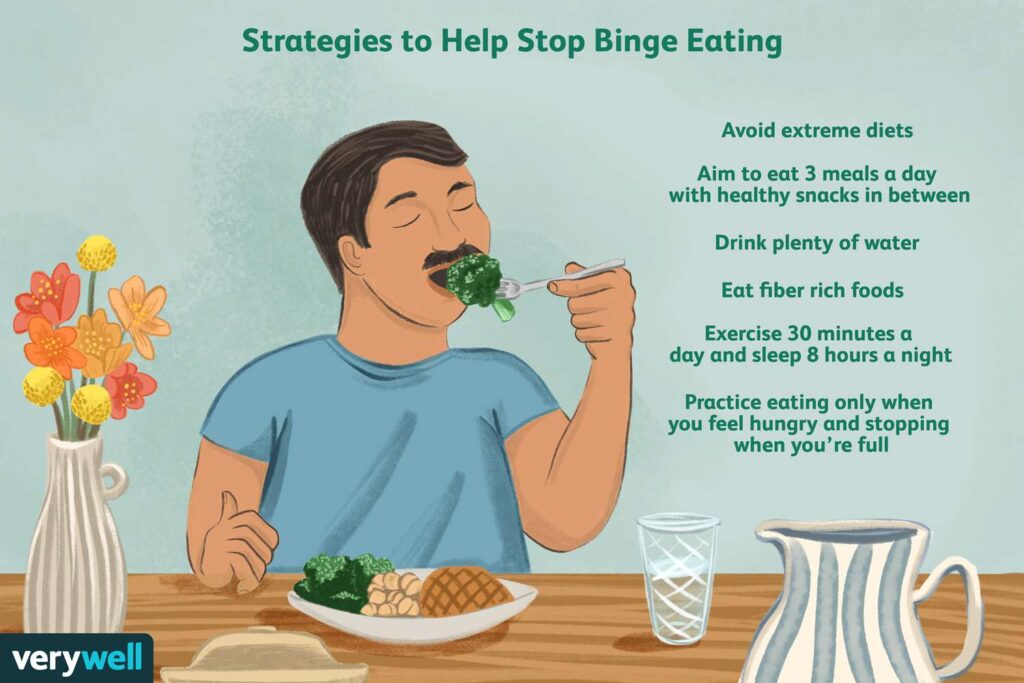
Practicing mindful eating can help you become more attuned to your body’s hunger and fullness cues, preventing overeating. Instead of rushing through your meals or eating while distracted, take the time to savor each bite, chew slowly, and pay attention to the flavors, textures, and sensations of the food. Eating mindfully allows you to fully enjoy your meals and tune into your body’s signals of satisfaction and fullness.
Portion control
Monitoring your portion sizes is another important aspect of preventing overeating. It’s easy to lose track of how much you’re eating, especially when consuming foods that are calorie-dense or highly palatable. Use visual cues, such as smaller plates and bowls, or measuring utensils to help you gauge appropriate portion sizes. Understanding proper portion sizes for different food groups and being mindful of serving sizes can help you maintain a balanced intake and prevent overeating.
Eating balanced meals
Ensuring that your meals are balanced with a variety of nutrients can help you feel satisfied and reduce the chances of overeating later. Include a source of lean protein, whole grains, and plenty of vegetables in each meal. Protein and fiber-rich foods can help keep you full for longer, preventing excessive snacking and overeating.
Managing Stress and Emotions
Finding alternative coping mechanisms
To break the cycle of emotional eating, it’s essential to find alternative coping mechanisms for stress and emotions. Engage in activities that help you relax and unwind, such as exercise, meditation, or hobbies you enjoy. Explore other ways to express your emotions, such as journaling, talking to a trusted friend or family member, or seeking professional help if needed.
Stress-reducing activities
Engaging in stress-reducing activities can help prevent stress-induced overeating. Regular exercise, deep breathing exercises, or practicing mindfulness techniques can help reduce stress levels and promote a healthier relationship with food. Find activities that help you unwind and find balance in your life, as stress and emotional turmoil often contribute to overeating.
Seeking emotional support
Seeking emotional support from friends, family, or a therapist can be beneficial when trying to overcome overeating. Sharing your struggles with someone you trust can help alleviate feelings of shame or guilt and provide you with a support system. Additionally, a therapist or counselor can help you address any underlying emotional issues related to overeating and provide guidance on healthier coping mechanisms.
Improving Self-Control
Setting realistic goals
Setting realistic and achievable goals is essential when working towards overcoming overeating. Unrealistic expectations and rigid rules often lead to frustration and setbacks. Start by setting small, manageable goals and gradually increase them over time as you build confidence and develop healthier habits.
Practicing delayed gratification
Learning to delay immediate gratification can help you build self-control and make more conscious food choices. When faced with an impulse to overeat, take a moment to pause and consider the potential consequences. Remind yourself of your long-term health goals and the benefits of making healthier choices instead.
Avoiding restrictive diets
Restrictive diets or severe food restrictions often lead to feelings of deprivation and can trigger episodes of overeating. Instead of focusing on what you can’t eat, adopt a balanced and flexible approach to eating. Allow yourself to enjoy a variety of foods in moderation, while also prioritizing nutrient-dense options that support your overall health.
Seeking Professional Help
Consulting a nutritionist
If you’re struggling to develop a healthy relationship with food and overcome overeating, seeking guidance from a nutritionist can be helpful. A nutritionist can provide personalized advice, create a customized meal plan, and help you navigate specific dietary requirements or restrictions. They can also provide strategies for managing portion control and emotional eating.
Working with a therapist
Therapy can be beneficial in addressing the underlying emotional issues that contribute to overeating. A therapist can help you explore the emotional triggers associated with overeating and develop healthier coping mechanisms. Cognitive-behavioral therapy (CBT) and mindful eating techniques are often effective in treating overeating disorders and promoting long-term behavior change.
Joining support groups
Connecting with others who are going through similar struggles can provide a sense of community and support. Consider joining a support group for individuals dealing with overeating or attending meetings such as Overeaters Anonymous. These groups can offer guidance, encouragement, and accountability as you work towards overcoming overeating.

Creating a Sustainable Lifestyle
Adopting a balanced approach
Rather than following short-term diets or restrictive eating plans, focus on adopting a balanced approach to your overall lifestyle. Make sustainable changes that you can maintain in the long run, such as incorporating regular physical activity, choosing nutrient-dense foods, and practicing mindful eating. Consistency and moderation are key to developing a healthy relationship with food and preventing overeating.
Slow and steady progress
Remember that progress takes time, and change doesn’t happen overnight. Be patient with yourself as you work towards overcoming overeating. Celebrate small victories along the way and acknowledge that setbacks are normal. Embrace the journey of self-improvement and focus on making gradual, positive changes to your eating habits and mindset.
Rewarding yourself
Rewarding yourself for your efforts can help reinforce positive behaviors and keep you motivated. Find non-food-related ways to celebrate your achievements, such as treating yourself to a massage, purchasing a new book, or planning a fun outing. Celebrating milestones along your journey can make the process more enjoyable and inspire you to continue working towards your goals.
Conclusion
Overeating is a common struggle that can have significant effects on your physical and mental well-being. By understanding the causes and effects of overeating, recognizing triggers, creating a healthy environment, developing healthy habits, managing stress and emotions, improving self-control, seeking professional help when needed, and embracing a sustainable lifestyle, you can overcome overeating and develop a healthier relationship with food. Remember to take small steps towards change, be patient with yourself, and enjoy the benefits of stopping overeating. You have the power to regain control and create a positive and nourishing relationship with food.
How To Stop Eating Raw Rice

Have you ever found yourself munching on handfuls of raw rice without even realizing it? Well, you’re not alone! It may seem like a strange habit, but many people find themselves mindlessly snacking on raw rice. In this article, we’ll explore why you might be doing this and, more importantly, how you can stop. So, if you’re curious to know how to kick this unusual habit, keep reading!
Now, let’s dig into why some people feel the compulsive urge to eat raw rice. One possible reason is a condition known as Pica, which is characterized by a craving for non-nutritive substances like dirt, clay, or in this case, raw rice. Pica can be caused by nutritional deficiencies or underlying mental health issues. We’ll delve into these factors and their potential solutions in more detail in the upcoming article. So, if you’re ready to understand why you might be eating raw rice and discover effective ways to put an end to it, stay tuned!
How To Stop Eating Raw Rice
Eating raw rice may seem like an odd habit to some, but for those who struggle with this compulsion, it can be a daily battle. This article will provide insights into understanding the compulsion to eat raw rice, exploring the reasons behind it, and examining its impact. It will also offer practical steps to seek professional help, develop healthy eating habits, implement gradual change, find alternative coping mechanisms, break the habit, build a support system, maintain consistency, and deal with relapses.
Understanding the Compulsion
Recognizing the Problem: The first step in overcoming any compulsion is to acknowledge and recognize that there is a problem. If you find yourself regularly consuming raw rice, it is essential to understand that this behavior is not healthy and may have underlying causes that need to be addressed.
Exploring the Reasons: Understanding the reasons behind the compulsion to eat raw rice is crucial in finding solutions. It may be a result of emotional or psychological factors, such as stress, anxiety, or a way to cope with certain emotions. It could also be due to nutritional deficiencies or certain sensory preferences.
Examining the Impact: Eating raw rice can have detrimental effects on your physical and mental well-being. It can cause digestive issues, such as stomach pain, constipation, or bloating. Furthermore, it can lead to micronutrient deficiencies, affecting your overall health. Recognizing the negative impact it has on your life can motivate you to take the necessary steps to stop this habit.
Seeking Professional Help
Consulting a Nutritionist: A nutritionist can help identify any underlying nutritional deficiencies that may be causing the compulsion to eat raw rice. They can design a personalized meal plan that ensures you receive adequate nutrients through a balanced diet, reducing your cravings for non-nutritive substances like raw rice.
Visiting a Therapist: A therapist or counselor can help explore the emotional and psychological factors that may contribute to this habit. They can provide strategies to manage stress, anxiety, or other triggers that lead to the compulsion. Therapy sessions can be a valuable resource in uncovering and addressing the root causes of the problem.
Joining Support Groups: Support groups for individuals with eating disorders or similar compulsive behaviors can provide a safe and understanding environment to share experiences and strategies for overcoming this habit. Connecting with others who have similar struggles can be empowering and offer valuable insights on the recovery journey.
Developing Healthy Eating Habits
Creating a Meal Plan: A structured meal plan can help you establish a healthier eating routine. Plan your meals in advance, ensuring they include a variety of nutritious foods. This way, you can meet your nutritional needs while reducing the urge to eat non-nutritive substances like raw rice.
Including Nutritious Foods: Incorporate a wide range of nutrient-dense foods into your diet, including fruits, vegetables, whole grains, lean meats, and healthy fats. These foods will provide your body with the essential vitamins and minerals it needs, reducing the cravings for raw rice.
Understanding Portion Control: Learning about portion sizes can help you develop a healthier relationship with food. Investigate serving sizes and practice mindful eating to avoid overeating. By portioning your meals appropriately, you can ensure you are meeting your nutritional needs without turning to raw rice.
Implementing Gradual Change
Setting Realistic Goals: It is essential to set achievable goals when trying to break the habit of eating raw rice. Start with small, attainable milestones and gradually work towards larger ones. Celebrate your achievements along the way to stay motivated and focused on your progress.
Making Small Adjustments: Instead of trying to quit cold turkey, make small adjustments to your eating habits. Replace the raw rice with healthier alternatives, such as cooked rice or other whole grains. Gradually decrease the amount of raw rice consumed while increasing your intake of nutritious foods.
Tracking Progress: Keep a journal to track your progress and reflect on your journey. Note your cravings, triggers, and any positive changes you have experienced. Monitoring your progress will help you stay accountable and identify patterns that can aid in overcoming the compulsion.
Finding Alternative Coping Mechanisms
Identifying Triggers: Recognize the triggers that lead to your compulsion to eat raw rice. It could be stress, boredom, or specific situations. Once you have identified your triggers, find healthier coping mechanisms to replace the urge to consume raw rice.
Engaging in Stress-Relieving Activities: Explore different activities that help reduce stress and anxiety. Engage in exercise, yoga, meditation, or deep breathing exercises to calm your mind and relieve tension. By finding healthier ways to manage stress, you can minimize the reliance on raw rice for comfort.
Exploring New Hobbies: Distract your mind from the compulsion by exploring new hobbies or activities that keep you engaged. Find something you enjoy, such as painting, gardening, or reading, to redirect your focus and channel your energy into more productive endeavors.
Breaking the Habit
Removing Temptations: Remove any raw rice from your immediate environment to reduce the temptation. Clean out your pantry or storage areas to eliminate the physical reminders of the habit. The absence of raw rice will make it easier to resist the compulsion.
Using Substitutes: If you find it challenging to quit cold turkey, consider using substitutes to gradually break the habit. Switch to healthier alternatives like cooked rice or other whole grains. This way, you can satisfy your cravings while still providing your body with necessary nutrients.
Distracting Yourself: When the urge to eat raw rice arises, distract yourself with other activities or tasks. Take a walk, call a friend, or engage in a hobby to divert your attention away from the compulsion. By refocusing your mind, you can break the habit more effectively.
Building a Support System
Seeking Support from Loved Ones: Share your journey with your loved ones and seek their support. Their understanding and encouragement can be invaluable during challenging times. Communicating openly about your struggles and progress will establish a strong support system.
Engaging in Group Activities: Participating in group activities or engaging with like-minded individuals can provide a sense of belonging and support. Join local clubs or organizations that focus on healthy eating or participate in fitness classes. Connecting with others who share similar goals can help you stay motivated and committed.
Finding an Accountability Buddy: Having someone to hold you accountable can greatly enhance your chances of success. Find a trustworthy friend or family member who can check in with you regularly, offering encouragement and support. Knowing you have someone rooting for you will boost your determination to overcome the compulsion.
Maintaining Consistency
Establishing Daily Routines: Create daily routines that support your goals. This includes meal planning, setting consistent mealtimes, and incorporating self-care activities into your schedule. By establishing regularity in your routine, you reduce the likelihood of succumbing to old habits.
Setting Reminders: Use reminders and cues throughout your day to stay focused on your goals. Set alarms, leave sticky notes, or use smartphone apps to prompt you to make healthy choices and avoid the compulsion to consume raw rice.
Celebrating Milestones: Recognize and celebrate your achievements along the way. Small milestones, such as going a week without consuming raw rice or trying a new nutritious recipe, deserve acknowledgement. By celebrating your progress, you reinforce positive behaviors and motivate yourself to continue on the path of recovery.
Dealing with Relapses
Understanding the Nature of Relapse: Relapses can happen on the journey to breaking any habit, and it’s important to understand that setbacks are a normal part of the process. Instead of beating yourself up over a relapse, use it as an opportunity to learn and grow. Reflect on the triggers and circumstances that led to the relapse, and use that knowledge to develop better coping strategies in the future.
Avoiding Self-Blame: Overcoming the compulsion to eat raw rice is a challenging process, and it is essential to be kind to yourself. Avoid blaming yourself or feeling guilty for relapses. Instead, focus on your progress, and recognize that each step forward brings you closer to breaking the habit.
Refocusing and Restarting: In the event of a relapse, refocus your energy and commitment to breaking the habit. Remind yourself of your reasons for wanting to stop eating raw rice and recommit to your goals. Use the knowledge and strategies you have gained from previous attempts to make this time more successful.
Conclusion
If you are struggling with the compulsion to eat raw rice, understanding the problem, seeking professional help, developing healthy eating habits, implementing gradual change, finding alternative coping mechanisms, breaking the habit, building a support system, maintaining consistency, and dealing with relapses are vital steps towards recovery. Remember, overcoming this habit takes time, patience, and determination. With the right tools and support, you can regain control over your eating habits and lead a healthier, happier life.
How To Stop Feeling Hungry Without Eating

Have you ever found yourself constantly feeling hungry, even after you’ve just finished a meal? It can be incredibly frustrating and difficult to resist the temptation to snack constantly. But fear not, because in this article, you’ll learn some helpful tips and tricks on how to stop feeling hungry without resorting to eating.
Sometimes, the feeling of hunger may not actually be due to a need for more food. It could be a result of other factors such as dehydration or boredom. By recognizing these triggers, you can find healthier alternatives to satisfy your cravings. For example, if you feel the urge to snack out of boredom, try engaging in a stimulating activity like going for a walk or picking up a book. Additionally, staying hydrated throughout the day can also help curb unnecessary feelings of hunger. So, if you’re eager to learn more about how to overcome constant hunger without endlessly grazing on snacks, keep reading our article. You’ll be armed with knowledge on how to manage your hunger and make healthier choices for yourself.
How To Stop Feeling Hungry Without Eating

Understanding Hunger
Hunger is a natural physiological response that occurs when your body needs nourishment. However, in today’s modern society, it can often be challenging to manage hunger and prevent overeating. Understanding the science behind hunger and the factors that contribute to it is the first step towards finding healthy ways to satisfy your body’s needs. In this article, we will explore various mental and physical techniques, as well as lifestyle changes, to help you manage hunger effectively without solely relying on food.
The Science Behind Hunger
Hunger is regulated by a complex interaction between your brain, hormones, and other bodily systems. The hypothalamus, a small region in your brain, plays a vital role in controlling hunger and satiety. When your body requires nourishment, the hypothalamus secretes specific hormones that stimulate sensations of hunger. On the contrary, when you are full, hormones like leptin are released to signal satiety.
Additionally, the ghrelin hormone, often referred to as the “hunger hormone,” is responsible for triggering hunger pangs. Ghrelin levels increase before meals and decrease after you’ve eaten, influencing your hunger and appetite.
Factors that Contribute to Hunger
Apart from the physiological aspects, several factors contribute to hunger:
- Stress: When you’re under stress, your body releases cortisol, which can increase your appetite and lead to emotional eating.
- Lack of sleep: Insufficient sleep disrupts hormonal regulation, increasing feelings of hunger and cravings for high-calorie foods.
- Lifestyle choices: Poor diet, lack of physical activity, and irregular eating habits can all contribute to increased hunger.
Understanding these factors allows you to address them effectively and develop strategies to manage hunger without solely relying on food.
Mental Techniques to Manage Hunger
Mastering mindful eating, visualizations, and distraction techniques can help you gain better control over your hunger cravings. By redirecting your focus and becoming more in tune with your body’s signals, you can prevent unnecessary eating and make healthier choices.
Mindful Eating
Practicing mindful eating involves being fully present and engaged during your meals. Pay attention to the taste, texture, and aroma of your food. Chew slowly and savor each bite. By doing so, you allow your brain to register the signals of satiety, preventing overeating.
Visualizations and Imagery
Visualizations and guided imagery can be powerful tools to manage hunger. Imagine yourself feeling satisfied and content after a nutritious meal. Visualize your body being nourished and energized by the food you consume. By visualizing the end result, you can reduce feelings of hunger and make more mindful choices.
Distraction Techniques
Engaging in activities that divert your attention away from food can be an effective way to control hunger. This could include hobbies, exercise, reading, or spending time with friends and family. By occupying your mind with other stimulating activities, you are less likely to fixate on hunger.

Physical Techniques to Manage Hunger
In addition to mental techniques, certain physical strategies can help you manage hunger effectively without overeating.
Drinking Water
One of the simplest and most overlooked ways to curb hunger is to stay hydrated. Drinking a glass of water before a meal can help you feel fuller and reduce your appetite. Keeping yourself adequately hydrated throughout the day also helps prevent mistaking thirst for hunger.
Chewing Gum
Chewing sugar-free gum can be an excellent way to keep your mouth busy and distract yourself from hunger. The act of chewing helps stimulate saliva production, which can temporarily satisfy your craving for food. However, it’s important to choose sugar-free gum to avoid unnecessary calorie intake.
Eating High-Fiber Foods
Including high-fiber foods in your meals can help you stay full for longer periods. Fiber takes longer to digest, promoting satiety and reducing the likelihood of overeating. Foods such as whole grains, fruits, vegetables, and legumes are excellent sources of fiber.
Adding Protein to Meals
Protein-rich foods have been shown to increase feelings of fullness and reduce overall calorie intake. Including lean meats, fish, eggs, tofu, or legumes in your meals can help manage hunger more effectively. Protein also plays a crucial role in maintaining muscle mass and supporting your body’s functions.
Lifestyle Changes to Prevent Hunger
Implementing certain lifestyle changes can go a long way in preventing excessive hunger and controlling your cravings.
Establishing Regular Meal Times
Eating at regular intervals can help regulate your hunger and prevent overeating. Try to establish a consistent eating schedule that aligns with your body’s natural rhythm. Avoid skipping meals, as it can lead to a rapid increase in hunger and promote unhealthy food choices.
Eating Balanced Meals
Prioritizing balanced meals that contain a mix of macronutrients – carbohydrates, proteins, and fats – is essential for managing hunger effectively. Balanced meals help stabilize blood sugar levels, preventing sudden spikes and crashes that can trigger excessive hunger.
Getting Enough Sleep
Adequate sleep is crucial for maintaining overall health, including managing hunger. Lack of sleep disrupts the natural hormonal balance, leading to an increase in hunger and cravings. Aim for seven to eight hours of quality sleep each night to support your body’s hunger regulation.

Understanding Emotional Hunger
In addition to physical hunger, emotional hunger is another aspect that needs to be addressed when managing your cravings effectively.
Differentiating Emotional and Physical Hunger
Emotional hunger is often triggered by emotions, such as stress, boredom, or sadness, rather than actual physiological hunger. It involves a desire to eat as a coping mechanism for these emotions. Learning to differentiate between emotional and physical hunger is crucial for finding alternative ways to satisfy your emotional needs without overeating.
Coping Mechanisms for Emotional Hunger
Instead of turning to food, finding healthy coping mechanisms for emotional hunger can help manage cravings effectively. Engaging in activities that provide emotional support, such as talking to a friend, practicing relaxation techniques, or journaling, can help address the underlying emotions without turning to food for comfort.
Alternative Ways to Satisfy Hunger
Sometimes, hunger can be satisfied through non-food options and physical activities.
Exploring Non-Food Options
When you experience a mild hunger pang, try exploring non-food options to satisfy your cravings. Drinking a cup of herbal tea, chewing on a piece of sugar-free gum, or enjoying a warm broth can provide temporary satisfaction. These options can help manage hunger without adding unnecessary calories to your diet.
Engaging in Physical Activity
Engaging in physical activity, such as taking a walk or doing light exercises, can help distract your mind from hunger. Exercise stimulates the release of endorphins, which can improve your mood and reduce cravings. Additionally, physical activity helps regulate appetite and promotes overall well-being.

Listening to Your Body
Recognizing genuine hunger cues and evaluating your lifestyle and dietary habits are essential for effectively managing hunger.
Recognizing Genuine Hunger
Learning to identify genuine hunger cues is crucial to prevent mindless snacking and overeating. Genuine hunger presents itself as physical sensations, such as a rumbling stomach, decreased energy levels, or a slight lightheadedness. Paying attention to these cues helps you determine when it’s time to eat and when it’s not.
Evaluating Lifestyle and Dietary Habits
Regularly evaluating your lifestyle and dietary habits allows you to identify patterns and make necessary adjustments. Assess whether you are eating a balanced diet, getting enough physical activity, and managing stress effectively. Making gradual changes to align these habits with your body’s needs can help manage hunger more efficiently.
The Role of Fasting
Fasting has gained popularity as a strategy for managing hunger and promoting overall health. While there are various fasting methods, intermittent fasting is a widely practiced approach.
Intermittent Fasting as a Strategy
Intermittent fasting involves limiting your eating window and abstaining from food during certain periods. This practice helps regulate your hunger hormones, improve insulin sensitivity, and facilitate weight loss. However, it is important to consult a healthcare professional before starting any fasting regimen, as it may not be suitable for everyone, especially those with underlying medical conditions.
Consulting a Healthcare Professional
If you struggle with managing hunger or have specific dietary needs, consulting a healthcare professional, such as a registered dietitian or nutritionist, can provide personalized guidance and recommendations. They can evaluate your unique circumstances and help you develop a sustainable plan to manage hunger effectively.

Busting Common Myths
There are several misconceptions surrounding hunger and eating patterns. Let’s debunk a couple of common myths.
You Have to Eat Every Few Hours to Avoid Hunger
Contrary to popular belief, you don’t have to eat every few hours to prevent hunger. The frequency and timing of your meals can vary depending on your body’s needs and your lifestyle. Focus on eating balanced meals and listening to your body’s hunger cues rather than adhering to rigid timing schedules.
Skipping Meals is Unhealthy
While it is important to fuel your body with adequate nutrition, occasional meal skipping does not necessarily lead to negative health outcomes. In fact, some individuals find intermittent fasting or occasional meal omission beneficial. However, consistency and balance should be maintained to ensure overall well-being. Listening to your body and practicing mindful eating are key factors to consider when deciding whether to skip a meal.
Conclusion
Feeling hungry is a normal sensation that everyone experiences. However, managing hunger effectively without solely relying on food is crucial for maintaining a healthy lifestyle. By understanding the science behind hunger, implementing mental and physical techniques, making lifestyle changes, and recognizing emotional hunger, you can find alternative ways to satisfy your body’s needs. Remember to listen to your body’s cues, consult healthcare professionals when needed, and make gradual and sustainable changes to support your overall well-being.
What Is Stress Eating

Have you ever found yourself reaching for a bag of chips or a tub of ice cream when you’re feeling stressed? It’s a common occurrence for many people, but have you ever wondered why we turn to food when we’re feeling overwhelmed? In this article, we’ll delve into the world of stress eating and explore why it happens and how it can affect our bodies and minds. By the end, you’ll have a better understanding of stress eating and some tips on how to manage it.
Stress eating, also known as emotional eating, is a way to cope with negative emotions such as stress, sadness, or boredom by indulging in food. It’s a way for our bodies and minds to find temporary comfort or escape from the feelings that are causing distress. While occasional stress eating may not be harmful, regularly turning to food when stressed can lead to a cycle of unhealthy eating habits and weight gain. In our upcoming article, we’ll discuss the impact of stress eating on our physical and mental health, as well as provide strategies to help break free from this pattern. So keep reading to learn more about stress eating and how you can develop healthier ways of dealing with stress.
What Is Stress Eating
Stress eating, also known as emotional eating, is a common phenomenon that many people experience in response to stress, anxiety, or other strong emotions. It is the act of consuming food, typically unhealthy or high-calorie foods, as a way to cope with emotional distress. Stress eating can often lead to overeating, which can have negative effects on both physical and mental well-being.
Understanding stress eating
Stress eating is a complex behavior that can be triggered by a variety of factors. When under stress, the body releases cortisol, a hormone that increases appetite and cravings for high-calorie foods. This biological response, combined with emotional distress, can result in a vicious cycle of seeking comfort through food, leading to guilt and shame afterwards.
Causes of stress eating
There are several factors that can contribute to stress eating. Some common causes include:
- Emotional triggers: Stress, anxiety, loneliness, or boredom can all trigger the desire to seek comfort through food.
- Poor coping mechanisms: Some people turn to food as a way to cope with stress, replacing healthier alternatives such as exercise or meditation.
- Environmental factors: Social situations, such as parties or gatherings, can also lead to stress eating due to the presence of tempting, unhealthy food options.
- Childhood experiences: Certain childhood experiences, such as using food as a reward or comfort, can contribute to the development of stress eating patterns in adulthood.
Effects of stress eating
Stress eating can have both short-term and long-term effects on one’s health and overall well-being. In the short term, it can provide temporary relief and comfort. However, the long-term consequences can be detrimental. Some effects of stress eating include:
- Weight gain: Consuming excess calories during episodes of stress eating can lead to weight gain over time, which can have negative impacts on physical health.
- Emotional well-being: While stress eating may provide temporary comfort, it often leads to feelings of guilt, shame, and regret, which can further exacerbate emotional distress.
- Nutritional deficiencies: Stress eating tends to involve consuming foods that are high in sugar, fat, and salt, which can lack essential nutrients needed for optimal health.
- Poor self-esteem: The negative emotions associated with stress eating can have a negative impact on self-esteem and body image.
Recognizing stress eating patterns
It is important to be aware of the signs and patterns of stress eating in order to effectively manage it. Some common signs of stress eating include:
- Eating in response to emotions rather than hunger cues.
- Craving specific comfort foods, such as ice cream or chocolate, during times of stress.
- Difficulty stopping or controlling food intake once started.
- Feeling guilt or shame after eating during episodes of stress.
The role of emotions in stress eating
Emotions play a significant role in stress eating. When faced with stress or other strong emotions, food can provide a sense of comfort and temporary relief. However, it is important to recognize that using food as a coping mechanism is not a sustainable or healthy solution. Learning to identify and address underlying emotions through healthier means is crucial in managing stress eating.
Tips for managing stress eating
Managing stress eating requires a combination of self-awareness, healthier coping mechanisms, and lifestyle changes. Here are some tips to help you manage stress eating:
- Keep a food diary: By logging your food intake and emotional state, you can identify patterns and triggers that lead to stress eating.
- Find alternative coping mechanisms: Engage in activities that help reduce stress, such as exercise, meditation, or spending time with loved ones.
- Practice mindful eating: Pay attention to hunger and fullness cues, and eat for nourishment rather than emotional comfort.
- Seek support: Reach out to friends, family, or a mental health professional for support in managing stress and emotional eating.
Healthy alternatives to stress eating
Instead of turning to unhealthy comfort foods, consider incorporating healthier alternatives into your routine. Some examples include:
- Craving something sweet? Try fresh fruit or a small piece of dark chocolate.
- Need a crunchy snack? Opt for carrot sticks, celery with peanut butter, or air-popped popcorn.
- Stay hydrated: Drinking water or herbal tea can help curb cravings and keep you hydrated.
- Get moving: Engaging in physical activity can help reduce stress and improve your overall well-being.
Seeking professional help for stress eating
If stress eating becomes a persistent issue and significantly impacts your daily life, it may be helpful to seek professional help. A mental health professional, such as a therapist or counselor, can help you address underlying emotional triggers and develop healthier coping mechanisms.
Creating a balanced lifestyle
Managing stress eating is not just about addressing the behavior itself but also creating a balanced and healthy lifestyle. This includes practicing self-care, getting enough sleep, maintaining a regular exercise routine, and prioritizing your mental health. By taking care of your overall well-being, you can better manage stress and reduce the likelihood of turning to food for comfort.
Conclusion
Stress eating is a common response to emotional distress, but it is important to recognize its negative consequences and seek healthier alternatives. By understanding the causes and effects of stress eating, recognizing patterns, and implementing strategies to manage it, you can take control of your eating habits and prioritize your well-being. Remember, it’s not about eliminating stress entirely, but rather finding healthier ways to cope and nourish yourself.
How To Stop Eating So Much And Lose Weight

Are you struggling with overeating and finding it difficult to lose weight? Well, you’re not alone! Many of us find ourselves reaching for that extra slice of pizza or indulging in a late-night snack. But fear not, because in this article, we’re going to share some helpful tips on how to stop eating so much and finally shed those extra pounds.
In the following paragraphs, we’ll delve into some practical strategies you can implement to curb your overeating habits. We’ll explore the importance of understanding your hunger cues, the benefits of mindful eating, and ways to create a healthier relationship with food. So, get ready to take control of your eating habits and start your journey towards a healthier and happier you. Remember, it’s all about making small changes that add up over time, and with the right mindset and these tips, you’ll be well on your way to achieving your weight loss goals. So, keep reading to discover more!

How To Stop Eating So Much And Lose Weight
Are you struggling with overeating and weight gain? Do you often find yourself consuming more food than your body needs? If so, you’re not alone. Many people struggle with overeating, which can lead to unwanted weight gain and a host of health issues. But fear not, because there are ways to break free from the cycle of overeating and achieve a healthier weight. In this article, we will explore various strategies and techniques to help you curb your overeating habits and ultimately lose weight.
The connection between eating habits and weight gain
It’s important to understand the connection between our eating habits and weight gain. When we consume more calories than our body needs, the excess calories are stored as fat, leading to weight gain. Overeating can occur for various reasons, such as emotional eating, stress, boredom, or simply a lack of awareness about appropriate portion sizes. By recognizing the factors that contribute to overeating, we can better address them and make positive changes.
Factors that contribute to overeating
To effectively address overeating, it’s crucial to identify the factors that contribute to this behavior. Emotional triggers are one common cause of overeating. Many people turn to food as a way to cope with stress, sadness, or even happiness. It’s important to recognize these emotional triggers and develop healthier strategies to deal with them, such as engaging in relaxation techniques or seeking support from loved ones.
The impact of overeating on weight
Overeating has a direct impact on our weight. When we consistently consume more calories than our body needs, the excess energy is stored as fat, leading to weight gain. Additionally, overeating can disrupt our body’s natural hunger and fullness cues, making it difficult to regulate our food intake. This cycle of overeating and weight gain can contribute to obesity, which is associated with a range of health problems such as diabetes, heart disease, and certain types of cancer.
Identifying emotional triggers for overeating
To begin addressing overeating, it’s important to identify the emotional triggers that lead to this behavior. Do you find yourself reaching for food whenever you encounter stress, sadness, or boredom? By recognizing these triggers, you can begin to develop alternative coping mechanisms that do not involve overeating. For example, instead of turning to food when stressed, you could try engaging in relaxation techniques like deep breathing or going for a walk.
Understanding the role of stress in emotional eating
Stress is a major contributor to emotional eating. When we’re stressed, our body releases hormones that cause us to crave high-calorie, comfort foods. This can lead to mindless eating and overconsumption. It’s important to understand the role of stress in emotional eating and develop strategies to manage stress in healthier ways. This may include practicing mindfulness, engaging in regular exercise, or seeking support from a therapist or counselor.
Developing strategies to cope with emotional eating
Once you have identified your emotional triggers and understand the role of stress in emotional eating, it’s time to develop strategies to cope with this behavior. Instead of turning to food as a form of comfort, try finding other activities or hobbies that bring you joy and help you relax. This could be anything from reading a book, listening to music, practicing yoga, or spending time with loved ones. By developing alternative coping mechanisms, you can break free from the cycle of emotional eating and achieve a healthier relationship with food.
What is mindful eating and how it can help in weight management
Mindful eating is a practice that involves paying attention to the present moment while eating, without judgment or distraction. It involves fully savoring each bite, being aware of the taste, texture, and smell of the food, and listening to your body’s hunger and fullness cues. Mindful eating can help in weight management by promoting a healthier relationship with food and reducing overeating. When we eat mindfully, we are more likely to recognize when our body is satisfied, preventing us from overeating.
Steps to practice mindful eating
To incorporate mindful eating into your daily life, follow these steps:
- Slow down: Take your time when eating, savoring each bite and chewing thoroughly.
- Eliminate distractions: Avoid eating in front of the TV or computer. Instead, find a quiet space where you can focus solely on your meal.
- Listen to your body: Pay attention to your body’s hunger and fullness cues. Eat when you’re hungry, and stop when you’re satisfied, not overly full.
- Engage your senses: Notice the taste, texture, and smell of your food. Appreciate each bite, and try to be fully present in the moment.
- Practice gratitude: Take a moment before each meal to express gratitude for the food you are about to eat. This can help create a positive and mindful eating experience.
Benefits of mindful eating in reducing overeating
Practicing mindful eating has numerous benefits, especially when it comes to reducing overeating. By being fully present and aware while eating, we are less likely to consume excess calories. Mindful eating also allows us to tune in to our body’s natural hunger and fullness cues, helping us regulate our food intake more effectively. Additionally, mindful eating promotes a healthier relationship with food, free from guilt and shame. It encourages us to savor and enjoy each meal, leading to a more satisfying eating experience.
Using smaller plates and bowls
One effective technique for portion control is using smaller plates and bowls. Research has shown that people tend to eat more when their plate or bowl is larger, regardless of the portion size. By swapping out your larger dinner plates for smaller ones, you can trick your mind into thinking you’re consuming a larger portion, even though you’re actually eating less. This simple tactic can help you reduce your food intake without feeling deprived.
Measuring and portioning food
Another strategy for portion control is measuring and portioning your food. Invest in a set of measuring cups and a food scale to accurately measure your portions. This can be especially helpful for calorie-dense foods such as nuts, oils, and sweets. By being mindful of portion sizes, you can better control your calorie intake and prevent overeating. It may take some time to get used to measuring and portioning your food, but with practice, it will become second nature.
Tips for dining out while practicing portion control
Practicing portion control becomes more challenging when dining out at restaurants, as many establishments serve large portions. However, there are several strategies you can employ to stick to your portion control goals:
- Split meals: Consider sharing an entree with a friend or requesting a to-go box at the beginning of the meal and packing up half of your plate before you start eating.
- Order appetizers or smaller portions: Look for menu options that offer appetizer-sized portions or smaller plates, which are often more appropriate portion sizes.
- Ask for substitutions: Request healthy swaps, such as substituting a side of fries for a side salad or asking for extra vegetables instead of a starchy side.
- Avoid buffets and all-you-can-eat options: Buffets can be particularly challenging when practicing portion control. Opt for restaurants that offer individual servings or choose from the a la carte menu instead.
The importance of nutrient-dense foods for satiety
When trying to curb overeating and lose weight, it’s essential to focus on consuming nutrient-dense foods. Nutrient-dense foods are rich in essential nutrients like vitamins, minerals, and fiber, while being relatively low in calories. These foods provide greater satiety, so you feel satisfied for longer periods, reducing the likelihood of overeating. Incorporating a variety of fruits, vegetables, whole grains, and lean proteins into your diet can help you feel nourished and satisfied while managing your weight.
Building a balanced plate with fruits, vegetables, whole grains, and lean proteins
To create a balanced plate that promotes satiety and prevents overeating, aim to include the following components:
- Fruits and vegetables: Fill half of your plate with a variety of colorful fruits and vegetables. These foods are high in fiber and water, which can help you feel full and satisfied.
- Whole grains: Allocate a quarter of your plate to whole grains like brown rice, quinoa, or whole wheat pasta. Whole grains provide long-lasting energy and fiber, which aids in digestion and promotes satiety.
- Lean proteins: Dedicate the remaining quarter of your plate to lean proteins such as chicken, fish, tofu, or legumes. Protein helps to regulate appetite and promotes muscle growth, which can aid in weight loss efforts.
Substituting high-calorie foods with healthier alternatives
Substituting high-calorie foods with healthier alternatives is another effective strategy for reducing overeating and managing weight. For example, instead of reaching for a bag of potato chips, opt for a handful of air-popped popcorn or carrot sticks with hummus. Instead of indulging in a sugary dessert, try enjoying a bowl of fresh berries with Greek yogurt. By choosing healthier alternatives to high-calorie foods, you can satisfy cravings while reducing your overall calorie intake.
Understanding the nature of food cravings
Food cravings are a common experience, often triggered by a combination of physiological and psychological factors. Cravings are different from hunger, as they are usually focused on a specific food or flavor. Understanding the nature of food cravings can help you overcome them without giving in to overeating. Recognize that cravings are temporary and will pass with time. It can be helpful to distract yourself during a craving by engaging in a different activity or reaching for a healthier alternative.
Strategies to overcome cravings and avoid overeating
To overcome cravings and avoid overeating, try employing these strategies:
- Delay: When a craving strikes, wait for 10-15 minutes. Often, the craving will subside on its own.
- Distract: Engage in a different activity to redirect your attention away from the craving. This could be going for a walk, doing a puzzle, or calling a friend.
- Hydrate: Sometimes, cravings can be misinterpreted signals of thirst. Drink a glass of water and see if the craving diminishes.
- Choose a healthier alternative: If your craving persists, opt for a healthier alternative that satisfies the craving while still aligning with your weight management goals.
- Practice mindful eating: When enjoying your chosen alternative, practice mindful eating to fully appreciate and savor the flavors.
Replacing unhealthy snacks with healthier options
Another effective way to stop eating so much and lose weight is to replace unhealthy snacks with healthier options. Instead of reaching for a bag of chips or a candy bar, keep nutritious snacks on hand such as fresh fruit, raw nuts, Greek yogurt, or vegetable sticks with hummus. These options provide valuable nutrients while satisfying cravings for a snack. Implementing this simple substitution can have a significant impact on reducing overeating and promoting weight loss.
Surrounding yourself with individuals who promote healthy eating habits
Building a supportive environment is crucial when endeavoring to break free from overeating and lose weight. Surround yourself with individuals who promote healthy eating habits and support your goals. Friends and family members who value nutrition and engage in regular physical activity can provide positive influences and encourage your efforts. Consider joining cooking or exercise classes, where you can connect with like-minded individuals who share your desire for a healthier lifestyle.
Creating a positive and supportive home environment
Your home environment plays a key role in your ability to stop overeating and lose weight. Create a positive and supportive home environment by stocking your pantry and fridge with nutrient-dense foods. Remove temptations by eliminating highly processed and calorie-dense snacks. Instead, have readily available healthy options within reach. Additionally, involve your family or roommates in your weight loss journey, so they can support and participate in making healthier choices together.
Utilizing online communities and resources for support
In addition to seeking support from those around you, consider utilizing online communities and resources for additional support on your weight loss journey. There are countless online forums, social media groups, and websites dedicated to healthy eating and weight management. These platforms provide an opportunity to connect with individuals who share similar goals and experiences. Here, you can find additional tips, advice, and encouragement to stay motivated and continue making progress towards your weight loss goals.
The role of exercise in weight management
While nutrition plays a significant role in weight management, exercise also plays a crucial part. Regular physical activity helps to burn calories, build strength and muscle, and boost metabolism. Including exercise as part of your weight loss plan can aid in calorie expenditure, making it easier to attain a calorie deficit necessary for weight loss.
Types of exercises that aid in weight loss
To effectively incorporate exercise into your weight loss journey, focus on a combination of aerobic exercises and strength training. Aerobic exercises, such as walking, jogging, cycling, swimming, or dancing, increase heart rate and burn calories. Strength training exercises, including weightlifting or resistance training, build lean muscle mass, which can increase metabolism and help you burn more calories even at rest. Aim for a combination of both types of exercises to achieve optimal weight loss results.
Developing a sustainable workout routine
To reap the benefits of exercise and make it a sustainable part of your lifestyle, it’s important to develop a workout routine that suits your preferences and fits into your schedule. Start by setting realistic goals and gradually increase the intensity and duration of your workouts over time. Find activities that you enjoy, so exercising becomes something to look forward to rather than a chore. Schedule exercise sessions into your calendar to ensure they become a priority and maintain consistency.
The importance of tracking food intake and weight
Tracking your food intake and weight is an essential part of successful weight management. By keeping a record of what you eat, you can become more aware of your calorie intake and identify any patterns of overeating. Similarly, tracking your weight allows you to monitor your progress over time and make necessary adjustments to your diet and exercise routine. There are numerous smartphone apps and online tools available that can assist you in tracking both your food intake and weight.
Setting realistic and achievable weight loss goals
When embarking on a weight loss journey, it’s important to set realistic and achievable goals. Instead of aiming for drastic weight loss in a short period, focus on losing weight gradually and steadily. A healthy rate of weight loss is typically 1-2 pounds per week. By setting realistic goals, you are more likely to stay motivated and maintain your weight loss in the long term.
Celebrating milestones and staying motivated
To stay motivated throughout your weight loss journey, celebrate milestones along the way. Set small achievable goals and reward yourself when you achieve them. This could be anything from treating yourself to a massage, buying a new piece of workout gear, or taking a weekend getaway. Celebrating your progress helps to reinforce positive behaviors and encourages you to keep pushing forward.
Conclusion
Stopping overeating and losing weight is a journey that requires patience, consistency, and a commitment to making sustainable lifestyle changes. By understanding the connection between overeating and weight gain, recognizing emotional eating patterns, practicing mindful eating, implementing portion control techniques, choosing nutrient-dense foods, managing food cravings, building a supportive environment, incorporating regular physical activity, tracking progress, and setting realistic goals, you can break free from the cycle of overeating and achieve a healthier weight. Remember, it’s about making gradual and sustainable changes that will lead to long-lasting success.
How To Stop Sweet Cravings
Do you ever find yourself reaching for a sweet treat when that afternoon slump hits? Or maybe you just can’t resist that slice of cake after dinner? We’ve all been there, craving something sugary and delicious. But what if I told you there are ways to stop those sweet cravings and still satisfy your taste buds? In this article, we’ll dive into the topic of how to overcome sweet cravings and give you some tips and tricks to conquer those cravings once and for all.
Now, I know what you’re thinking. How can you possibly resist the allure of chocolate or candy? Well, fear not! In this article, we’ll explore the reasons behind sweet cravings and how our bodies are wired to desire sugary foods. We’ll also delve into the negative effects of consuming too much sugar and why it’s important to find healthier alternatives. You’ll learn about the power of mindful eating and how to train your taste buds to crave healthier options. Plus, we’ll provide you with practical strategies and delicious recipes that will help you kick those sweet cravings to the curb. So, if you’re ready to put an end to those ongoing battles with the cookie jar, stay tuned for the rest of this article!
How To Stop Sweet Cravings
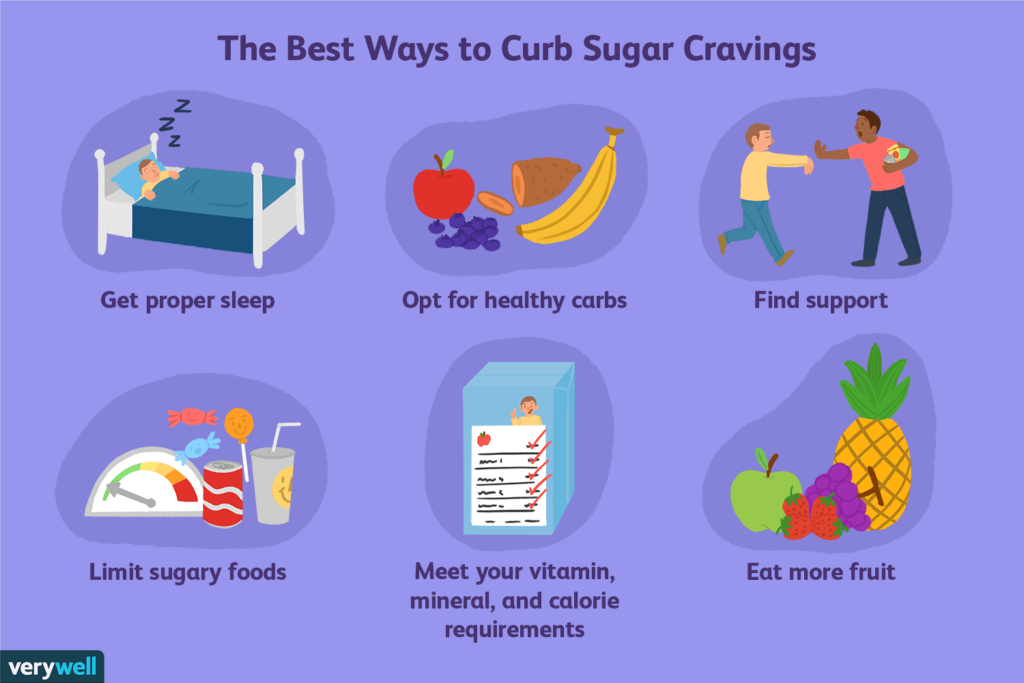
Do you find yourself constantly craving sweets? Whether it’s a slice of cake, a chocolate bar, or a bowl of ice cream, sweet cravings can be difficult to resist. Understanding the causes of these cravings and finding healthy alternatives can help you manage them effectively. In this article, we will explore the various ways to stop sweet cravings and develop a healthier relationship with food.
What are sweet cravings?
Sweet cravings refer to a strong desire or urge to consume sugary foods. These cravings are often accompanied by a sense of pleasure and satisfaction when indulged. While it’s natural to occasionally desire sweet treats, frequent and intense cravings can lead to overconsumption of sugar, which can negatively impact your health.
Causes of sweet cravings
Understanding the underlying causes of sweet cravings can help you address them effectively. While everyone’s triggers may vary, some common causes include:
-
Emotional triggers: Many people turn to sweets for comfort or as a way to cope with stress, anxiety, or sadness. Consuming sugary foods releases feel-good chemicals in the brain, providing temporary relief from negative emotions.
-
Environmental triggers: Environmental cues, such as seeing advertisements or smelling baked goods, can trigger sweet cravings. These cues can create a conditioned response that compels you to seek out and consume sugary foods.
-
Physiological triggers: Our bodies naturally crave sugar as a source of quick energy. However, consuming excessive amounts of sugar can disrupt your blood sugar levels, leading to cravings for more sweets to maintain energy levels.
Effects of indulging in sweet cravings
While indulging in sweet cravings occasionally is not necessarily harmful, frequent consumption of sugary foods can have several negative effects on your health:
-
Weight gain: Consuming excessive amounts of sugar can lead to weight gain, as sugary foods are often high in calories and low in nutrients.
-
Increased risk of chronic diseases: Regular intake of sugary foods has been linked to an increased risk of developing conditions such as type 2 diabetes, heart disease, and obesity.
-
Poor dental health: Sugary foods contribute to tooth decay and cavities, which can lead to oral health issues.
Identifying Triggers
One of the first steps in stopping sweet cravings is identifying your triggers. By recognizing what causes you to crave sweets, you can develop strategies to avoid or manage these triggers effectively. Here are some areas to consider:
Recognizing emotional triggers
Emotional triggers can be challenging to overcome, as the urge to consume sweets may be closely tied to your emotions. To identify your emotional triggers:
-
Keep a food diary: Record your food intake and note any emotional states or situations that precede your cravings.
-
Reflect on your feelings: Take time to identify the emotions you experience when you crave sweets. Are you sad, stressed, or bored?
-
Find alternative coping mechanisms: Instead of turning to sweets for comfort, find healthier ways to address your emotions. Consider engaging in hobbies, practicing relaxation techniques, or talking to a trusted friend or family member.
Identifying environmental triggers
Environmental triggers are external cues that can evoke sweet cravings. By recognizing these triggers, you can take steps to minimize their impact. Here’s how you can identify and manage environmental triggers:
-
Be mindful of your surroundings: Pay attention to places or situations where you are more likely to encounter tempting sweets, such as candy aisles or office break rooms.
-
Avoid tempting environments: If possible, steer clear of places that may expose you to sugary foods. Instead, opt for locations that promote healthier choices.
-
Create a supportive environment: Stock your pantry with healthy snacks, such as fresh fruits or nuts, to have healthier alternatives readily available.
Understanding physiological triggers
Physiological triggers are internal cues that can drive sweet cravings. Learning about these triggers can help you manage them effectively:
-
Get enough sleep: Lack of sleep can disrupt your hormones, leading to increased cravings for sugar and other unhealthy foods.
-
Balance your meals: Ensure that your meals contain a balance of macronutrients, including protein, healthy fats, and fiber, to help stabilize your blood sugar levels throughout the day.
-
Stay hydrated: Dehydration can sometimes be mistaken for hunger or cravings. Keep a water bottle with you throughout the day to ensure you stay adequately hydrated.
Healthy Alternatives
While eliminating sweets from your diet entirely may not be realistic or necessary, incorporating healthy alternatives can help satisfy your sweet tooth while providing essential nutrients. Here are some options to consider:
Incorporating fresh fruits
Fresh fruits are nature’s sweet treats, packed with essential vitamins, minerals, and fiber. They can help satisfy your sweet cravings while providing additional health benefits.
-
Opt for whole fruits: Choose fruits such as berries, oranges, or apples, which are lower in sugar compared to dried or canned fruits.
-
Mix fruits into your meals: Add fruits to your breakfast cereal, yogurt, or smoothies to elevate the taste without relying on added sugars.
Exploring natural sweeteners
Instead of using refined sugars, consider using natural sweeteners that are less processed and can still provide a sweet taste.
-
Stevia: Derived from the Stevia rebaudiana plant, stevia is a calorie-free, natural sweetener that can be used in place of sugar.
-
Raw honey: Raw honey is a natural sweetener that contains antioxidants and various beneficial compounds. Use it to sweeten your tea, oatmeal, or as a topping on plain yogurt.
-
Maple syrup: Maple syrup is another natural sweetener that contains antioxidants and minerals. It can be used as a healthier alternative to refined sugar in recipes and as a topping.
Trying savory snacks as alternatives
If your cravings are more about the need for a snack rather than sweetness specifically, consider exploring savory options. Here are some nutritious and satisfying alternatives:
-
Nuts and seeds: Snack on a handful of unsalted almonds, walnuts, or pumpkin seeds for a crunchy and satisfying snack.
-
Veggie sticks with dip: Cut up fresh vegetables like carrots, celery, or bell peppers and enjoy them with hummus or Greek yogurt-based dip.
-
Popcorn: Make air-popped popcorn at home and season it with herbs, spices, or a sprinkle of nutritional yeast for added flavor.
Managing Stress and Emotional Well-being
Stress and negative emotions can often trigger sweet cravings. By effectively managing your stress levels and emotional well-being, you can reduce the intensity and frequency of these cravings. Try incorporating the following practices into your daily routine:
Practicing stress reduction techniques
-
Deep breathing exercises: Take a few minutes every day to practice deep breathing exercises. Inhale deeply through your nose, hold for a few seconds, then exhale slowly through your mouth. This can help activate your body’s relaxation response and reduce stress.
-
Meditation: Find a quiet and comfortable space where you can engage in mindfulness meditation. Focus on your breath or a specific object and allow your thoughts to come and go without judgment.
-
Yoga or gentle exercise: Engaging in physical activity, such as yoga or walking, can help reduce stress levels and improve your overall well-being.
Engaging in regular exercise
Regular exercise not only helps manage stress but also releases endorphins, which are natural mood elevators. Aim for at least 30 minutes of moderate-intensity exercise most days of the week. Find activities that you enjoy, whether it’s dancing, swimming, or hiking, to make exercise more enjoyable and sustainable.
Seeking support from loved ones
Having a support system is crucial when trying to overcome sweet cravings. Share your goals with your loved ones and ask for their encouragement and understanding. They can provide emotional support and help keep you accountable as you make healthier choices.
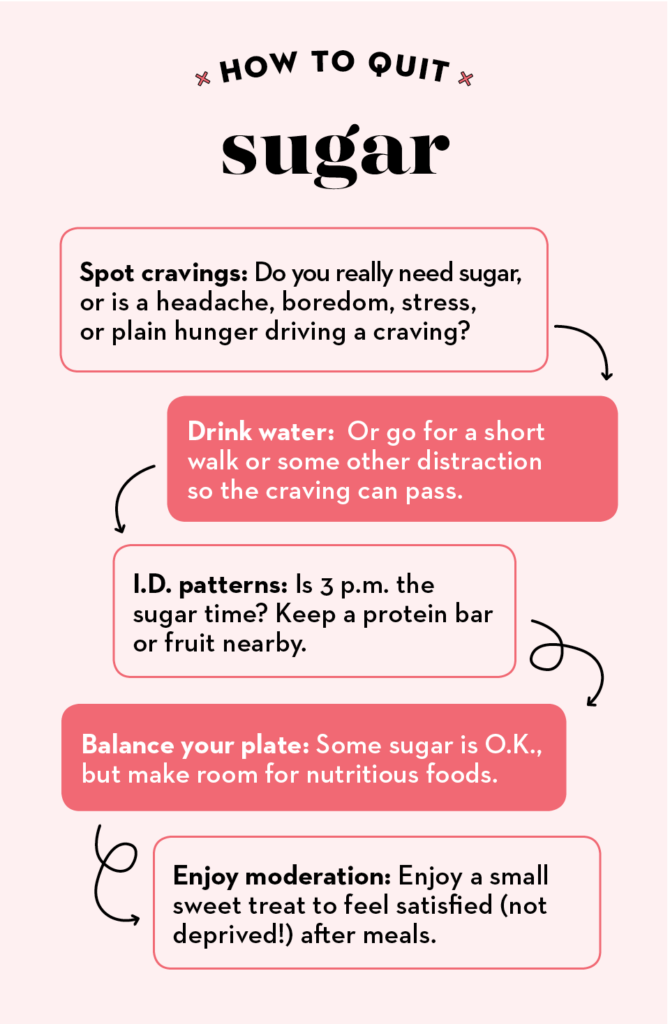
Creating a Balanced Meal Plan
Developing a balanced meal plan that includes a variety of nutrients is essential for managing sweet cravings. Including the following elements in your meals can help you feel satisfied and reduce the urge for sweets:
Including fiber-rich foods
Fiber-rich foods, such as whole grains, vegetables, and legumes, can keep you feeling full for longer and stabilize your blood sugar levels.
-
Whole grains: Opt for whole grain options such as brown rice, quinoa, and whole wheat bread instead of refined grains.
-
Vegetables: Incorporate a variety of colorful vegetables into your meals for added nutrients and fiber.
-
Legumes: Include legumes like lentils, chickpeas, or black beans in your meals for a plant-based source of protein and fiber.
Prioritizing protein sources
Including protein-rich foods in your meals can help satisfy your hunger and reduce cravings for sweets.
-
Lean meats: Choose lean cuts of chicken, turkey, or fish to incorporate into your meals.
-
Plant-based proteins: Add tofu, tempeh, or legumes to your meals as a source of protein.
-
Dairy or dairy alternatives: Opt for low-fat dairy or dairy alternatives such as almond milk or Greek yogurt for added protein.
Adding healthy fats to your diet
Healthy fats, such as those found in avocados, nuts, and olive oil, can contribute to your overall satiety and help reduce cravings.
-
Avocados: Add slices of avocado to salads, sandwiches, or as a topping for whole grain toast.
-
Nuts and seeds: Sprinkle a handful of nuts or seeds onto your meals or enjoy them as a snack.
-
Olive oil: Use extra virgin olive oil as your primary cooking oil or drizzle it over salads for added flavor.
Mindful Eating Practices
Practicing mindful eating can help you become more aware of your body’s hunger and fullness cues, allowing you to make conscious choices about what and how much you eat. Here are some practices to incorporate:
Eating slowly and savoring each bite
Take the time to enjoy your food by eating slowly and savoring each bite. This allows your brain to receive signals of satiety and can help prevent overeating.
Being conscious of portion sizes
Pay attention to portion sizes and serve yourself appropriate amounts of food. Understanding what constitutes a portion can help you make healthier decisions and avoid mindless eating.
Listening to your body’s hunger and fullness cues
Listen to your body’s signals of hunger and fullness. Rather than eating based on a set schedule, eat when you’re truly hungry and stop when you’re satisfied. This can prevent overeating and reduce the urge for sweets.
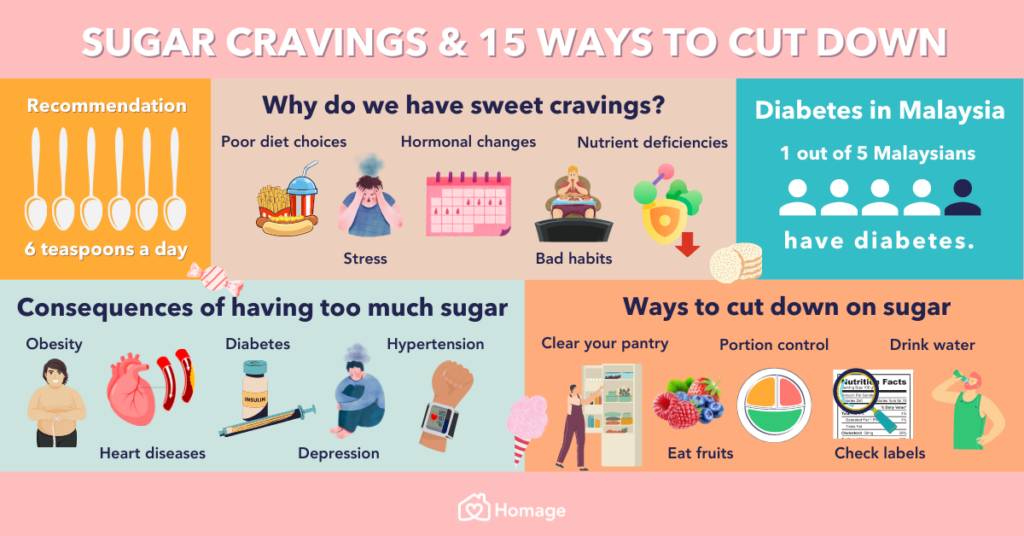
Breaking the Habit
Breaking the habit of indulging in sweet cravings may take time and effort, but it is achievable with the right strategies. Here are some tips to help you overcome the habit:
Gradually reducing sugar intake
Rather than cutting sugar out completely, gradually reduce your intake over time. This allows your taste buds to adjust and can make the transition easier.
Replacing sugary drinks with hydrating options
Swap sugary beverages, such as soda or juice, with hydrating options like water infused with fruit or herbal tea. These alternatives provide hydration without the added sugars.
Avoiding processed foods
Processed foods often contain hidden sugars, so it’s important to read labels carefully. Opt for whole, unprocessed foods whenever possible to reduce your overall sugar intake.
Creating a Supportive Environment
Creating a supportive environment can significantly impact your ability to overcome sweet cravings. Here’s how you can make your environment work in your favor:
Stocking your pantry with healthy snacks
Keep your pantry stocked with healthy snacks like fresh fruits, veggies, and nuts. Having these options readily available makes it easier to choose nutritious alternatives when cravings strike.
Finding accountability partners
Enlist the support of friends, family, or coworkers who have similar health goals. Share your progress, challenges, and victories with them, and encourage each other on your journey to overcome sweet cravings.
Limiting exposure to tempting sweets
Minimize your exposure to tempting sweets by avoiding places or situations where they are readily available. Instead, frequent places that promote healthier choices, such as health food stores or farmers markets.
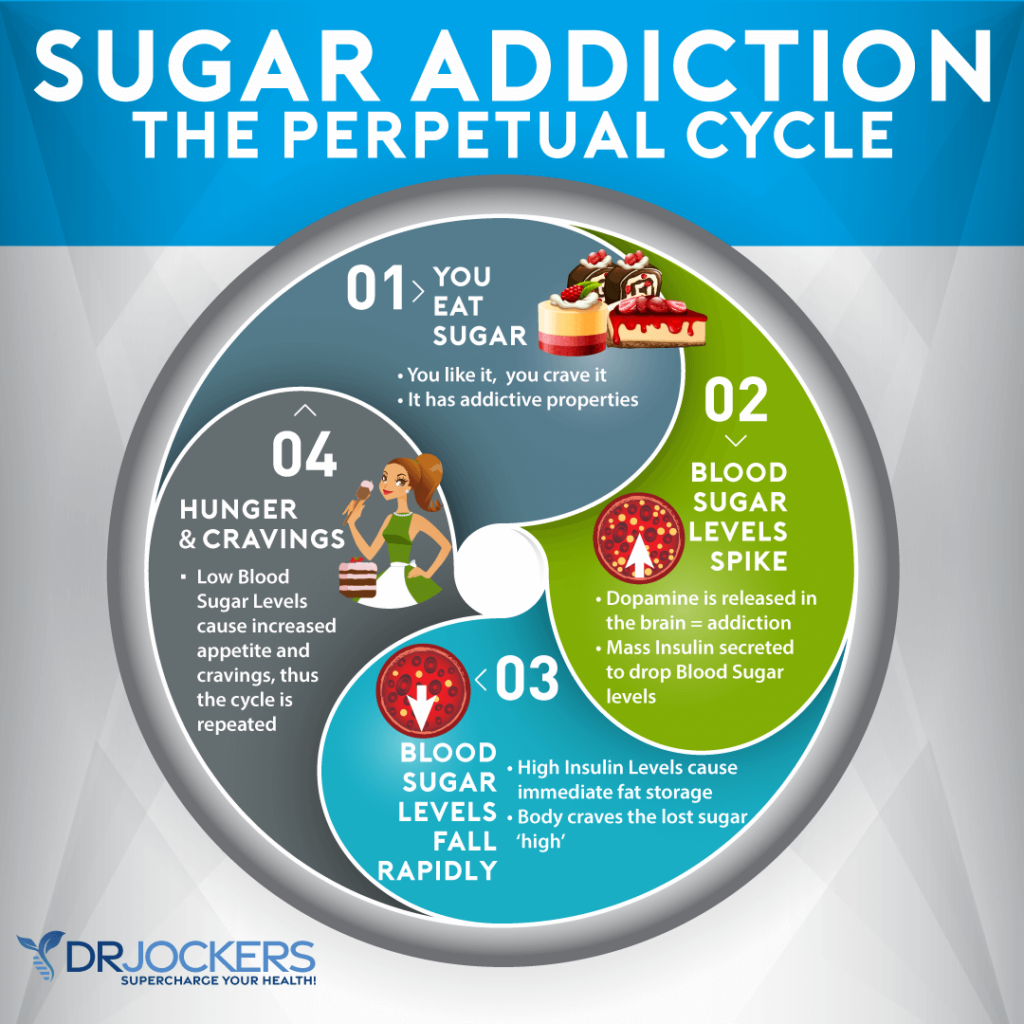
Overcoming Psychological Cravings
In addition to addressing the physical aspects of sweet cravings, it’s essential to work on your psychological triggers. Here are some strategies to help you overcome psychological cravings:
Practicing mindfulness and meditation
Engaging in mindfulness meditation or other relaxation techniques can help you become more aware of your cravings and respond to them in a healthier way. These practices can also enhance your self-control and decision-making abilities.
Utilizing positive affirmations
Create positive affirmations related to your goals of reducing sweet cravings. Repeat these affirmations daily to remind yourself of your commitment and to reinforce your motivation.
Finding healthier ways to reward yourself
Instead of using sweets as a reward, find other ways to treat yourself. Whether it’s taking a relaxing bath, going for a hike, or indulging in a hobby you enjoy, find non-food-related rewards that bring you joy and satisfaction.
Conclusion
By understanding the causes of sweet cravings, identifying triggers, and implementing healthy alternatives, you can take control of your sweet tooth. Creating a balanced meal plan, practicing mindful eating, and breaking the habit can help you develop a healthier relationship with food. With consistent effort and support, you can overcome sweet cravings and enjoy occasional treats in moderation. Embrace a healthier lifestyle today and start your journey towards a more fulfilling and nourishing way of eating. Remember, it’s not about completely eliminating sweet cravings but about finding a balance that allows you to enjoy a variety of foods while prioritizing your health. So, take the first step and savor the rewards of a healthier, sugar-conscious lifestyle.
How To Stop Thinking Of Food

Have you ever found yourself constantly thinking about food? Maybe it’s the cravings that just won’t go away or the constant urge to snack. Whatever the reason may be, it can be frustrating and distracting to constantly have food on your mind. But don’t worry, you’re not alone in this struggle. In this article, we’ll discuss some tips and tricks on how to stop thinking of food and regain control over your thoughts.
When it comes to stopping the constant thoughts of food, it’s important to first understand why they occur. One common reason is that your body might actually be craving certain nutrients that it’s lacking. This is why it’s important to have a well-balanced diet that includes all the essential nutrients. Another reason for constant food thoughts could be emotional eating, where you use food as a coping mechanism for stress or other emotions. By addressing these underlying causes, you can begin to break free from the cycle of food thoughts.
In the upcoming article, we will dive deeper into each of these reasons and provide practical solutions to help you stop thinking of food. From mindful eating techniques to finding alternative coping mechanisms for emotional eating, we’ll cover it all. So, if you’re tired of constantly thinking about food and want to regain control over your thoughts, keep reading to learn more.
How To Stop Thinking Of Food
Food cravings can be a powerful force in our lives, often overpowering our best intentions. Whether it’s the sudden desire for a warm slice of pizza or a late-night craving for chocolate chip cookies, these urges can be difficult to resist. However, understanding the root causes of food cravings and developing a healthy relationship with food can help us overcome these persistent thoughts and embrace a sustainable and healthy approach to eating.
Identifying the Root Causes of Food Cravings
Before diving into strategies to stop thinking of food, it’s important to first understand why these cravings arise. Food cravings can be influenced by various factors, including physiological, emotional, and environmental triggers.
Physiological triggers are often related to nutrient deficiencies or imbalances in our body. For example, a craving for salty foods may indicate a need for more sodium, while a craving for sweets may be a sign of low blood sugar levels. It’s essential to listen to your body and provide it with the nutrients it needs to function properly.
Emotional triggers, on the other hand, are often associated with stress, anxiety, boredom, or other emotional states. Many people turn to food as a comfort or a way to cope with these emotions. Identifying these triggers and finding alternative coping mechanisms can help break the cycle of emotional eating.
Environmental triggers can also play a significant role in food cravings. Surrounding ourselves with readily available, highly palatable foods can make it challenging to resist indulging in them. Creating a supportive environment that promotes healthy eating choices can help reduce the intensity and frequency of food cravings.
Exploring the Emotional Impact of Food Cravings
Food cravings can have a strong emotional impact on our well-being. They can lead to feelings of guilt, shame, and loss of control, which can ultimately perpetuate the cycle of food cravings. Developing a healthy relationship with food is crucial to overcoming these emotional obstacles.
Mindful eating practices can help bring awareness to our eating habits and the emotions associated with food cravings. This involves slowing down, savoring each bite, and paying attention to the sensations and tastes of the food we consume. This mindful approach allows us to listen to our body’s hunger and satiety signals and make conscious food choices.
Building self-compassion and body positivity is also essential in developing a healthy relationship with food. Instead of criticizing ourselves for giving in to cravings, it’s important to practice self-love and acceptance. Remember that one indulgence does not define your overall eating habits or well-being. Treat yourself with kindness and allow for occasional indulgences in moderation.
Creating a Nourishing Meal Plan
Building a nourishing meal plan is an integral part of stopping the constant thoughts of food. Focus on choosing nutrient-rich foods that provide the body with essential vitamins, minerals, and macronutrients. Include a variety of fruits, vegetables, whole grains, lean proteins, and healthy fats in your meals.
Creating a balanced and varied menu is key to preventing food cravings. Including a mix of different food groups and flavors not only provides a wider range of nutrients but also keeps meals interesting and satisfying. Experiment with new recipes, flavor combinations, and cooking techniques to keep your meals exciting and enjoyable.
It’s important to note that restrictive or overly rigid meal plans can sometimes backfire and lead to more intense food cravings. Instead, aim for flexibility and balance in your meal plan. Allow for occasional treats and indulgences to avoid feelings of deprivation, which can often trigger intense food cravings.
Implementing Mindfulness Techniques
Mindfulness techniques can be powerful tools in stopping thoughts of food. Practicing mindful meditation can help train the mind to focus on the present moment, rather than obsessing over food or longing for it. Set aside a few minutes each day to sit in a quiet space, close your eyes, and focus on your breath. As thoughts or cravings arise, acknowledge them without judgment and gently bring your attention back to your breath.
Engaging in mindful movement, such as yoga or tai chi, can also help cultivate a sense of mindfulness and awareness. These practices not only benefit the body physically but also promote mental clarity and a calm state of mind.
Finding Distractions from Food Thoughts
When food thoughts arise, finding distractions can be an effective way to redirect your focus. Engage in activities that you enjoy and that keep your mind occupied. Discover new hobbies or interests that can serve as healthy distractions from thoughts of food. Whether it’s reading, painting, gardening, or listening to music, finding enjoyable activities can help divert your attention away from constant food thoughts.
Engaging in physical activity is another way to distract yourself from food cravings. Exercise releases endorphins, which can improve mood and decrease feelings of stress or anxiety. Find a form of exercise that you enjoy, whether it’s jogging, dancing, swimming, or practicing martial arts. Exercise not only helps distract from food cravings but also promotes overall well-being.
Managing Emotional Eating
Emotional eating can be a challenging habit to overcome, but it is possible with the right strategies. Start by identifying your emotional triggers. Pay attention to the situations or emotions that lead you to turn to food for comfort. Keeping a journal can be helpful in recognizing patterns and gaining insight into your emotional eating habits.
Once you’ve identified your emotional triggers, finding alternative coping mechanisms is key. Instead of turning to food, try engaging in activities that provide emotional comfort and support. This could include talking to a trusted friend or family member, engaging in relaxation techniques like deep breathing or taking a bath, or practicing mindfulness and meditation.
Seeking Professional Support
If you’re struggling with food cravings and finding it difficult to overcome them on your own, seeking professional support can be beneficial. Consulting a registered dietitian can help you develop a personalized meal plan that meets your nutritional needs and addresses any specific concerns regarding food cravings.
Discussing your concerns with a therapist or counselor can also provide valuable insights and support during your journey to stop thinking of food. They can help you explore the underlying emotional reasons behind your food cravings and guide you in developing healthy coping strategies.
Creating a Supportive Environment
Creating a supportive environment is essential in maintaining a healthy relationship with food and preventing constant thoughts of it. Reach out to loved ones for support and let them know about your goals and challenges. Having a solid support system can make a significant difference in your journey to stop thinking of food.
In addition to emotional support, creating a healthy eating environment is crucial. Surround yourself with nourishing foods and remove or minimize the presence of highly processed, addictive foods that may trigger your food cravings. Stock your pantry with wholesome ingredients, and make an effort to cook your meals at home whenever possible. This way, you have control over the ingredients and can make healthier choices.
Staying Consistent and Persistent
Overcoming food cravings requires consistency and persistence. Set realistic goals that are achievable and sustainable in the long run. Avoid setting strict or extreme goals that may lead to feelings of failure or deprivation. Instead, focus on making gradual, positive changes to your eating habits and lifestyle.
Track your progress and celebrate small victories along the way. Keeping a journal or using a food tracking app can help you stay accountable and provide motivation. Celebrate every milestone, no matter how small, and acknowledge the positive changes you’ve made in your relationship with food.
Conclusion
Stopping constant thoughts of food may seem challenging, but by understanding the root causes of food cravings, developing a healthy relationship with food, creating a nourishing meal plan, implementing mindfulness techniques, finding distractions, managing emotional eating, seeking professional support, creating a supportive environment, and staying consistent and persistent, you can empower yourself to overcome food-related thoughts and cravings. Embrace a sustainable and healthy approach to eating and prioritize your overall well-being. Remember, it’s not about perfection, but progress and self-compassion.
How To Stop Comfort Eating

Are you one of those people who find solace in food when you’re feeling stressed or down? Well, you’re not alone. Many of us turn to comfort eating as a way to cope with our emotions. But the problem is, it often leads to overeating and can negatively impact our health. So, how can you break free from this cycle? In this article, we’ll discuss some effective strategies to help you stop comfort eating and develop healthier habits.
Firstly, it’s important to acknowledge and understand the triggers that lead you to comfort eating. Is it boredom, loneliness, or certain emotions like sadness or anxiety? Once you identify these triggers, you can start finding alternative ways to deal with them. For example, if you tend to eat out of boredom, try engaging in a hobby or activity that keeps your mind occupied. Secondly, take a moment to assess whether you’re truly hungry or just seeking comfort. If it’s the latter, find other ways to soothe yourself that don’t involve food. This could be taking a walk, practicing deep breathing exercises, or even talking to a friend or loved one about how you’re feeling. Don’t worry, we’ll dive into each of these strategies in more detail in the upcoming article. So, stay tuned to learn more about how to stop comfort eating and improve your overall well-being.
How To Stop Comfort Eating
What is comfort eating?
Comfort eating, also known as emotional eating, is a common behavior in which individuals turn to food for emotional comfort rather than hunger. It involves consuming large quantities of food, usually high in sugar, fat, or carbohydrates, as a response to emotional distress or discomfort. It is important to note that occasional comfort eating is a normal part of life, but when it becomes a frequent and automatic response to emotions, it can have negative consequences on both physical and mental health.
Why do people engage in comfort eating?
Comfort eating often occurs as a coping mechanism to deal with difficult emotions. People may use food as a way to distract themselves or numb their feelings temporarily. Certain emotions, such as stress, boredom, or loneliness, can trigger the desire to seek comfort through eating. The act of eating provides a temporary relief or sense of pleasure, which reinforces the behavior and makes it difficult to break the cycle.
The impact of comfort eating on physical and mental health
While comfort eating may provide temporary emotional relief, it can have negative consequences on both physical and mental health. Physically, consuming excessive amounts of unhealthy foods can result in weight gain, obesity, and related health issues such as high blood pressure, diabetes, and heart disease. Mentally, comfort eating can lead to feelings of guilt, shame, and low self-esteem, as well as perpetuate a cycle of emotional distress and reliance on food as a coping mechanism.
Recognizing the Signs of Comfort Eating
Physical signs of comfort eating
There are several physical signs that indicate someone may be engaging in comfort eating. These signs include an increased consumption of high-calorie, high-fat foods, a lack of control over eating habits, eating in secret or when alone, and feeling uncomfortably full after eating due to overeating.
Emotional signs of comfort eating
Emotional signs of comfort eating may include eating in response to specific emotions, such as stress, sadness, or anxiety. Individuals engaging in comfort eating may also feel a loss of control when it comes to their eating habits and have difficulty distinguishing between physical hunger and emotional hunger.
Behavioral signs of comfort eating
Behavioral signs of comfort eating can include a preoccupation with food, using food as a reward or punishment, eating rapidly without savoring or enjoying the food, and feeling guilty or ashamed after eating. Comfort eating may also involve frequent snacking or grazing throughout the day, even when not physically hungry.

Identifying Triggers for Comfort Eating
Stress and comfort eating
Stress is one of the most common triggers for comfort eating. When feeling overwhelmed or under pressure, turning to food can provide a temporary sense of relief. Stress hormones can also increase cravings for unhealthy foods, making it harder to resist the urge to comfort eat. However, it is important to find alternative stress-reduction techniques to break the cycle of comfort eating.
Boredom and comfort eating
Boredom can also be a significant trigger for comfort eating. When feeling unstimulated or lacking excitement, individuals may turn to food for entertainment or as a way to fill the void. Finding alternative activities to engage in when feeling bored is essential to avoid relying on food for emotional comfort.
Loneliness and comfort eating
Loneliness can lead to feelings of emptiness and a desire for emotional connection. Comfort eating can provide a feeling of temporary comfort and companionship. However, it is important to address underlying feelings of loneliness and seek healthier forms of social interaction to break the cycle of using food for emotional support.
Developing Healthy Coping Mechanisms
Finding alternative stress-reduction techniques
To overcome comfort eating, finding alternative stress-reduction techniques is crucial. Engaging in regular physical exercise, practicing relaxation techniques such as deep breathing or meditation, and pursuing hobbies or activities that bring joy and fulfillment can all be effective ways to manage and reduce stress.
Engaging in enjoyable activities
Engaging in pleasurable activities can help distract from the urge to comfort eat. Finding activities that bring joy, such as spending time outdoors, pursuing creative outlets, or connecting with loved ones, can provide a sense of fulfillment and reduce the reliance on food for emotional comfort.
Building a support network
Building a support network of understanding friends, family, or professionals can provide much-needed emotional support and accountability. Sharing feelings and experiences with others who can empathize can help alleviate the need for comfort eating as a sole means of coping.
Creating an Environment Conducive to Healthy Eating
Stocking nutritious food options at home
Creating an environment that promotes healthy eating involves stocking your kitchen with nutritious food options. Fill your pantry and refrigerator with fresh fruits and vegetables, lean proteins, whole grains, and healthy snacks. Having a variety of healthy choices readily available can make it easier to resist the temptation of unhealthy comfort foods.
Avoiding trigger foods
Identifying trigger foods and avoiding them as much as possible is essential in breaking the cycle of comfort eating. Some individuals may find it helpful to remove certain foods from their homes altogether, while others may choose to limit their exposure to trigger foods by keeping them out of sight or avoiding certain environments where those foods are readily available.
Creating a meal plan
Creating a meal plan can help establish a routine and provide structure to your eating habits. Plan and prepare balanced meals in advance, ensuring they consist of a variety of nutrient-rich foods. Having a plan in place can reduce impulsive decision-making and the likelihood of turning to comfort eating.
Practicing Mindful Eating
Understanding the concept of mindful eating
Mindful eating is a practice that involves paying attention to the present moment and the experience of eating without judgment. It involves fully engaging with your senses, savoring each bite, and allowing yourself to naturally recognize hunger and fullness cues.
Using mindfulness techniques during meals
Practicing mindful eating can help break the automatic response of comfort eating. Slow down while eating, chew your food thoroughly, and savor the flavors and textures. Pay attention to physical hunger and fullness cues, allowing yourself to stop eating when you are satisfied rather than relying on external factors or emotional cues.
Listening to hunger and fullness cues
Listening to your body’s hunger and fullness cues is an important part of breaking the cycle of comfort eating. Learn to distinguish between physical hunger and emotional hunger. Eat when you are truly hungry and stop eating when you are comfortably full. Trusting your body’s signals and providing the nourishment it needs can help you maintain a healthier relationship with food.
Finding Emotional Support
Seeking therapy or counseling
For individuals struggling with comfort eating, seeking therapy or counseling can provide valuable support. A trained therapist can help explore and address underlying emotional issues, develop healthier coping mechanisms, and provide guidance on breaking the pattern of comfort eating.
Joining support groups
Joining support groups or seeking out online communities of individuals with similar experiences can provide a sense of belonging and understanding. Connecting with others who are going through similar struggles can offer encouragement, guidance, and the opportunity to learn from different perspectives.
Building a network of understanding friends
Building a network of understanding friends who are supportive and non-judgmental can be immensely helpful in the journey toward overcoming comfort eating. Surrounding yourself with positive influences who encourage and motivate you can provide the emotional support needed to make lasting changes.
Rewiring Thoughts and Beliefs About Food
Challenging negative beliefs about food
Challenging negative beliefs about food is a crucial step in overcoming comfort eating. Replace negative thoughts such as “I’m bad for eating this” with more positive and empowering beliefs, such as “I am making choices that nourish and support my well-being.” Recognize that food is a source of nourishment and enjoyment, not something to be feared or used solely for emotional comfort.
Promoting a positive body image
Developing a positive body image is essential in breaking the cycle of comfort eating. Focus on self-acceptance and appreciation for your body’s capabilities rather than its appearance. Celebrate the diversity of body shapes and sizes, and reject societal pressures and unrealistic beauty standards.
Adopting a non-diet mentality
Adopting a non-diet mentality involves letting go of restrictive dieting and instead focusing on a balanced and intuitive approach to eating. Recognize that all foods can fit into a healthy lifestyle in moderation. Reject the notion of good or bad foods and instead embrace a variety of nutrient-dense choices while allowing yourself the occasional indulgence.
Learning to Manage Emotions in a Healthier Way
Developing emotional intelligence
Developing emotional intelligence is crucial in managing emotions in a healthier way. By increasing self-awareness and understanding your emotional triggers, you can begin to respond to difficult emotions in a more constructive manner. This may involve seeking additional support through therapy or counseling to develop the necessary skills.
Learning effective stress management strategies
Finding effective stress management strategies is essential in avoiding the reliance on comfort eating. Explore various techniques such as exercise, deep breathing exercises, journaling, or engaging in creative outlets. Experiment with different activities to find what works best for you in reducing stress and promoting emotional well-being.
Practicing self-care
Practicing self-care is a vital component of managing emotions in a healthier way. Engage in activities that support your overall well-being, whether it be taking a relaxing bath, going for a walk in nature, or practicing mindfulness or meditation. Prioritizing self-care allows you to nurture yourself and address your emotional needs without turning to food.
Conclusion
Taking steps towards overcoming comfort eating can have profound benefits on both physical and mental health. By recognizing the signs of comfort eating, identifying triggers, developing healthy coping mechanisms, creating an environment conducive to healthy eating, practicing mindful eating, seeking emotional support, rewiring thoughts and beliefs about food, and learning to manage emotions in a healthier way, you can break free from the cycle of comfort eating and embrace a healthier relationship with food. Remember, change takes time and effort, but with persistence and self-compassion, you can transcend comfort eating and embrace a balanced and nourishing approach to eating.
How To Stop Addiction To Food

Have you ever found yourself constantly craving and snacking on unhealthy food? Do you struggle to control your eating and find yourself turning to food for comfort or stress relief? If so, you’re not alone. Many people struggle with addiction to food, but the good news is that there are ways to break free from this cycle and develop a healthier relationship with food. In this article, we’ll explore the topic of food addiction in a conversational tone and provide you with some helpful tips to overcome it.
When it comes to addiction to food, it can be a tough battle to face. But don’t worry, we’re here to help you every step of the way. In this article, we will dive deep into the world of food addiction and share some practical strategies you can implement to change your habits and mindset. By the end of this read, you’ll have a better understanding of what food addiction entails and be equipped with tools to overcome it. So, buckle up and get ready to embark on a journey towards a healthier relationship with food.
In the remaining paragraphs, we’ll discuss the science behind food addiction, the role of emotional eating, and how fasting and healthy eating can help break the cycle of addiction. Stay tuned for some practical tips and insights that will empower you to take control of your relationship with food and live a healthier, more balanced life.

How To Stop Addiction To Food
Understanding Food Addiction
Food addiction is a complex issue that affects many individuals. It is a condition characterized by a compulsive and uncontrollable relationship with food, where the individual consumes large amounts of food, even when they are not physically hungry. This addiction is similar to drug or alcohol addiction, as it involves changes in the brain chemistry and reward pathways.
Explaining the concept of food addiction
Food addiction can be described as a psychological and physiological dependence on certain types of food. It can be triggered by a variety of factors, including stress, emotions, and environmental cues. When someone is addicted to food, they experience a loss of control and find it difficult to stop eating, even when they are uncomfortably full.
Identifying signs and symptoms of food addiction
Recognizing the signs and symptoms of food addiction is essential in order to address the issue effectively. Some common signs include:
- Eating large amounts of food in a short period of time
- Frequently eating beyond the point of fullness or discomfort
- Feeling a lack of control over eating habits
- Experiencing guilt, shame, or anxiety related to food consumption
- Repeatedly attempting to cut back on food intake without success
Understanding psychological factors contributing to food addiction
There are several psychological factors that contribute to the development of food addiction. These may include low self-esteem, stress, depression, and a history of trauma. Additionally, individuals who struggle with food addiction often use food as a way to cope with their emotions and manage stress.
Recognizing Triggers and Cravings
Identifying common triggers for food addiction
Triggers are events, situations, or emotions that can instigate cravings and lead to overeating. Some common triggers for food addiction include:
- Stressful situations
- Social events and gatherings
- Boredom or feeling unfulfilled
- Emotions such as sadness, loneliness, or anger
- Environmental cues, such as the smell or sight of food
Exploring the connection between emotions and food cravings
Many individuals struggling with food addiction use food as a way to cope with their emotions. Emotional eating provides temporary comfort and distraction from negative feelings. It is important to recognize the connection between emotions and food cravings in order to break the cycle of addiction.
Learning how to differentiate between physical and emotional hunger
One of the key steps in overcoming food addiction is learning to differentiate between physical and emotional hunger. Physical hunger typically occurs gradually and can be satisfied by a variety of foods. Emotional hunger, on the other hand, comes on suddenly and is often specific to certain comfort foods. By tuning into your body’s signals, you can better understand your true hunger cues and make healthier choices.
Developing Healthy Eating Habits
Exploring the benefits of mindful eating
Mindful eating is a practice that involves paying attention to the present moment and being fully engaged in the act of eating. By focusing on the taste, texture, and sensations of each bite, you can develop a greater appreciation for food and feel more satisfied with smaller portions. Mindful eating also helps to cultivate a healthier relationship with food and break the cycle of addiction.
Understanding portion control and balanced nutrition
Portion control is an important aspect of developing healthy eating habits. It involves consuming appropriate serving sizes and being mindful of calorie intake. In addition to portion control, it is important to prioritize balanced nutrition by incorporating a variety of nutrient-rich foods into your diet. This ensures that your body is getting the necessary nutrients it needs to function properly.
Incorporating a variety of nutrient-rich foods into your diet
Including a variety of nutrient-rich foods in your diet is essential for overall health and well-being. Filling your plate with fruits, vegetables, whole grains, lean proteins, and healthy fats can provide you with the necessary nutrients to support your body’s functions. These foods are not only good for your physical health but also have a positive impact on your mental well-being.
Creating a Supportive Environment
Building a network of supportive individuals
Having a strong support system is crucial when recovering from food addiction. Surrounding yourself with individuals who understand and support your journey can provide encouragement and accountability. Seek out friends, family, or support groups who can offer guidance and understanding as you work towards overcoming your addiction.
Avoiding enabling behaviors and environments
It is important to identify and avoid enabling behaviors and environments that may trigger food addiction. This may involve staying away from certain restaurants or social situations that encourage overeating. By creating a supportive environment, you can minimize the risk of relapse and stay committed to your recovery.
Seeking professional help when necessary
If you are struggling with severe food addiction or finding it difficult to make progress on your own, it may be beneficial to seek professional help. Therapists, counselors, and nutritionists can offer specialized guidance, provide strategies to overcome challenges, and help you develop a personalized plan for recovery. Don’t hesitate to reach out for help if needed.

Finding Alternative Coping Mechanisms
Discovering healthier ways to manage stress and emotions
Finding alternative coping mechanisms to food addiction is essential in maintaining a healthy lifestyle. Engaging in stress-reducing activities such as exercise, meditation, or hobbies can be effective in managing emotions and reducing the reliance on food. Experiment with different techniques until you find what works best for you.
Engaging in regular physical activity for mental and physical well-being
Regular physical activity has numerous benefits for both mental and physical health. Exercise releases endorphins, which can help alleviate stress, anxiety, and depression. Engaging in activities such as walking, running, or yoga not only provides a healthy outlet for emotions but also increases overall well-being and can help prevent relapses.
Exploring relaxation techniques to reduce reliance on food
In addition to exercise, exploring relaxation techniques can be helpful in reducing the reliance on food as a coping mechanism. Techniques such as deep breathing, progressive muscle relaxation, or guided imagery can help you manage stress and emotions in a healthier way. Incorporating these techniques into your daily routine can provide a sense of calm and stability.
Overcoming Relapse and Setbacks
Understanding the nature of relapse and common triggers
Relapse is a common part of the recovery process, and it is important to understand that setbacks are normal and should not be viewed as a failure. By understanding the nature of relapse and identifying common triggers, you can better prepare yourself to overcome setbacks and stay committed to your goals. Reflect on your experiences, learn from them, and use them as valuable tools for growth.
Developing strategies to bounce back after setbacks
After experiencing a setback, it is important to develop strategies to bounce back and regain control. This may involve seeking support from a therapist or support group, reevaluating and adjusting your goals, or recommitting to healthy habits and coping mechanisms. Remember to be patient and kind to yourself during this process. Recovery is a journey, and setbacks are simply opportunities for learning and growth.
Learning from past experiences to prevent future relapses
Each setback provides an opportunity to learn and grow stronger. Reflecting on past experiences can help you identify patterns, triggers, and behaviors that may lead to future relapses. Use this knowledge to develop a clear plan of action and establish strategies to prevent relapses. By being proactive and prepared, you can increase your chances of long-term success.

Seeking Professional Treatment Options
Exploring therapy and counseling for food addiction
Therapy and counseling can play a crucial role in the recovery process for food addiction. Therapists can help you identify root causes of addiction, explore underlying emotional issues, and develop effective coping strategies. Cognitive-behavioral therapy (CBT) and dialectical behavior therapy (DBT) are often used to address thoughts, behaviors, and emotions relating to food addiction.
Investigating support groups and community resources
Support groups provide a safe and understanding space for individuals struggling with food addiction to share experiences, receive guidance, and build connections. Investigate local support groups or online communities that cater to individuals with food addiction. These groups can offer valuable insights, support, and encouragement during your recovery journey.
Considering medical interventions and medication if necessary
In some cases, medical interventions and medication may be necessary to facilitate the recovery process. Medical professionals can assess your individual needs and determine if medication, such as appetite suppressants or anti-depressants, may be helpful. However, it is important to remember that medication should always be used in conjunction with therapy and a comprehensive treatment plan.
Addressing Underlying Emotional Issues
Examining the connection between emotional well-being and food addiction
Food addiction is often closely linked to emotional well-being. By examining the underlying emotional issues that contribute to addiction, you can gain a greater understanding of the root causes. Therapy and counseling can provide a safe and supportive environment to explore these emotions and develop healthy coping mechanisms.
Identifying and working through unresolved traumas or stressful events
Unresolved traumas or stressful events can contribute to the development of food addiction. It is important to identify and work through these experiences with the help of a professional. Therapy can provide the necessary tools and support to process these emotions and develop healthier ways of coping.
Developing healthy coping mechanisms for emotional challenges
In order to address food addiction, it is crucial to develop healthy coping mechanisms for emotional challenges. This may involve learning stress-management techniques, practicing relaxation exercises, engaging in creative outlets, or seeking support from loved ones. By finding healthier ways to manage emotions, you can reduce the reliance on food and experience greater emotional well-being.

Maintaining Long-Term Recovery and Success
Creating a sustainable and balanced approach to eating
Maintaining long-term recovery from food addiction requires a sustainable and balanced approach to eating. Instead of engaging in restrictive diets or extreme behaviors, focus on nourishing your body with nutrient-rich foods and practicing portion control. Allow yourself flexibility to indulge occasionally without feeling guilty, and strive for overall balance in your relationship with food.
Setting realistic goals and celebrating small achievements
Setting realistic goals is important in maintaining motivation and ensuring long-term success. Break your recovery journey into smaller, achievable milestones and celebrate each achievement along the way. This will keep you motivated and give you a sense of accomplishment, ultimately helping you stay committed to your recovery.
Building resilience and self-compassion throughout the journey
Recovering from food addiction can be a challenging process, so it is important to build resilience and practice self-compassion throughout the journey. Be patient with yourself and understand that setbacks are a normal part of recovery. Treat yourself with kindness and forgiveness, and remind yourself that everyone’s journey is unique. By cultivating resilience and self-compassion, you will be better equipped to overcome challenges and maintain long-term success.
Conclusion
In summary, overcoming food addiction requires a multifaceted approach that addresses the physical, psychological, and emotional aspects of addiction. By understanding the concept of food addiction, recognizing triggers and cravings, developing healthy eating habits, creating a supportive environment, finding alternative coping mechanisms, overcoming setbacks, seeking professional treatment options, addressing underlying emotional issues, and maintaining a long-term approach, you can break free from the cycle of addiction and prioritize your physical and mental well-being. Remember, recovery is a journey, and seeking support and being patient with yourself are key components of success.

