Binge Eating At Night

Have you ever found yourself standing in front of the fridge late at night, unable to resist the urge to snack on all those tempting treats? We’ve all been there, and it’s no secret that nighttime binge eating can be a real struggle. But don’t worry, in this article, we’re going to dive deep into this topic and explore why we tend to indulge in late-night eating and how we can overcome this habit.
Late-night munching is a common phenomenon that many of us experience, and it’s often fueled by various factors like stress, boredom, or even emotional eating. We’ll uncover the underlying reasons behind this behavior and provide you with practical tips and strategies to help curb those late-night cravings. So if you’re looking to gain a better understanding of binge eating at night and want to explore healthier alternatives, you’ve come to the right place. Get ready to learn more about this topic and empower yourself with the knowledge to make positive changes in your eating habits.
Binge Eating At Night
When it comes to establishing healthy eating habits, understanding binge eating at night plays a crucial role. Binge eating, characterized by consuming large amounts of food in a short period while feeling a lack of control, can have detrimental effects on both physical and psychological well-being. Identifying binge eating patterns at night and exploring the factors contributing to this behavior can help individuals develop strategies to overcome it and lead a balanced lifestyle.
Defining Binge Eating
Before delving into the specifics of binge eating at night, it is necessary to understand what binge eating entails. Binge eating is a form of disordered eating in which individuals consume excessive amounts of food in a brief period. Unlike other eating disorders such as anorexia nervosa or bulimia nervosa, binge eating does not involve compensatory behaviors such as purging or excessive exercise.
Identifying Binge Eating Patterns at Night
Many individuals experience a heightened desire to consume large quantities of food during the evening hours. Binge eating at night may manifest as recurrent episodes of eating significantly more than what most people would eat in a similar time frame under similar circumstances. The act of binge eating is often accompanied by a sense of guilt, shame, or distress.
Factors Contributing to Binge Eating at Night
Several factors can contribute to binge eating at night. Emotional triggers, such as stress, loneliness, or boredom, can lead to an increased desire for food as a means of emotional comfort. Additionally, environmental factors, such as the presence of easily accessible and highly palatable foods at home, can facilitate binge eating episodes. Stressful situations and inadequate coping mechanisms can also play a role in the onset of binge eating at night.
Effects of Binge Eating at Night
Understanding the effects of binge eating at night is vital to comprehend the urgency of addressing this behavior. Binge eating can have significant physical and psychological consequences, ultimately impacting an individual’s overall health and well-being.
Physical Effects of Binge Eating at Night
From a physical standpoint, binge eating at night can lead to weight gain and obesity. Consuming excessive amounts of food in a short period can overload the body with calories, leading to an increased risk of developing various health conditions, including high blood pressure, diabetes, and heart disease. Additionally, binge eating can cause feelings of discomfort, bloating, and indigestion, disrupting normal bodily functions.
Psychological Effects of Binge Eating at Night
The psychological effects of binge eating at night can be equally distressing. Feelings of guilt, shame, and loss of control during binge eating episodes can negatively impact an individual’s self-esteem and body image. The constant preoccupation with food and weight can contribute to the development or exacerbation of depression, anxiety, and other mental health disorders. The cycle of binge eating can also perpetuate negative thought patterns, leading to a vicious cycle of negative emotions and self-destructive behaviors.
Impact on Overall Health and Well-being
Binge eating at night can have a significant impact on an individual’s overall health and well-being. The combination of physical and psychological effects can lead to a decline in overall quality of life and hinder one’s ability to engage in meaningful activities. The persistent lack of control and inability to establish a healthy relationship with food can also contribute to feelings of hopelessness and a diminished sense of self-worth.

Causes and Triggers of Binge Eating at Night
To effectively address binge eating at night, it is crucial to identify and understand the underlying causes and triggers that contribute to this behavior.
Emotional Triggers
Emotional triggers play a significant role in the onset of binge eating at night. Stress, anxiety, loneliness, and boredom can all lead to a desire for emotional comfort, which individuals may seek through excessive food consumption. Identifying and addressing these emotional triggers is essential in developing healthier coping mechanisms.
Environmental Factors
The environment in which individuals find themselves can greatly influence their eating behaviors. The availability of highly palatable and easily accessible foods, particularly during late-night hours, can act as a catalyst for binge eating episodes. Creating a supportive environment that promotes healthier snack options and limits access to unhealthy foods can aid in combating binge eating.
Stress and Coping Mechanisms
Stress is a significant contributing factor to binge eating at night. Individuals often turn to food as a means of managing stress, using it as a temporary escape from emotional discomfort. Developing healthier coping mechanisms, such as engaging in relaxation techniques, exercise, or therapy, can help individuals address the underlying stressors without resorting to binge eating.
Understanding the Relationship between Sleep and Binge Eating
Sleep plays a crucial role in our overall well-being, including our eating behaviors. Understanding the relationship between sleep and binge eating can shed light on the connection between disrupted sleep patterns and nighttime cravings.
Sleep Deprivation and Late-Night Cravings
Research has shown that sleep deprivation can lead to increased cravings for high-calorie, high-sugar foods. When individuals lack adequate sleep, their hunger and satiety hormones become imbalanced, resulting in an increased appetite, particularly for energy-dense foods. This can contribute to the development of binge eating patterns at night.
Effect of Disrupted Circadian Rhythm on Eating Behavior
Disrupted circadian rhythm, commonly experienced by individuals with irregular sleep patterns, can also impact eating behaviors. Our body’s internal clock regulates various physiological processes, including appetite and metabolism. When our sleep-wake cycle is disrupted, it can lead to dysregulation in hunger and satiety cues, increasing the likelihood of nighttime binge eating.
Role of Melatonin in Regulating Appetite
Melatonin, a hormone primarily responsible for regulating sleep, also plays a role in appetite regulation. Research suggests that melatonin helps to regulate the timing and intensity of hunger signals. Imbalances in melatonin production, often associated with disrupted sleep patterns, may contribute to irregular appetite patterns, including nighttime binge eating.

Recognizing the Warning Signs of Binge Eating at Night
Recognizing the warning signs of binge eating at night is crucial in seeking appropriate support and intervention. Being aware of these signs can help individuals identify their struggle and take proactive steps towards addressing their unhealthy eating behaviors.
Compulsive Food Consumption
One of the primary warning signs of binge eating at night is a compulsive need to consume excessive amounts of food within a short period. This can involve rapidly eating large quantities of food, often until feeling uncomfortably full, and experiencing a lack of control during the episode.
Feeling Out of Control
Individuals struggling with binge eating at night often experience a sense of being out of control during their episodes. They may feel unable to stop or slow down their eating, even when they are physically uncomfortable or psychologically distressed by their behaviors.
Hoarding or Hiding Food
A common behavior associated with binge eating at night is hoarding or hiding food. Individuals may stockpile large amounts of food, often high in calories and low in nutritional value, in preparation for their binge eating episodes. This behavior can be a significant red flag indicating an unhealthy relationship with food.
Strategies for Overcoming Binge Eating at Night
Overcoming binge eating at night requires a multi-faceted approach that addresses both the underlying causes and the specific behaviors associated with this disordered eating pattern. The following strategies can help individuals develop healthier eating habits and regain control over their relationship with food.
Building a Support Network
Seeking support from friends, family, or professional therapists can be incredibly beneficial in overcoming binge eating at night. Sharing your struggles, concerns, and goals with trusted individuals can provide emotional support and guidance throughout the recovery process.
Utilizing Mindfulness and Emotional Regulation Techniques
Practicing mindfulness and emotional regulation techniques can help individuals become more aware of their emotions and develop healthier coping mechanisms. Techniques such as deep breathing, journaling, and meditation can assist individuals in identifying and managing emotional triggers that contribute to binge eating episodes.
Creating a Healthy Nighttime Routine
Establishing a consistent and healthy nighttime routine can aid in overcoming binge eating at night. This may include setting a regular sleep schedule, engaging in relaxing activities before bed, and avoiding stimulating substances such as caffeine or electronic devices close to bedtime. Creating a calming and supportive environment can help individuals achieve better sleep quality and reduce the likelihood of nighttime binge eating.
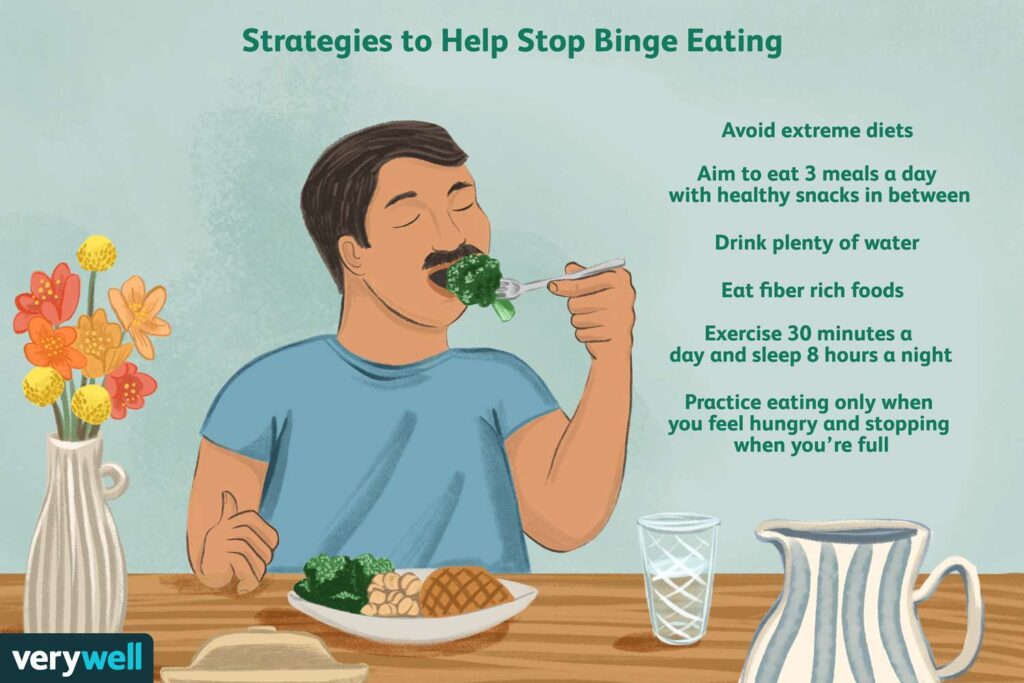
Healthy Alternatives to Binge Eating at Night
Rather than succumbing to binge eating at night, individuals can explore healthier alternatives to satisfy their cravings and manage their emotions.
Choosing Nutritious Snacks
Opting for nutritious snacks that provide satiety and nourishment can help individuals overcome the urge to binge eat at night. Incorporating foods rich in protein, fiber, and healthy fats can promote feelings of fullness and reduce excessive calorie consumption.
Engaging in Relaxation Activities
Engaging in relaxation activities can serve as a healthier alternative to evening binge eating. Activities such as reading, taking a warm bath, practicing yoga, or engaging in a hobby can help individuals unwind and manage stress without resorting to food.
Implementing Time-restricted Eating Windows
Implementing time-restricted eating windows, also known as intermittent fasting, can help regulate eating patterns and reduce nighttime binge eating. By limiting the hours of food consumption to a specific timeframe, individuals can avoid excessive calorie intake late at night.
Seeking Professional Help for Binge Eating at Night
While self-help strategies can be effective for some individuals, seeking professional help is essential for those struggling with severe or persistent binge eating at night. Working with therapists, registered dietitians, and medical professionals can provide additional support and guidance throughout the recovery process.
Therapeutic Approaches and Counseling
Various therapeutic approaches, such as cognitive-behavioral therapy (CBT), can be highly effective in treating binge eating disorders. CBT helps individuals understand the underlying factors contributing to their binge eating behaviors and provides them with practical tools to address and modify these behaviors.
Medical Interventions and Medications
In some cases, medical interventions and medications may be prescribed to aid in the treatment of binge eating at night. Medical professionals can assess an individual’s specific needs and determine if medication for appetite regulation or other therapeutic interventions may be beneficial.
Working with Registered Dietitians
Registered dietitians specialize in nutrition therapy and can provide personalized guidance on developing a healthy relationship with food and establishing balanced eating patterns. They can work with individuals to create meal plans tailored to their specific needs and support their overall recovery journey.

Preventing Binge Eating Relapses at Night
Preventing relapses of binge eating at night is a crucial aspect of long-term recovery. By identifying triggers and implementing sustainable strategies, individuals can maintain a balanced lifestyle and reduce the likelihood of returning to unhealthy eating patterns.
Identifying and Avoiding Triggers
Identifying triggers that contribute to binge eating episodes is essential in preventing relapses. By recognizing and avoiding emotional triggers, limiting access to unhealthy foods, and developing healthier coping mechanisms, individuals can reduce the risk of engaging in nighttime binge eating.
Developing Long-term Strategies
Developing long-term strategies to manage emotional well-being and stress is crucial for maintaining recovery from binge eating at night. This may involve ongoing therapy, continued practice of mindfulness and emotional regulation techniques, and prioritizing self-care activities that promote a sense of balance and well-being.
Maintaining a Balanced Lifestyle
Maintaining a balanced lifestyle encompassing regular physical activity, nutritious eating habits, and healthy stress-management techniques is vital in preventing relapses of binge eating at night. Engaging in enjoyable and fulfilling activities can help individuals maintain a positive mindset and reduce the likelihood of turning to binge eating as a coping mechanism.
Conclusion
Understanding binge eating at night is essential in promoting healthy eating patterns and overall well-being. By recognizing the causes, effects, and warning signs of binge eating, individuals can develop strategies to overcome this disordered eating behavior. Seeking professional help, implementing healthier alternatives, and developing long-term strategies are vital components of recovery from binge eating at night. With commitment and support, individuals can regain control over their relationship with food and lead a balanced and fulfilling life. Remember, you have the power to overcome binge eating at night and embrace a healthier path.
Brad Pilon

Have you ever wondered about the benefits of fasting and healthy ways of eating? Well, you’re in luck because on this website, we have all the information you need to know! Whether you’re interested in trying intermittent fasting or learning about different types of diets, we have it all covered. So sit back, relax, and get ready to dive into the world of fasting and healthy eating.
On this site, we will explore the fascinating topic of fasting and its impact on our bodies and overall health. You’ll discover how fasting can help with weight loss, improve insulin sensitivity, and even reduce the risk of chronic diseases. We’ll also take a look at different types of fasting, including intermittent fasting, alternate-day fasting, and time-restricted eating. By understanding the science behind these methods, you’ll be equipped with the knowledge to make informed decisions about your own health and well-being.
So, whether you’re a fasting enthusiast looking for more information or someone curious about incorporating healthy eating habits into your lifestyle, you’ve come to the right place. Keep reading our articles to learn more about fasting and healthy ways of eating. Trust us, you won’t be disappointed!
Brad Pilon
Early Life and Education
Childhood and Family
Brad Pilon, a well-known nutritionist and advocate of intermittent fasting, was born and raised in Canada. Growing up in a supportive and health-conscious family, Brad was encouraged to live an active and balanced lifestyle from an early age. His parents instilled in him the value of good nutrition and the importance of taking care of one’s body.
Education and Academic Background
Brad Pilon’s passion for nutrition led him to pursue a degree in Applied Human Nutrition from the University of Guelph in Ontario, Canada. During his time there, he gained a solid foundation in the science of nutrition and developed a keen interest in studying the effects of fasting on the human body. His academic pursuits sparked a deep curiosity, and he became determined to understand the potential benefits of fasting for overall health and well-being.
Career in Nutrition
Introduction to Fasting
During his academic years, Brad Pilon came across the concept of fasting as a means of promoting weight loss and improving metabolic health. Intrigued by the various methods and potential benefits, he dove into extensive research to understand the science behind fasting and its impact on the body.
Research Work
Brad dedicated himself to conducting in-depth research on fasting and its effects on human metabolism. Through his meticulous study, he discovered compelling evidence suggesting that intermittent fasting could provide numerous health benefits, including weight loss, improved insulin sensitivity, and cellular repair.
Publishing ‘Eat Stop Eat’
Motivated by his findings, Brad Pilon decided to share his knowledge with the world. In 2007, he published his groundbreaking book, ‘Eat Stop Eat,’ which quickly gained attention and became widely recognized as a definitive guide to intermittent fasting. The book presented a comprehensive overview of the science behind fasting as well as practical advice on how to implement fasting into one’s lifestyle.
Popularizing Fasting
‘Eat Stop Eat’ not only received critical acclaim but also played a pivotal role in popularizing the concept of intermittent fasting. Brad’s ability to explain complex concepts in a relatable and accessible manner helped people understand the benefits of fasting and inspired them to adopt this lifestyle. His work garnered attention from both the scientific community and the general public, making him a leading figure in the field of nutrition.

Promotion of Healthy Eating Habits
Importance of Balanced Diet
While intermittent fasting was gaining recognition, Brad Pilon emphasized the importance of maintaining a balanced diet during the non-fasting periods. He highlighted the significance of consuming a wide variety of nutrient-dense foods, including fruits, vegetables, whole grains, and lean proteins. Brad encouraged individuals to focus on nourishing their bodies with high-quality, unprocessed foods to optimize health and well-being.
Advocating for Whole Foods
Brad passionately advocated for the consumption of whole foods, as they provide the necessary nutrients and are free from additives and artificial ingredients. He stressed the importance of avoiding heavily processed foods that are often loaded with added sugars, unhealthy fats, and excessive sodium. By emphasizing the benefits of whole foods, Brad aimed to educate and empower individuals to make informed choices about their diet.
Encouraging Mindful Eating
In addition to promoting proper food choices, Brad Pilon emphasized the significance of mindful eating. He encouraged individuals to pay attention to their food, chew slowly, and savor each bite. By fostering mindfulness while eating, Brad believed that individuals could develop a healthier relationship with food, leading to improved digestion, better portion control, and enhanced overall satisfaction.
Intermittent Fasting Methods
16/8 Method
One of the most popular intermittent fasting methods, the 16/8 method, involves fasting for 16 hours and restricting eating to an 8-hour window. This method, often referred to as time-restricted eating, is simple to implement and can be easily incorporated into daily routines.
5:2 Method
The 5:2 method involves eating normally for five days of the week and restricting calorie intake to 500-600 calories for the remaining two non-consecutive days. This approach provides flexibility, allowing individuals to choose the fasting days that best fit their schedule.
Alternate-Day Fasting
Alternate-day fasting involves alternating between fasting days and regular eating days. On fasting days, individuals typically consume little to no calories, while on regular eating days, they can eat freely.
Eat Stop Eat Protocol
The Eat Stop Eat protocol, the method described in Brad Pilon’s book, involves fasting for 24 hours once or twice a week. This strategy allows individuals to experience the benefits of fasting while maintaining a more flexible eating pattern.

Health Benefits of Fasting
Weight Loss and Fat Burning
One of the primary benefits associated with intermittent fasting is its ability to facilitate weight loss. By limiting the eating window or fasting for extended periods, individuals reduce their overall calorie intake, which can lead to a calorie deficit and ultimately result in weight loss. Additionally, fasting promotes fat burning by stimulating the body to utilize stored fat as an energy source.
Improved Insulin Sensitivity
Intermittent fasting has been shown to improve insulin sensitivity, allowing the body to use glucose more effectively. This can be particularly beneficial for individuals with insulin resistance or prediabetes, as it helps regulate blood sugar levels and reduces the risk of developing type 2 diabetes.
Cellular Repair and Autophagy
Fasting triggers a process called autophagy, which is the body’s natural mechanism for cellular repair. By recycling damaged cells and cellular components, autophagy promotes overall cell health and function. This process has been linked to a decreased risk of chronic diseases, including cancer, Alzheimer’s, and heart disease.
Enhanced Brain Function
Studies have suggested that intermittent fasting may have neuroprotective effects and improve brain function. Fasting can increase the production of brain-derived neurotrophic factor (BDNF), a protein associated with the growth and maintenance of nerve cells. Higher levels of BDNF have been linked to improved cognitive function, memory, and mood.
Debunking Fasting Myths
Muscle Loss Concerns
One common misconception about fasting is that it leads to muscle loss. However, research has shown that intermittent fasting does not cause significant muscle loss when combined with resistance training and an adequate protein intake. In fact, fasting can even promote muscle growth and increase the body’s sensitivity to insulin, facilitating muscle recovery and growth.
Metabolic Rate and Starvation Mode
Contrary to popular belief, fasting does not slow down the metabolism or put the body into “starvation mode.” The body is highly adaptable and can maintain metabolic activity even during periods of reduced calorie intake. Studies have shown that intermittent fasting can actually increase metabolic rate and preserve muscle mass.
Nutritional Deficiency Misconceptions
Some individuals worry that fasting may lead to nutritional deficiencies. However, when properly planned, intermittent fasting can provide all the necessary nutrients for optimal health. It is crucial to ensure that meals during the eating window are balanced and contain a variety of nutrient-dense foods to meet the body’s nutritional needs.

Personal Life and Inspirations
Motivation for Fasting Lifestyle
Brad Pilon’s motivation for embracing the fasting lifestyle stems from his desire to optimize his own health and well-being. By adopting this approach, he has experienced firsthand the beneficial effects of fasting on his energy levels, physique, and overall vitality. His personal journey has inspired him to share his knowledge and help others improve their health through fasting.
Influential Role Models
Throughout his career, Brad Pilon has been inspired by the work of influential figures in the nutrition and fasting field. He draws inspiration from researchers and clinicians who have dedicated their lives to unraveling the mysteries of human metabolism and promoting evidence-based approaches to health. Their groundbreaking research and pioneering work continue to motivate Brad in his own endeavors.
Work-Life Balance
While Brad Pilon is dedicated to his work in the field of nutrition, he also prioritizes maintaining a healthy work-life balance. He believes in the importance of taking time for oneself, both mentally and physically, to recharge and maintain overall well-being. Brad’s commitment to balance serves as a reminder that health and happiness go hand in hand.
Tips and Strategies for Successful Fasting
Gradual Implementation
For those new to intermittent fasting, Brad Pilon recommends a gradual approach. Starting with shorter fasting periods, such as the 16/8 method, allows the body to adjust gradually, making the transition more manageable and sustainable.
Staying Hydrated
Ensuring proper hydration is essential during fasting periods. Drinking plenty of water, unsweetened herbal tea, or black coffee can help curb hunger pangs, prevent dehydration, and support overall well-being.
Managing Hunger
During fasting periods, individuals may experience hunger or cravings. Brad suggests engaging in activities to distract the mind, such as going for a walk, practicing deep breathing exercises, or engaging in a hobby. These techniques can help redirect attention away from food and manage hunger more effectively.
Creating a Supportive Environment
Having a supportive network plays a crucial role in maintaining a successful fasting lifestyle. Surrounding yourself with individuals who understand and respect your commitment can help you stay motivated and accountable. Sharing your journey with others can also inspire and encourage them to explore the benefits of fasting.

Criticism and Controversies
Opposing Views on Fasting
While Brad Pilon’s work has gained widespread recognition and support, there are critics who question the effectiveness and safety of intermittent fasting. Some argue that more long-term studies are needed to fully understand the potential risks and benefits associated with fasting. However, the growing body of research supporting the positive effects of fasting continues to reinforce its credibility.
Critiques of ‘Eat Stop Eat’
As with any groundbreaking work, ‘Eat Stop Eat’ has received its fair share of criticism. Some argue that Brad Pilon’s book oversimplifies the complex topic of fasting and fails to address individual differences and specific dietary needs. However, it is essential to recognize that ‘Eat Stop Eat’ serves as a starting point for individuals interested in exploring fasting and can be supplemented with additional research and personalized guidance.
Social Media Backlash
With the rise of social media, Brad Pilon has faced backlash and criticism from individuals who disagree with his beliefs and recommendations. However, his commitment to evidence-based research and his passion for helping others improve their health have kept him determined to share his knowledge and educate the public about the potential benefits of fasting.
Conclusion
Brad Pilon’s work and dedication to exploring the science of fasting have had a significant impact on the field of nutrition. Through his book ‘Eat Stop Eat’ and his continued efforts to educate the public, Brad has successfully popularized intermittent fasting and encouraged individuals to adopt a healthier lifestyle. By emphasizing the importance of balanced nutrition and providing practical strategies for successful fasting, Brad has inspired countless individuals to improve their health and well-being through mindful eating and intermittent fasting. As his work continues to evolve, Brad Pilon’s influence on the world of nutrition and fasting remains invaluable, providing individuals with the knowledge and tools to transform their lives and achieve optimal health.
How To Stop Yourself From Eating

Have you ever found yourself uncontrollably snacking throughout the day, even when you’re not hungry? It can be a frustrating habit to break, but fear not! In this article, we’re going to discuss some practical tips on how to stop yourself from mindlessly eating and regain control over your food choices. So, if you’re ready to take charge of your cravings and improve your overall health, keep reading!
We all know that feeling when the urge to snack becomes overwhelming. Whether it’s boredom, stress, or just a bad habit, mindless eating can easily derail our efforts to maintain a healthy lifestyle. Luckily, there are several strategies you can implement to regain control and avoid unnecessary snacking. In this article, we’ll delve into the concept of fasting and explore healthy ways of eating that can help curb those cravings. So, whether you’re looking to shed a few pounds or simply want to cultivate a healthier relationship with food, stay tuned to learn more about the effective techniques that can help you stop yourself from eating.
How To Stop Yourself From Eating
Understanding the Causes of Overeating
Overeating is a common issue that many people struggle with. It is not only a physical habit but also often linked to our emotions and psychology. Understanding the causes of overeating can help us identify and address the root of the problem. Here, we will delve into the psychology of hunger and emotional triggers for eating, as well as discuss the role of boredom and mindless eating.
The Psychology of Hunger
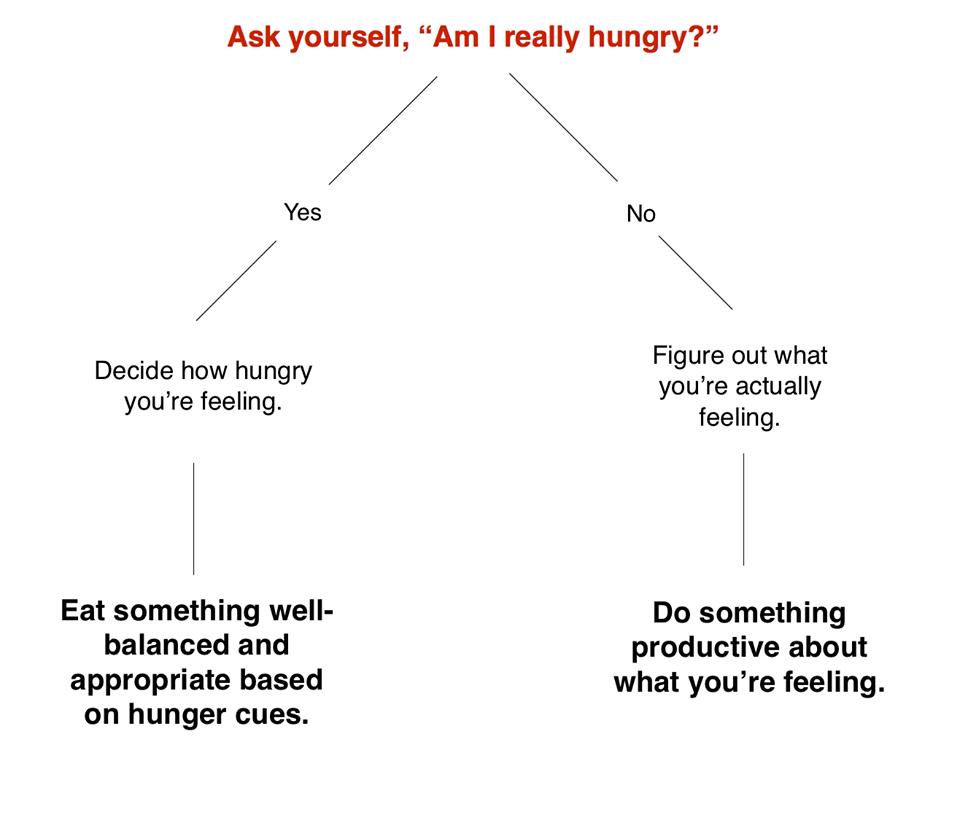
Hunger is a natural bodily response to the need for nourishment. However, in some cases, the feeling of hunger can be influenced by psychological factors. Stress, anxiety, and even boredom can trigger a false sense of hunger, leading to increased food intake. It is important to distinguish between physical and emotional hunger to prevent overeating. Physical hunger arises gradually and can be satisfied with a balanced meal, while emotional hunger tends to be sudden and directed towards specific comfort foods.
Emotional Triggers for Eating
Emotional triggers play a significant role in our eating behavior. When we experience strong emotions such as sadness, anger, or boredom, we may seek comfort in food as a coping mechanism. This habit of emotional eating can be detrimental to our health and weight management goals. To break this cycle, it is essential to identify the emotions that trigger overeating and find alternative, healthier ways to address them, such as practicing self-care, seeking support from loved ones, or engaging in stress-relief techniques.
Boredom and Mindless Eating
Boredom often leads to mindless eating, where we consume food without being fully aware or present in the moment. This can result in excessive calorie intake and poor food choices. To combat mindless eating, it is important to be mindful of our eating habits. Taking the time to savor each bite, eating at a designated space, and avoiding distractions such as TV or electronic devices can help us regain control over our food intake.
Creating a Supportive Environment
Setting Up a Healthy Kitchen
The environment in which we prepare and consume food can greatly influence our eating habits. By setting up a healthy kitchen, we can create a supportive environment that promotes mindful eating and healthy choices. This includes organizing our pantry and refrigerator, keeping nutritious ingredients easily accessible, and ensuring we have the necessary tools and equipment to prepare balanced meals.
Removing Temptation
One of the main culprits of overeating is the presence of tempting, unhealthy foods in our surroundings. To prevent impulsively grabbing snacks or indulging in high-calorie treats, it is crucial to remove temptation from our living spaces. Get rid of unhealthy snacks or hide them out of sight. Instead, replace them with nutritious alternatives such as fruits, vegetables, and whole grains.
Stocking Up on Nutritious Snacks
Having healthy snacks readily available can be a great way to prevent overeating. Instead of reaching for processed or sugary options, stock your pantry with nutritious snacks like nuts, seeds, yogurt, or pre-cut fruits and vegetables. These options not only provide essential nutrients but also help satisfy hunger and curb cravings in a more wholesome way.
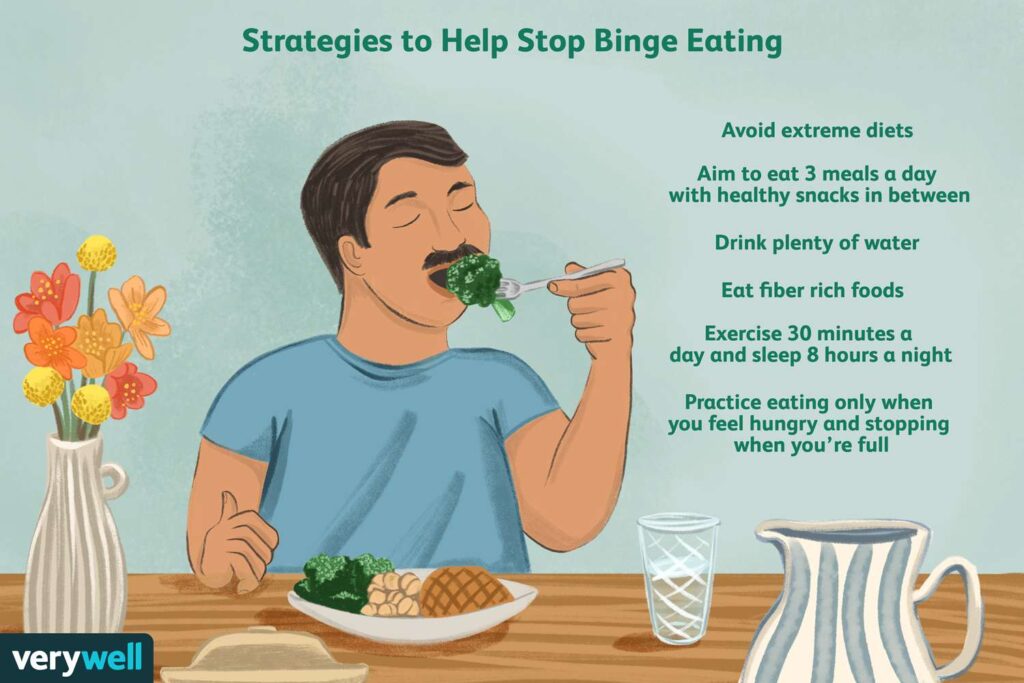
Developing Healthy Eating Habits
Eating Mindfully
Mindful eating is a practice that involves paying full attention to our eating experience, from the taste and texture of the food to our body’s hunger and satiety cues. By eating mindfully, we become more aware of our portions, our body’s needs, and the overall satisfaction derived from a meal. This helps prevent overeating and fosters a healthier relationship with food.
Practicing Portion Control
Portion control plays a vital role in maintaining a balanced diet and preventing overeating. Understanding appropriate portion sizes and using measuring tools can help us avoid consuming excess calories. Start by measuring your portions to familiarize yourself with appropriate serving sizes, and gradually develop a sense of portion control. Additionally, using smaller plates and bowls can create an illusion of a fuller plate, reducing the urge to overeat.
Planning Balanced Meals
The key to preventing overeating is to plan and prepare balanced meals. Including a variety of food groups, such as lean proteins, whole grains, fruits, and vegetables, helps ensure that our bodies receive the necessary nutrients and remain satisfied for a longer period. Planning and prepping meals in advance can also save time and reduce the likelihood of impulsive food choices.
Finding Alternative Activities
Engaging in Physical Exercise
Engaging in physical exercise not only helps burn calories but also serves as a distraction from eating when we are not truly hungry. Exercise has numerous benefits for our physical and mental health and can help regulate our appetite. Find an activity that you enjoy and make it a part of your routine. Whether it’s jogging, dancing, or practicing yoga, regular physical exercise can significantly reduce the tendency to eat out of boredom or emotional triggers.
Exploring Hobbies and Interests
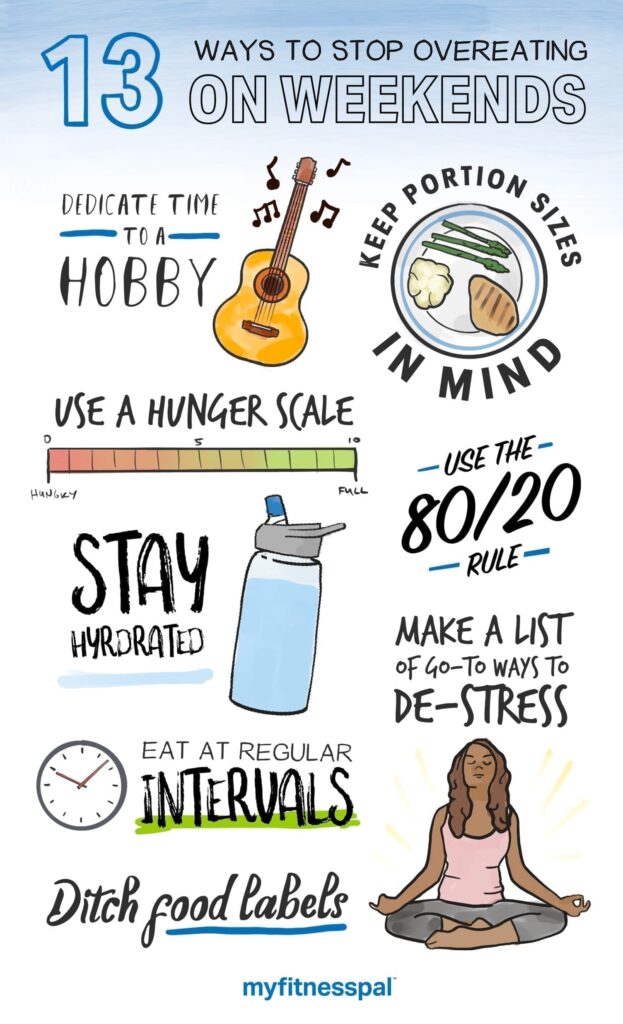
Boredom often leads to overeating, and one of the best ways to combat this is by engaging in hobbies and interests that occupy our mind and stimulate our creativity. Discovering new activities, such as painting, gardening, or playing a musical instrument, can divert our attention away from food and provide a sense of fulfillment and enjoyment.
Socializing and Distraction Techniques
Socializing with friends and loved ones can help alleviate emotional triggers for eating. Spending quality time with others, engaging in conversations, or participating in group activities can distract us from thoughts of food and reduce feelings of loneliness or boredom. Moreover, involving others in our journey towards healthy eating can provide support and accountability, making it easier to stay on track.

Managing Stress and Emotional Eating
Identifying Triggers and Coping Mechanisms
Stress is a common trigger for emotional eating, and learning to manage it effectively is crucial. Identifying the specific triggers that cause stress and finding healthy coping mechanisms can help prevent the urge to overeat. This may include engaging in relaxation techniques like deep breathing exercises or meditation, seeking professional help, or practicing hobbies that bring joy and relaxation.
Seeking Emotional Support
Talking to a trusted friend, family member, or therapist about our emotions and struggles can provide valuable emotional support. Sharing our thoughts and feelings with someone who understands can help alleviate the need for emotional eating. Moreover, they can offer guidance and provide alternative ways to address our emotions without resorting to food.
Practicing Stress-Relief Techniques
There are various stress-relief techniques that can effectively reduce the desire to eat in response to stress. Some popular methods include taking a warm bath, going for a walk in nature, listening to calming music, or practicing mindfulness meditation. Experiment with different techniques to find what works best for you and incorporate them into your daily routine to manage stress effectively.
Tracking and Monitoring Your Progress
Keeping a Food Journal
Keeping a food journal is an effective way to track our eating habits and identify patterns of overeating. By recording what we eat, when we eat, and how we feel before and after each meal, we gain insight into our behaviors and emotions associated with eating. This self-awareness helps us make conscious changes towards healthier eating habits and prevent overeating.
Using Mobile Apps or Online Tools
In this digital age, there are numerous mobile apps and online tools available to help track our food intake, calories, and macronutrients. These tools often provide personalized recommendations and guidance, making it easier to stay accountable and maintain a balanced diet. Find an app or online resource that suits your needs and preferences, and utilize it to support your journey towards healthier eating.
Measuring Body Composition
Tracking our progress does not solely rely on numbers on a scale. Measuring our body composition, which includes tracking changes in body fat percentage, muscle mass, or waist circumference, offers a more comprehensive view of our overall health and progress. Consider using devices, such as body fat calipers or smart scales, or consult with a healthcare professional to accurately measure and monitor your body composition.
Seeking Professional Help
Consulting a Registered Dietitian
If you find it challenging to navigate your eating habits or are unsure of the best approach, consulting with a registered dietitian can provide valuable guidance and support. A dietitian can assess your nutritional needs, create personalized meal plans, and help you develop healthy eating habits tailored to your specific goals and lifestyle. Their expertise can be instrumental in overcoming overeating and achieving sustainable weight management.
Working with a Therapist or Counselor
For many, overeating is deeply rooted in emotional and psychological factors. In such cases, working with a therapist or counselor specialized in eating disorders or emotional eating can be beneficial. These professionals can help identify underlying issues, provide coping strategies, and guide you towards establishing a healthier relationship with food and yourself.
Joining Support Groups
Feeling supported and understood during your journey to stop overeating is crucial to success. Joining support groups, either in-person or online, can provide a sense of community and connection with others who are facing similar challenges. Sharing experiences, offering encouragement, and receiving advice from individuals who have successfully overcome overeating can greatly enhance your motivation and commitment.
Identifying and Addressing Underlying Health Issues
Understanding Food Addictions
Food addiction is a complex issue that involves a strong craving for certain types of food, often leading to compulsive overeating. Identifying and acknowledging a food addiction is the first step towards addressing it. Seeking assistance from healthcare professionals, such as addiction specialists or therapists, can help in developing strategies to break free from food addictions and establish healthier eating patterns.
Detecting Hormonal Imbalances
Hormonal imbalances can impact our appetite, metabolism, and overall well-being, leading to overeating. If you suspect that hormonal imbalances may be contributing to your overeating, consult with a healthcare provider who specializes in endocrinology or hormonal health. They can conduct tests, diagnose any imbalances, and provide appropriate treatment options to restore hormonal balance.
Managing Medical Conditions
Certain medical conditions, such as diabetes, polycystic ovary syndrome (PCOS), or hypothyroidism, can affect our appetite and metabolism, contributing to overeating. If you have a diagnosed medical condition that may be influencing your eating habits, it is important to work closely with your healthcare team to manage and monitor the condition effectively. Their expertise and guidance can help you navigate the challenges of overeating in the context of your specific health needs.
Creating Long-Term Behavior Changes
Sustainable Diet Strategies
Adopting a sustainable diet strategy is essential in preventing overeating and maintaining a healthy relationship with food in the long term. Avoid crash diets or restrictive eating practices, as they often lead to feelings of deprivation and rebound overeating. Instead, focus on creating a balanced, varied, and enjoyable eating plan that suits your preferences and lifestyle. Gradual changes and moderation are key to sustainable behavior changes.
Creating a New Relationship with Food
In order to stop overeating, it is crucial to develop a new relationship with food. Rather than viewing food as a source of comfort or reward, try to reframe your mindset and see it as fuel for nourishment and sustenance. Adopting a more mindful and intuitive approach towards eating, where you listen to your body’s signals and provide it with the nutrients it needs, can help shift your perspective and establish healthier eating habits.
Establishing Healthy Routines
Routines are powerful tools in preventing overeating. Establishing regular meal times, setting aside dedicated space for meals, and planning ahead can all contribute to healthier eating habits. Creating a structured routine helps reduce the likelihood of impulsive snacking or emotional eating as you become more intentional and aware of your food choices. Remember to be flexible and forgiving with yourself, as building sustainable routines takes time.
Conclusion
Overeating can be a complex issue that requires understanding and addressing its underlying causes. By recognizing the psychological factors that contribute to overeating, creating a supportive environment, developing healthy eating habits, finding alternative activities, managing stress and emotional eating, tracking progress, seeking professional help when needed, identifying and addressing underlying health issues, and creating long-term behavior changes, you can take control of your eating habits and establish a healthier relationship with food. Remember, it’s a journey, and every small step counts towards achieving your goals.
Stop Eating Meat

Are you looking for a way to improve your overall health and well-being? Have you ever considered cutting out meat from your diet? Well, if you haven’t, it might be worth giving it a try. In this article, we’re going to delve into the topic of stopping eating meat and explore the potential benefits it can bring to your body and the planet. So, if you’re curious to learn more about this lifestyle change, keep reading!
Now, I know what you might be thinking – giving up meat entirely seems like a daunting task. But trust me, it’s not as difficult as it may seem. By eliminating meat from your diet, you can introduce a plethora of other nutritious and delicious foods into your meals. From protein-packed legumes and tofu to nutrient-rich fruits and vegetables, there are numerous plant-based alternatives that can provide you with all the essential nutrients your body needs. In fact, studies have shown that a well-balanced vegetarian or vegan diet can reduce the risk of chronic diseases such as heart disease, diabetes, and certain cancers. So, if you’re ready to embark on a journey towards better health and a more sustainable lifestyle, keep reading our article for more information on how to successfully transition to a meat-free diet.
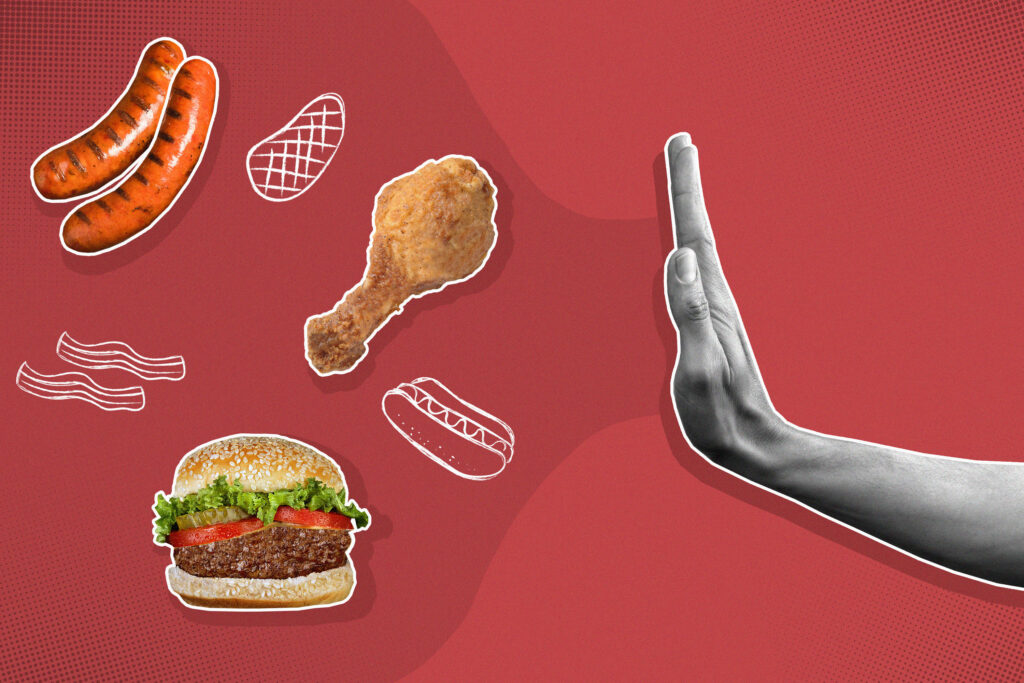
Stop Eating Meat
If you’re looking for ways to improve your health and contribute to a more sustainable environment, one step you can take is to stop eating meat. With the rise of plant-based diets and the increasing awareness of the negative impacts of meat consumption, there are numerous reasons to reconsider your dietary choices. In this article, we will explore the health benefits of consuming plant-based proteins, the environmental impact of meat consumption, the ethical considerations, the health risks associated with eating meat, alternative sources of protein, the benefits of plant-based diets, transitioning to a meat-free lifestyle, the culinary diversity and creativity of plant-based cuisine, and the economic impact of the industry transformation.
Increased Protein Intake
One concern many people have when considering a meat-free lifestyle is whether they will get enough protein. However, it is important to note that there are plenty of plant-based sources of protein that can adequately meet your nutritional needs. Foods such as beans, legumes, quinoa, and chia seeds are all excellent sources of protein. By incorporating these foods into your diet, you can easily increase your protein intake without relying on meat products.
Nutrient Richness
While meat is often associated with essential nutrients such as iron and vitamin B12, plant-based diets can also provide these nutrients in abundance. Leafy green vegetables like spinach and kale are high in iron, while fortified plant-based milk and cereals can provide an ample amount of vitamin B12. By diversifying your diet and incorporating a wide range of plant-based foods, you can ensure that you are getting all the essential nutrients your body needs.
Enhanced Muscle Development
Contrary to popular belief, it is possible to build muscle on a plant-based diet. Plant-based proteins, such as those found in soy, lentils, and hemp seeds, can provide all the necessary amino acids for muscle growth and repair. Additionally, plant-based diets tend to be rich in antioxidants, which can help reduce inflammation and aid in muscle recovery.
Better Bone Health
Calcium is essential for strong and healthy bones, and many people associate dairy products with high calcium content. However, plant-based sources such as kale, broccoli, and tofu also provide ample amounts of this important mineral. Additionally, plant-based diets are often rich in other bone-healthy nutrients like vitamin K, magnesium, and potassium, which contribute to overall bone health.
Environmental Impact of Meat Consumption
Greenhouse Gas Emissions
Meat production is a significant contributor to greenhouse gas emissions, particularly through the release of methane. The livestock industry releases large amounts of methane, a potent greenhouse gas that contributes to climate change. By reducing or eliminating meat consumption, you can significantly reduce your carbon footprint and contribute to the fight against global warming.
Deforestation
The demand for meat has led to widespread deforestation, particularly in regions like the Amazon rainforest. Forests are cleared to make way for cattle grazing or to grow animal feed crops like soybeans. This destruction of natural habitats not only threatens biodiversity but also contributes to climate change by releasing stored carbon dioxide into the atmosphere. By opting for plant-based alternatives, you can help protect forests and preserve ecosystems.
Water Scarcity
Meat production requires substantial amounts of water, both for the animals themselves and for growing their food. Livestock farming is a water-intensive industry, putting strain on water resources in many regions. By reducing meat consumption, you can help conserve water and alleviate the pressure on already scarce water supplies.
Pollution
The meat industry is a significant source of water and air pollution. The runoff from animal waste, antibiotics, and hormones used in meat production can contaminate soil and water supplies. Moreover, the emissions from factory farms can contribute to air pollution, affecting both human and environmental health. By transitioning to a plant-based diet, you can help reduce the pollution caused by the meat industry.
Ethical Considerations
Animal Cruelty
One of the most compelling reasons to stop eating meat is to address the issue of animal cruelty. Factory farming practices often involve confining animals in cramped and unsanitary conditions, depriving them of their natural behaviors and subjecting them to unnecessary suffering. By choosing plant-based alternatives, you can demonstrate compassion towards animals and advocate for their welfare.
Factory Farming Practices
Factory farming has become the dominant method of meat production, prioritizing high yields and low costs over animal welfare. The intensive use of antibiotics and hormones in these operations not only poses risks to human health but also contributes to the development of antibiotic-resistant bacteria. By eliminating meat from your diet, you can support more humane farming practices and reduce the reliance on harmful substances in food production.
Inhumane Slaughter
The process of slaughtering animals for meat often involves inhumane practices and can cause unnecessary suffering. Many individuals find it difficult to reconcile the ethical implications of taking another living being’s life for food. By adopting a meat-free lifestyle, you can align your values with your actions and respect the inherent worth of all living creatures.
Negative Impact on Wildlife
Ecosystems and wildlife are deeply affected by the meat industry. The clearing of land for grazing or growing animal feed destroys habitats, displaces species, and disrupts delicate ecological balance. By reducing meat consumption, you can help preserve biodiversity and protect vulnerable wildlife.
Health Risks of Eating Meat
Higher Risk of Heart Disease
Excessive consumption of red and processed meats has been strongly linked to an increased risk of heart disease. These meats are often high in saturated fats and cholesterol, which can raise blood cholesterol levels and contribute to the development of atherosclerosis. By reducing meat intake and replacing it with plant-based alternatives, you can promote heart health and lower your risk of cardiovascular diseases.
Increased Cancer Susceptibility
Several studies have found a positive association between meat consumption and the risk of certain types of cancer, particularly colorectal cancer. The compounds formed during meat cooking, such as heterocyclic amines and polycyclic aromatic hydrocarbons, may contribute to cancer development. By opting for plant-based proteins, you can decrease your exposure to potentially harmful substances and reduce your cancer risk.
Risk of Obesity and Diabetes
High consumption of meat, especially processed meats, has been linked to an increased risk of obesity and type 2 diabetes. These meats are often high in calories, unhealthy fats, and additives, which can contribute to weight gain and insulin resistance. By adopting a plant-based diet, you can reduce your intake of these detrimental factors and maintain a healthy weight.
Negative Effects on Digestion
Meat is often harder to digest compared to plant-based foods, requiring more energy and time for the body to break down. This can lead to digestive discomfort, including bloating, constipation, and acid reflux. By incorporating more plant-based foods into your diet, you can improve your digestion and promote a healthier gastrointestinal system.

Alternative Sources of Protein
Plant-based Proteins
There is a rich variety of plant-based proteins available that can easily replace meat in your diet. Foods like tofu, tempeh, seitan, and textured vegetable protein provide a similar texture and taste, making them excellent substitutes in many recipes. Additionally, plant-based protein powders, such as pea, soy, or hemp protein, can be used to supplement your protein intake.
Quinoa and Chia Seeds
Quinoa and chia seeds are considered complete proteins, as they contain all nine essential amino acids that the body needs. These foods are versatile and can be incorporated into a range of dishes, from salads and stir-fries to puddings and smoothies. Their high protein content makes them a nutritious addition to any plant-based diet.
Beans and Legumes
Beans and legumes, such as chickpeas, black beans, lentils, and kidney beans, are excellent sources of protein, fiber, and various essential nutrients. They can be used as the main ingredient in dishes like soups, stews, and chili or as a substitute for meat in burgers and tacos. Adding these versatile ingredients to your meals can help meet your protein requirements while providing numerous health benefits.
Nuts and Seeds
Nuts and seeds, including almonds, walnuts, pumpkin seeds, and sunflower seeds, are not only rich in protein but also provide healthy fats, vitamins, and minerals. They can be eaten as a snack or used as toppings in salads, cereals, and yogurt. Including a variety of nuts and seeds in your diet can add flavor, texture, and nutrition to your meals.
Plant-Based Diets for Optimal Health
Balanced Nutrition
Contrary to popular belief, plant-based diets can provide all the necessary nutrients for optimal health. By incorporating a diverse range of fruits, vegetables, whole grains, legumes, and plant-based proteins, you can ensure a well-rounded and balanced diet. It is essential to pay attention to adequate intake of nutrients like vitamin B12, iron, and omega-3 fatty acids, which may require supplementation or intentional inclusion of fortified foods.
Reduced Risk of Chronic Diseases
Plant-based diets have been associated with a reduced risk of chronic diseases, including heart disease, high blood pressure, type 2 diabetes, and certain types of cancer. This is primarily due to the high intake of fiber, antioxidants, phytochemicals, and other beneficial compounds found in plant-based foods, which help protect against oxidative stress and inflammation.
Weight Management
Plant-based diets naturally tend to be lower in calories and saturated fats, making them conducive to weight management. Fruits, vegetables, whole grains, and legumes are typically more filling due to their high fiber and water content. By focusing on whole, unprocessed plant-based foods, you can maintain a healthy weight and reduce the risk of obesity.
Improved Digestive Health
The fiber content in plant-based diets promotes good digestive health by regulating bowel movements, preventing constipation, and nourishing beneficial gut bacteria. Additionally, plant-based diets are usually easier to digest, leading to reduced bloating and gastrointestinal discomfort. By adopting a plant-based lifestyle, you can support a healthy digestive system and promote optimal gut health.

Transitioning to a Meat-Free Lifestyle
Gradual Reduction of Meat Consumption
Transitioning to a meat-free lifestyle does not have to be an all-or-nothing approach. Many people find it helpful to gradually reduce their meat consumption by incorporating meatless meals into their weekly routine. Start by designating certain days of the week as meat-free and gradually increase the frequency over time. This gradual approach allows for a smoother transition and enables you to explore new flavors and recipes.
Experimenting with Plant-Based Recipes
One of the most exciting aspects of adopting a meat-free lifestyle is the opportunity to explore new flavors and experiment with plant-based recipes. There is no shortage of delicious and creative options available, ranging from hearty vegetable stews to flavorful grain bowls and protein-packed plant-based burgers. Take the time to discover new ingredients, try different cooking techniques, and enjoy the adventure of creating nutritious and satisfying meals.
Seeking Supportive Communities
Transitioning to a meat-free lifestyle can feel challenging, especially if your social circle predominantly consists of meat-eaters. It can be helpful to seek out like-minded individuals or join online communities that offer support, share recipes, and provide guidance throughout your journey. Connecting with others who have similar goals and experiences can help foster a sense of community and provide valuable resources to make the transition easier.
Exploring Vegan and Vegetarian Options
If you’re ready to fully embrace a meat-free lifestyle, exploring vegan or vegetarian options can provide a wealth of resources and inspiration. Vegan and vegetarian cookbooks, websites, and blogs offer a vast selection of delicious recipes, nutritional advice, and tips on living a plant-based lifestyle. These resources can help you navigate the challenges and reap the benefits of a meat-free diet.
Culinary Diversity and Creativity
Discovering New Flavors and Ingredients
Adopting a meat-free lifestyle opens up a world of culinary exploration, allowing you to discover new flavors and ingredients. Integrating a variety of fruits, vegetables, herbs, and spices into your meals can create a diverse and exciting dining experience. By embracing different cultural cuisines and experimenting with unique combinations, you can broaden your palate and find joy in the diversity of plant-based cuisine.
Cultural Influence on Plant-Based Cuisine
Cultures from around the world offer an abundance of plant-based dishes that have been enjoyed for centuries. Exploring traditional plant-based recipes from various cultures can provide a deeper understanding of their culinary heritage. From Mediterranean mezze and Indian curries to Mexican tacos and Japanese sushi, the possibilities for flavorful and satisfying meat-free meals are endless.
Exploring Meat Substitutes
The growing popularity of plant-based meat substitutes has revolutionized the meatless dining experience. Innovations such as plant-based burgers, sausages, and deli slices mimic the taste, texture, and appearance of traditional meat products. These alternatives can be incorporated into your favorite recipes or enjoyed as standalone dishes, allowing you to indulge in familiar flavors while abstaining from meat.
Fine Dining without Meat
Contrary to popular belief, abstaining from meat does not mean sacrificing the joy of fine dining. Many upscale restaurants now offer elaborate plant-based tasting menus that celebrate seasonal produce and innovative cooking techniques. These dining experiences highlight the culinary possibilities of plant-based cuisine and offer a sophisticated and memorable dining experience for those seeking a meat-free lifestyle.
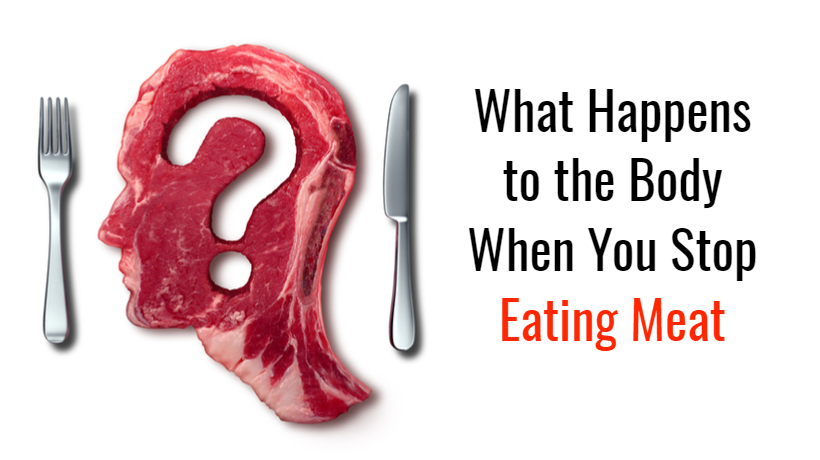
Economic Impact and Industry Transformation
Growth of Plant-Based Food Market
The demand for plant-based food products has been steadily increasing in recent years. As more individuals embrace a meat-free lifestyle, the market for plant-based alternatives has expanded. This growth has led to an increasing variety of plant-based food options, making it easier than ever to transition away from meat and enjoy a diverse, flavorful, and nutritious plant-based diet.
Investment Opportunities in Plant-Based Protein
The rise of plant-based diets has created numerous investment opportunities in the plant-based protein industry. Companies specializing in plant-based meat alternatives, dairy alternatives, and other plant-based products have attracted significant investments from venture capitalists and large food corporations. This trend not only reflects the growing demand for plant-based options but also demonstrates the potential for economic growth and innovation in the industry.
Changing Consumer Preferences
Consumer preferences are shifting towards more sustainable and ethical food choices, with an increasing number of individuals opting for plant-based diets. This change in consumer behavior has prompted restaurants, food manufacturers, and grocery stores to expand their plant-based offerings to meet the demand. By adopting a meat-free lifestyle, you are contributing to this shift in consumer preferences and influencing the food industry to provide more sustainable options.
Sustainability Initiatives
Prominent environmental organizations and institutions are recognizing the environmental impact of meat consumption and advocating for more sustainable food systems. Initiatives such as Meatless Monday campaigns and the inclusion of plant-based options in public institutions and schools aim to promote sustainable diets and educate the public about the benefits of reducing meat consumption. By supporting these initiatives and choosing plant-based alternatives, you can actively contribute to a more sustainable future.
Conclusion
Embracing a meat-free lifestyle is a personal choice that can have significant positive impacts on both your health and the environment. By opting for plant-based proteins and reducing meat consumption, you can increase your protein intake, enjoy nutrient-rich foods, and promote muscle development and bone health. Furthermore, transitioning to a meat-free lifestyle can help combat climate change by reducing greenhouse gas emissions, deforestation, water scarcity, and pollution caused by the meat industry.
Ethically, abstaining from meat consumption addresses concerns about animal cruelty, factory farming practices, inhumane slaughter, and the negative impacts on wildlife. Additionally, reducing meat intake can lower the risk of heart disease, cancer, obesity, and diabetes and improve digestion.
There is a wide range of alternative sources of protein available, including plant-based proteins, quinoa, chia seeds, beans, legumes, and nuts and seeds. Embracing a plant-based diet can provide balanced nutrition, reduce the risk of chronic diseases, aid in weight management, and improve digestive health.
Transitioning to a meat-free lifestyle can be done gradually by reducing meat consumption, experimenting with plant-based recipes, seeking the support of like-minded communities, and exploring vegan and vegetarian options. This transition allows for the discovery of new flavors and ingredients, cultural influences on plant-based cuisine, and the exploration of meat substitutes. Furthermore, embracing plant-based meals offers a diverse culinary experience and options for fine dining without meat.
The economic impact of transitioning to a meat-free lifestyle includes the growth of the plant-based food market, investment opportunities, changing consumer preferences, and sustainability initiatives. By embracing a meat-free lifestyle, you can contribute to your personal well-being, environmental conservation, economic growth, and a more compassionate and sustainable future. Stop eating meat and explore the abundance of plant-based alternatives available to you.
Stop Emotional Eating

Do you ever find yourself reaching for a pint of ice cream after a stressful day? Or maybe you reach for a bag of chips when you’re feeling bored or sad? If so, you’re not alone. Many of us turn to food as a way to cope with our emotions, a behavior known as emotional eating. But why do we do it and how can we stop? In this article, you’ll learn all about emotional eating and discover some tips and strategies to help you break free from this cycle.
Emotional eating is a common response to stress, boredom, or negative emotions. When we eat to soothe our feelings, we often choose high-calorie, sugary, or fatty foods that provide temporary comfort. However, these foods can leave us feeling guilty and unsatisfied in the long run. If you’ve been struggling with emotional eating, don’t worry, there are steps you can take to regain control over your eating habits. In this article, we’ll explore the reasons behind emotional eating and provide you with practical tools and techniques to overcome it. Whether you’re looking to improve your relationship with food or just want to lead a healthier lifestyle, you’ll find valuable insights and guidance here. So, let’s dive in and discover how we can put an end to emotional eating for good!

Stop Emotional Eating
Understanding Emotional Eating
Emotional eating is a common behavior where individuals use food as a way to cope with their emotions. It occurs when emotions, such as stress, sadness, or boredom, trigger the urge to eat, even when physical hunger is not present. Many individuals turn to food as a source of comfort or distraction, seeking solace in high-calorie, unhealthy foods. While it may provide temporary relief, emotional eating can have negative effects on both physical and mental health.
Factors That Contribute to Emotional Eating
Several factors contribute to emotional eating. Stress is a major contributor, as it can lead to an increased appetite and cravings for comfort foods. Negative emotions, such as sadness or anxiety, can also trigger emotional eating as individuals try to improve their mood. Additionally, a lack of awareness or mindfulness while eating can contribute to emotional eating, as individuals may use food as a way to distract themselves from their emotions.
Identifying Emotional Eating Patterns
To overcome emotional eating, it is important to first identify the patterns and triggers associated with this behavior. Pay attention to the situations, emotions, or events that lead to the urge to eat. Keep a journal of your eating habits, noting down what you eat, when you eat, and how you feel before and after eating. This will help you uncover the underlying emotions and triggers that contribute to your emotional eating habits.
Negative Effects of Emotional Eating
Weight Gain and Obesity
One of the most significant negative effects of emotional eating is weight gain and obesity. By consuming high-calorie, unhealthy foods during times of emotional distress, individuals often consume more calories than their body needs. This can lead to excess weight gain over time, increasing the risk of obesity and related health issues, such as diabetes, heart disease, and joint problems.
Impacts on Mental Health
Emotional eating can also have detrimental effects on mental health. Relying on food to cope with emotions can create a cycle of guilt and shame, leading to negative self-esteem and body image issues. This, in turn, can contribute to feelings of depression, anxiety, and increased stress levels, perpetuating the emotional eating cycle.
Interference with Healthy Eating Habits
When emotions become the primary driver behind eating, it can interfere with healthy eating habits. Individuals may find it difficult to maintain a balanced diet or make nutritious food choices when they are relying on food for emotional comfort. This can lead to a lack of important nutrients, an imbalance in caloric intake, and a further cycle of emotional eating.
Tips to Overcome Emotional Eating
Understanding Triggers and Emotions
One of the first steps to overcoming emotional eating is understanding the triggers and emotions that contribute to it. Take the time to reflect on your emotions and identify the specific situations or events that lead to the urge to eat emotionally. By becoming aware of your triggers, you can develop strategies to address them and find healthier ways to cope with your emotions.
Building Healthier Coping Mechanisms
Instead of turning to food for comfort, work on building healthier coping mechanisms. Find activities that help you relax and destress, such as practicing yoga, going for a walk in nature, or engaging in a hobby you enjoy. Experiment with different coping mechanisms until you find what works best for you. By substituting food with healthier alternatives, you can break the cycle of emotional eating.
Seeking Support from Others
Overcoming emotional eating is not always easy, and having a support system can be invaluable. Reach out to friends, family, or a support group who can provide encouragement, understanding, and accountability. Consider seeking professional help from a therapist or counselor who specializes in emotional eating. They can provide you with the tools and guidance needed to develop a healthier relationship with food.
Creating a Healthy Relationship with Food
Mindful Eating Practices
Practicing mindful eating is key to developing a healthy relationship with food. Mindful eating involves being fully present and aware during meals, paying attention to the taste, texture, and smell of each bite. It also involves listening to your body’s hunger and fullness cues and eating when you are physically hungry, rather than emotional. By practicing mindful eating, you can foster a greater appreciation for food and make more conscious choices.
Nutrition Education and Meal Planning
Educating yourself about nutrition and meal planning can help you make healthier food choices and prevent impulsive eating. Learn about the nutrients your body needs and aim to incorporate a balanced diet into your daily routine. Consider seeking guidance from a registered dietitian who can provide personalized recommendations and assist you in creating nutritious meal plans.
Finding Joy in Physical Activity
Engaging in regular physical activity is not only beneficial for your physical health but also for your emotional well-being. Find a form of exercise that you enjoy, whether it’s dancing, swimming, or hiking, and make it a regular part of your routine. Exercise releases endorphins, which can boost your mood and help you manage stress. By finding joy in physical activity, you can further reduce the need for emotional eating.

Practicing Self-Care and Stress Management
Prioritizing Self-Care Activities
Taking care of yourself is crucial in overcoming emotional eating. Engage in activities that bring you joy and relaxation, such as taking a bubble bath, reading a book, or spending time in nature. Prioritize self-care and make it a non-negotiable part of your routine. By actively nurturing your well-being, you can reduce the need for emotional eating as a form of self-soothing.
Implementing Stress Management Techniques
Stress is often a major trigger for emotional eating. Implementing stress management techniques can be instrumental in breaking the cycle. Explore different techniques, such as deep breathing exercises, meditation, or journaling, and find what works best for you. When you effectively manage stress, you decrease the likelihood of turning to food for comfort.
Creating a Balanced Lifestyle
A balanced lifestyle is essential for overcoming emotional eating. Strive for a healthy balance between work, relationships, physical activity, and relaxation. Find ways to incorporate activities that bring you joy and fulfillment into your daily life. By creating a well-rounded lifestyle, you establish a solid foundation for emotional well-being and reduce the reliance on food for emotional comfort.
Breaking the Cycle of Emotional Eating
Replacing Food with Alternative Activities
To break the cycle of emotional eating, it is important to find alternative activities that provide the same sense of comfort and distraction. Engage in hobbies or activities that you enjoy and that can shift your focus away from food. This can include reading a book, engaging in a creative project, or spending time with loved ones. By replacing food with alternative activities, you can break the association between emotions and eating.
Addressing Underlying Emotional Issues
Emotional eating often stems from underlying emotional issues or unresolved trauma. Take the time to address and process these emotions. Consider seeking professional help from a therapist who can assist you in working through any emotional baggage that may be contributing to your emotional eating habits. By addressing the root cause, you can effectively break the cycle.
Working with a Professional Therapist
In some cases, emotional eating may be deeply rooted and difficult to overcome on your own. Working with a professional therapist who specializes in emotional eating can provide invaluable support and guidance. They can help you explore the underlying emotions, develop coping strategies, and navigate the challenges of overcoming emotional eating. A therapist can also provide a safe space for you to work through any emotional barriers to a healthier relationship with food.

Building Emotional Resilience
Learning Emotional Regulation Skills
Building emotional resilience involves learning effective emotional regulation skills. This includes recognizing and understanding your emotions, expressing them in healthy ways, and finding constructive ways to navigate difficult emotions. This can be achieved through therapy, self-reflection, and practicing self-care. By developing these skills, you can better manage your emotions and reduce the reliance on food as a coping mechanism.
Developing Positive Coping Strategies
In addition to emotional regulation skills, it is important to develop positive coping strategies for dealing with difficult emotions. This can include engaging in activities that bring you joy, such as practicing gratitude, engaging in creative outlets, or spending time with loved ones. By developing a toolbox of positive coping strategies, you can effectively manage your emotions and reduce the need for emotional eating.
Increasing Self-Awareness
Self-awareness is key in overcoming emotional eating. Take the time to reflect on your emotions, thoughts, and behaviors surrounding food. Understand the patterns associated with emotional eating and how it affects your overall well-being. By increasing self-awareness, you can catch yourself in the act of emotional eating and make more conscious choices.
Setting Realistic Goals
Defining Personal Wellness Objectives
Setting realistic goals is an important part of overcoming emotional eating. Define clear, achievable objectives that are specific to your personal wellness journey. This can include establishing a regular exercise routine, making healthier food choices, or seeking therapy. By setting goals, you create a roadmap for your progress and provide yourself with a sense of accomplishment along the way.
Tracking Progress and Celebrating Achievements
Track your progress as you work towards overcoming emotional eating. Keep a journal, create a vision board, or use a habit tracker to monitor your milestones and achievements. Celebrate every step forward, no matter how small, and use it as motivation to continue on your journey. By recognizing your progress, you build confidence and reinforce positive habits.
Adapting Goals to Personal Circumstances
As you navigate your wellness journey, it is important to adapt your goals to fit your personal circumstances. Life is dynamic, and priorities may shift over time. Be flexible and willing to reassess your goals as needed. This will allow you to make sustainable changes and ensure that your goals align with your current needs and desires.

Maintaining a Supportive Environment
Surrounding Yourself with Positive Influences
Creating a supportive environment is vital in overcoming emotional eating. Surround yourself with positive influences, whether it be friends, family, or like-minded individuals on a similar wellness journey. Seek out social support networks, online communities, or support groups that can provide encouragement and understanding. By surrounding yourself with positive influences, you increase your chances of success.
Communicating Needs to Loved Ones
Communicate openly with your loved ones about your journey to overcome emotional eating. Share your goals, challenges, and strategies for success. Ask for their support and understanding, and let them know how they can best assist you. Having a strong support system can make a significant difference in your ability to overcome emotional eating.
Creating an Accountability System
Accountability is key in maintaining progress towards overcoming emotional eating. Create an accountability system that works for you, whether it is a workout buddy, a food diary, or a supportive friend who checks in on your progress. By holding yourself accountable, you stay motivated and committed to your journey.
Conclusion
Emotional eating is a complex behavior that can have negative effects on both physical and mental health. Understanding the triggers and emotions behind emotional eating is crucial in breaking the cycle. By building healthier coping mechanisms, practicing self-care and stress management, and seeking support from others, you can overcome emotional eating and develop a healthier relationship with food. Remember to set realistic goals, maintain a supportive environment, and prioritize self-awareness and emotional resilience. With dedication, patience, and a commitment to your well-being, you can stop emotional eating and create a sustainable, healthy way of eating.
How To Stop Feeling Hungry After Eating

Do you ever find yourself feeling hungry, even after you’ve just finished a meal? It can be frustrating and confusing, but fear not, because in this article, we’re going to discuss how to stop feeling hungry after eating. Whether it’s a physical sensation or simply a craving, we’ll dive into the various causes of post-meal hunger and provide some practical tips to help curb those persistent hunger pangs.
One of the first things to consider is the type of food you’re consuming. Certain foods, especially those high in sugar or simple carbohydrates, can cause your blood sugar levels to spike and then quickly drop, leaving you feeling hungry soon after. In contrast, choosing nutrient-dense foods, like lean proteins, healthy fats, and fiber-rich vegetables, can help keep you feeling fuller for longer. However, it’s not just about the food you eat, but also how you eat it. Mindful eating, which involves paying attention to your body’s hunger and fullness cues, can be a helpful strategy in preventing excessive hunger after a meal. Want to learn more about how to combat post-meal hunger? Keep reading to discover some additional strategies that can help you regain control over your appetite and feel satisfied after eating.
How To Stop Feeling Hungry After Eating
Many individuals struggle with persistent hunger even after eating a meal. This can be incredibly frustrating and challenging, especially when trying to maintain a healthy eating pattern or engage in fasting practices. However, understanding the causes of persistent hunger and implementing mindful eating techniques can help alleviate this issue. In this article, we will explore various strategies that can help you stop feeling hungry after eating and promote satiety.
The Role of Hormones
The first step in understanding persistent hunger is recognizing the role of hormones in regulating appetite. Hormones like ghrelin, leptin, and insulin play crucial roles in hunger signaling and control. Ghrelin, often referred to as the “hunger hormone,” stimulates appetite, while leptin, also known as the “satiety hormone,” signals fullness. Insulin is responsible for regulating blood sugar levels and appetite.
Several factors can disrupt the normal functioning of these hormones, leading to persistent hunger. For instance, inadequate sleep, stress, and poor nutrition can contribute to imbalanced hormone levels, leading to increased hunger. To address this, it is essential to prioritize sufficient sleep, manage stress effectively, and consume a balanced diet.
Overeating and Portion Sizes
Another common cause of persistent hunger is overeating and consuming larger portion sizes than necessary. When we regularly consume large amounts of food, our stomach stretches, and our body becomes accustomed to larger portions, leading to increased hunger. Additionally, eating quickly and not chewing thoroughly can also contribute to overeating and subsequent persistent hunger.
To combat overeating and portion sizes, practicing mindful eating techniques is crucial. This involves eating slowly, taking the time to chew each bite thoroughly, and savoring the flavors and textures of the food. By doing so, you allow your body to recognize and signal satiety more effectively, leading to reduced hunger after meals.
Inadequate Nutrient Intake
Persistent hunger can also stem from inadequate nutrient intake. When our body lacks essential nutrients, it continues to send hunger signals in an attempt to meet its nutritional needs. This often occurs when individuals consume calorie-dense but nutrient-poor foods, such as highly processed snacks or sugary beverages.
To address this issue, it is essential to focus on consuming nutrient-dense foods that provide a wide range of vitamins, minerals, and antioxidants. Incorporating ample fruits and vegetables, whole grains, lean proteins, and healthy fats into your meals can help ensure that your body receives the necessary nutrients, reduce persistent hunger, and increase overall satiety.
Eating Unbalanced Meals
Consuming unbalanced meals can also contribute to feeling hungry even after eating. When our meals lack adequate protein, fiber, and healthy fats, they fail to provide sustained energy and satiety. For example, a meal solely consisting of simple carbohydrates, such as white bread or pasta, may lead to a quick spike in blood sugar levels followed by a subsequent crash, leaving you feeling hungry soon after.
To combat this, it is important to build balanced meals that contain a variety of food groups. Prioritizing whole foods that are minimally processed ensures that you are consuming essential nutrients while also promoting sustained fullness. Include a source of lean protein, such as chicken, fish, tofu, or legumes, along with ample vegetables, whole grains, and healthy fats like avocado or olive oil in each meal.
Implementing Mindful Eating Techniques
In addition to understanding the causes of persistent hunger, implementing mindful eating techniques can significantly contribute to stopping hunger after eating. By practicing these techniques, you can enhance your awareness of internal hunger cues and improve your overall eating experience.
Eating Slowly and Chew Thoroughly
Eating slowly and thoroughly chewing each bite allows your body to properly digest and assimilate the nutrients from your food. It takes approximately 20 minutes for your brain to receive signals of fullness from your stomach. By slowing down your eating pace, you give your body ample time to recognize when it is satisfied, reducing the likelihood of feeling hungry after a meal.
Savoring Each Bite
When you savor each bite, you are truly present and engaged in your eating experience. This mindfulness allows you to fully appreciate the flavors, textures, and aromas of your food. By focusing on the sensory aspects of your meal, you derive greater satisfaction, leading to increased feelings of fullness.
Listening to Hunger Cues
Listening to your body’s hunger cues is crucial in preventing persistent hunger. Instead of relying on external cues, such as strict meal times or portion sizes, tune in to your body’s internal signals of hunger and fullness. Eat when you feel physically hungry and stop eating when you feel comfortably satisfied. By honoring your body’s natural signals, you can avoid overeating and prevent persistent hunger.
Avoiding Distractions while Eating
Eating while distracted, whether it be watching TV, scrolling through your phone, or working, can interfere with your ability to recognize satiety. When our attention is divided, we are more likely to eat mindlessly, consuming larger quantities of food without realizing it. To prevent this, make a conscious effort to eat without distractions, focusing solely on your meal and the experience of eating.
Choosing Foods that Promote Satiety
The types of foods we choose to include in our meals can greatly impact our feelings of hunger and fullness. Opting for foods that promote satiety can help prevent persistent hunger and support overall well-being.
Incorporating High-Fiber Foods
Fiber-rich foods, such as fruits, vegetables, whole grains, and legumes, are known to promote feelings of fullness and satiety. Fiber adds bulk to your meals, slowing down digestion and keeping you feeling satisfied for longer. Aim to include a variety of fiber-rich foods in your diet to increase satiety and reduce persistent hunger.
Including Protein-Rich Sources
Including protein-rich sources in your meals is key to feeling full and satisfied. Protein takes longer to digest compared to carbohydrates, providing sustained energy and promoting feelings of fullness. Incorporate lean proteins such as chicken, fish, turkey, tofu, Greek yogurt, or legumes into your meals to help curb persistent hunger.
Opting for Healthy Fats
Contrary to popular belief, consuming healthy fats does not make you feel more hungry. In fact, including sources of healthy fats such as avocados, nuts, seeds, and olive oil in your meals can promote feelings of fullness. Healthy fats also enhance the absorption of fat-soluble vitamins and provide essential fatty acids for optimal health.
Consuming Water-Rich Foods
Many fruits and vegetables have high water content, which can help you feel full while hydrating your body. Water-rich foods include cucumbers, watermelons, tomatoes, berries, and leafy greens. Adding these to your meals and snacks can increase volume without adding excessive calories, helping you feel satisfied without feeling overly hungry.
Building Balanced Meals for Sustained Fullness
Building balanced meals is essential for sustained fullness and preventing persistent hunger. By including a variety of food groups and prioritizing whole foods, you can create meals that nourish your body and keep you satiated throughout the day.
Including a Variety of Food Groups
Each meal should consist of a balanced combination of macronutrients – carbohydrates, proteins, and fats. Incorporating a variety of food groups ensures that your body receives a wide range of essential nutrients and contributes to sustained fullness. Experiment with different ingredients and flavors to keep your meals interesting and satisfying.
Prioritizing Whole Foods
Whole foods, in their natural and unprocessed state, provide greater satiety compared to processed foods. Whole grains, fruits, vegetables, lean proteins, and healthy fats are excellent choices for building balanced meals. These foods not only provide essential nutrients but also contain fiber and water, contributing to feelings of fullness and reducing persistent hunger.
Balancing Macronutrients
Balancing macronutrients – carbohydrates, proteins, and fats – is key to feeling full and satisfied after a meal. Each macronutrient has unique properties that affect our body’s digestion, metabolism, and overall energy levels. Aim to include all three macronutrients in your meals to promote sustained fullness and prevent unwanted hunger.
Adding Fiber to Meals
As mentioned earlier, fiber plays a crucial role in promoting satiety and reducing persistent hunger. Add fiber-rich foods to your meals, such as whole grains, fruits, vegetables, and legumes. Fiber adds bulk to your meals, contributing to feelings of fullness and reducing the likelihood of feeling hungry shortly after eating.
Practicing Portion Control and Meal Planning
Practicing portion control and meal planning can help you maintain a balanced and well-structured eating pattern and prevent persistent hunger.
Understanding Portion Sizes
Understanding proper portion sizes is essential, as it ensures that you are consuming an appropriate amount of food for your body’s needs. Portion control involves being mindful of serving sizes and avoiding excessive food intake. Familiarize yourself with recommended portion sizes for different food groups to maintain a healthy and balanced diet.
Using Smaller Plates and Bowls
Using smaller plates and bowls can trick your mind into perceiving larger portions. By utilizing smaller dishes, you naturally portion your food more appropriately, preventing overeating and persistent hunger. The visual illusion of a full plate can also contribute to feelings of satisfaction, even if you’re consuming smaller quantities of food.
Planning Meals and Snacks in Advance
Planning meals and snacks in advance helps ensure that you have a well-balanced and satisfying eating pattern throughout the day. When you have a predetermined plan, you are less likely to make impulsive and potentially less nutritious choices that can lead to persistent hunger. Take some time to plan your meals and snacks, incorporating a balance of macronutrients and nutrient-dense foods.
Avoiding Skipping Meals
Skipping meals can lead to excessive hunger, overeating, and subsequent persistent hunger. It is important to establish regular eating patterns and avoid prolonged periods of fasting. By spreading your meals and snacks evenly throughout the day, you can maintain steady blood sugar levels, prevent excessive hunger, and reduce the likelihood of feeling hungry after eating.
Staying Hydrated throughout the Day
Staying hydrated is crucial for overall health and can also help prevent persistent hunger. Sometimes, feelings of hunger can actually be mistaken for thirst. By maintaining adequate hydration, you can keep cravings at bay and reduce the likelihood of overeating.
Drinking Adequate Water
Drinking adequate water is essential for proper hydration and can help curb persistent hunger. Aim to drink at least eight glasses of water throughout the day to stay hydrated and prevent unnecessary snacking. Carry a water bottle with you at all times as a reminder to sip regularly.
Consuming Hydrating Foods
In addition to drinking water, consuming hydrating foods can contribute to overall hydration and satiety. Fruits and vegetables with high water content, such as cucumbers, melons, berries, and lettuce, can provide an additional source of fluids. These foods not only help keep you hydrated but also contribute to feelings of fullness.
Monitoring Fluid Intake
Monitoring your fluid intake can help ensure that you are consistently hydrating throughout the day. Keep track of how much water you are consuming and adjust as necessary. If you notice persistent feelings of hunger, check if you are adequately hydrated before reaching for a snack.
Limiting Dehydrating Beverages
Certain beverages, such as caffeinated or sugary drinks, can have a dehydrating effect on the body. While it is important to moderate your intake of these beverages, it is also crucial to replace them with hydrating options like water, herbal teas, or infused water. Limiting dehydrating beverages can prevent excessive thirst and reduce persistent hunger.
Identifying and Managing Emotional Eating
Persistent hunger can sometimes be attributed to emotional eating, where individuals eat in response to their emotions rather than physical hunger. This can lead to the consumption of excessive calories and subsequent feelings of persistent hunger. Identifying and managing emotional eating is crucial in overcoming this issue.
Recognizing Emotional Triggers
Identifying emotional triggers that prompt you to eat when you are not physically hungry is the first step in managing emotional eating. Common triggers include stress, boredom, loneliness, or specific emotional situations. Become aware of your emotional triggers and find alternative coping mechanisms beyond food.
Finding Alternative Coping Mechanisms
Replacing emotional eating with alternative coping mechanisms can help break the cycle of persistent hunger. Engage in activities that bring you joy, reduce stress, or provide emotional support. This could include practicing mindfulness, engaging in physical activity, engaging in hobbies, or connecting with loved ones.
Seeking Support and Professional Help
If emotional eating is significantly interfering with your ability to stop feeling hungry after eating, seeking support from a trusted friend, family member, or therapist can be beneficial. They can provide guidance and help you develop healthier coping mechanisms to manage your emotions.
Developing Healthy Stress Management Strategies
Managing stress effectively is essential in preventing emotional eating and subsequent persistent hunger. Find stress management techniques that resonate with you, such as deep breathing exercises, meditation, yoga, or journaling. By addressing stress in a healthy way, you can reduce emotional eating episodes and improve your ability to stop feeling hungry after eating.
Getting Sufficient Sleep for Appetite Regulation
The connection between sleep and hunger is well-established. Inadequate sleep disrupts hormone regulation and can lead to imbalances in appetite-regulating hormones like ghrelin and leptin. This disruption often manifests as persistent hunger and cravings for calorie-dense foods, contributing to difficulties in stopping hunger after eating.
Understanding the Connection between Sleep and Hunger
Sleep deprivation and poor sleep quality can negatively impact appetite regulation, leading to persistent hunger. Inadequate sleep increases the production of ghrelin, the hunger hormone, while decreasing leptin, the hormone responsible for signaling fullness. This imbalance can cause increased hunger and cravings, making it challenging to stop feeling hungry after eating.
Establishing a Consistent Sleep Schedule
Establishing a consistent sleep schedule can significantly improve your appetite regulation and reduce persistent hunger. Aim to go to bed and wake up at the same time each day, allowing for a sufficient amount of sleep. By having a regular sleep routine, you promote hormone balance and support overall well-being.
Creating a Relaxing Bedtime Routine
Creating a relaxing bedtime routine can help signal to your body that it is time to wind down and prepare for sleep. Engage in calming activities before bed, such as reading, taking a warm bath, practicing gentle stretching or yoga, or listening to soothing music. By prioritizing relaxation, you can improve sleep quality and reduce the likelihood of persistent hunger.
Improving Sleep Environment
Creating a sleep-friendly environment can contribute to better sleep quality and appetite regulation. Ensure that your bedroom is cool, dark, and quiet to promote a restful sleep. Invest in a comfortable mattress and pillows, and limit exposure to screens and stimulating activities before bed. Improving your sleep environment can help you stop feeling hungry after eating by establishing better hormone balance.
Engaging in Regular Physical Activity
Regular physical activity not only supports overall health and well-being but can also help regulate appetite and reduce persistent hunger. Engaging in different types of exercises, finding activities you enjoy, incorporating strength training, and maintaining a balanced exercise routine can all contribute to stopping hunger after eating.
Exploring Different Types of Exercises
Explore different types of exercises to find activities that you enjoy and that suit your fitness level. This could include walking, jogging, cycling, swimming, dance classes, or team sports. Engaging in physical activity releases endorphins, reduces stress, and can help regulate appetite.
Finding Enjoyable Activities
When physical activity becomes enjoyable, it is easier to maintain a regular exercise routine. Experiment with different activities and find what brings you joy and a sense of fulfillment. Engaging in activities that you genuinely look forward to can help distract from feelings of hunger and promote overall well-being.
Incorporating Strength Training
Incorporating strength training into your exercise routine not only improves overall muscle tone and strength but also aids in appetite regulation. Strength training helps to preserve lean muscle mass, which is metabolically active and contributes to increased calorie expenditure. Increased muscle mass can also promote feelings of fullness and reduce persistent hunger.
Maintaining a Balanced Exercise Routine
Maintaining a balanced exercise routine is key to supporting appetite regulation and preventing persistent hunger. Incorporate a combination of cardiovascular exercises, strength training, and flexibility exercises into your routine. Strive for consistency and avoid excessive exercise that may lead to an increase in hunger or appetite.
In conclusion, persistent hunger after eating can be challenging to overcome, but understanding its causes and implementing mindful eating techniques can help significantly. By recognizing the role of hormones, practicing portion control, and incorporating foods that promote satiety, you can reduce persistent hunger and improve your overall eating experience. Additionally, paying attention to emotional eating, prioritizing sleep, and engaging in regular physical activity can further support appetite regulation and prevent persistent hunger. By implementing these strategies, you can enjoy a balanced and fulfilling relationship with food, supporting your fasting and healthy eating practices.
How To Stop Hunger Without Eating

Do you ever find yourself feeling hungry even though you’ve just eaten a meal? It can be quite frustrating to constantly feel hungry, especially if you’re trying to stick to a healthy eating plan. But don’t worry, there are actually ways to curb your hunger without having to constantly snack or eat large meals. In this article, we’ll explore some tips and tricks to help you stop hunger without overeating.
When it comes to stopping hunger without eating, there are a few strategies you can try. One of the most effective ways is to include more protein and fiber in your diet. Protein and fiber are both known for their ability to keep you feeling full for longer periods of time. So, next time you’re feeling hungry, try reaching for a snack that’s high in protein, such as Greek yogurt or nuts, or opt for a fiber-rich meal like a veggie-packed salad. Additionally, staying hydrated can also help curb your hunger. Sometimes, thirst can be mistaken for hunger, so make sure you’re drinking enough water throughout the day. These are just a few tips to get you started, so keep reading to learn more about how to stop hunger without eating.
How To Stop Hunger Without Eating
Fasting and adopting healthy eating habits have become increasingly popular in recent years, not only for weight loss but also for improving overall well-being. Hunger is a natural and essential bodily signal that indicates the need for food; however, it can be challenging to manage while fasting or trying to limit calorie intake. In this article, we will explore various techniques and strategies to suppress hunger without resorting to eating, focusing on physical, mindful, emotional, and alternative methods.
Understanding Hunger
Before diving into hunger suppression methods, let’s briefly touch on the definition and causes of hunger. Hunger is the physical sensation that occurs when the body needs nourishment. This sensation is triggered by a variety of factors, including an empty stomach, low blood sugar, hormonal imbalances, or even emotional triggers. Understanding the root causes of hunger can help us address it effectively.
Causes of Hunger
Hunger can arise due to a combination of factors, including both physical and emotional triggers. Physiological causes include an empty stomach, low blood glucose levels, and a lack of certain nutrients. Emotional causes may stem from stress, boredom, sadness, or even certain food cues. Identifying and addressing the underlying causes of hunger is essential in finding sustainable ways to manage it.
Physical and Emotional Effects of Hunger
Experiencing hunger can have both physical and emotional effects on the body. Physically, hunger can lead to decreased energy levels, difficulty concentrating, headaches, and irritability. Emotionally, it can trigger feelings of anxiousness, frustration, and mood swings. Understanding these effects can help us prioritize both our physical and mental well-being when managing hunger.
Methods to Suppress Hunger
Here are some effective techniques to suppress hunger without resorting to eating:
Drink Plenty of Water
Staying hydrated is crucial when trying to suppress hunger. Drinking water not only helps to fill the stomach temporarily, but it can also reduce the chances of confusing thirst with hunger. Aim to drink at least 8 glasses of water per day to stay properly hydrated and help manage hunger.
Consume High-Fiber Foods
Foods high in fiber can help you feel full for longer periods. These include whole grains, legumes, fruits, and vegetables. Fiber slows down digestion and promotes satiety, making it an excellent addition to your diet when trying to suppress hunger.
Eat Protein-Rich Foods
Including protein-rich foods in your diet can also help curb hunger. Protein takes longer to digest than carbohydrates and fats, keeping you feeling full for a more extended period. Some great sources of protein include lean meats, fish, poultry, eggs, dairy products, and plant-based options like tofu and legumes.
Include Healthy Fats
Healthy fats, such as those found in avocados, nuts, and olive oil, can help keep hunger at bay. These fats take longer to digest and can contribute to a sense of fullness. Incorporating moderate amounts of healthy fats into your meals can help suppress hunger throughout the day.
Avoid Sugary and Processed Foods
Sugary and processed foods can cause blood sugar spikes, leading to hunger cravings shortly after consumption. These foods lack nutritional value and can disrupt hormones responsible for regulating appetite. By reducing or avoiding these foods altogether, you can better manage hunger and promote overall health.
Mindful Eating Techniques
In addition to physical methods, adopting mindful eating practices can also aid in suppressing hunger. Incorporate the following techniques into your eating habits:
Eat Slowly and Chew Thoroughly
When eating, take your time and savor each bite. Eating slowly allows your body time to recognize satiety signals, preventing overeating. Chewing thoroughly also aids digestion and can help you feel more satisfied with smaller portions.
Focus on Nutrient-Dense Foods
Nutrient-dense foods provide essential vitamins, minerals, and antioxidants while offering fewer calories. By prioritizing these foods in your diet, you can feel more satiated and reduce hunger cravings. Leafy greens, colorful vegetables, whole grains, and lean proteins are excellent examples of nutrient-dense foods.
Practice Portion Control
Portion control plays a significant role in managing hunger. Be mindful of serving sizes and try not to overfill your plate. Instead, start with smaller portions and wait for a few minutes to assess whether you are still hungry before deciding to eat more.
Avoid Distractions while Eating
Eating mindfully requires focus and attention to your body’s hunger and fullness cues. Avoid distractions such as watching TV, browsing social media, or working while eating. Engage in the act of eating fully, paying attention to the tastes, textures, and sensations of the food.
Emotional and Psychological Techniques
Addressing the emotional and psychological aspects of hunger is equally important. Consider implementing the following techniques to manage emotional eating and seek support when necessary:
Identify Triggers for Emotional Eating
Take time to reflect and identify your personal triggers for emotional eating. This may include stress, boredom, or particular emotions. By recognizing these triggers, you can find alternative coping mechanisms instead of turning to food.
Develop Healthy Coping Mechanisms
Find healthier ways to cope with emotions and stress. Engage in activities such as exercise, journaling, or practicing relaxation techniques like deep breathing or meditation. Having a toolbox of healthy coping mechanisms can help you manage emotional cravings effectively.
Seek Support from Friends and Family
Reach out to your loved ones for support when experiencing emotional hunger. They can provide encouragement, engage in non-food related activities with you, or simply be a listening ear. Building a strong support network is instrumental in managing emotional eating patterns.
Consider Professional Counseling
If emotional eating becomes a significant challenge, seeking professional help from a therapist or counselor can provide valuable guidance and support. They can assist in uncovering underlying emotional issues and developing effective strategies to overcome them.
Alternative Hunger-Reducing Methods
While fasting or limiting calorie intake, various alternative methods can help suppress hunger:
Engage in Regular Physical Activity
Physical activity can help reduce feelings of hunger by releasing endorphins and diverting attention away from food. Incorporate regular exercise into your routine, such as walking, running, cycling, or strength training. Not only does exercise reduce hunger, but it also offers numerous other health benefits.
Practice Intermittent Fasting
Intermittent fasting has gained popularity as an effective method for managing hunger and promoting overall health. This dietary approach involves alternating periods of eating and fasting. By restricting eating within specific time frames, individuals often experience reduced hunger throughout the day.
Explore Mind-Body Practices (Yoga, Meditation)
Practicing mind-body disciplines like yoga and meditation can help regulate your appetite and promote a sense of well-being. These practices can reduce stress levels, improve self-awareness, and cultivate a healthier relationship with food and eating.
Try Natural Appetite Suppressants (Ginger, Green Tea)
Certain natural substances, such as ginger and green tea, have been shown to have appetite-suppressing effects. Including these in your diet or consuming them as herbal teas may help reduce hunger sensations.
Consider Herbal Supplements (Glucomannan, Garcinia Cambogia)
Herbal supplements like glucomannan and garcinia cambogia have been used traditionally to aid in weight management by suppressing appetite. However, it’s essential to consult a healthcare professional before incorporating any dietary supplements into your routine.
Importance of Balanced Meals
When it comes to managing hunger, focusing on balanced meals is crucial. Consider the following aspects of a healthy and balanced diet:
The Role of Macronutrients
Macronutrients include carbohydrates, proteins, and fats, which all play vital roles in the body. Including adequate amounts of each macronutrient in your meals helps provide energy, promote satiety, and support overall health.
Importance of Micronutrients
Micronutrients, such as vitamins and minerals, are essential for optimal bodily function. Ensure you include a variety of fruits, vegetables, whole grains, and lean proteins to meet your micronutrient needs. These nutrient-dense foods can also help reduce hunger and maintain overall well-being.
Eating a Variety of Foods
Eating a wide range of foods ensures you receive an array of essential nutrients and prevents boredom with your meals. Experiment with different flavors, textures, and cooking methods to make your meals more enjoyable, thus reducing the likelihood of feeling unsatisfied.
Balancing Carbohydrates, Proteins, and Fats
Finding the right balance between carbohydrates, proteins, and fats is essential for managing hunger effectively. Each macronutrient serves a different purpose in the body and contributes to feelings of satiety. Consult a registered dietitian or nutritionist to help you determine the ideal ratios based on your individual needs.
Creating Healthy Eating Habits
Developing healthy eating habits is key to long-term hunger management and overall well-being. Consider the following strategies:
Meal Planning and Preparation
Meal planning and preparation can help you make healthier food choices and reduce the likelihood of succumbing to hunger cravings. Set aside time each week to plan your meals, create a shopping list, and prepare nutritious meals and snacks in advance.
Smart Snacking Strategies
Choose nutrient-dense snacks to keep you satisfied between meals. Opt for options like fresh fruits, vegetables with hummus, or a handful of nuts. Avoid reaching for processed or high-sugar snacks, as they can lead to increased hunger and energy crashes.
Incorporating More Fruits and Vegetables
Fruits and vegetables are not only packed with essential nutrients but also high in fiber and water content, promoting satiety. Aim to include a variety of colorful fruits and vegetables in your daily meals to help manage hunger and support overall health.
Avoiding Restrictive Diets
While seeking ways to manage hunger, it is essential to avoid overly restrictive diets. These diets often lead to feelings of deprivation, triggering overeating and negatively impacting both physical and mental health. Focus on nourishing your body with whole, balanced meals instead of restrictive eating patterns.
Listening to Your Body’s Hunger and Fullness Cues
Learning to listen to your body’s hunger and fullness cues is crucial for intuitive eating. Eat when you are truly hungry, and stop when you feel comfortably full. By tuning into your body’s signals, you can better manage hunger and prevent overeating.
Addressing Underlying Health Issues
Sometimes, hunger may be influenced by underlying health issues. Consider the following:
Consulting a Healthcare Professional
If you find that hunger is persistent and challenging to manage, it may be beneficial to consult with a healthcare professional. They can assess your health, review any potential underlying issues, and provide personalized recommendations to address your specific needs.
Identifying and Managing Food Allergies
Food allergies or sensitivities can contribute to increased hunger cravings. Identifying and eliminating trigger foods can help alleviate symptoms and manage hunger more effectively. Consider working with a healthcare professional or registered dietitian to navigate food allergies successfully.
Addressing Hormonal Imbalances
Hormonal imbalances, such as those related to thyroid function, can impact appetite regulation and lead to increased hunger. If you suspect hormonal imbalances, consult with a healthcare professional who can conduct appropriate tests and recommend suitable interventions.
Treating Digestive Disorders
Digestive disorders, such as irritable bowel syndrome (IBS) or gastroesophageal reflux disease (GERD), can also influence hunger cues. Working with a healthcare professional to manage these disorders can help regulate appetite and alleviate associated symptoms.
Promoting Food Security
While focusing on individual hunger management, it is important to address broader food security issues.
Supporting Local Food Banks
Support local food banks and organizations that provide food assistance to those in need. Donations of money, food, or time can make a significant difference in fighting hunger at a community level.
Advocating for Government Policies
Advocate for government policies that prioritize food security and work towards eliminating hunger. Support initiatives and organizations that promote better access to healthy and affordable food for all individuals.
Reducing Food Waste
Food waste is a major contributor to food insecurity. Make efforts to reduce food waste at home by properly storing food, using leftovers creatively, and being mindful of expiration dates. Encourage local businesses and communities to adopt sustainable practices to minimize food waste.
Raising Awareness about Food Insecurity
Educate others about the prevalence of food insecurity and its impact on individuals and communities. By raising awareness, you can encourage collective action towards creating a more equitable and food-secure society.
Conclusion
Effectively managing hunger while fasting or trying to limit calorie intake is crucial for both physical and mental well-being. By implementing physical, mindful, emotional, and alternative techniques, as well as focusing on balanced meals and healthy eating habits, you can better control hunger cravings and promote overall health in a sustainable manner. Remember, nourishing your body goes hand in hand with finding ways to manage hunger effectively, so adopt these strategies and methods to stop hunger without eating.
How To Stop Craving Junk Food

Have you ever found yourself craving junk food, even when you know it’s not good for you? It can be a struggle to resist those tempting cravings, especially when they seem to pop up out of nowhere. But fear not, because in this article, we’re going to dive into the topic of how to stop craving junk food and discover some strategies that can help you kick those cravings to the curb.
Cravings for junk food can be a real challenge to overcome, but with the right knowledge and tools, you can regain control over your cravings and make healthier choices. In this article, we’ll explore the reasons why we crave junk food, such as the addictive nature of certain foods and the emotional associations we may have with them. We’ll also discuss practical tips for curbing those cravings, such as finding healthier alternatives, managing stress, and practicing mindful eating. So if you’re tired of constantly giving in to your junk food cravings and ready to take charge of your health, keep reading to learn more.

Understanding Cravings
We’ve all experienced that sudden urge to indulge in a bag of chips or devour a pint of ice cream. Cravings can be powerful and difficult to resist, but understanding what causes them can help us make healthier choices. In this article, we will explore the nature of cravings, why we often crave junk food, and the impact these cravings can have on our health.
What are cravings?
Cravings are intense desires for specific foods, often high in sugar, salt, or fat. These cravings can be triggered by various factors, including emotions, environmental cues, and habits. They are different from hunger, which is the body’s physiological need for nourishment. Cravings, on the other hand, are often driven by our mind and cravings for pleasurable sensations.
Why do we crave junk food?
Junk food cravings are incredibly common, and there are several reasons why we tend to crave these unhealthy options. One major reason is that junk food is designed to be highly palatable, often containing high levels of sugar, salt, and unhealthy fats. These ingredients stimulate our taste buds and trigger the release of dopamine, a neurotransmitter associated with pleasure and reward. This creates a pleasurable experience that our brain remembers and seeks to replicate.
Additionally, junk food is often readily available and heavily marketed, making it difficult to resist. We are constantly bombarded with advertisements and surrounded by fast-food restaurants, making it easy to give in to our cravings. Stress and emotions can also play a role in cravings, as many people turn to comfort food as a way to cope with negative feelings.
The impact of junk food cravings on health
While indulging in the occasional treat is not necessarily harmful, regularly giving in to junk food cravings can have serious consequences for our health. Junk food is typically high in calories, added sugars, unhealthy fats, and sodium, while lacking essential nutrients. A diet rich in these foods can lead to weight gain, increased risk of chronic diseases such as heart disease and diabetes, and poor overall health.
Highly processed junk foods are often low in fiber, which can lead to digestive issues and feelings of sluggishness. They can also negatively impact our mood and energy levels, causing spikes in blood sugar followed by crashes. Long-term consumption of junk food can even alter our brain chemistry, making it harder to resist cravings and leading to a vicious cycle of unhealthy eating habits.
Identifying Triggers and Patterns
Before we can effectively eliminate junk food cravings, it’s important to identify the triggers and patterns that lead to them. By recognizing these factors, we can develop strategies to avoid or manage them.
Recognizing emotional triggers
Emotional triggers are often at the root of many cravings. Stress, boredom, loneliness, and sadness are common emotions that can drive us to seek comfort in food. Keeping a food diary and noting our emotional state when cravings arise can help us identify patterns. Once we have a better understanding of our emotional triggers, we can explore healthier coping mechanisms, such as exercise, meditation, or talking to a friend or therapist.
Identifying environmental triggers
Environmental triggers are external cues that can prompt cravings. These can include seeing fast-food restaurants, smelling enticing aromas, or even watching food commercials. By becoming aware of these triggers, we can make conscious efforts to avoid or minimize our exposure to them. Planning alternative activities or carrying healthy snacks when we know we’ll be in tempting environments can help us resist the urge to give in to our cravings.
Understanding habitual patterns
Habits play a significant role in cravings. For example, if we always have a sugary snack while watching TV in the evening, our brain will come to associate that activity with the reward of indulging in junk food. Breaking these habits takes time and conscious effort. By replacing unhealthy habits with healthier alternatives and creating new routines, we can gradually rewire our brains and reduce cravings.
Creating a Healthy Eating Plan
Developing a healthy eating plan is essential for managing cravings and maintaining overall well-being. By focusing on the following areas, we can design a balanced approach to eating that reduces the desire for junk food.
Understanding macronutrients and their role
Macronutrients are the major nutrients our body needs in large quantities: carbohydrates, proteins, and fats. Each macronutrient plays a vital role in our health and should be consumed in appropriate proportions. Carbohydrates provide energy, proteins are essential for tissue repair and building, and fats support various bodily functions. A well-balanced diet ensures that all our nutritional needs are met, reducing the likelihood of intense cravings.
Designing balanced meals and snacks
When planning meals and snacks, it’s important to include a variety of nutrient-dense foods. These include fruits, vegetables, whole grains, lean proteins, and healthy fats. Combining different food groups in each meal helps regulate blood sugar levels and keeps us feeling satiated for longer periods. Including a mix of fiber, protein, and healthy fats in our snacks can also help prevent cravings between meals.
Incorporating whole foods and nutrients
Whole foods, such as fruits, vegetables, whole grains, and lean proteins, offer a wide range of essential nutrients. These foods are less processed and contain fewer additives, making them more fulfilling and nutritious. Including a variety of whole foods in our diet ensures we are getting a broad spectrum of vitamins, minerals, and antioxidants. These nutrients play a crucial role in maintaining optimal health and reducing cravings.
Replacing Junk Food with Healthier Alternatives
Eliminating junk food from our diet doesn’t mean we have to deprive ourselves of enjoyment. By exploring healthier alternatives, we can still satisfy our cravings while nourishing our bodies.
Exploring nutrient-dense snack options
When the urge for a snack strikes, it’s important to opt for nutrient-dense choices. Instead of reaching for a bag of chips, try munching on some raw vegetables with hummus or a handful of nuts. These options offer nutritional value and contain healthy fats and fiber, keeping us feeling satisfied for longer.
Finding healthy substitutes for common junk food cravings
Many of our cravings are rooted in specific flavors or textures rather than the actual junk food itself. To satisfy these cravings, it can be helpful to find healthier substitutes. For example, if you’re craving something sweet, opt for a piece of fruit or a small serving of dark chocolate. If you’re in the mood for something savory, choose air-popped popcorn or roasted chickpeas instead of potato chips.
Preparing homemade versions of favorite junk foods
Another way to curb cravings is to prepare homemade versions of our favorite junk foods. This way, we have more control over the ingredients and can make healthier substitutions. For example, if you’re craving pizza, try making a whole wheat crust and loading it with fresh vegetables and lean proteins. Craving ice cream? Blend frozen bananas with a splash of almond milk to create a delicious and guilt-free treat.
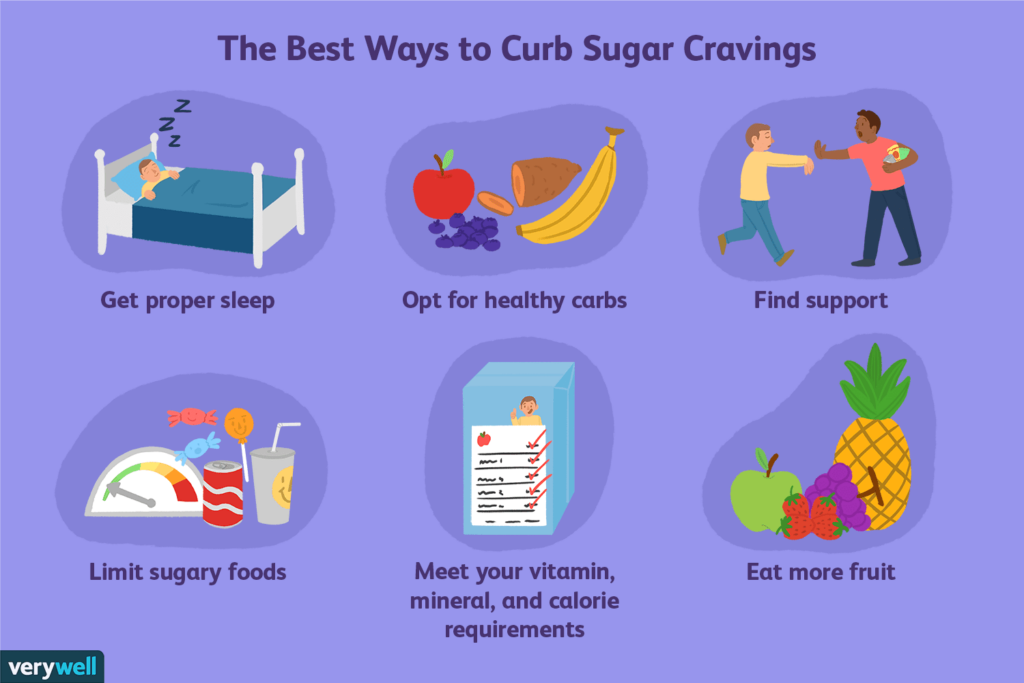
Meal Planning and Preparation
Meal planning and preparation are key components of maintaining a healthy eating routine. By taking the time to plan and prepare our meals, we can avoid impulsive food choices and ensure we have nutritious options readily available.
Benefits of meal planning
Meal planning offers numerous benefits. It saves time and money by reducing the need for frequent grocery store trips and takeout meals. Additionally, it allows us to make healthier choices by consciously selecting nutrient-rich ingredients. Knowing what we will be eating in advance also helps us resist the temptation to order unhealthy meals or reach for convenience foods when cravings strike.
Tips for successful meal prep
To make meal preparation easier, it’s helpful to set aside a specific time each week to plan and prepare your meals. Start by creating a menu for the week and making a shopping list with all the necessary ingredients. When you have everything you need, dedicate a few hours to batch cooking or prepping ingredients, such as washing and chopping vegetables or cooking grains and proteins. Store these components in portioned containers for easy assembly when mealtime rolls around.
Ensuring variety and satisfaction in meals
To prevent food boredom and cravings, it’s important to prioritize variety in our meals. Experiment with different recipes, flavors, and cooking techniques to keep things interesting. Including a mix of colors, textures, and flavors in each meal not only makes it visually appealing but also ensures we receive a wide range of nutrients. Don’t forget to savor and enjoy each bite, as mindful eating can help reduce the desire for unhealthy foods.
Managing Emotional Eating
Emotional eating is a common response to stress, boredom, and other negative emotions. Learning to manage these triggers and find healthier ways to cope is essential for breaking the cycle of emotional eating.
Identifying emotional triggers and coping mechanisms
To effectively manage emotional eating, we must first identify our triggers. Keep a journal or note on your phone where you can record the emotions you experience before reaching for food. Once you recognize the patterns, explore alternative coping mechanisms to deal with these emotions. This could include engaging in physical activity, practicing meditation or deep breathing exercises, or finding a creative outlet for your feelings.
Seeking support from friends and family
Building a support network is crucial when dealing with emotional eating. Reach out to friends, family, or support groups who can offer encouragement and understanding. Having someone to vent to or seek advice from can help distract from cravings and provide healthier alternatives. Together, you can develop strategies to manage emotions and find comfort in non-food-related ways.
Developing alternative stress-relief strategies
Stress is a major trigger for emotional eating, so finding effective stress-relief strategies is key. Trying activities like yoga, journaling, taking baths, or listening to calming music can help reduce stress levels and prevent cravings. Experiment with different techniques until you find what works best for you. By incorporating stress-reduction practices into your daily routine, you can better manage cravings and maintain a healthier relationship with food.

Building a Supportive Environment
Creating a supportive environment is crucial for long-term success in avoiding junk food cravings. By setting ourselves up for success, we can make healthier choices easier and more enjoyable.
Stocking a healthy pantry and fridge
One of the most effective ways to avoid junk food cravings is to stock our pantry and fridge with healthy options. Replace sugary snacks and processed foods with fresh fruits, vegetables, whole grains, and lean proteins. Keep a variety of spices and condiments on hand to add flavor to dishes without relying on unhealthy options. When healthier choices are readily available, it becomes easier to resist the temptation for junk food.
Creating a positive eating environment
Creating a positive eating environment can enhance our dining experience and reduce cravings. Set aside designated eating areas that are free from distractions, such as television or electronic devices. Use this time to savor each bite, paying attention to the flavors, textures, and aromas of your food. Eating mindfully allows us to fully enjoy our meals and feel more satisfied, reducing the desire to continue snacking or seek out unhealthy options.
Involving loved ones in healthy eating goals
Getting loved ones involved in your healthy eating goals can provide additional support and accountability. Share your intentions to reduce junk food cravings and ask for their support and encouragement. Plan and cook meals together, explore new recipes, and engage in physical activities as a group. Having a strong support system can make the journey toward healthier eating more enjoyable and sustainable.
Mindful Eating Techniques
Practicing mindful eating can be a powerful tool in reducing cravings and fostering a healthier relationship with food.
Practicing mindful eating
Mindful eating involves paying attention to the entire experience of eating, from the physical sensations to the emotional satisfaction. Slow down and take the time to appreciate the colors, smells, and textures of each bite. Chew your food thoroughly and savor the flavors. Avoid multitasking while eating and focus on the present moment. Eating mindfully not only helps us better understand when we are physically hungry or full but also allows us to truly enjoy the food we consume.
Understanding hunger versus cravings
Distinguishing between genuine hunger and cravings is crucial for managing our food intake. True hunger is a physical sensation that arises gradually and prompts us to nourish our bodies with nutritious food. Cravings, on the other hand, are often sudden and accompanied by a strong desire for a specific food. By paying attention to the signs our body gives us, we can better respond to genuine hunger with healthy choices and recognize cravings as an emotional and psychological response.
Savoring and enjoying food
Food should be a source of pleasure and nourishment. By savoring each bite and truly enjoying the flavors and textures, we can reduce the need for large quantities of food or frequent snacking. Slow down and engage your senses while eating, noticing the different flavors and how they interact. Eating should be a pleasurable experience, and by savoring our meals, we can reduce cravings and feel more satisfied.

Staying Motivated and Overcoming Setbacks
Maintaining motivation and bouncing back from setbacks are key to long-term success in stopping cravings for junk food. Here are some strategies to help you stay on track.
Setting realistic goals and expectations
Set realistic goals that are achievable and sustainable. Be specific about what you want to achieve and establish a timeline. Break larger goals into smaller, more manageable steps and celebrate small victories along the way. It’s important to recognize that setbacks may occur, but they do not define your journey. Embrace the process and learn from each experience, adjusting your goals and strategies accordingly.
Handling cravings during special occasions
Special occasions and social gatherings often bring about an abundance of tempting treats. Prior to these events, prepare by eating a balanced meal or snack that will keep you satisfied and less likely to succumb to cravings. Plan ahead and allow yourself to enjoy a small portion of a special treat if you choose. Remember, it’s about finding balance and not depriving yourself entirely.
Learning from past setbacks
Setbacks are an inevitable part of any journey, but they can also be valuable learning opportunities. Reflect on past setbacks and identify the triggers or situations that led to them. Use this knowledge to better prepare for future challenges or to develop alternative strategies to overcome cravings. Remember, setbacks are not failures but opportunities for growth and self-discovery.
Conclusion
Cravings for junk food can be powerful, but with the right strategies and mindset, we can overcome them and establish healthier eating habits. By understanding the nature of cravings, identifying triggers and patterns, creating a healthy eating plan, and building a supportive environment, we can make positive changes to our relationship with food. Practicing mindful eating, managing emotional eating, and staying motivated and resilient are essential steps on the journey toward stopping cravings for junk food. Embrace the process, be kind to yourself, and remember that every positive choice brings you closer to a healthier, happier you.
How To Stop Eating Slate Pencil

Are you tired of constantly craving slate pencil and want to know how to stop eating it? Well, you’re in the right place. We understand that this habit can be difficult to break, but trust us, it’s not impossible. In this article, we’re going to give you some practical tips and tricks on how to put an end to your slate pencil eating habit once and for all. So, keep reading to find out more!
Now, let’s dive into how you can stop eating slate pencil. Firstly, it’s important to understand why you crave it in the first place. Is it due to a nutritional deficiency or is it just a habitual behavior? Once you have a better understanding of the underlying cause, you can start addressing the issue more effectively. In addition, we’ll also explore healthier alternatives that can satisfy your craving for crunchy textures without harming your health. So, if you’re ready to kick this habit to the curb, stay tuned and get ready to learn some helpful strategies!
How To Stop Eating Slate Pencil

The Harmful Effects of Eating Slate Pencil
Eating slate pencil can have numerous harmful effects on both your dental and digestive health. Consuming slate pencil can lead to dental problems such as tooth decay, enamel erosion, and gum diseases. The abrasive nature of slate pencil can cause damage to the tooth enamel, leading to tooth sensitivity and cavities. Additionally, the ingestion of slate pencil can also result in digestive issues such as stomachache, constipation, and even intestinal blockages.
Digestive Issues Stemming from Eating Slate Pencil
The consumption of slate pencil can disrupt the normal functioning of your digestive system. The ingestion of this non-food item can lead to various digestive issues such as stomach pain, bloating, and gas. The substance of slate pencil is not easily digested by the body, and its consumption can cause an obstruction in the intestines, leading to severe complications. Additionally, consuming slate pencil can also reduce your appetite for nutrient-rich foods, leading to further nutritional deficiencies.
Nutritional Deficiencies Resulting from Consuming Slate Pencil
One of the significant concerns associated with eating slate pencil is the development of nutritional deficiencies. Slate pencil does not provide any nutritional value and can interfere with the absorption of essential nutrients from your diet. Iron and calcium deficiencies can occur as a result of consuming slate pencil, leading to symptoms such as fatigue, weakness, and brittle bones. It is crucial to address this issue promptly to prevent long-term health complications.
Understanding the Root Causes of Slate Pencil Craving
The desire to eat slate pencil can be influenced by several psychological and health factors. Psychological factors such as stress, anxiety, and boredom can trigger cravings for non-food items like slate pencil. Underlying health conditions, such as iron deficiency anemia or pica disorder, can also contribute to the urge to consume slate pencil. Additionally, cultural and social influences play a role in shaping the behavior surrounding slate pencil consumption, especially in communities where it is considered a cultural habit.

Recognizing the Signs of Slate Pencil Dependency
Identifying the signs of slate pencil addiction is crucial in seeking proper help and support. Physical symptoms of slate pencil addiction include dental erosion, gastrointestinal issues, and weight loss. Psychologically, individuals dependent on slate pencil may experience feelings of guilt, shame, and anxiety related to their habit. Behavioral patterns associated with slate pencil craving may include secrecy, compulsive behavior, and frequent cravings for slate pencil.
Seeking Professional Help to Overcome Slate Pencil Eating
Overcoming slate pencil eating may require the assistance of healthcare professionals who specialize in addiction and nutrition. Consulting a healthcare professional can provide guidance in developing a personalized treatment plan. Psychological counseling can help address the underlying causes of the addiction to slate pencil, such as stress or trauma. Additionally, joining support groups or attending therapy sessions can provide a safe space to share experiences, gain advice, and find solace in the journey to recovery.

Healthy Alternatives to Satisfy the Craving for Slate Pencil
Replacing the craving for slate pencil with healthier alternatives is essential for recovery. Exploring nutritious food options rich in iron and minerals, such as green leafy vegetables, lean meats, and fortified cereals, can help address the nutritional deficiencies caused by slate pencil consumption. Chewing on natural substances like sugar-free gum or candies can provide a harmless outlet for the oral fixation associated with slate pencil cravings. Engaging in activities or hobbies to distract from the craving, such as exercise, reading, or art, can also aid in overcoming the addiction.
Developing Healthy Eating Habits and Routines
Developing healthy eating habits and routines is essential for maintaining a balanced diet and preventing relapses. Creating a balanced diet plan that includes a variety of nutrient-dense foods can help fulfill your nutritional needs and reduce cravings. Establishing regular meal times and avoiding impulsive snacking can provide structure and stability, making it easier to resist the urge to consume slate pencil. Incorporating mindful eating practices, such as savoring each bite and eating without distractions, can help reduce cravings and promote a healthier relationship with food.

Addressing the Psychological Aspects of Slate Pencil Eating
Understanding the psychological aspects of slate pencil eating is crucial in achieving long-term recovery. Identifying triggers that lead to the craving for slate pencil and developing coping mechanisms to manage these triggers is essential. Practicing stress management techniques, such as deep breathing exercises, meditation, or yoga, can help reduce cravings triggered by stress or anxiety. Building a positive support system, whether through friends, family, or support groups, can provide encouragement and guidance throughout the recovery process.
Educating Others About the Dangers of Slate Pencil Consumption
Spreading awareness about the dangers of slate pencil consumption is vital in preventing others from developing the same addictive habit. Educational campaigns, workshops, and seminars on healthy eating habits and the risks associated with consuming non-food items can help inform and educate individuals about the potential harm they may unknowingly subject themselves to. Sharing personal experiences of overcoming slate pencil addiction can inspire and motivate others to seek help and make positive changes in their own lives.

Monitoring and Managing Relapses in the Journey to Recovery
Relapses can occur during the recovery process, but they should not be seen as defeat. Recognizing the early signs of relapse and seeking immediate support is crucial in preventing a full-blown relapse. Modifying treatment plans, whether through medication adjustments or therapy sessions, can strengthen resilience and prevent future relapses. Learning from setbacks and using them as opportunities for growth can help individuals develop a greater understanding of their triggers and develop better coping mechanisms for the future.
Conclusion
Overcoming the addiction to slate pencil is attainable with the right knowledge, support, and determination. Embracing a healthier lifestyle free from slate pencil addiction can lead to improved dental, digestive, and overall well-being. By empowering individuals to make informed choices about their eating habits and providing the necessary resources for recovery, we can promote a balanced approach to nutrition and support a community that values true nourishment and well-being.
Remember, seeking professional help, exploring healthier alternatives, developing healthy eating habits, addressing the psychological aspects, and educating others are essential steps in your journey to overcome slate pencil addiction. Stay strong, be patient with yourself, and know that you have the power to break free and live a healthier, more fulfilling life.
How To Stop Being Hungry Without Eating

Have you ever wondered how to stop being hungry without actually eating anything? It may seem like an impossible task, but there are actually some tried and tested methods that can help curb your hunger pangs. In this article, we’ll dive into the topic of how to stop being hungry without eating and explore some effective strategies that you can try. So, if you’re tired of constantly feeling hungry or want to find healthier ways of managing your appetite, keep reading!
When it comes to stopping hunger without eating, there are a few key factors to consider. First and foremost, it’s important to understand the difference between physical hunger and emotional cravings. Physical hunger is your body’s way of signaling that it needs nourishment, while emotional cravings are often triggered by external factors such as stress, boredom, or habit. By acknowledging and differentiating these two, you can begin to develop a better understanding of your hunger cues and make conscious choices about when and what to eat. In the upcoming article, we’ll discuss various techniques to address both types of hunger, including mindful eating, staying hydrated, and incorporating balanced meals into your routine. So, if you’re ready to take control of your hunger and achieve a healthier relationship with food, stay tuned!
How To Stop Being Hungry Without Eating
Understanding Hunger
Hunger is a basic physiological sensation that signals the need for nourishment. However, it is important to distinguish between physiological and psychological hunger. Physiological hunger is the body’s natural response to a need for nutrients, while psychological hunger is often driven by emotions, boredom, or stress.
Causes of Hunger
There are several factors that can contribute to hunger. One of the main causes is an empty stomach, which triggers the release of ghrelin, the hunger hormone. Other common causes include low blood sugar levels, lack of proper nutrition, and dehydration. Hormonal imbalances can also play a role in hunger.
Hormonal Factors in Hunger
Hormones such as leptin, insulin, and cortisol can affect hunger levels. Leptin, often referred to as the satiety hormone, helps regulate appetite and signals the brain when you are full. Insulin, on the other hand, is responsible for controlling blood sugar levels. When insulin levels drop, hunger can increase. Cortisol, known as the stress hormone, can also influence appetite.
Mindful Eating Practices
Practicing Mindful Awareness
One effective way to manage hunger is through mindful eating practices. Mindful awareness involves paying attention to your body’s hunger signals and eating with intent and attention. By focusing on the present moment and savoring each bite, you can enhance your eating experience and prevent overeating.
Chewing and Savoring Food
Taking the time to chew and savor your food can help you feel more satisfied with your meals. Chewing food thoroughly allows your body to digest it more efficiently, which aids in nutrient absorption and can help regulate hunger levels. Additionally, savoring each bite allows you to fully enjoy the flavors and textures of your food.
Eating Slower and Paying Attention to Hunger Cues
Eating slowly and mindfully can also help you recognize your body’s hunger cues and prevent overeating. It takes time for your brain to register feelings of fullness, so by eating at a slower pace, you give your body a chance to signal when you’ve had enough. Paying attention to your body’s hunger and fullness cues can help you develop a healthier relationship with food.

Staying Hydrated
Importance of Hydration
Drinking enough water and staying hydrated is essential for overall health and well-being. Dehydration can often be mistaken for hunger, leading to unnecessary snacking or overeating. By staying properly hydrated, you can help prevent this confusion and better manage your hunger levels.
Drinking Water and Other Hydrating Beverages
Water should be your go-to beverage for staying hydrated and managing hunger. Aim to drink at least eight glasses of water per day, but adjust your intake based on your activity level and individual needs. Additionally, other hydrating beverages such as herbal teas and infused water can provide flavor and hydration without adding unnecessary calories.
Monitoring Fluid Intake
Monitoring your fluid intake is crucial for staying hydrated. Keep track of how much water you drink throughout the day and adjust accordingly to meet your hydration needs. Pay attention to signs of dehydration, such as dry mouth or dark urine, and increase your water intake if necessary.
Choosing Filling Foods
High-Fiber Foods for Satiety
Incorporating high-fiber foods into your meals can help you feel more satisfied and prevent excessive hunger. Foods such as whole grains, fruits, vegetables, and legumes are rich in fiber and can contribute to a feeling of fullness. Including these foods in your diet can help manage hunger and promote healthy digestion.
Protein-Rich Foods to Control Hunger
Protein is known for its ability to control hunger and promote feelings of satiety. Including protein-rich foods in your meals can help keep you full for longer periods of time. Good sources of protein include lean meats, poultry, fish, eggs, tofu, and legumes.
Incorporating Healthy Fats
Healthy fats, such as those found in avocados, nuts, seeds, and olive oil, can also help control hunger and keep you feeling satisfied. Including these fats in your meals can provide flavor, texture, and a sense of fullness. However, it is important to consume them in moderation, as they are still high in calories.

Eating Balanced Meals
Creating Nutritionally Complete Meals
Eating balanced meals is essential for managing hunger and maintaining overall health. A balanced meal should include a variety of nutrient-dense foods from all food groups. Aim to include a source of carbohydrates, protein, and healthy fats in each meal to provide your body with a well-rounded nutrition.
Including All Food Groups
Including all food groups in your meals is important for obtaining a variety of essential nutrients. Carbohydrates provide energy, protein supports muscle growth and repair, and healthy fats promote satiety. Additionally, don’t forget to include plenty of fruits and vegetables to ensure an adequate intake of vitamins, minerals, and fiber.
Portion Control and Caloric Balance
Practicing portion control and maintaining a caloric balance is crucial for managing hunger. Be mindful of your portion sizes and avoid overeating. It can be helpful to use smaller plates and bowls to visually control portion sizes. Additionally, aim to consume an appropriate number of calories for your age, weight, and activity level to maintain a healthy weight.
Healthy Snacking
Nourishing Snack Options
Choosing healthy, nourishing snacks can help curb hunger between meals. Opt for snacks that are high in fiber, protein, and healthy fats to provide sustained energy and prevent excessive hunger. Examples include yogurt with berries, raw nuts, sliced vegetables with hummus, or a small piece of fruit with nut butter.
Avoiding Empty Calories
Avoiding snacks that are high in empty calories is important for managing hunger and promoting overall health. Snacks such as candy, chips, and sugary drinks provide little nutritional value and can lead to a spike in blood sugar levels, followed by a crash. Opt for nutrient-dense snacks that nourish your body and provide long-lasting energy.
Maintaining Regular Meal Times
Establishing regular meal times can help regulate hunger and prevent excessive snacking. Try to eat meals at consistent times throughout the day to train your body to expect nourishment at specific intervals. This can help prevent mindless snacking and promote a healthier relationship with food.

Managing Stress and Emotional Eating
Identifying Triggers and Coping Mechanisms
Stress and emotions can often trigger feelings of hunger and lead to emotional eating. It is important to identify your personal triggers and develop alternative coping mechanisms. This could involve engaging in stress-reducing activities such as exercise, meditation, or spending time in nature. Finding healthy outlets for stress can help prevent emotional eating.
Alternative Stress Management Techniques
Finding alternative stress management techniques can also help reduce the likelihood of turning to food for comfort. Experiment with different stress-reducing activities such as journaling, deep breathing exercises, or engaging in hobbies that bring you joy. By finding healthy ways to manage stress, you can better control emotional eating habits.
Seeking Professional Help When Needed
If you find it challenging to manage stress and emotional eating on your own, don’t hesitate to seek professional help. A registered dietitian or therapist can provide guidance and support in developing healthy coping mechanisms and overcoming emotional eating patterns. Remember, you don’t have to face these challenges alone.
Getting Enough Sleep
Understanding the Link Between Sleep and Hunger
Getting enough quality sleep is essential for managing hunger and maintaining a healthy weight. Lack of sleep can disrupt hormones that regulate appetite, leading to increased hunger and cravings for unhealthy foods. Aim to get the recommended seven to nine hours of sleep per night to support your overall health and well-being.
Establishing a Consistent Sleep Schedule
Establishing a consistent sleep schedule can help regulate hunger hormones and prevent excessive snacking. Try to go to bed and wake up at the same time each day, even on weekends. This can help regulate your body’s internal clock and promote a healthier sleep-wake cycle.
Creating a Relaxing Bedtime Routine
Creating a relaxing bedtime routine can help signal to your body that it is time to unwind and prepare for sleep. Avoid stimulating activities such as watching TV or using electronic devices before bed, as they can interfere with sleep quality. Instead, engage in calming activities such as reading a book, taking a warm bath, or practicing gentle stretching or meditation.

Regular Exercise
Effect of Exercise on Appetite
Regular exercise has been shown to influence appetite and can help control hunger levels. Physical activity releases hormones that can suppress appetite and increase feelings of fullness. Additionally, exercise can help manage stress and emotions, which can often trigger emotional eating.
Finding an Active Hobby or Sport
Finding an active hobby or sport that you enjoy can make exercise more enjoyable and sustainable. Engaging in activities that bring you joy can increase your motivation to move your body regularly. Whether it’s dancing, hiking, swimming, or playing a team sport, find an activity that makes you excited to stay active.
Incorporating Physical Activity into Daily Routine
Incorporating physical activity into your daily routine is crucial for maintaining a healthy lifestyle. Look for opportunities to move throughout the day, such as taking the stairs instead of the elevator, going for a walk during your lunch break, or parking farther away from your destination. Small changes can add up and contribute to your overall activity level.
Conclusion
Taking control of your hunger is possible with the adoption of healthy lifestyle habits. By understanding the difference between physiological and psychological hunger, practicing mindful eating, staying hydrated, choosing filling foods, eating balanced meals, snacking wisely, managing stress and emotions, getting enough sleep, and incorporating regular exercise, you can effectively manage your hunger levels and achieve a healthier relationship with food. Remember to listen to your body, honor its needs, and nourish it with wholesome foods to promote optimal health and well-being.
Eat stop Eat

