How Do I Stop Overeating

Do you ever find yourself diving into a bag of chips or finishing off a pint of ice cream without even realizing it? If so, you’re not alone. Overeating is a common struggle for many of us, but the good news is there are ways to stop this cycle and regain control over your eating habits. In this article, we’ll explore some helpful tips and strategies to help you put an end to overeating once and for all.
When it comes to stopping overeating, one important approach is to develop a greater awareness of your eating patterns and triggers. It’s easy to mindlessly consume food when you’re distracted or eating out of habit, so take some time to tune in to your body’s signals of hunger and fullness. Learning to eat mindfully and with intention can help you better understand your body’s needs and prevent overeating. Furthermore, identifying your emotional triggers for overeating, such as stress or boredom, can help you find healthier ways to cope with these emotions. In this article, we’ll dive deeper into these strategies and provide you with additional resources for building a healthier relationship with food. So, if you’re ready to take control of your eating habits and stop overeating for good, keep reading!

How Do I Stop Overeating
Do you often find yourself reaching for another serving of food even though you’re already full? Do you snack mindlessly throughout the day without even realizing it? If so, you may be struggling with overeating. Overeating can lead to weight gain, poor nutrition, and a host of other health problems. Understanding the causes of overeating is the first step towards overcoming this challenge and establishing a healthy relationship with food. In this article, we will explore the various factors that contribute to overeating, as well as strategies to help you recognize the signs of overeating and create a healthy eating plan.
Understanding the Causes of Overeating
Emotional Triggers
Emotional eating is a common cause of overeating. When you’re feeling stressed, sad, or bored, it’s easy to turn to food for comfort. However, using food as a coping mechanism can lead to a cycle of overeating and negative emotions. It’s important to identify your emotional triggers and find alternative ways to address your feelings. Engaging in activities like journaling, talking to a friend, or practicing relaxation techniques can help you manage your emotions without turning to food.
Unhealthy Habits
Unhealthy habits, such as eating in front of the TV or eating too quickly, can also contribute to overeating. When you’re distracted or eating too fast, it’s easy to lose track of how much you’ve consumed. Additionally, habitual snacking can lead to mindless eating and excessive calorie intake. By recognizing these habits and making a conscious effort to break them, you can regain control over your eating habits.
Social Influences
Social situations often revolve around food, making it difficult to resist temptations and peer pressure. Whether it’s a family gathering or a night out with friends, the presence of indulgent foods can be hard to resist. It’s important to remember that you have the power to make healthy choices even in social settings. By planning ahead and preparing nutritious meals or snacks, you can navigate these situations without succumbing to overeating.
Recognizing the Signs of Overeating
Eating Past Fullness
One of the main signs of overeating is eating past the point of fullness. It’s important to pay attention to your body’s signals of hunger and fullness. Eating slowly and mindfully can help you tune into these signals and stop eating when you’re satisfied, rather than continuing to consume food out of habit or for emotional reasons.
Frequent Snacking
Frequent snacking throughout the day, especially on high-calorie, low-nutrient foods, can easily contribute to overeating. Mindlessly grabbing a handful of chips or a candy bar can add up to a significant calorie intake over time. Instead of reaching for unhealthy snacks, opt for nutritious options such as fruits, vegetables, and nuts. These foods not only provide essential nutrients but also help to keep you feeling full and satisfied.
Mindless Eating
Mindless eating can occur when you’re distracted, whether that’s by the TV, your phone, or other activities. Eating while distracted takes the focus away from the food and can lead to overeating. To combat mindless eating, make a conscious effort to eat without distractions. Sit down at a designated eating area, savor each bite, and pay attention to the flavors and textures of the food. By being fully present during mealtime, you can enjoy your food more and reduce the likelihood of overeating.
Creating a Healthy Eating Plan
Portion Control
Portion control is essential for preventing overeating. By understanding appropriate serving sizes and practicing portion control, you can enjoy a variety of foods without exceeding your caloric needs. Utilize measuring cups, food scales, or visual references to help you gauge appropriate portion sizes. You can also try using smaller plates and bowls to visually trick your brain into thinking you’re consuming a larger amount of food.
Meal Planning
Meal planning is a helpful strategy to prevent overeating and ensure that you’re consuming balanced meals throughout the day. By planning your meals in advance, you can make healthier food choices and avoid impulsive, unhealthy options. Set aside dedicated time each week to plan your meals, create a grocery list, and prepare ingredients in advance. This will not only save you time and money but also help you stay on track with your eating goals.
Incorporating Nutritious Foods
Incorporating a variety of nutritious foods into your meals is key to preventing overeating. Nutrient-dense foods such as fruits, vegetables, whole grains, lean proteins, and healthy fats provide essential vitamins, minerals, and fiber that can help keep you feeling satisfied. Aim to fill half of your plate with colorful fruits and vegetables, and focus on including a balance of macronutrients in each meal. This will not only support your overall health but also prevent excessive hunger and cravings.
Building Positive Habits
Mindful Eating
Practicing mindful eating involves paying full attention to the experience of eating. This means eating slowly, savoring each bite, and being fully present during mealtime. By practicing mindfulness, you can better tune into your body’s hunger and fullness cues, which in turn can help you prevent overeating. Mindful eating can also enhance your enjoyment of food and promote a healthier relationship with eating.
Chewing Slowly
Chewing slowly not only aids in digestion but also allows your brain to register when you’re full. By chewing each bite thoroughly, you give your brain more time to recognize the signals of fullness, preventing you from overeating. Aim to chew your food at least 20-30 times before swallowing. This simple practice can make a significant difference in your overall eating habits.
Listening to Hunger Cues
Learning to listen to your body’s hunger cues is essential for preventing overeating. Rather than relying on external cues or rigid meal times, try to tune in to your body’s signals of hunger and fullness. Ask yourself if you’re genuinely hungry or if you’re eating out of habit or emotional reasons. Similarly, pay attention to when you’re starting to feel comfortably full and stop eating at that point. By becoming more attuned to your body’s needs, you can establish a healthier relationship with food.
Managing Emotional Eating
Identifying Emotional Triggers
To manage emotional eating, it’s crucial to identify the triggers that lead to this behavior. Keep a journal of your emotions and eating habits to identify patterns and triggers. Are there certain situations or emotions that consistently lead you to overeat? Once you’ve identified these triggers, you can begin to develop alternative coping mechanisms.
Finding Healthy Coping Mechanisms
Finding healthy ways to cope with emotions is essential for breaking the cycle of emotional eating. Instead of turning to food for comfort, explore other activities that provide stress relief, such as exercise, meditation, or engaging in hobbies you enjoy. Experiment with different coping mechanisms and find what works best for you in different situations. By replacing emotional eating with healthier alternatives, you can develop a more positive relationship with food.
Seeking Support
Don’t hesitate to seek support from friends, family, or professionals if you’re struggling with emotional eating. Talking to someone about your challenges and goals can provide valuable insight and accountability. Consider reaching out to a therapist, counselor, or support group specializing in emotional eating and related issues. Surrounding yourself with a supportive network can greatly increase your chances of overcoming emotional eating and developing healthier eating habits.
Overcoming Temptations and Cravings
Creating a Supportive Environment
Creating a supportive environment is crucial for resisting temptations and cravings. Avoid keeping unhealthy foods in your home, and instead, stock your pantry and refrigerator with nutritious options. Plan your meals and snacks ahead of time, so you always have healthy options readily available. If you find yourself surrounded by tempting foods, engage in mindful decision-making and remind yourself of your goals and why you want to stop overeating.
Finding Healthy Alternatives
When cravings strike, it can be helpful to have healthy alternatives on hand. Craving something sweet? Reach for a piece of fruit or a small serving of dark chocolate. Craving something crunchy? Opt for sliced vegetables with hummus or a handful of nuts. By finding healthier alternatives to satisfy your cravings, you can prevent overeating and still enjoy the flavors you love.
Using Distraction Techniques
When faced with cravings or the desire to overeat, distract yourself with other activities. Engage in a hobby, go for a walk, or call a friend to shift your focus away from food. By redirecting your attention, you can break the cycle of overeating and develop healthier coping mechanisms. Practice mindfulness and remind yourself that cravings are temporary and that you have the power to make healthier choices.
Practicing Self-Care and Stress Management
Prioritizing Restful Sleep
Getting enough restful sleep is essential for overall health and well-being, including managing your eating habits. When you’re sleep-deprived, your body releases hormones that increase hunger and cravings, making it harder to resist overeating. Aim for 7-9 hours of quality sleep each night and establish a regular sleep routine to support healthy eating habits.
Engaging in Regular Physical Activity
Regular physical activity not only contributes to weight management but also helps regulate appetite and reduce stress levels. Find activities that you enjoy, whether it’s going for a walk, joining a fitness class, or participating in team sports. Aim for a combination of cardiovascular exercise, strength training, and flexibility exercises to support your overall health and well-being.
Managing Stress Levels
Stress can often lead to overeating or poor food choices. Finding healthy ways to manage stress is crucial for avoiding emotional eating. Experiment with stress management techniques such as deep breathing exercises, mindfulness meditation, or yoga. Engaging in activities that help you relax and unwind can significantly reduce your stress levels and prevent overeating.
Seeking Professional Help
Consulting a Registered Dietitian
If you’re struggling to stop overeating, consider consulting a registered dietitian. A dietitian can provide personalized guidance and support to help you develop a healthy eating plan, address emotional eating, and navigate any dietary restrictions or food allergies. They can also help you establish realistic goals and provide accountability throughout your journey.
Therapy or Counseling
In some cases, overeating may be a symptom of underlying psychological issues that require professional intervention. If you suspect that your overeating is connected to deeper emotional issues, consider seeking therapy or counseling. A therapist can help you explore the root causes of your overeating and develop strategies to address them effectively.
Understanding Underlying Medical Conditions
Certain medical conditions, such as hormonal imbalances or metabolic disorders, can contribute to overeating. If you suspect a medical condition may be playing a role in your overeating, consult a healthcare professional for a proper diagnosis and treatment. Addressing any underlying medical issues is crucial for effectively managing your eating habits.
Tracking Progress and Celebrating Success
Setting Realistic Goals
Setting realistic goals is essential for making sustainable changes in your eating habits. Instead of aiming for drastic changes overnight, focus on making small, incremental changes. Set specific, achievable goals such as incorporating more vegetables into your meals or practicing mindful eating for one meal a day. Celebrate each milestone along the way to keep yourself motivated and encouraged.
Monitoring Food Intake
Keeping track of your food intake can provide valuable insight into your eating habits. Use a food diary or a mobile app to record what you eat and assess portion sizes. This can help you identify patterns, recognize triggers, and make necessary adjustments to your eating habits. Regularly reviewing your food diary can help you stay accountable and track your progress towards your goals.
Rewarding Achievements
Don’t forget to reward yourself for your achievements, no matter how small they may seem. Celebrate your progress and the positive changes you’ve made in your eating habits. Treat yourself to non-food rewards such as a spa day, a new book, or a day off to relax and recharge. By acknowledging and celebrating your success, you’ll stay motivated and inspired to continue on your journey towards healthier eating habits.

Conclusion
Overcoming overeating is a journey that requires self-awareness, commitment, and perseverance. By understanding the causes of overeating, recognizing the signs, and implementing strategies to create a healthy eating plan, you can take control of your eating habits and establish a positive relationship with food. Remember to be kind and patient with yourself throughout the process and seek support from professionals or loved ones when needed. With time and practice, you can break free from overeating and embrace a healthier, more balanced approach to eating.
How To Stop Eating Unhealthy

Do you find yourself constantly reaching for unhealthy snacks throughout the day? Are you struggling to break free from the cycle of mindless eating? Well, fret not, because in this article, we’ve got you covered! We’re going to delve into the topic of how to stop eating unhealthy and explore some strategies that can help you make healthier choices.
Now, let’s face it, we’ve all been there – mindlessly munching on a bag of chips or devouring a pint of ice cream. But here’s the thing – eating unhealthy not only takes a toll on your physical health, but it can also affect your mental well-being. The good news is that there are ways to break away from these unhealthy eating habits, and we’re here to guide you through it. In our upcoming article, you’ll discover practical tips and tricks that can make a big difference in your quest for healthier eating. From meal planning and portion control to mindful snacking and finding healthier substitutes, we’ve got plenty of helpful advice to share. So, if you’re ready to take the first step towards a healthier lifestyle, read on!

Understanding Unhealthy Eating Habits
Recognizing the Importance of Healthy Eating
Eating healthy is not just a concept, it is a way of life that can lead to improved overall wellness. The food we consume has a direct impact on our physical and mental health. Therefore, it is vital to recognize the importance of healthy eating and the detrimental effects of unhealthy eating habits.
When we consume a diet filled with processed foods, sugary snacks, and unhealthy fats, we are putting ourselves at risk for various health conditions such as obesity, heart disease, diabetes, and even certain types of cancer. On the other hand, when we prioritize nourishing our bodies with nutrient-rich foods such as fruits, vegetables, whole grains, and lean proteins, we give ourselves the best chance at maintaining optimal health.
Identifying Unhealthy Eating Patterns
The first step in stopping unhealthy eating habits is to identify them. Unhealthy eating patterns can manifest in different ways for different individuals. Some common unhealthy eating patterns include:
-
Emotional Eating: Using food as a way to cope with emotions, such as stress, sadness, or boredom.
-
Mindless Eating: Consuming food without paying attention to portion sizes or feelings of hunger and fullness.
-
Overindulging in Processed Foods: Relying heavily on packaged and processed foods which are often high in added sugars, unhealthy fats, and sodium.
-
Skipping Meals: Skipping meals, especially breakfast, can lead to overeating later in the day and making unhealthy food choices.
-
Eating Out of Habit: Eating solely based on routine or convenience rather than actual hunger.
Common Triggers for Unhealthy Eating
Identifying the triggers that lead to unhealthy eating habits is crucial in order to break the cycle. Some common triggers for unhealthy eating include:
-
Emotional Triggers: Stress, sadness, loneliness, or even happiness can trigger unhealthy eating habits. It is important to find ways to manage emotions without turning to food.
-
Environmental Triggers: Being surrounded by unhealthy food options at home, work, or social gatherings can make it harder to make healthy choices. Awareness and preparation can help navigate these situations.
-
Social Triggers: Social situations such as parties, celebrations, or dining out with friends can often lead to indulging in unhealthy foods. Planning ahead can help make healthier choices in these situations.
-
Lack of Time and Preparation: When we are pressed for time or don’t have healthy options readily available, we often resort to unhealthy choices. Meal prepping and having nutritious snacks on hand can help overcome this trigger.
By being aware of these triggers and understanding their impact, you can take the necessary steps to address them and work towards healthier eating habits.
Setting Realistic Goals
Evaluating Your Current Eating Habits
Before embarking on a journey to stop eating unhealthy, it is important to evaluate your current eating habits. Take some time to reflect on the types of foods you typically consume, the portion sizes, and the frequency of unhealthy choices. This self-assessment will help you gain insight into your patterns and areas that need improvement.
Defining Your Health and Wellness Objectives
Once you have evaluated your current eating habits, the next step is to define your health and wellness objectives. Ask yourself, what do you hope to achieve by adopting healthier eating habits? Whether it is weight loss, improved energy levels, better digestion, or overall well-being, having clear objectives will provide you with direction and motivation.
Establishing S.M.A.R.T. Goals
Setting goals that are specific, measurable, achievable, realistic, and time-bound (S.M.A.R.T.) is key to success. For example, instead of saying “I want to eat healthier,” set a specific goal such as “I will eat at least five servings of fruits and vegetables every day for the next month.” By setting S.M.A.R.T. goals, you can track your progress and stay motivated.

Creating a Healthy Eating Plan
Designing a Balanced Meal Plan
Creating a healthy eating plan is vital to stop eating unhealthy. A balanced meal plan includes a variety of nutrient-rich foods from all food groups, including fruits, vegetables, whole grains, lean proteins, and healthy fats. Aim to include a rainbow of colors on your plate to ensure you are getting a wide range of vitamins, minerals, and antioxidants.
Incorporating Nutrient-Rich Foods
In addition to a balanced meal plan, it is important to incorporate nutrient-rich foods into your diet. These foods provide essential vitamins, minerals, and antioxidants that support overall health and well-being. Some examples of nutrient-rich foods include leafy greens, berries, nuts, seeds, and lean proteins such as fish, poultry, and tofu.
Meal Prepping for Success
Meal prepping is a practical strategy to ensure you have healthy meals and snacks readily available throughout the week. Set aside some time each week to plan and prepare meals for the upcoming days. This can include chopping fruits and vegetables, cooking grains and proteins in bulk, and portioning out meals into containers. Having nutritious options on hand will make it easier to resist unhealthy temptations.
Overcoming Cravings and Food Temptations
Understanding the Role of Cravings
Cravings are often a result of a combination of physiological, psychological, and environmental factors. Understanding the role of cravings can help in overcoming them. Cravings can be triggered by emotions, learned behaviors, nutrient deficiencies, or even certain smells or sights. It is important to recognize that cravings are normal, but it is our response to them that matters.
Identifying Triggers for Cravings
Identifying triggers for cravings is essential in order to address the underlying causes. Keep a food and mood journal to track what you eat and how you feel afterwards. Look for patterns and common triggers that lead to unhealthy cravings. Once identified, you can take proactive steps to avoid or manage these triggers.
Implementing Strategies to Curb Cravings
When faced with cravings or food temptations, there are several strategies you can utilize to curb them:
-
Distract Yourself: Engage in activities that take your mind off food cravings, such as going for a walk, reading a book, or practicing a hobby.
-
Find Healthier Alternatives: Substitute unhealthy choices with healthier options. For example, swap sugary snacks with fresh fruit or opt for air-popped popcorn instead of potato chips.
-
Practice Portion Control: If you cannot resist a craving, try portion control. Instead of indulging in a whole chocolate bar, have a small piece.
-
Stay Hydrated: Sometimes, thirst can be mistaken for hunger or cravings. Stay hydrated by drinking enough water throughout the day.
By implementing these strategies and being mindful of your cravings, you can regain control over your food choices and prevent unhealthy eating habits from taking over.

Learning to Listen to Your Body
Practicing Mindful Eating
Mindful eating is a powerful tool in stopping unhealthy eating habits. It involves paying full attention to the present moment and eating with intention and awareness. Instead of mindlessly consuming food, practice mindful eating by focusing on each bite, savoring the flavors, and paying attention to feelings of hunger and fullness.
Recognizing Hunger and Satiation Cues
Listening to your body’s hunger and satiation cues is crucial in stopping unhealthy eating habits. Eat when you are truly hungry and learn to recognize when you are comfortably full. Avoid eating out of boredom, stress, or habit. By tuning into your body’s signals, you can establish a healthy relationship with food.
Eating for Nourishment
Shift your mindset from viewing food as a source of comfort or as a reward, and instead, focus on nourishing your body. Choose foods that provide essential nutrients and support your overall health. Prioritize whole, unprocessed foods that offer vitamins, minerals, and fiber. Remember, food is fuel for your body, and by nourishing it properly, you can thrive.
Managing Emotional Eating
Understanding the Connection Between Emotions and Food
Emotional eating is a common coping mechanism, but it can lead to unhealthy eating habits and hinder overall wellness. Understanding the connection between emotions and food is essential in order to address emotional eating. Be aware of the triggers that cause you to turn to food for comfort or distraction.
Developing Healthy Coping Mechanisms
Instead of relying on food as a means of dealing with emotions, develop healthy coping mechanisms. Find alternative ways to manage stress, sadness, or boredom, such as engaging in physical activity, practicing relaxation techniques, writing in a journal, or seeking support from friends or a therapist. By finding healthy outlets for your emotions, you can break free from emotional eating patterns.
Seeking Support when Needed
If emotional eating becomes a persistent challenge, do not hesitate to seek support. Talk to a healthcare professional, therapist, or registered dietitian who can provide guidance and strategies to overcome emotional eating. Having the support of others can make a significant difference in stopping unhealthy eating habits.

Creating a Supportive Environment
Surrounding Yourself with Healthy Options
Creating a supportive environment is essential to stop eating unhealthy. Surround yourself with healthy food options at home, work, and in social settings. Stock your kitchen with fresh fruits and vegetables, whole grains, and lean proteins. When dining out, choose restaurants that offer nutritious choices. By making healthy options readily available, you are more likely to make positive food choices.
Finding Accountability Partners
Having accountability partners can significantly impact your success in stopping unhealthy eating habits. Find friends, family members, or coworkers who share your goals and who can support and motivate you along the way. Plan healthy activities or meals together, exchange recipes, and celebrate each other’s achievements. Mutual accountability can make the journey more enjoyable and rewarding.
Eliminating Triggers from Your Living Space
Identify and eliminate triggers from your living space that may tempt you towards unhealthy food choices. Clear your pantry of processed snacks and sugary treats. Keep unhealthy foods out of sight and instead, place nutrient-rich options prominently displayed. Creating a clutter-free, supportive environment will reduce temptation and make it easier to stick to healthier eating habits.
Incorporating Mindful Eating
Practicing Slow and Intentional Eating
Incorporating mindful eating into your daily routine involves practicing slow and intentional eating. Take the time to chew your food thoroughly, savor each bite, and eat slowly. This allows for better digestion and gives your body a chance to recognize feelings of fullness. Avoid distractions such as watching TV or scrolling through your phone during meals, as these can prevent you from fully enjoying and appreciating your food.
Engaging Your Senses during Meals
Engage your senses during meals to enhance the enjoyment of your food. Take a moment to appreciate the aroma, colors, and textures of the foods on your plate. Notice the different flavors and textures as you eat. By fully experiencing the sensory aspects of your meal, you can increase satisfaction and prevent mindless overeating.
Appreciating the Taste and Texture of Food
Slowing down and appreciating the taste and texture of food can make your meals more enjoyable. Experiment with new flavors, spices, and ingredients to keep your meals interesting. By savoring each bite, you can cultivate a deeper appreciation for the food you consume and develop a more positive relationship with eating.

Staying Consistent and Motivated
Tracking Your Progress
Tracking your progress is an effective way to stay consistent and motivated. Keep a food diary or use a smartphone app to log your meals, snacks, and emotions related to eating. This will help you identify patterns, track your portion sizes, and hold yourself accountable. Celebrate your successes and learn from any setbacks to stay on track towards your goals.
Celebrating Small Wins
Every small step towards healthier eating habits is a win worth celebrating. Acknowledge and reward yourself for making positive changes. Treat yourself to non-food rewards such as a relaxing bath, a new book, or a workout class. By celebrating your progress, you reinforce the positive behaviors and stay motivated along the way.
Finding Inspiration for Long-Term Success
Seeking inspiration can provide the motivation needed to sustain healthy eating habits in the long term. Follow social media accounts, read books or articles, and listen to podcasts that promote healthy eating and wellness. Surrounding yourself with positive and supportive influences will help you stay focused and inspired on your journey.
Conclusion
Reaping the benefits of healthy eating goes beyond just physical health. By stopping unhealthy eating habits, you take control of your well-being and make positive changes that can enhance every aspect of your life. By recognizing the importance of healthy eating, identifying unhealthy patterns, setting realistic goals, and creating a supportive environment, you can overcome cravings and develop a positive relationship with food. Remember, you have the power to stop eating unhealthy and embark on a journey of nourishment and vitality. Take the first step today.
How To Stop Eating So Much Sugar

Do you ever find yourself reaching for a sugary snack whenever you’re feeling stressed or tired? Well, you’re not alone. Sugar cravings can be hard to resist, but they can wreak havoc on your health and well-being. In this article, we’ll discuss the many reasons why we tend to consume so much sugar and offer some simple yet effective strategies to help you break free from the sugar addiction. So, if you’re ready to take control of your cravings and improve your overall health, keep reading!
Let’s face it – sugar is everywhere. It’s in our morning coffee, hidden in our condiments, and even disguised as “healthy” snacks. With its addictive properties, it’s no wonder we find ourselves constantly reaching for sugary treats. However, consuming too much sugar can lead to a myriad of health issues, including weight gain, heart disease, and diabetes. The good news is, there are ways to overcome this addiction and reduce your sugar intake. In this article, we’ll dive into the science behind sugar cravings and provide practical tips to help you stop eating so much sugar once and for all. So stay tuned and get ready to embark on a journey towards a healthier, sugar-free lifestyle.

How To Stop Eating So Much Sugar
We all know that consuming excessive amounts of sugar can have detrimental effects on our health. From weight gain and tooth decay to an increased risk of chronic diseases, the dangers of sugar consumption are well-documented. However, reducing our sugar intake is often easier said than done. Sugar cravings can be powerful and hard to resist, and it can be challenging to identify hidden sugars in our favorite foods. In this article, we will explore practical strategies for reducing sugar consumption, developing a healthier mindset, and creating a balanced meal plan.
The impact of excessive sugar on overall health
Excessive sugar consumption can have a negative impact on our overall health. When we consume large amounts of sugar, our body converts it into glucose, which causes a spike in blood sugar levels. This spike is followed by a crash, leading to feelings of fatigue and low energy. Over time, this rollercoaster effect can disrupt our body’s natural balance and contribute to a variety of health issues, such as obesity, type 2 diabetes, and heart disease.
The link between sugar and chronic diseases
Not only does excessive sugar consumption contribute to weight gain, but it’s also strongly linked to the development of chronic diseases. High-sugar diets have been shown to increase the risk of conditions such as type 2 diabetes, certain types of cancer, and cardiovascular disease. Consuming too much sugar can also lead to insulin resistance, a condition where the body becomes less responsive to the hormone insulin, resulting in elevated blood sugar levels and potentially leading to diabetes.
Recognizing the hidden sugars in foods
One of the biggest challenges in reducing sugar intake is identifying hidden sugars in our everyday foods. Sugar can be disguised under various names on ingredient lists, making it difficult to spot. Common alternative names for sugar include high fructose corn syrup, maltose, dextrose, and sucrose. It’s important to carefully read food labels and be aware of these hidden sugars as they can add up quickly and contribute to our overall sugar intake.
Identifying Sugar Cravings and Their Causes
Understanding why we crave sugar can help us address the root causes of our cravings and develop strategies to overcome them.
Understanding the biological mechanisms behind sugar cravings
Our bodies are naturally wired to desire sugar. Our taste buds are more sensitive to sweet flavors, and our brains release feel-good chemicals like dopamine when we consume sugar. This creates a rewarding sensation that can lead to cravings. Additionally, when we consume sugar, it triggers a release of serotonin, a neurotransmitter that can improve our mood. These biological mechanisms can make it challenging to resist sugar cravings.
Emotional and psychological factors that contribute to sugar cravings
In addition to biological factors, emotional and psychological factors can also contribute to sugar cravings. Stress, boredom, and negative emotions can all trigger cravings for sugary foods. We often turn to sugary treats as a form of comfort or to reward ourselves, creating an emotional attachment to sugar. Understanding these triggers allows us to develop healthier coping mechanisms to manage our cravings.
Identifying common triggers for sugar cravings
Identifying the specific triggers for our sugar cravings can help us take proactive steps to manage them. Keeping a food journal can be helpful in recognizing patterns and identifying common triggers. For example, if we find ourselves reaching for sugary snacks when we’re stressed, we can focus on finding alternative stress-reducing activities such as exercise, meditation, or spending time with loved ones. By identifying and addressing our triggers, we can better manage our sugar cravings.

Developing a Sugar-Reducing Mindset
Having the right mindset is crucial when it comes to reducing sugar intake. Here are some strategies for developing a sugar-reducing mindset:
Setting personal goals for reducing sugar intake
Setting specific and achievable goals is essential in any behavior change journey. Start by identifying how much sugar you currently consume and set a realistic target for reducing your intake. For example, you could aim to gradually reduce your sugar intake by 25% over the next month. By setting measurable goals, you can track your progress and stay motivated.
Practicing mindfulness and self-discipline
Practicing mindfulness can be a helpful tool in reducing sugar consumption. Before reaching for a sugary snack, take a moment to pause and ask yourself if you’re truly hungry or if your craving is driven by other factors, such as stress or boredom. By being mindful of our eating habits, we can better distinguish between true hunger and emotional cravings. Developing self-discipline is also crucial in resisting sugar temptations. Remember your personal goals and the long-term health benefits of reducing sugar intake.
Building a support system for motivation and accountability
Surrounding yourself with a supportive network can greatly increase your chances of success in reducing sugar consumption. Share your goals with friends and family members who can offer encouragement and hold you accountable. You might also consider joining online communities or support groups that focus on healthy eating or sugar reduction. Having like-minded individuals to lean on during challenging times can be incredibly helpful.
Reading Food Labels and Making Informed Choices
Understanding how to read food labels and make informed choices is essential when it comes to reducing sugar intake.
Interpreting nutrition labels for sugar content
When looking at nutrition labels, check the “Total Sugars” section to see how much sugar is present per serving. Be mindful of serving sizes, as the sugar content can quickly add up if you consume multiple servings. The American Heart Association recommends limiting added sugars to no more than 25 grams per day for women and 36 grams per day for men.
Identifying alternative names for sugar on ingredient lists
As mentioned earlier, sugar can often hide under different names on ingredient lists. Some common alternative names for sugar include corn syrup, fruit juice concentrate, malt, molasses, and honey. By familiarizing yourself with these different names, you can better recognize hidden sugars in your food choices.
Choosing low-sugar or sugar-free options
When shopping for food, opt for products that are labeled as low-sugar or sugar-free. However, be cautious of foods that claim to be “sugar-free” but are sweetened with artificial sweeteners. Moderation is key, and it’s essential to find a balance between reducing sugar intake and ensuring a nutrient-dense diet.

Implementing Practical Strategies for Reducing Sugar
Reducing sugar intake doesn’t have to be an all-or-nothing approach. Here are some practical strategies to gradually reduce sugar consumption:
Gradually reducing sugar intake to avoid withdrawal symptoms
Quitting sugar cold turkey can sometimes lead to withdrawal symptoms such as headaches, mood swings, and intense cravings. To avoid these symptoms, gradually reduce your sugar intake over time. Start by cutting back on sugary snacks and beverages and gradually replace them with healthier alternatives.
Replacing sugary snacks with healthier alternatives
When sugar cravings strike, reach for healthier alternatives instead of sugary snacks. Opt for fresh fruit, unsweetened yogurt, or a handful of nuts. These options provide natural sweetness and added nutritional value. Experiment with different flavors and textures to find healthier alternatives that satisfy your cravings.
Using natural sweeteners and spices to enhance flavor
Instead of relying on refined sugars, experiment with natural sweeteners such as stevia, maple syrup, or dates. These options can provide sweetness without the negative health effects associated with excessive sugar consumption. Additionally, incorporating spices like cinnamon, vanilla, or nutmeg can enhance the flavor of foods and make them taste sweeter without adding extra sugar.
Creating a Balanced and Nutrient-Dense Meal Plan
Developing a balanced meal plan is crucial in reducing sugar intake and maintaining overall health. Here are some tips for creating a nutrient-dense meal plan:
Prioritizing whole foods and avoiding processed sugar
Whole foods such as fruits, vegetables, lean proteins, whole grains, and healthy fats should form the foundation of your meal plan. These foods provide essential nutrients and can help satisfy hunger, reducing the urge to reach for sugary snacks. Avoid processed foods as they often contain hidden sugars and lack nutritional value.
Incorporating fiber, protein, and healthy fats to prevent cravings
Incorporating fiber, protein, and healthy fats into your meals can help prevent cravings and keep you feeling satisfied. Fiber-rich foods like vegetables, legumes, and whole grains slow down the digestion process, keeping blood sugar levels stable and reducing cravings. Including protein and healthy fats such as lean meats, fish, nuts, seeds, and avocados can also help control hunger and reduce the desire for sugary foods.
Planning meals and snacks in advance
Planning your meals and snacks in advance can help you make healthier choices and avoid impulsive sugar cravings. Take the time to create a weekly meal plan and grocery list. Prepare meals in advance whenever possible, so you always have nourishing options readily available. Having a plan in place reduces the likelihood of relying on sugary convenience foods when hunger strikes.

Learning Positive Coping Mechanisms for Sugar Temptations
When sugar temptations arise, having positive coping mechanisms can help navigate these situations and stay on track with your sugar-reducing goals.
Redirecting cravings towards healthier options
When a sugar craving hits, try redirecting your attention towards healthier options. Engage in an activity that distracts you from the craving, such as going for a walk, calling a friend, or practicing a hobby. By shifting your focus, you can quickly overcome the craving and avoid giving in to sugary temptations.
Engaging in stress-reducing activities
Stress is a common trigger for sugar cravings. Instead of turning to sugar for comfort, find alternative stress-reducing activities. Exercise, meditation, deep breathing exercises, or practicing mindfulness can help reduce stress levels naturally. Find activities that work for you and incorporate them into your daily routine to manage stress and minimize the desire for sugar.
Practicing mindful eating and savoring flavors
Practicing mindful eating involves being fully present and engaged in the act of eating. Take the time to savor the flavors and textures of your food, focusing on each bite. This approach can help you appreciate the natural sweetness of wholesome foods and reduce the need for added sugars. By slowing down and paying attention to your eating habits, you can develop a healthier relationship with food and make more conscious choices.
Seeking Professional Guidance and Support
Seeking professional guidance and support can be beneficial when trying to reduce sugar consumption. Consider the following options:
Consulting with a registered dietitian or nutritionist
A registered dietitian or nutritionist can provide personalized guidance and recommendations for reducing sugar intake while maintaining a balanced diet. They can help you create a meal plan tailored to your specific needs and preferences and offer valuable advice on managing sugar cravings.
Joining support groups or online communities
Find support by joining local support groups or online communities focused on healthy eating and reducing sugar intake. These communities provide an excellent platform for sharing experiences, seeking advice, and finding inspiration from others who are on a similar journey.
Considering therapy or counseling for emotional eating
If emotional eating is a significant factor in your sugar consumption, consider seeking therapy or counseling. A therapist can help you explore the root causes of emotional eating and provide tools and strategies to address these underlying issues. By addressing emotional triggers, you can better manage your sugar cravings and develop healthier coping mechanisms.

Monitoring Progress and Celebrating Achievements
Tracking your progress and celebrating achievements along the way is essential for staying motivated and maintaining long-term success.
Keeping a food journal to track sugar intake
Keeping a food journal can help you become more mindful of your eating habits and provide insight into your sugar consumption. Write down everything you eat and drink, including the amount of sugar-containing foods. This journal can help you identify patterns, recognize trigger foods, and make adjustments to your choices.
Rewarding yourself for reaching milestones
Reward yourself for reaching milestones and sticking to your sugar-reducing goals. Treat yourself to non-food rewards such as a relaxing bath, a new book, or a movie night. Celebrating your achievements will boost your motivation and reinforce the positive changes you’re making.
Recognizing the positive impacts of reduced sugar consumption
Take note of the positive impacts reducing your sugar consumption has on your overall well-being. Notice changes in your energy levels, mood, sleep quality, and overall health. By recognizing the benefits of your efforts, you’ll be further motivated to continue making healthier choices.
Conclusion
Reducing sugar consumption is a journey that requires dedication and commitment. By understanding the dangers of excessive sugar consumption, identifying sugar cravings and their causes, developing a sugar-reducing mindset, making informed choices, implementing practical strategies, creating a balanced meal plan, learning positive coping mechanisms, seeking professional guidance and support, and monitoring progress, you can take control of your sugar intake and improve your overall health. Embrace a sugar-reduced lifestyle for long-term health benefits, maintain balance and moderation in your overall dietary choices, and lead by example to inspire others to make healthier choices. Remember, it’s never too late to start reducing your sugar intake and prioritizing your health.
Remember, you and your health are worth it!
Stop Sweet Cravings
Do you ever find yourself craving something sweet in the middle of the day and wondering how to satisfy that craving in a healthy way? Well, you’re not alone! Many of us experience those pesky sugar cravings that can be hard to resist. But fear not, because in this article, we’ll discuss some effective ways to stop sweet cravings and maintain a healthy diet.
It’s no secret that sugar can be quite addictive, making it difficult to resist those cravings. However, there are several strategies you can try to combat them. One method is to include more protein and fiber in your meals, as these nutrients can help you feel fuller for longer and reduce the desire for sweets. Another tip is to opt for healthier alternatives to satisfy your sweet tooth, such as fruit or dark chocolate. Additionally, practicing mindful eating and being aware of your hunger and fullness cues can also help curb those cravings. In the upcoming article, we’ll dive deeper into these strategies and provide more helpful tips on how to stop sweet cravings. So, keep reading to learn more about maintaining a balanced and healthy approach to eating!
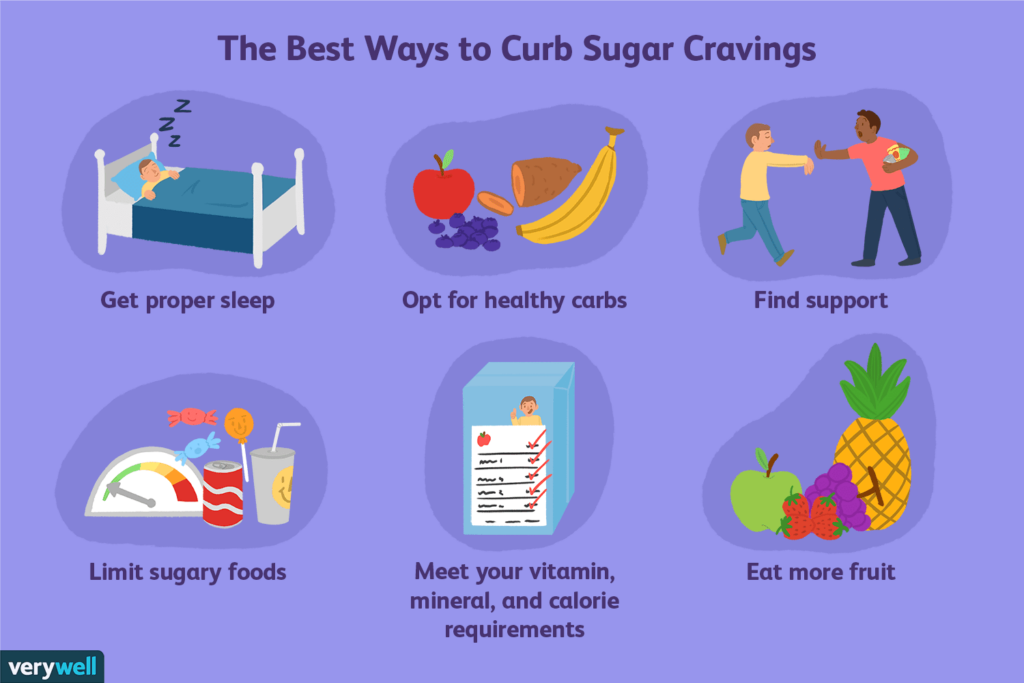
Understanding Sweet Cravings
What are sweet cravings?
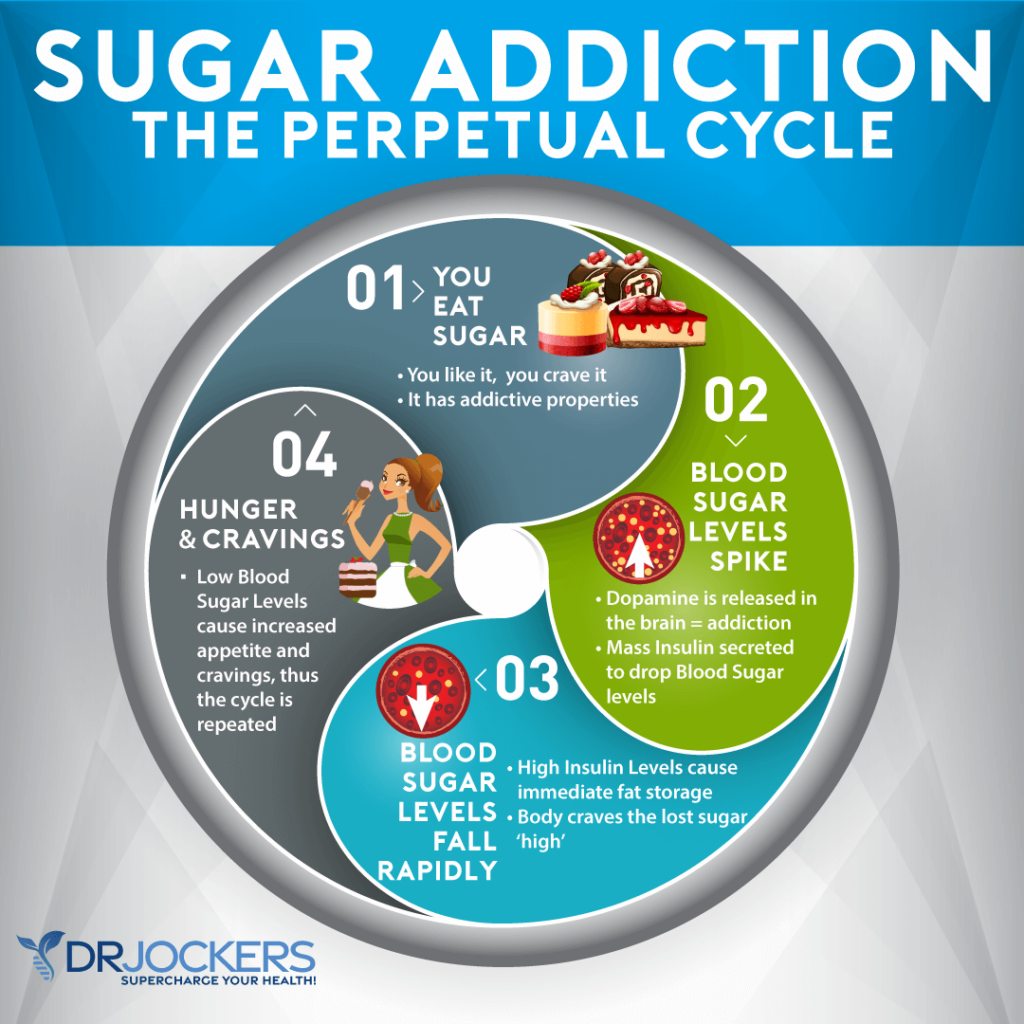
Sweet cravings refer to the intense desire or longing for sweet-tasting foods. It is a common phenomenon experienced by many individuals. These cravings can range from a subtle yearning for a piece of chocolate to an overpowering urge to indulge in a sugary treat.
Why do we experience sweet cravings?
The experience of sweet cravings can stem from various factors. One possible reason is the innate preference for sweetness that humans possess. This preference is believed to have contributed to our survival instincts, as sweet foods often indicate a high caloric content.
Additionally, emotional and psychological factors play a role in sweet cravings. Stress, anxiety, and sadness can trigger a desire for comfort foods, which are often sweet and high in carbohydrates. The consumption of these foods may provide temporary relief from emotional distress.
Moreover, certain physiological conditions, such as hormonal imbalances and nutrient deficiencies, can also contribute to sweet cravings. For example, a drop in blood sugar levels or a lack of essential nutrients like magnesium or chromium can lead to increased cravings for sweets.
The Health Impacts of Sweet Cravings
While the occasional indulgence in sweets is not a cause for concern, consistent and excessive consumption can have detrimental effects on health. Here are some of the health impacts associated with sweet cravings:
Weight gain and obesity
Excessive consumption of sweets is a major contributing factor to weight gain and obesity. Sweet treats are often high in calories and low in nutrients, leading to the accumulation of excess fat in the body. Regularly satisfying sweet cravings with unhealthy options can significantly increase calorie intake and hinder weight management efforts.
Type 2 diabetes
Frequent consumption of sugary foods can contribute to the development of type 2 diabetes. Over time, consistently high blood sugar levels can lead to insulin resistance, a condition where the body’s cells become less responsive to insulin. This can eventually result in the onset of diabetes, a chronic condition associated with numerous health complications.
Dental health issues
Sweet cravings can wreak havoc on dental health. The consumption of sugary snacks and beverages provides an ideal breeding ground for bacteria in the mouth, leading to tooth decay and cavities. Regular dental check-ups and maintaining good oral hygiene practices are essential to prevent adverse effects on teeth and gums.
Controlling Sweet Cravings
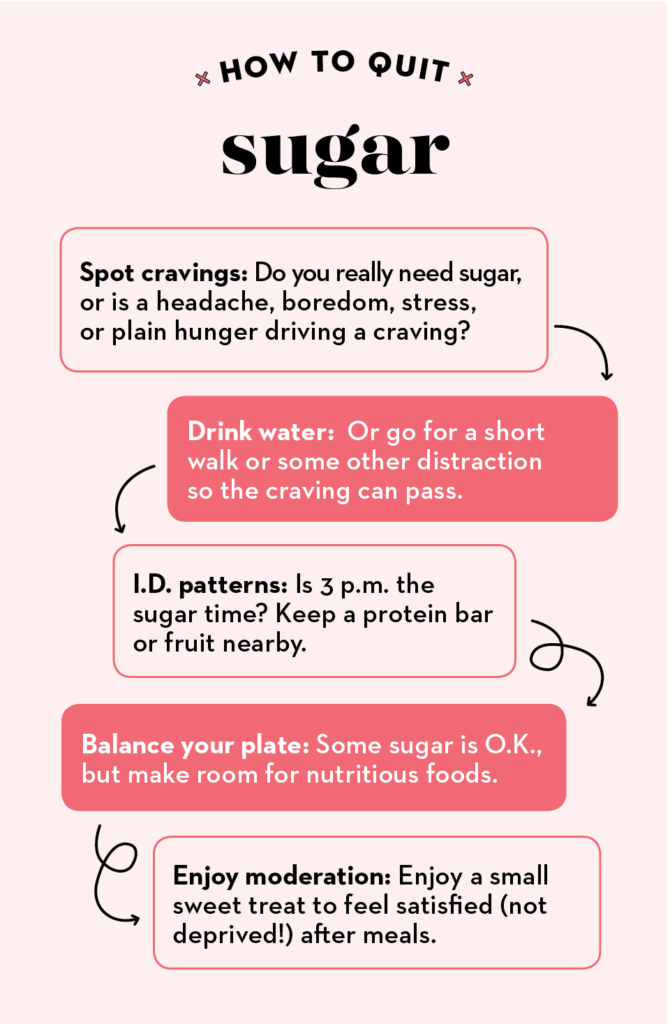
Managing sweet cravings can be challenging, but adopting a few strategies can help regain control over these desires. Here are some effective ways to control sweet cravings:
Identifying trigger foods
Begin by identifying the specific foods that trigger your sweet cravings. Keep a food diary and make note of the foods that evoke the strongest desire for sweetness. Once you have identified these trigger foods, you can take steps to reduce or eliminate them from your diet.
Creating a meal plan
Developing a structured meal plan can help minimize sweet cravings. Ensure that your meals are well-balanced and include a combination of lean proteins, healthy fats, and complex carbohydrates. This will provide sustained energy and minimize rapid fluctuations in blood sugar levels that can lead to sweet cravings.
Incorporating natural sweeteners
Replace refined sugars and artificial sweeteners with natural alternatives like honey, maple syrup, or stevia. These natural sweeteners can satisfy your sweet tooth while providing additional nutrients and antioxidant benefits. However, it is still important to consume them in moderation, as they can also contribute to excess calorie intake.
Practicing portion control
When indulging in sweet treats, practice portion control. Opt for smaller servings or share desserts with a friend. This allows you to enjoy the taste without consuming excessive amounts of sugar. Additionally, savor each bite and eat mindfully, paying attention to the flavors and textures of the treat.
Alternative Ways to Satisfy Your Sweet Tooth
Satisfying sweet cravings doesn’t necessarily mean reaching for sugary desserts. There are healthier alternatives that can provide the sweetness you desire while nourishing your body. Here are some alternative ways to satisfy your sweet tooth:
Choosing fruit as a dessert option
Fruit is nature’s sweet gift. It offers a natural sweetness along with a plethora of vitamins, minerals, and fiber. Opt for fresh or frozen fruits as a dessert option. You can enjoy them as is or get creative by making fruit salads, smoothies, or fruit-based desserts like baked apples or grilled pineapple.
Exploring healthy dessert recipes
The internet is a treasure trove of healthy dessert recipes that cater to various dietary preferences and restrictions. From sugar-free banana bread to avocado chocolate mousse, there are countless options available to satisfy your cravings in a nutritious way. Experiment with these recipes and discover new favorites that align with your health goals.
Limiting processed and sugary snacks
Reducing the consumption of processed and sugary snacks is crucial in curbing sweet cravings. These snacks are often high in added sugars and unhealthy fats, providing little nutritional value. Instead, opt for whole foods such as nuts, seeds, and vegetables, which can help stabilize blood sugar levels and promote overall health.
The Role of Exercise in Curbing Sweet Cravings
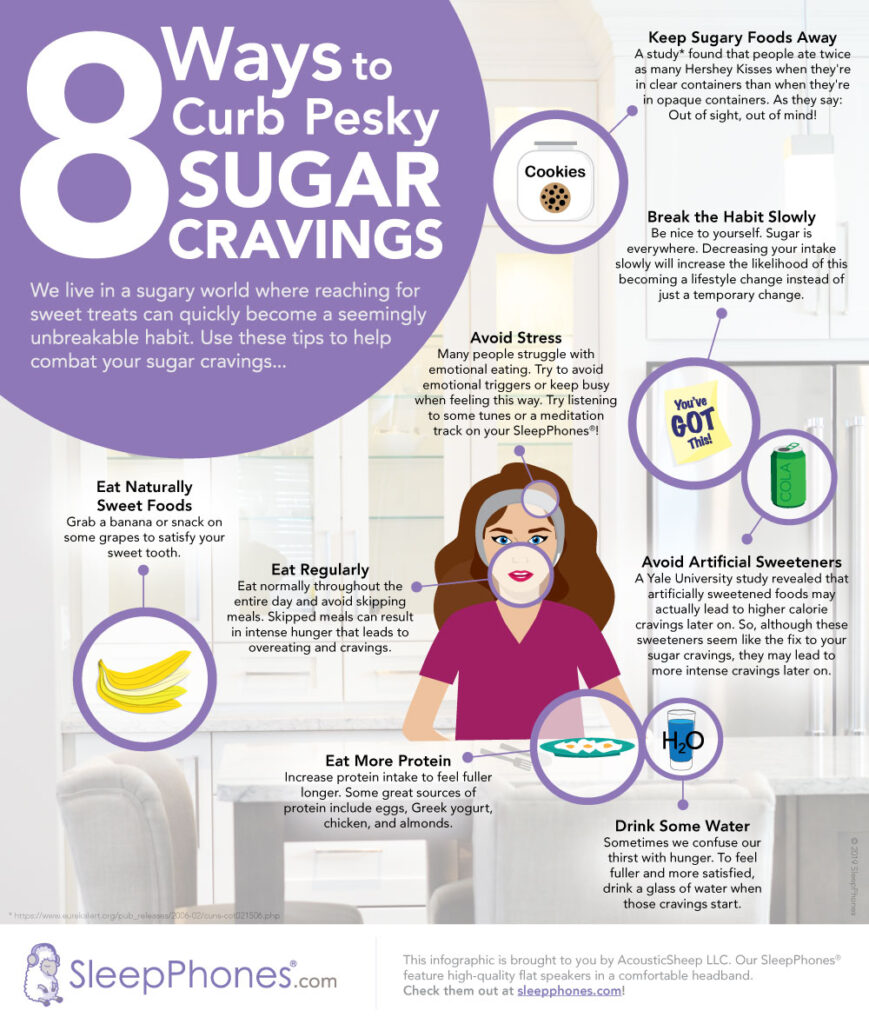
Exercise plays a significant role in curbing sweet cravings. Engaging in regular physical activity offers various benefits, including the reduction of cravings. Here’s how exercise can help control sweet cravings:
Understanding the link between exercise and cravings
Physical activity increases the production of endorphins, also known as the “feel-good” hormones. These endorphins can help improve mood and reduce stress, which are common triggers for sweet cravings. Furthermore, exercise can help regulate blood sugar levels and enhance insulin sensitivity, reducing the likelihood of experiencing intense sugar cravings.
Incorporating regular physical activity
Make exercise a regular part of your routine to combat sweet cravings. Aim for at least 150 minutes of moderate-intensity aerobic activity, such as brisk walking or cycling, each week. Additionally, incorporate strength training exercises to build muscle mass and boost metabolism, which can contribute to weight management and the control of cravings.
Stress Management Techniques
Stress and sweet cravings often go hand in hand. Learning effective stress management techniques can help reduce the frequency and intensity of these cravings. Here are some strategies to manage stress effectively:
Identifying stress triggers
Identify the specific triggers that cause you to experience stress. This could be work-related, personal relationships, or external factors. By understanding and recognizing these triggers, you can take proactive steps to address them and minimize their impact on your overall well-being.
Developing healthy coping strategies
Instead of turning to sweets for comfort during stressful situations, explore healthier coping mechanisms. Engage in activities that help you relax and unwind, such as deep breathing exercises, yoga, meditation, or hobbies you enjoy. These activities can provide stress relief without relying on sugary foods.
Relaxation techniques
Incorporating relaxation techniques into your daily routine can significantly reduce stress levels and subsequently decrease sweet cravings. This can include taking regular breaks, practicing mindfulness, or indulging in activities that promote relaxation, such as warm baths or listening to calming music.
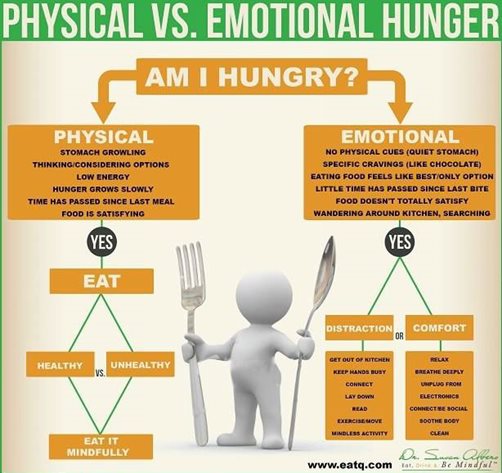
Sleep and Sweet Cravings
The impact of sleep on sweet cravings cannot be overstated. Insufficient sleep not only affects energy levels and cognitive function but also disrupts hunger hormones, leading to increased cravings. Here’s how sleep deprivation influences sweet cravings and tips to improve sleep quality:
The impact of sleep deprivation on cravings
Lack of sleep alters the production and regulation of hormones that control appetite, such as ghrelin and leptin. When sleep-deprived, ghrelin levels increase, while leptin levels decrease. This hormonal imbalance can significantly increase cravings, especially for carbohydrates and sugary foods.
Tips for improving sleep quality
Establish a consistent sleep routine by going to bed and waking up at the same time each day, including weekends. Create a relaxing bedtime routine that promotes restful sleep, such as avoiding stimulating activities before bed and creating a comfortable sleep environment. Limit caffeine intake, especially in the evening, and avoid heavy meals close to bedtime.
The Importance of Hydration
Surprisingly, dehydration can also contribute to sweet cravings. Staying properly hydrated is essential for overall health, and it can help reduce the intensity of sweet cravings. Here’s why hydration is crucial and how you can ensure you are adequately hydrated:
The connection between dehydration and cravings
Dehydration can often manifest as increased hunger signals, including stronger cravings for sweets. This is because the body may interpret thirst signals as hunger signals, leading to a desire for quick sources of energy like sugary foods. By ensuring proper hydration, you can minimize false hunger cues and reduce the likelihood of intense sweet cravings.
How to stay properly hydrated
Drink an adequate amount of water throughout the day to stay hydrated. The general recommendation is to consume eight 8-ounce glasses, or about 2 liters, of water daily. However, individual hydration needs may vary based on factors such as activity level, climate, and overall health. Pay attention to your body’s hydration cues, and adjust your water intake accordingly.
Seeking Support and Accountability
Changing habits and reducing sweet cravings can be challenging, but seeking support and accountability can greatly enhance your success. Here are some ways you can enlist support:
Joining a support group
Consider joining a support group or community focused on healthy eating and lifestyle choices. These groups provide a sense of camaraderie and can offer valuable tips, motivation, and encouragement when dealing with sweet cravings. Sharing experiences and challenges with like-minded individuals can make the journey more manageable.
Enlisting the help of friends and family
Inform your close friends and family members about your goal to control sweet cravings. Ask for their support in your journey towards a healthier lifestyle. Encouraging loved ones to join you in making healthier choices can create a supportive environment where sweet indulgences are minimized and healthier alternatives are embraced.
Conclusion
Taking control of sweet cravings is essential for overall health and well-being. By understanding the causes of these cravings and implementing effective strategies to manage them, you can embrace a healthier lifestyle. From identifying trigger foods and creating a meal plan to incorporating exercise and practicing stress management techniques, there are various ways to successfully control sweet cravings. Remember, a balanced and mindful approach to nutrition is key in achieving long-term success. Say goodbye to excessive sweet cravings and welcome a healthier relationship with food.
How To Stop Food Cravings At Night

Do you ever find yourself reaching for a late-night snack, even when you’re not actually hungry? We’ve all been there, and those food cravings can be a real challenge to overcome. But don’t worry, we’ve got you covered! In this article, we’re going to explore some helpful tips and strategies to help you stop those pesky food cravings at night.
Late-night food cravings can often be the result of emotional or stress eating, boredom, or simply habits that have formed over time. One effective way to combat these cravings is to identify the underlying cause. Are you feeling stressed or anxious? Is there an emotional trigger that makes you turn to food for comfort? Understanding the reason behind your cravings can empower you to find healthier alternatives. In addition, we’ll also explore the role of hunger hormones and how they can influence your cravings. So, if you’re tired of giving in to those late-night cravings, keep reading to discover how you can take back control and create healthier habits for yourself.

How To Stop Food Cravings At Night
Are you one of those individuals who constantly find themselves raiding the pantry late at night, unable to resist the urge for unhealthy snacks? If so, you’re not alone. Nighttime food cravings can be a common struggle for many people, often leading to overeating and unhealthy food choices. In this article, we will explore the science behind food cravings, why they tend to happen at night, and most importantly, strategies to curb and overcome these cravings.
The Science Behind Food Cravings
Food cravings, particularly the ones that strike at night, can be a complex interplay of various factors. Research suggests that cravings are influenced by a combination of biological and psychological factors. Biologically, certain hormones like ghrelin, which stimulates hunger, and leptin, which signals fullness, can play a role in driving cravings. Additionally, the brain’s reward system and neurotransmitters like dopamine can also contribute to the intense desire for certain foods.
From a psychological perspective, food cravings can be triggered by environmental cues, emotional states, and even nutritional deficiencies. Understanding these underlying mechanisms is crucial in addressing nighttime food cravings effectively.
Why Food Cravings Tend To Happen At Night
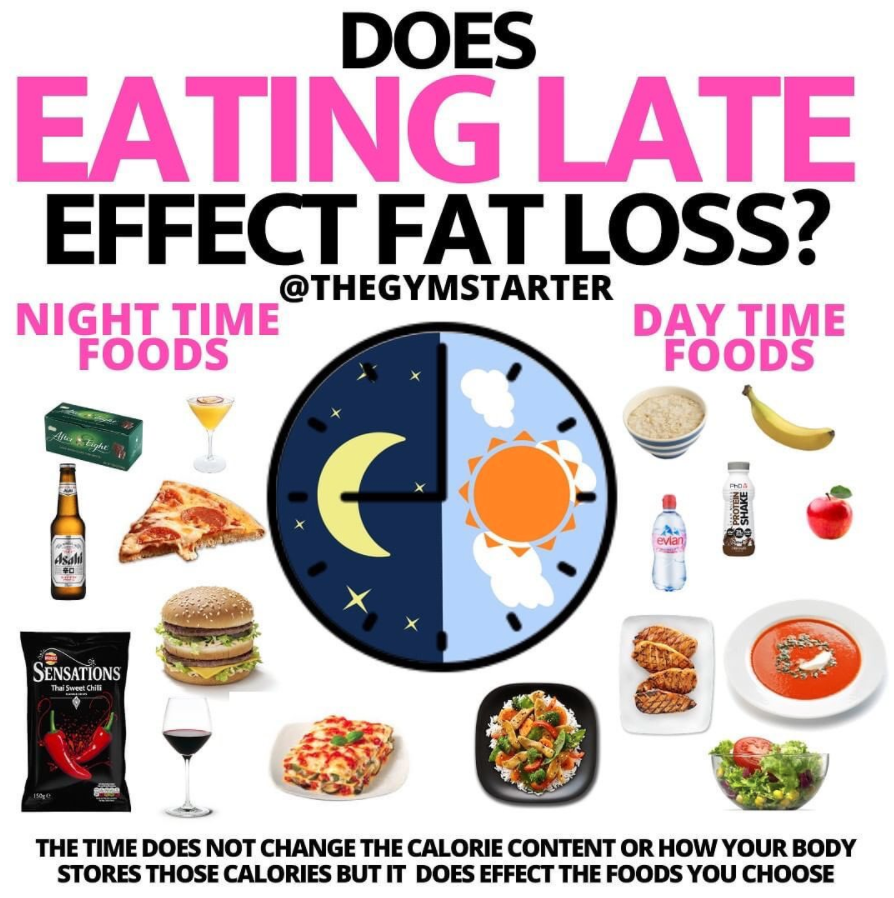
There are several reasons why food cravings tend to occur more frequently at night. Firstly, research suggests that our circadian rhythm, the body’s internal clock, plays a role in regulating hunger and appetite. Our hunger hormones follow a distinct pattern throughout the day, peaking in the evening and late at night. This natural increase in hunger can make it more challenging to resist cravings during these times.
Secondly, our daily routines and habits can contribute to nighttime cravings. After a long and exhausting day, we often seek comfort and relaxation. Food, particularly unhealthy snacks, can provide a temporary sense of pleasure and stress relief. This emotional connection to food can make it harder to resist cravings during nighttime.
Lastly, during the evening, there may be fewer distractions or demands on our time, leading to boredom and increased focus on food. This heightened awareness of food can amplify cravings and make it harder to resist indulging.
The Consequences of Nighttime Food Cravings
Indulging in nighttime food cravings can have several negative consequences on our health and well-being. Firstly, nighttime snacking often involves consuming unhealthy, calorie-dense foods that are high in sugar, salt, and unhealthy fats. Regularly indulging in these foods can contribute to weight gain, increased risk of chronic diseases like diabetes and heart disease, and poor overall nutritional intake.
Nighttime eating can also disrupt our sleep patterns. Consuming heavy, greasy, or sugary foods close to bedtime can lead to digestion issues, heartburn, and discomfort that can interfere with falling asleep and maintaining a restful sleep throughout the night. Poor sleep quality, in turn, can have a negative impact on our energy levels, mood, cognitive function, and overall well-being.
Recognizing the consequences of nighttime food cravings is important in motivating us to find strategies and make changes to break this cycle.
Identifying Triggers for Nighttime Food Cravings
Understanding the triggers that contribute to your nighttime food cravings is a crucial step in developing strategies to overcome them effectively. These triggers can be categorized into emotional, environmental, and nutritional factors.
Emotional Triggers
Emotional triggers for nighttime food cravings often involve using food as a coping mechanism for stress, boredom, loneliness, or other negative emotions. Identifying specific emotional triggers and finding alternative ways to address these emotions can help reduce the desire for unhealthy snacks. Engaging in relaxation techniques, practicing mindfulness, or engaging in hobbies or activities that bring joy and satisfaction can be effective in managing emotional triggers.
Environmental Triggers
Environmental factors, such as the sight and smell of food, can play a significant role in triggering nighttime cravings. Keeping your environment free from tempting foods, particularly in the evening, can help reduce the likelihood of giving in to cravings. Additionally, creating a relaxing and comfortable sleep environment that promotes restful sleep can indirectly contribute to reducing nighttime food cravings.
Nutritional Deficiencies
Nutritional deficiencies can also contribute to nighttime food cravings. When the body is lacking certain nutrients, it may send signals in the form of cravings for specific foods. Identifying potential deficiencies and ensuring a well-balanced, nutrient-rich diet can help alleviate these cravings. Including a variety of fruits, vegetables, whole grains, lean proteins, and healthy fats can help provide the body with the necessary nutrients it needs to function optimally.
Developing Healthy Eating Habits
Establishing healthy eating habits is crucial in preventing and managing nighttime food cravings. By adopting specific strategies, you can create a routine that promotes balanced meals and reduces the likelihood of giving in to cravings.
Establishing Regular Meal Times
Setting regular meal times and sticking to them can help regulate hunger hormones and promote a consistent eating pattern throughout the day. Aim to have three balanced meals and healthy snacks if needed. By fueling your body with nourishing foods at regular intervals, you can curb hunger and reduce the likelihood of nighttime cravings.
Consuming Balanced Meals
Eating a balanced meal that includes a combination of complex carbohydrates, protein, and healthy fats can help provide sustained energy throughout the day. Fiber-rich foods like whole grains, fruits, and vegetables can help you stay full for longer, reducing the tendency to reach for unhealthy snacks. Additionally, including protein and healthy fats can further promote satiety and stabilize blood sugar levels.
Incorporating Nutrient-Rich Foods In Your Diet
Ensuring that your diet is rich in essential nutrients can help reduce cravings and support overall well-being. Incorporate a variety of fruits, vegetables, whole grains, lean proteins, and healthy fats into your meals. These nutrient-dense foods provide vital vitamins, minerals, and antioxidants that support optimal bodily functions.
Practical Strategies To Curb Nighttime Food Cravings
In addition to developing healthy eating habits, implementing practical strategies can significantly help in curbing nighttime food cravings. By addressing the underlying triggers and creating positive habits, you can break the cycle of late-night snacking.
Creating A Calming Bedtime Routine
Establishing a soothing bedtime routine can help relax your mind and body, reducing stress and promoting better sleep. Engage in activities like reading, taking a warm bath, practicing gentle stretching exercises, or practicing relaxation techniques like deep breathing or meditation. By creating a calm and peaceful environment, you can mitigate stress-related cravings and promote better sleep quality.
Choosing Satiating Snacks
Instead of reaching for unhealthy snacks, opt for satisfying and nutrient-rich alternatives. Choose snacks that combine protein with fiber or healthy fats to provide satiety and keep you feeling full. Examples include Greek yogurt with berries, a handful of nuts, or carrot sticks with hummus. These options can help curb cravings while nourishing your body.
Mindful Eating To Combat Cravings
Practicing mindful eating involves being fully present and aware of your eating habits. Slow down and savor each bite, paying attention to the taste, texture, and sensations of the food. By eating mindfully, you can better recognize and respond to your body’s hunger and fullness cues, reducing the likelihood of overeating or mindless snacking.

Exploring Alternative Activities
Finding alternative activities to engage in can redirect your focus away from food cravings. By occupying your mind and body with other enjoyable or fulfilling activities, you can reduce the desire for unhealthy snacks.
Engaging In Physical Exercise
Physical activity not only provides numerous health benefits but also helps distract you from cravings. Engage in activities that you enjoy, whether it’s going for a walk, dancing, practicing yoga, or participating in a sport. Exercise releases endorphins, which can improve your mood and reduce stress, making it easier to resist cravings.
Practicing Relaxation Techniques
Stress is a common trigger for food cravings, especially at night. Implementing relaxation techniques like deep breathing exercises, practicing yoga, or taking up hobbies that help you unwind can alleviate stress and reduce the inclination to turn to food for comfort.
Distracting Yourself From Cravings
When cravings strike, finding ways to distract yourself can be helpful. Engage in activities that divert your attention, such as reading a book, watching a movie, listening to music, or pursuing a hobby. By redirecting your focus, you can effectively ride out the cravings until they subside.
Seeking Support And Accountability
Enlisting support from others can significantly increase your chances of success in overcoming nighttime food cravings. By having someone to lean on, share your challenges and progress with, and hold you accountable, you can stay motivated and focused on your goals.
Enlisting A Supportive Friend Or Family Member
Share your journey with a friend or family member who can provide encouragement, understanding, and motivation. Having someone who can hold you accountable and provide support during challenging times can make a significant difference in your success.
Joining A Support Group
Consider joining a support group or community that focuses on healthy eating, mindful living, or overcoming food cravings. These groups can provide a safe space to share experiences, gain insight from others facing similar challenges, and learn from their successes.
Tracking And Monitoring Progress
Keeping track of your progress can help you stay accountable and motivated. Use a journal or a tracking app to log your meals, cravings, emotions, and any progress you make. Seeing improvements and recognizing patterns can provide valuable insights and help you make informed decisions moving forward.

Utilizing Sleep Hygiene Practices
Improving your sleep hygiene can indirectly help reduce nighttime food cravings. By creating a sleep-friendly environment and establishing consistent sleep habits, you can promote better sleep quality and reduce the likelihood of cravings.
Creating A Sleep-Friendly Environment
Make your bedroom a calm and inviting space that promotes rest and relaxation. Keep the room cool, dark, and quiet, and remove electronic devices that can interfere with sleep. Investing in a comfortable mattress, pillows, and bedding can also contribute to better sleep quality.
Establishing A Consistent Sleep Schedule
Go to bed and wake up at the same time every day, even on weekends. This regular sleep routine can help regulate your body’s internal clock and promote better sleep patterns. Aim for seven to nine hours of sleep each night to ensure you are well-rested and less likely to experience fatigue-induced cravings.
Prioritizing Sufficient Rest
Lack of sleep or poor sleep quality can disrupt the hormones responsible for regulating hunger and satiety, leading to increased cravings and unhealthy food choices. Make sleep a priority by ensuring you allocate enough time for restful sleep each night.
Managing Stress And Emotional Well-being
Stress and negative emotions can significantly impact our food choices and contribute to nighttime cravings. Implementing strategies to manage stress and nurture emotional well-being is essential in reducing cravings and making healthier choices.
Implementing Stress-Reduction Techniques
Finding effective ways to manage and reduce stress is crucial in overcoming nighttime food cravings. Discover stress-reduction techniques that work for you, such as practicing mindfulness, deep breathing exercises, journaling, or engaging in activities that bring you joy.
Engaging In Self-Care Activities
Taking care of yourself physically, mentally, and emotionally is important in managing cravings. Incorporate self-care activities into your daily routine, such as taking a bath, reading a book, practicing a hobby, or spending time in nature. By prioritizing self-care, you can reduce stress levels and improve overall well-being.
Identifying And Addressing Emotional Triggers
Understanding the emotional factors that contribute to cravings is vital in effectively managing them. Identify specific emotions or situations that trigger your cravings, and find healthier ways to address these emotions. This can involve seeking therapy or counseling to gain insight and develop coping strategies to better navigate challenging emotions.

Overcoming Nutritional Deficiencies
Sometimes, food cravings at night can occur due to nutritional deficiencies. These deficiencies may be a result of inadequate dietary intake or underlying health conditions. If you suspect that you may have nutritional deficiencies contributing to your cravings, consider the following strategies.
Consulting A Healthcare Professional
If you suspect that your cravings are due to specific nutrient deficiencies or underlying health conditions, consult a healthcare professional. They can assess your overall health, conduct necessary tests, and provide appropriate guidance on dietary changes or potential supplementation.
Considering Dietary Supplements
Supplements can be a useful tool in addressing nutritional deficiencies. However, it is essential to seek professional guidance to ensure you choose appropriate supplements and dosages based on your individual needs. Remember, supplements should never replace a well-balanced diet but rather complement it.
Incorporating Nutrient-Dense Foods
To overcome nutritional deficiencies, focus on including nutrient-dense foods in your diet. A variety of fruits, vegetables, whole grains, lean proteins, and healthy fats can help provide essential vitamins and minerals. Incorporate foods like leafy greens, nuts, seeds, legumes, and fatty fish into your meals to nourish your body adequately.
Conclusion
Addressing nighttime food cravings is a crucial step towards embracing a healthier and balanced lifestyle. By understanding the science behind cravings, identifying triggers, and developing healthy habits, you can overcome these cravings for good. Implement practical strategies like creating a calming bedtime routine, choosing satiating snacks, engaging in alternative activities, and seeking support to break the cycle of nighttime cravings. Prioritize sleep, manage stress and emotional well-being, and address any potential nutritional deficiencies. Remember, finding personalized strategies and embracing a balanced lifestyle are key to long-term success in curbing nighttime food cravings and fostering overall wellness. So, start implementing these strategies today and take control of your nighttime snacking habits.
How To Stop Hunger Pangs

Do you ever find yourself getting those hunger pangs, even shortly after a meal? It can be incredibly frustrating and distracting, especially when you’re trying to focus on other tasks. But fear not, because in this article, we’ll explore how to stop hunger pangs and keep you feeling satisfied throughout the day. So, if you’re tired of constantly succumbing to those pesky pangs, keep reading to learn some helpful tips and tricks.
When it comes to combating hunger pangs, it’s important to understand the root causes. Our bodies have a natural rhythm and need for sustenance, but sometimes our hunger signals can be misleading. For example, did you know that thirst can often manifest as hunger? That’s right, sometimes all you need is a glass of water to curb those cravings. Additionally, ensuring that you have a balanced meal that includes protein, healthy fats, and fiber can help you feel fuller for longer. But this is just the tip of the iceberg – in the upcoming article, we’ll delve into more strategies and techniques to conquer hunger pangs once and for all. So, stay tuned and get ready to say goodbye to those nagging cravings!

How To Stop Hunger Pangs
Hunger pangs can be an uncomfortable sensation that can distract you from your daily activities, especially during fasting or when trying to maintain a healthy diet. Understanding hunger pangs and their causes can help you effectively manage them and make healthier food choices. In this article, we will explore various strategies to stop hunger pangs, including balancing your diet, adopting healthy eating habits, optimizing hydration, managing stress, utilizing natural appetite suppressants, practicing mindful eating, and engaging in physical activity.
Understanding Hunger Pangs
Hunger pangs, also known as hunger pains or hunger contractions, are the uncomfortable sensations experienced in the stomach when you are hungry. These pangs are caused by the emptying of the stomach and the contraction of the muscles in the stomach wall. When your stomach is empty, it releases a hormone called ghrelin, which stimulates hunger and triggers these hunger pangs.
Causes of Hunger Pangs
Hunger pangs can be caused by a variety of factors, including an empty stomach, low blood sugar levels, or even certain medical conditions. The most common cause, however, is simply not eating enough food or going for long periods without eating. Skipping meals or not consuming enough nutrients can lead to intense hunger pangs. It’s important to recognize the underlying causes of your hunger pangs in order to effectively address them.
Physical Symptoms of Hunger Pangs
Hunger pangs can manifest in different ways for different people. Some common physical symptoms include a rumbling or growling stomach, an empty or gnawing feeling in the stomach, irritability, lightheadedness, difficulty concentrating, and headaches. These physical symptoms can be uncomfortable and can hinder your ability to focus on your daily tasks. By managing hunger pangs, you can alleviate these physical symptoms and improve your overall well-being.
Exploring the Relationship Between Hunger Pangs and Fasting
Fasting, in its various forms, has gained popularity as a way to improve health and promote weight loss. However, fasting can also trigger hunger pangs, which may make it challenging to stick to your fasting schedule. Understanding the impact of fasting on hunger pangs and implementing specific strategies can help you manage them effectively.
Impact of Fasting on Hunger Pangs
During fasting, your body enters a state of energy conservation, leading to a decrease in metabolic rate and an increase in hunger sensations. This can result in more intense hunger pangs, making it difficult to continue fasting. It’s important to recognize that hunger pangs during fasting are normal and can be managed with the right approach.
Different Types of Fasting
There are different types of fasting, including time-restricted eating, alternate-day fasting, and extended fasting. Time-restricted eating involves limiting your eating window to a specific number of hours each day. Alternate-day fasting involves fasting every other day, while extended fasting involves fasting for longer periods, such as 24 hours or more. Each type of fasting has its own benefits and challenges, and the impact on hunger pangs can vary.
Tips for Managing Hunger Pangs During Fasting
To manage hunger pangs during fasting, it’s important to stay hydrated, as dehydration can often be mistaken for hunger. Drinking water throughout the day can help reduce the intensity of hunger pangs. Additionally, consuming nutrient-dense foods during your eating window and ensuring you are getting enough protein and fiber can help keep you feeling fuller for longer. Experimenting with different fasting protocols and finding what works best for you can also help minimize hunger pangs.

Balancing Your Diet to Minimize Hunger Pangs
A well-balanced diet is essential for overall health and can play a significant role in minimizing hunger pangs. By focusing on proper nutrition and incorporating specific foods into your diet, you can keep hunger pangs at bay and maintain a healthy lifestyle.
Importance of a Well-Balanced Diet
A well-balanced diet provides your body with the necessary nutrients it needs to function optimally. It should include a variety of fruits, vegetables, whole grains, lean proteins, and healthy fats. By including all major food groups in your diet, you can keep hunger pangs under control and provide your body with sustained energy throughout the day.
Nutrition Recommendations to Prevent Hunger Pangs
To prevent hunger pangs, it’s important to prioritize nutrient-dense foods that provide satiety and keep you feeling fuller for longer. Include high-fiber foods such as fruits, vegetables, legumes, and whole grains in your diet. Fiber adds bulk to your meals and helps slow down digestion, keeping you satisfied for a longer period of time. Additionally, including protein-rich foods like lean meats, poultry, fish, eggs, and plant-based proteins can help reduce hunger pangs and increase feelings of fullness.
Foods that Can Help Curb Hunger Pangs
Certain foods have been shown to have appetite-suppressing properties and can help curb hunger pangs. These include foods high in fiber, such as chia seeds, flaxseeds, oats, and vegetables like broccoli and Brussels sprouts. Protein-rich foods, such as Greek yogurt, cottage cheese, tofu, and nuts, can also help keep hunger at bay. Incorporating these foods into your meals and snacks can help you manage hunger pangs and maintain a balanced diet.
Adopting Healthy Eating Habits
In addition to balancing your diet and including appetite-suppressing foods, adopting healthy eating habits is crucial for managing hunger pangs effectively. By following a consistent meal schedule, managing portion sizes, and making mindful food choices, you can establish a healthy relationship with food and minimize hunger pangs.
Eating Regular Meals and Snacks
Eating regular meals and snacks throughout the day can help prevent intense hunger pangs. Aim for three balanced meals and one to two snacks, depending on your individual needs. By spacing out your meals and snacks evenly throughout the day, you can maintain a steady level of energy and prevent extreme hunger.
Managing Portion Sizes
Portion control plays a significant role in managing hunger pangs. By being mindful of portion sizes and listening to your body’s hunger and fullness cues, you can avoid overeating and prevent extreme hunger. Focus on eating until you are comfortably satisfied, rather than stuffed, and practice mindful eating techniques to help you gauge portion sizes accurately.
Choosing High-Fiber and Protein-Rich Foods
As mentioned earlier, including high-fiber and protein-rich foods in your diet can help reduce hunger pangs. Not only do these foods keep you feeling fuller for longer, but they also provide essential nutrients needed for overall health. Opt for fiber-rich whole grains, legumes, and fruits and incorporate lean proteins such as chicken, fish, tofu, or beans into your meals. These choices will provide sustained energy and help prevent intense hunger pangs.

Optimizing Hydration to Reduce Hunger Pangs
Hydration plays a crucial role in overall health and can also impact hunger pangs. Understanding the link between dehydration and hunger pangs, ensuring you meet your daily water intake, and incorporating hydrating foods and beverages into your diet can help control hunger pangs effectively.
The Link Between Dehydration and Hunger Pangs
Dehydration can often be mistaken for hunger. When you are dehydrated, your body’s thirst mechanism can be misinterpreted as hunger, leading to unnecessary food intake. By staying well-hydrated, you can prevent dehydration and minimize the intensity of hunger pangs.
Recommended Daily Water Intake
The recommended daily water intake varies based on individual factors such as age, gender, activity level, and climate. However, a general guideline is to drink at least eight glasses (64 ounces) of water per day. However, it’s important to listen to your body’s needs and adjust your water intake accordingly. If you engage in physical activity or live in a hot climate, you may need to increase your water intake to stay properly hydrated.
Hydrating Foods and Beverages to Prevent Hunger Pangs
In addition to drinking water, incorporating hydrating foods and beverages into your diet can help control hunger pangs. Foods such as cucumbers, watermelon, oranges, and strawberries have high water content and can help keep you hydrated. Herbal teas, infused water, and low-sodium vegetable broth are also refreshing and hydrating options to include in your daily routine. These choices can help minimize the intensity of hunger pangs and support your overall hydration status.
Managing Stress and Emotional Triggers
Stress and emotional triggers can significantly impact hunger pangs and lead to emotional eating. By understanding the relationship between stress and hunger pangs, implementing stress management techniques, and finding healthy alternatives to emotional eating, you can effectively manage hunger pangs.
Impact of Stress on Hunger Pangs
Stress triggers the release of cortisol, a hormone that stimulates appetite and cravings for comfort foods. This can lead to overeating and intensify hunger pangs. By addressing stress and finding healthy coping mechanisms, you can prevent emotional eating and manage hunger pangs more effectively.
Stress Management Techniques
Managing stress is essential for overall well-being and can help minimize hunger pangs. Engaging in regular exercise, practicing relaxation techniques such as meditation or deep breathing, getting enough sleep, and seeking support from loved ones are all effective stress management techniques. These strategies can help you reduce stress levels, improve emotional well-being, and prevent stress-induced hunger pangs.
Finding Healthy Alternatives to Emotional Eating
Instead of turning to food for comfort during times of stress or emotional triggers, it’s important to find healthier alternatives. Engaging in hobbies, practicing self-care activities, going for a walk, or talking to a friend can redirect your focus away from food and help manage emotional hunger. By finding alternative ways to cope with emotions, you can prevent emotional eating and minimize the impact of stress on hunger pangs.

Utilizing Natural Appetite Suppressants
Natural appetite suppressants, such as herbs and spices, can aid in reducing hunger pangs and promoting satiety. By familiarizing yourself with these appetite-suppressing options, incorporating them into your meals, and considering supplements when necessary, you can effectively control hunger pangs.
Exploring Natural Appetite-Suppressing Herbs and Spices
Certain herbs and spices have been shown to have appetite-suppressing properties. These include ginger, cinnamon, cayenne pepper, green tea, and turmeric. These natural ingredients can help reduce feelings of hunger and promote satiety. Incorporating them into your meals and beverages can not only add flavor but also help manage hunger pangs.
Incorporating These Herbs and Spices into Your Meals
You can easily incorporate appetite-suppressing herbs and spices into your meals to control hunger pangs. Spice up your dishes with cinnamon, cayenne pepper, or turmeric. Use ginger in teas or add it to stir-fries and smoothies. Green tea can be enjoyed as a beverage or used as a base for healthy smoothies. Experiment with different combinations to find what works best for you.
Using Supplements to Control Hunger Pangs
In some cases, supplements can be used to assist in managing hunger pangs. However, it’s important to consult with a healthcare professional before starting any supplementation regimen. Supplements such as glucomannan, Garcinia cambogia, or 5-HTP have shown promising results in reducing hunger and promoting satiety. However, individual responses may vary, and it’s essential to find the right supplement and dosage under professional guidance.
Practicing Mindful Eating
Mindful eating is a powerful tool for managing hunger pangs and promoting overall well-being. By adopting this mindful approach to eating, you can improve your relationship with food, enhance satisfaction with meals, and reduce the intensity of hunger pangs.
Understanding Mindful Eating
Mindful eating involves being fully present and aware of your food choices, eating slowly, and savoring each bite. It also includes paying attention to hunger and fullness cues, acknowledging the taste and texture of food, and recognizing the effect of emotions on eating habits. By practicing mindful eating, you can make conscious choices, enjoy your meals more, and prevent overeating.
Benefits of Mindful Eating in Reducing Hunger Pangs
Mindful eating has several benefits when it comes to managing hunger pangs. By eating slowly and paying attention to your body’s signals of hunger and fullness, you can avoid overeating and better control your appetite. Additionally, by focusing on the taste and texture of food, you can enhance your satisfaction with meals and reduce the intensity of hunger pangs.
Techniques to Practice Mindful Eating
To practice mindful eating, start by eliminating distractions during meal times, such as phones or TVs. Eat slowly and chew your food thoroughly, allowing yourself to fully experience the flavors and textures. Pay attention to your hunger and fullness cues, eat until you are comfortably satisfied, and savor each bite. By incorporating these techniques into your eating routine, you can develop a healthier relationship with food and manage hunger pangs more effectively.

Engaging in Physical Activity
Physical activity not only has numerous health benefits but can also impact hunger and appetite levels. By understanding the impact of exercise, choosing the right types of exercises, and timing your workouts strategically, you can manage hunger pangs more effectively.
The Impact of Exercise on Hunger and Appetite
Exercise can have both an immediate and a long-term impact on hunger and appetite. Moderate-intensity exercise has been shown to suppress appetite temporarily, while regular exercise over time can help regulate hunger hormones and reduce overall appetite. Understanding these effects and implementing exercise as part of your routine can help control hunger pangs.
Types of Exercise to Manage Hunger Pangs
Different types of exercises can have varying effects on hunger and appetite. Aerobic exercises, such as jogging or cycling, have been shown to reduce appetite temporarily. Strength training exercises, on the other hand, can help increase muscle mass, which can ultimately increase your resting metabolic rate and help regulate appetite. Including a combination of aerobic and strength training exercises in your routine can help manage hunger pangs effectively.
Timing Exercise for Hunger Control
Timing your exercise strategically can also help manage hunger pangs. Engaging in physical activity before a meal can help reduce appetite and control hunger sensations. Additionally, planning your meals and snacks around your exercise routine can ensure that you have enough energy to fuel your workouts while preventing extreme hunger afterwards. Experiment with different exercise and meal timing combinations to find what works best for you.
Conclusion
Managing hunger pangs is essential for maintaining a healthy and balanced lifestyle. By adopting a combination of strategies, including balancing your diet, adopting healthy eating habits, optimizing hydration, managing stress, utilizing natural appetite suppressants, practicing mindful eating, and engaging in physical activity, you can effectively control hunger pangs and make healthier food choices. Remember, it’s important to experiment and find what works best for you. By prioritizing your well-being and implementing these strategies, you can successfully stop hunger pangs and achieve your health goals.
How To Stop Obsessing Over Food

Are you constantly thinking about food and unable to focus on other aspects of your life? Do you find yourself obsessing over what you eat and feeling guilty about every bite? If so, you’re not alone. Many people struggle with food obsessions, but the good news is that there are ways to overcome this unhealthy mindset.
In this article, we’ll dive into the topic of how to stop obsessing over food. We’ll discuss the root causes of food obsessions and provide practical tips to help you regain control of your thoughts and actions. Whether you’re looking to develop a healthier relationship with food or simply want to quiet the constant chatter in your mind, this article will guide you towards a more balanced approach.
By the end of this article, you’ll have a better understanding of why you obsess over food and how to break free from this cycle. We’ll explore strategies such as mindful eating, creating an enjoyable eating environment, and practicing self-compassion. So, if you’re ready to take a step towards a more peaceful and healthy relationship with food, let’s dive in and start reclaiming your mental space from food obsessions.
How To Stop Obsessing Over Food

Understanding Food Obsession
Do you often find yourself thinking about food all the time? Do you constantly worry about what you eat, how much you eat, and how it may affect your body? These thoughts and concerns may indicate that you are experiencing food obsession. Food obsession is characterized by an unhealthy preoccupation with food and an intense focus on eating, weight, and body image. It can lead to a variety of negative physical and psychological effects.
Recognizing the Symptoms
To address your food obsession, it is crucial to first recognize the symptoms. Common signs of food obsession include:
- Constant thoughts about food, weight, and body image
- Fear of certain foods or food groups
- Strict adherence to self-imposed dietary rules
- Feeling guilty or ashamed after eating
- Frequent dieting or restrictive eating patterns
- Preoccupation with counting calories or tracking food intake
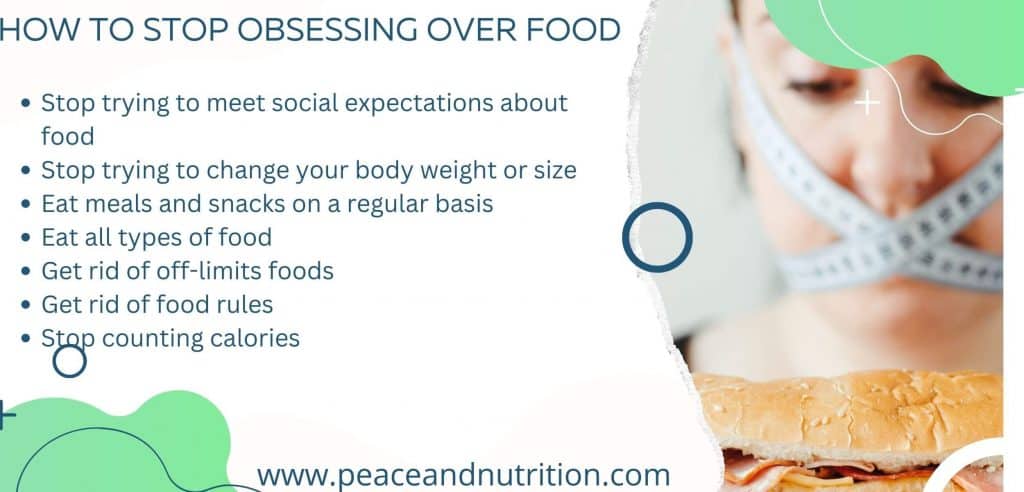
Understanding the Psychological Factors
Food obsession often stems from various psychological factors. These may include a history of dieting, low self-esteem, body image issues, anxiety, or a need for control. Understanding and addressing these underlying factors is essential in breaking free from food obsession.
Identifying Triggers
To overcome food obsession, it is crucial to identify and understand the triggers that contribute to your unhealthy relationship with food. Triggers can be classified into two categories: external and internal.
External Triggers
External triggers are environmental cues that prompt food obsession. These may include being around certain foods, eating in social settings, or exposure to food advertisements. By recognizing these triggers and developing strategies to navigate them, you can minimize their impact on your mindset.
Internal Triggers
Internal triggers, on the other hand, are emotional or psychological factors that lead to food obsession. These triggers may include stress, boredom, loneliness, or negative emotions. By identifying your internal triggers, you can develop alternative coping mechanisms to address underlying emotional needs.
Common Trigger Foods
Certain foods can act as triggers for individuals struggling with food obsession. These trigger foods are often those that are associated with guilt or anxiety. Common examples include processed snacks, sugary desserts, and high-calorie foods. Identifying your trigger foods can help you develop strategies to enjoy them in moderation without succumbing to obsession.

Creating a Healthy Relationship with Food
To stop obsessing over food, it is vital to develop a healthy and balanced relationship with it. Cultivating mindful eating habits and practicing intuitive eating can lead to a more positive and sustainable approach to food.
Developing Mindful Eating Habits
Mindful eating involves paying attention to your food in the present moment, without judgment. It involves savoring each bite, eating slowly, and listening to your body’s hunger and fullness cues. By practicing mindful eating, you can become more attuned to your body’s needs and preferences, leading to a healthier relationship with food.
Practicing Intuitive Eating
Intuitive eating is an approach that emphasizes listening to your body’s internal cues, such as hunger and satisfaction, to guide your eating. It involves rejecting dieting mentality, honoring your cravings, and trusting your body to regulate its own food intake. By embracing intuitive eating, you can break free from food rules and restrictions, and instead, foster a more intuitive and balanced way of eating.
Finding Alternative Coping Mechanisms
Food obsession often serves as a coping mechanism for underlying emotional issues. By finding alternative coping mechanisms, such as engaging in hobbies, practicing mindfulness techniques, or seeking emotional support from loved ones, you can address these emotional needs without relying on food.
Building a Balanced Meal Plan
Creating a balanced meal plan can help you establish a healthy routine and promote a positive relationship with food. Understanding macronutrients and incorporating nutrient-dense foods are key components of building a balanced meal plan.
Understanding Macronutrients
Macronutrients, including carbohydrates, proteins, and fats, are the foundation of a healthy diet. Each macronutrient plays a vital role in providing energy and supporting various bodily functions. By understanding and including an appropriate balance of macronutrients in your meals, you can ensure that your body is receiving the necessary nutrients it needs to function optimally.
Including Nutrient-Dense Foods
Nutrient-dense foods are those that provide a high amount of essential nutrients with relatively few calories. These include fruits, vegetables, whole grains, lean proteins, and healthy fats. By prioritizing nutrient-dense foods in your meal plan, you can ensure that you are nourishing your body with the essential vitamins, minerals, and antioxidants it needs for optimal health.
Meal Prepping and Planning
Meal prepping and planning can help you maintain a balanced meal plan even during busy days. By dedicating some time each week to plan and prepare your meals in advance, you can avoid making impulsive or unhealthy food choices when stressed or pressed for time. This practice also allows you to have control over your food choices and ensures that you have nutritious options readily available.

Overcoming Restrictive Dieting Mentality
Restrictive dieting mindsets often contribute to food obsession. These diets create a cycle of deprivation and obsession, leading to feelings of guilt and failure when one inevitably gives in to cravings. Overcoming this mentality is crucial in establishing a healthy and sustainable relationship with food.
Recognizing the Negative Effects
Restrictive dieting can have detrimental effects on both your physical and mental health. It can lead to nutrient deficiencies, disordered eating patterns, decreased metabolism, and increased risk of binge eating. Recognizing and acknowledging these negative effects can be motivating factors in embracing a health-centric approach instead.
Adopting a Health-Centric Approach
Instead of focusing on strict diet rules or calorie counting, adopt a health-centric approach that prioritizes nourishing your body with wholesome, nutrient-dense foods. Shift your mindset to view eating as a way to support your overall health and well-being, rather than solely focusing on weight loss. Embrace the concept of balance and moderation, allowing yourself to enjoy occasional indulgences without guilt.
Seeking Professional Support
Changing an ingrained restrictive dieting mentality can be challenging, and seeking support from a registered dietitian or therapist can be immensely helpful. These professionals can provide guidance and individualized strategies to help you overcome food obsession and develop a healthier mindset towards eating.
Cultivating a Positive Body Image
An unhealthy relationship with food often stems from negative body image and societal pressures to conform to unrealistic beauty standards. Cultivating a positive body image is essential in promoting a healthy relationship with food.
Recognizing Unrealistic Beauty Standards
Society bombards us with images of thin, airbrushed models, creating unrealistic beauty standards that contribute to body dissatisfaction. Recognize that these standards are unattainable and embrace the uniqueness and beauty of your body as it is.
Practicing Self-Acceptance
Embrace self-acceptance and focus on the qualities and strengths that go beyond physical appearance. Surround yourself with positive influences, such as body-positive social media accounts or supportive friends and family, who appreciate and celebrate diverse bodies.
Promoting Body Positivity
Support the body positivity movement by advocating for inclusivity and challenging harmful body stereotypes. By promoting body positivity, you can help create a culture that celebrates all bodies and encourages a more accepting and loving relationship with oneself.

Addressing Emotional Eating
Emotional eating is often intertwined with food obsession. Understanding and addressing emotional triggers is crucial in breaking free from this destructive cycle.
Identifying Emotional Triggers
Identify the emotions or situations that lead to emotional eating. This could be stress, loneliness, boredom, or even happiness. By becoming aware of these triggers, you can develop alternative strategies for managing your emotions without turning to food.
Exploring Alternative Emotional Coping Mechanisms
Find healthy ways to cope with your emotions that do not involve food. Engage in activities that bring you joy, such as exercising, journaling, meditating, or spending time with loved ones. Find what works best for you in managing your emotions and practice these alternative coping mechanisms whenever needed.
Seeking Therapy or Counseling
If emotional eating is deeply ingrained and difficult to address on your own, consider seeking therapy or counseling. A mental health professional can help you explore the underlying emotional issues that contribute to your food obsession and provide guidance on developing healthier coping strategies.
Creating a Supportive Environment
Support from friends, family, and a network of individuals who understand and respect your journey is essential in overcoming food obsession and cultivating a healthy relationship with food.
Communicating with Friends and Family
Openly communicate with your loved ones about your struggles and goals. Let them know how they can support you, whether it is by not commenting on your eating habits or by participating in activities that do not revolve around food. Having their understanding and empathy can help you stay motivated and focused on your journey.
Building a Network of Supportive Individuals
Find a community or support group with individuals who share similar challenges and goals. This connection can provide encouragement, accountability, and practical advice. Online forums, social media groups, or local organizations may offer resources to connect with like-minded individuals.
Avoiding Toxic Diet Culture Influences
Surround yourself with positive influences and avoid toxic diet culture messaging. Unfollow social media accounts or unsubscribe from newsletters that promote harmful dieting practices or trigger food obsession. Fill your social media feeds with body-positive, uplifting, and informative content that supports your journey towards a healthy relationship with food.
Educating Yourself About Nutrition
Educating yourself about nutrition is empowering and essential in making informed food choices. Understanding food labels, learning about your nutritional needs, and consulting with a registered dietitian can help you establish a solid foundation of knowledge.
Understanding Food Labels
Navigate food labels to make informed decisions about the foods you consume. Pay attention to serving sizes, ingredients, and nutrient content. Familiarize yourself with common additives or ingredients that may be detrimental to your health and be mindful of marketing tactics that may be misleading.
Learning about Nutritional Needs
Educate yourself on your unique nutritional needs. Factors such as age, sex, activity level, and any underlying health conditions can influence your nutrient requirements. By understanding your individual needs, you can tailor your meal plan to ensure optimal nutrition and support your overall well-being.
Consulting with a Registered Dietitian
For personalized guidance and support in developing a healthy relationship with food, consider consulting with a registered dietitian. These professionals have the expertise to assess your nutritional needs, provide customized guidance, and address any concerns or challenges you may encounter.
Conclusion
Breaking free from food obsession requires a multi-faceted approach that addresses the underlying psychological factors, identifies triggers, cultivates a positive body image, and promotes a healthy relationship with food. By implementing the strategies outlined in this article, you can take steps towards developing a balanced, sustainable, and enjoyable approach to eating. Remember, it is essential to be patient and kind to yourself throughout the process, and seeking professional help when needed is always a valid option.
How To Stop Eating Fast

Have you ever noticed how quickly you eat your meals? It’s easy to fall into the habit of scarfing down our food without even realizing it. But did you know that eating too fast can actually be detrimental to your overall health? In this article, we’re going to discuss the importance of slowing down your eating habits and give you some tips on how to stop eating fast.
Eating too fast can lead to a host of issues such as weight gain, digestive problems, and even decreased enjoyment of food. When you eat too quickly, your brain doesn’t have enough time to register that you’re full, causing you to overeat. Additionally, eating too fast can put stress on your digestive system and lead to bloating and discomfort. But fear not, because there are simple steps you can take to break this habit. In the upcoming article, we will delve deeper into the reasons behind fast eating and provide practical tips on how to slow down your eating pace. So stay tuned to learn how you can improve your eating habits and take better care of your body.
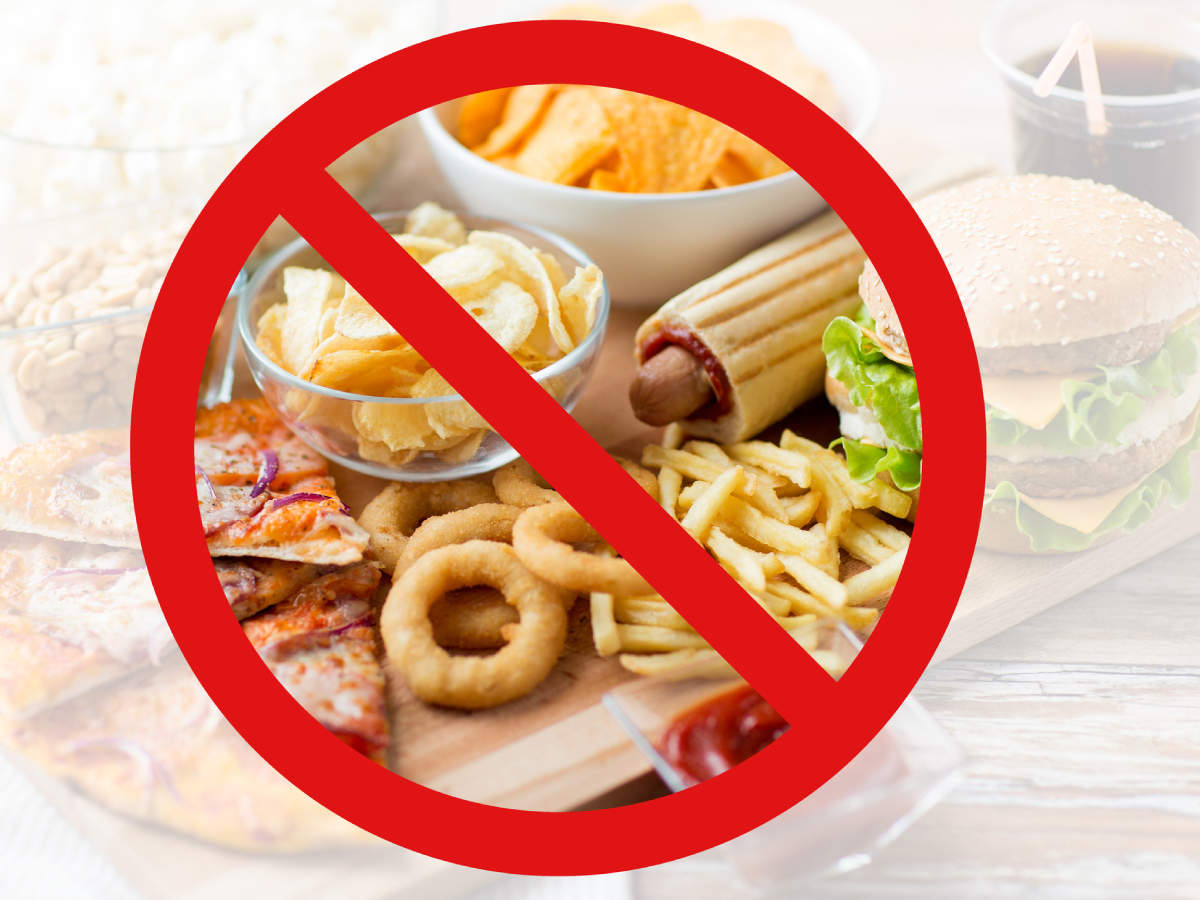
How To Stop Eating Fast
Do you find yourself constantly rushing through meals, barely giving your body a chance to digest? Eating fast has become an all-too-common habit in our fast-paced world, but it can have serious consequences for our digestion, weight, and overall health. In this article, we will explore the impact of fast eating on digestion and overeating, identify the causes of this habit, and provide practical tips for developing mindful eating practices, creating a supportive eating environment, and incorporating slower eating techniques. Let’s dive in!
The Impact of Fast Eating on Digestion
Digestion is a complex process that begins as soon as we put food into our mouths. When we eat too quickly, we don’t give our bodies enough time to properly break down and absorb nutrients from the food we consume. This can lead to digestive issues such as indigestion, bloating, and nutrient deficiencies.
Furthermore, eating fast often means swallowing larger pieces of food, which makes it harder for our stomachs to break down. This can put a strain on our digestive system and lead to discomfort and even acid reflux. In contrast, when we eat slowly, we allow our bodies to properly chew and digest our food, which promotes optimal nutrient absorption and overall digestive health.
The Connection Between Fast Eating and Overeating
Have you ever noticed that when you eat quickly, you tend to eat more than you actually need? This is because it takes our bodies around 20 minutes to signal to our brain that we are full. When we eat fast, we can easily surpass this 20-minute mark, leading to overeating and unnecessary calorie consumption.
Moreover, eating quickly often means we don’t fully register the taste, texture, and satisfaction of our meals. As a result, we may not feel as satisfied and end up seeking more food even when we are physically full. By slowing down our eating pace, we can tune in to our body’s signals of hunger and fullness, which can help prevent overeating and promote a healthier relationship with food.
The Relationship Between Eating Fast and Weight Gain
It’s no surprise that eating fast can contribute to weight gain. The aforementioned connection between fast eating and overeating naturally leads to excess calorie intake, which can result in weight gain over time. Additionally, eating fast doesn’t give our bodies enough time to register that we are full, making it more likely for us to continue eating past the point of satiety.
Furthermore, fast eating has been linked to an increased risk of obesity. A study published in the British Medical Journal found that faster eaters were more likely to be overweight or obese compared to slower eaters. By slowing down our eating pace, we can potentially prevent weight gain and maintain a healthy weight.
Identifying the Causes of Eating Fast
Understanding the underlying causes of fast eating is crucial in order to break this harmful habit. There are several external and psychological factors that can contribute to the tendency to eat quickly, as well as unhealthy habits that promote fast eating.
External Factors that Encourage Fast Eating
Our busy lifestyles often push us to prioritize quick and convenient meals. Whether it’s grabbing a burger on the go or eating in front of our screens, these external factors can encourage us to eat fast without paying attention to our body’s cues.
Additionally, eating in social settings where others eat quickly can also influence our own eating pace. When we’re surrounded by fast eaters, it’s easy to get caught up in the rush and finish our meals quickly as well.
Psychological Factors that Contribute to Fast Eating
Psychological factors such as stress, anxiety, and emotional eating can also play a significant role in our eating habits. When we are stressed or anxious, we may turn to food as a source of comfort and consume it quickly without fully enjoying or tasting it.
Moreover, distractions such as watching TV, using our smartphones, or working while eating can lead to mindless eating and fast consumption. By addressing these psychological factors and creating a mindful eating practice, we can cultivate a healthier and more sustainable relationship with food.
Unhealthy Habits that Promote Eating Fast
Certain habits can promote fast eating without us even realizing it. For instance, eating while standing or on the go can encourage us to consume food quickly without savoring each bite. Similarly, skipping meals or waiting until we are extremely hungry can lead to ravenous eating, where we devour our food rapidly.
It’s important to recognize and break these unhealthy habits in order to adopt a slower and more mindful approach to eating.

Developing Mindful Eating Practices
Now that we understand the consequences and causes of fast eating, it’s time to explore practical ways to develop mindful eating practices. Mindful eating is the act of being fully present and attentive to our eating experience, allowing us to better enjoy our food, recognize our body’s hunger and fullness cues, and ultimately make healthier choices.
Understanding the Concept of Mindful Eating
Mindful eating involves engaging all of our senses while eating. It means taking the time to appreciate the sight, smell, taste, and texture of our food. By focusing on the present moment and savoring each bite, we can develop a deeper connection with our food and break the cycle of fast eating.
Techniques to Cultivate Mindful Eating
One simple technique to cultivate mindful eating is to eat without distractions. Set aside dedicated time for your meals and make it a habit to eat in a calm and quiet environment. Turn off the TV, put away your smartphone, and create a peaceful atmosphere that promotes mindful and intentional eating.
Another technique is to practice portion control. By measuring out appropriate portions and serving your food on smaller plates and bowls, you can help train your brain to recognize appropriate portions and avoid overeating.
Benefits of Incorporating Mindful Eating Habits
Incorporating mindful eating habits can have numerous benefits. Not only does it promote better digestion and nutrient absorption, but it also helps prevent overeating and weight gain. Additionally, mindful eating can enhance our overall enjoyment of food and promote a healthier relationship with eating.
Creating a Supportive Eating Environment
The environment in which we eat plays a substantial role in our eating habits. By creating a supportive eating environment, we can set ourselves up for success in breaking the fast eating cycle.
The Role of Surroundings in Eating Habits
Our surroundings can heavily influence our eating habits. If we’re constantly surrounded by fast food restaurants and unhealthy snack options, it becomes much harder to resist the temptation to eat quickly and unhealthily.
On the other hand, if we strive to create an environment that promotes healthier eating, we can reinforce our commitment to slowing down and making nutritious choices.
Tips to Establish a Calm and Distraction-Free Eating Space
To create a calm and distraction-free eating space, start by decluttering your dining area. Remove any distractions such as work-related papers or electronic devices that may divert your attention from your meal.
Next, consider the aesthetics of your eating space. Surround yourself with positive images and colors that promote relaxation and enjoyment. Additionally, playing soft background music or lighting candles can help create a soothing atmosphere.
How to Utilize Technology to Promote Slower Eating
While technology can often be a distraction during meals, it can also be used to promote slower eating. There are various apps available that guide you through mindful eating exercises, provide mealtime reminders, and even help you track your chewing time. By utilizing these resources, you can harness the power of technology to support your journey towards slower and more mindful eating.

Practicing Portion Control and Slower Eating Techniques
Portion control and slower eating techniques go hand in hand when it comes to breaking the fast eating habit. By focusing on smaller portion sizes and incorporating specific techniques into your eating routine, you can gradually train yourself to eat slower and more mindfully.
Using Smaller Plates and Utensils
Research has shown that using smaller plates and utensils can trick our brains into perceiving smaller portions as more substantial. By visually filling up a smaller plate, we can feel more satisfied with less food. Similarly, using smaller utensils can help slow down our eating pace and encourage us to savor each bite.
Chewing Thoroughly and Savoring Each Bite
One of the simplest and most effective techniques for slowing down our eating pace is to chew our food thoroughly and savor each bite. Chewing not only aids digestion but also allows us to fully appreciate the flavors and textures of our meals. Aim to chew each bite 20-30 times before swallowing to give your body ample time to register fullness.
Incorporating Slow Eating Strategies into Meal Preparation
Meal preparation plays a crucial role in promoting slower eating habits. When cooking, choose ingredients that require more time and effort to chew, such as whole grains, lean proteins, and fibrous vegetables. By incorporating these slower eating strategies into your meal preparation, you can encourage a more mindful and deliberate eating experience.
Creating a Balanced and Nutritious Meal Plan
A balanced and nutritious meal plan is essential for maintaining overall health and well-being. By designing meals that provide sustained energy and long-lasting fullness, we can prevent the urge to eat fast and avoid unhealthy snacking between meals.
Understanding the Importance of Balanced Nutrition
A balanced meal should include a variety of macronutrients, including lean proteins, healthy fats, and complex carbohydrates. These nutrients provide our bodies with the energy and essential building blocks they need to function optimally. By ensuring that each meal contains a balance of these macronutrients, we can promote better satiety and avoid the need to eat fast.
Designing Meals that Provide Sustained Energy
To design meals that provide sustained energy, aim to include foods that have a low glycemic index (GI). Low GI foods, such as whole grains, legumes, and non-starchy vegetables, are digested and absorbed more slowly, resulting in a gradual release of energy. This helps prevent spikes and crashes in blood sugar levels, which can lead to cravings and the tendency to eat quickly.
Incorporating Foods that Promote Long-lasting Fullness
Certain foods are known to promote long-lasting fullness, which can help prevent the urge to eat quickly. Protein-rich foods, such as lean meats, poultry, fish, tofu, and legumes, are particularly effective at promoting satiety. Similarly, fiber-rich foods, such as fruits, vegetables, whole grains, and nuts, can help keep you feeling full for longer periods of time. By incorporating these foods into your meals, you can reduce the desire to eat fast and maintain a more balanced, sustainable eating pattern.

Utilizing Meal Prepping for Slower Eating
Meal prepping is a practice that involves preparing meals or ingredients ahead of time. This can be a valuable technique in slowing down your eating pace and fostering mindful eating habits.
Benefits of Meal Prepping in Slowing Down Eating
Meal prepping allows you to plan your meals in advance, which reduces the need to rush through cooking and leads to a more deliberate and enjoyable eating experience. By preparing and portioning your meals ahead of time, you can take the pressure off making last-minute decisions and allow yourself to truly savor each bite.
Meal Prepping Strategies to Enhance Mindfulness
When meal prepping, consider incorporating foods and recipes that require more time and effort to prepare. For example, choose whole grains that need to be soaked or cooked for longer periods, or opt for slow-cooker recipes that develop rich flavors over several hours of cooking. By utilizing these strategies, you can enhance mindfulness during your meals and create a more enjoyable eating experience.
How Meal Prepping Promotes Healthy Eating Habits
Meal prepping promotes healthy eating habits by providing a structured and intentional approach to your meals. When you have pre-prepared and portioned meals readily available, you are more likely to make healthier choices and consume your meals at a slower pace. Additionally, meal prepping can save time, reduce stress, and prevent impulsive food choices that often lead to fast and unhealthy eating.
Managing Emotional Eating and Food Cravings
Emotional eating and food cravings are common triggers for fast eating. Learning to manage these triggers is key in developing a healthier relationship with food and breaking the fast eating cycle.
Identifying Triggers for Emotional Eating
The first step in managing emotional eating is to identify your personal triggers. Pay attention to the situations, emotions, or events that tend to lead you towards mindless or emotional eating. By recognizing these triggers, you can begin to implement healthier coping mechanisms and break the cycle of fast eating.
Strategies to Distinguish Between Physical Hunger and Emotional Cravings
It’s important to learn to distinguish between physical hunger and emotional cravings. Physical hunger is a natural biological response, while emotional cravings are often driven by feelings of stress, boredom, or sadness. Pause before reaching for food and ask yourself if you are truly hungry or if you are seeking food as a way to distract or comfort yourself.
One practical technique is to rate your hunger on a scale of 1 to 10. If your hunger level is below a 5, try engaging in a non-food related activity that brings you joy or relaxation, such as taking a walk, reading a book, or practicing deep breathing exercises.
Implementing Healthy Coping Mechanisms for Dealing with Emotional Eating
When you feel the urge to eat due to emotional reasons, try implementing healthier coping mechanisms. Find alternative activities that can help you manage stress or deal with negative emotions. These may include journaling, practicing mindfulness or meditation, talking to a supportive friend or family member, or engaging in a hobby or activity that brings you joy. By incorporating these healthy coping mechanisms, you can break the cycle of emotional eating and create a healthier relationship with food.

Seeking Support and Accountability
Changing eating habits can be challenging, but having support and accountability is essential in making lasting improvements. Whether it’s finding a partner or joining a support group, seeking support can greatly enhance your efforts in breaking the fast eating habit.
Importance of Supportive Relationships in Changing Eating Habits
Supportive relationships play a crucial role in changing eating habits. Whether it’s a close friend, family member, or mentor, having someone who understands your goals and supports your journey can provide both emotional and practical support. They can offer encouragement, accountability, and share their own experiences and tips for success.
Finding Accountable Partners or Support Groups
Consider finding an accountable partner or joining a support group focused on healthier eating habits. Having someone to check in with regularly and share your progress and challenges can help keep you motivated and accountable. Additionally, support groups provide a sense of community and the opportunity to learn from others who are on a similar path.
The Role of Professional Help in Overcoming Eating Fast
If you find yourself struggling to break the fast eating habit on your own, don’t hesitate to seek professional help. Registered dietitians or therapists specializing in eating disorders can provide personalized guidance and support tailored to your specific needs. They can help you address any underlying emotional or psychological factors contributing to fast eating and develop a customized plan to overcome this habit.
Conclusion
Eating fast is a habit that can have negative consequences on our digestion, weight, and overall health. By understanding the impact of fast eating, identifying the causes, and implementing practical strategies, we can break the cycle and develop healthier eating habits.
By cultivating mindful eating practices, creating a supportive eating environment, practicing portion control and slower eating techniques, designing balanced and nutritious meal plans, utilizing meal prepping, managing emotional eating and food cravings, seeking support and accountability, we can stop eating fast and promote a healthier relationship with food.
Remember, change takes time and effort, so be patient and kind to yourself throughout this journey. With dedication and persistence, you can break free from the fast eating habit and prioritize your well-being. Happy, slow eating!
Binging At Night

Do you ever find yourself reaching for your favorite snacks late at night while binge-watching your favorite TV show? We’ve all been there! Late-night snacking, or what we like to call “content binging at night,” is a common habit that many of us struggle with. But have you ever wondered why you crave food during those late hours? In this article, we’ll explore the reasons behind nocturnal snacking and how it can affect your health. So, grab a cup of tea and get ready to dive into the world of content binging at night!
Late-night snacking is often driven by a combination of factors, including boredom, stress, and habit. After a long day, you might find yourself seeking comfort in food as a way to relax and unwind. However, this habit can have negative consequences on your health. Consuming high-calorie snacks and sugary treats late at night can lead to weight gain and disrupted sleep patterns. Additionally, eating heavy meals before bed can cause digestive issues and increase the likelihood of acid reflux. Don’t worry, though! In the next article, we’ll provide you with some tips and tricks to help you curb those late-night cravings and create healthier eating habits. Stay tuned for more!

Binging At Night
Late-night binging can often seem like an irresistible temptation, as the day winds down and cravings for unhealthy snacks and comfort foods kick in. However, indulging in excessive eating during nighttime hours can have significant implications for your overall health and well-being. In this article, we will explore the reasons behind nighttime binging, its impact on your overall health, and provide strategies to recognize, break, and replace these unhealthy patterns.
Defining Binging At Night
Binging at night refers to the act of consuming a large amount of food in a short period, typically during the late evening or before bed. This behavior is often characterized by mindless eating, consuming foods high in calories, sugar, and fat, and feeling a loss of control during these episodes.
Why People Engage In Binging At Night
Understanding why individuals engage in nighttime binging is crucial to addressing these behaviors. Several factors contribute to this behavior, including emotional triggers, stress, and boredom. It’s essential to acknowledge that everyone’s reasons for engaging in nighttime binging can vary. However, identifying these underlying causes is key to finding healthier alternatives.
The Impact of Binging At Night on Overall Health
Binging at night can have detrimental effects on your overall health and well-being. Let’s explore some of the key areas where these impacts occur.
Impact of Excessive Calorie Intake on Weight Gain
Consuming excessive calories during nighttime binging can contribute to weight gain. Late-night snacks and meals are often packed with unhealthy ingredients, such as refined sugars and saturated fats. These can lead to increased calorie intake, making it harder to maintain a healthy weight.
Disrupted Sleep Patterns Due to Late-Night Binging
Nighttime binging disrupts your normal sleep patterns. Consuming large quantities of food before bed can lead to discomfort, indigestion, and poor-quality sleep. This can leave you feeling groggy and tired the following day, affecting your overall productivity and well-being.
Psychological Consequences of Nighttime Binging
Engaging in nighttime binging can have severe psychological consequences. Feelings of guilt, shame, and a loss of control tend to follow these episodes, leading to a negative relationship with food. This can contribute to the development of unhealthy eating habits and even eating disorders.
Recognizing and Breaking Nighttime Binging Patterns
Recognizing and breaking nighttime binging patterns is crucial for improving your overall health and well-being. Let’s explore some strategies to help identify triggers and patterns associated with nighttime binging.
Identifying Triggers and Patterns of Nighttime Binging
Keep a food diary to track when and why you engage in nighttime binging. Look for patterns and identify potential triggers, such as specific emotions, stressful situations, or certain activities that lead to these episodes. Awareness of these triggers allows you to develop strategies to address them effectively.
Developing Strategies to Prevent Nighttime Binging
Once you have identified your triggers, develop strategies to prevent nighttime binging. Incorporate healthy habits into your evening routine, such as practicing mindfulness, engaging in relaxation techniques, or finding alternative activities to distract yourself from cravings. Stock your pantry with healthier snack options, allowing you to make conscious choices when cravings strike.
Seeking Professional Help to Address Underlying Issues
If nighttime binging is a persistent issue for you, seeking professional help can be beneficial. Consulting with a registered dietitian or therapist can provide the necessary support and guidance to address underlying emotional issues contributing to your nighttime binging. They can help you develop a personalized plan to break these patterns and establish healthier eating behaviors.
Healthy Alternatives to Nighttime Binging
Replacing nighttime binging with healthier alternatives is essential for improving your overall health. Here are some strategies to implement:
Implementing Mindful Eating Practices
Practice mindful eating by paying attention to your body’s hunger and fullness cues. Slow down while eating, savoring each bite, and being fully present during your meals. This mindful approach helps you develop a healthier relationship with food and prevents excessive eating during nighttime hours.
Creating a Balanced and Satisfying Evening Meal
Ensure your evening meal is balanced and satisfying, providing adequate nutrition and preventing excessive hunger later in the night. Include lean proteins, whole grains, and a variety of vegetables to create a satisfying and nourishing meal. This approach reduces the likelihood of succumbing to late-night cravings.
Incorporating Healthy Late-Night Snack Options
If you find yourself craving a late-night snack, opt for healthier alternatives. Choose snacks that are high in protein, such as Greek yogurt, cottage cheese, or a handful of nuts. These options provide sustained energy and help keep you satisfied until morning.
Establishing a Consistent Eating Routine
Establishing a consistent eating routine is vital for managing nighttime binging. Consistent meal times and planned snacks help regulate your hunger cues and prevent mindless eating. Here’s how you can create a structured eating routine:
The Importance of Regular Mealtimes for Reducing Binging
Having regular mealtimes helps ensure that you are appropriately fueled throughout the day. This reduces the likelihood of intense hunger and excessive eating during nighttime hours. Aim for three balanced meals and two to three planned snacks each day, spacing them evenly throughout the day.
Creating Structure and Planning Meals in Advance
Plan your meals and snacks in advance to create a sense of structure and prevent impulsive decisions. Prepare your meals ahead of time or have a variety of healthy options readily available to avoid reaching for unhealthy choices during nighttime binging episodes.
Understanding the Role of Fasting in Managing Nighttime Binging
Intermittent fasting is a popular approach that can help manage nighttime binging. This eating pattern involves restricting your eating window to a specific number of hours each day. However, it is essential to approach fasting with caution and seek guidance from a healthcare professional to ensure it aligns with your individual needs.
Seeking Support and Accountability
Finding support and accountability is crucial when working towards breaking nighttime binging patterns. Here are some ways to seek support:
Joining a Support Group or Community
Find a support group or community that shares your goals and experiences. Engaging with others who understand your struggles can provide valuable insights, encouragement, and motivation on your journey towards healthier eating habits.
Engaging in Therapy or Counseling
If nighttime binging is deeply rooted in emotional issues, therapy or counseling can be incredibly beneficial. Working with a mental health professional allows you to address these underlying emotional challenges and develop healthy coping mechanisms to replace nighttime binging behaviors.
Utilizing Mobile Apps or Online Tools for Tracking Progress
Use mobile apps or online tools to track your progress, monitor your eating habits, and celebrate your achievements. These tools help create a sense of accountability and provide valuable data to identify areas for improvement.
Taking Care of Mental and Emotional Well-being
Managing your mental and emotional well-being is essential for overcoming nighttime binging. Here are some strategies to prioritize your mental health:
Managing Stress Through Relaxation Techniques
Practice relaxation techniques such as deep breathing, meditation, or yoga to manage stress levels. These practices help calm your mind and reduce the likelihood of turning to food for comfort during stressful times.
Developing Healthy Coping Mechanisms
Instead of relying on food as a coping mechanism, develop alternative strategies to deal with emotions. Engage in activities that bring you joy, such as reading, listening to music, or spending time in nature. These healthier coping mechanisms provide a sense of fulfillment without turning to unhealthy late-night snacks.
Addressing Underlying Emotional Issues
If nighttime binging is driven by emotional issues, seek professional help to address and work through these challenges. Therapy or counseling can provide valuable insights and strategies to address underlying emotional issues and support your journey towards healthier eating habits.
Creating a Sleep-Friendly Environment
Establishing a sleep-friendly environment is crucial for managing nighttime binging and improving sleep quality. Here are some strategies to incorporate into your bedtime routine:
Establishing a Bedtime Routine
Implement a consistent bedtime routine to signal to your body that it’s time to wind down and prepare for sleep. Engage in relaxing activities before bed, such as reading a book, taking a warm bath, or practicing gentle stretching or yoga.
Implementing Sleep Hygiene Practices
Practice good sleep hygiene by creating a sleep-conducive environment. Ensure your bedroom is cool, dark, and quiet. Avoid stimulating activities or electronic devices close to bedtime, as they can interfere with your ability to fall asleep.
Managing Sleep Disruptions Caused by Binging
If late-night binging disrupts your sleep, take steps to prevent further sleep disruptions. Avoid consuming large meals within a few hours of bedtime and opt for lighter, easily digestible snacks if necessary. This can help minimize discomfort and promote better sleep quality.
Conclusion
Binging at night may seem like an innocent indulgence, but its detrimental effects on your overall health cannot be ignored. By understanding the reasons behind nighttime binging, recognizing and breaking these patterns, implementing healthier alternatives, establishing consistent eating routines, seeking support and accountability, taking care of your mental and emotional well-being, and creating a sleep-friendly environment, you can prioritize your overall well-being and make positive changes to your eating habits.
Remember, breaking nighttime binging habits takes time and effort, but with perseverance, you can develop a healthier relationship with food and achieve your goals of fasting and maintaining a balanced, nutritious diet throughout the day and night.
Stop Eating At Night

Do you often find yourself snacking late at night? Maybe you can’t resist the temptation of a bag of chips while watching your favorite TV show, or perhaps you crave a sweet treat before bed. Whatever the reason, eating at night can be a difficult habit to break. But did you know that it could actually be affecting your health? In this article, we’ll explore the reasons why you should consider stopping this nighttime eating habit and how it can benefit your overall well-being. So, grab a cup of tea and settle in, because you’re about to learn more about the importance of avoiding late-night munchies.
Late-night snacking can lead to a range of health issues, such as weight gain, digestive problems, and poor sleep quality. When you eat right before bed, your body doesn’t have enough time to digest the food properly, which can disrupt your sleep and leave you feeling bloated and uncomfortable. Additionally, the types of food typically consumed at night tend to be high in calories, sugar, and unhealthy fats, which can contribute to weight gain over time. By breaking the habit of eating at night, you can not only improve your digestion and sleep patterns but also take a step towards maintaining a healthier weight. So, if you’re ready to learn more about how to curb those late-night cravings and foster healthier eating habits, keep reading our article for all the tips and tricks you need.
Stop Eating At Night
Do you find yourself constantly snacking late at night? Have you ever wondered how this habit might be affecting your digestion, weight management, and sleep quality? In this article, we will explore the impacts of eating at night, the benefits of refraining from nighttime eating, and provide you with practical tips to break this habit. By understanding the negative effects of eating at night and implementing healthier alternatives, you can take control of your nighttime eating habits and improve your overall health and well-being.
Impacts on Digestion
One of the key reasons to stop eating at night is its negative impact on digestion. When we consume food close to bedtime, our body’s digestive processes are still active while we sleep, which can lead to discomfort and disrupted sleep patterns. The body requires time to fully digest a meal and breaking this natural process can hamper the functioning of our digestive system.
Weight Management
Another important aspect to consider when it comes to nighttime eating is its impact on weight management. Consuming calories late at night, when our activity levels are low, can result in weight gain. The body’s metabolism slows down during sleep, meaning that any excess calories consumed during this time are more likely to be stored as fat. By refraining from eating at night, you can promote a healthy weight and support your body’s natural metabolic processes.
Improved Sleep
Eating at night can also disrupt our circadian rhythm, which is our body’s internal clock that regulates our sleep-wake cycle. When we consume food close to bedtime, our body has to work harder to digest it, leading to increased wakefulness and difficulty falling asleep. By avoiding nighttime eating, you can promote a more restful and rejuvenating sleep, ensuring that you wake up feeling refreshed and energized.
Disrupted Circadian Rhythm
One of the immediate effects of eating at night is the disruption of our natural circadian rhythm. Our body’s internal clock regulates various physiological functions, including our sleep-wake cycle. Late-night eating can confuse this internal clock, leading to difficulty falling asleep and waking up feeling groggy. By refraining from eating at night, you can help regulate your circadian rhythm and promote better overall sleep quality.
Increased Risk of Obesity
Numerous studies have shown a strong association between nighttime eating and obesity. When we consume excess calories late at night, our body’s ability to metabolize these calories effectively diminishes. Additionally, late-night eating often involves consuming high-calorie and unhealthy foods, such as snacks and sweets. By avoiding nighttime eating, you can reduce your risk of obesity and support your weight management goals.
Digestive Issues
Eating at night can also contribute to digestive issues, such as indigestion and heartburn. These symptoms commonly occur when we lie down to sleep after a heavy meal, as the horizontal position can cause stomach acid to flow back into the esophagus. By giving your body ample time to digest meals before lying down, you can minimize the occurrence of these uncomfortable digestive issues and promote better overall digestion.
Enhanced Metabolism
One of the key benefits of not eating at night is the potential for an enhanced metabolism. When we consume food during the day, our body has ample time to digest and metabolize it effectively. By refraining from eating at night, we give our body a break from digestion, allowing it to focus on other essential processes, such as repairing and rejuvenating cells. This can lead to improved overall metabolic function and increased energy levels.
Increased Energy Levels
By avoiding nighttime eating, you can also experience increased energy levels throughout the day. When we consume food late at night, our body has to divert its energy towards digestion, which can leave us feeling sluggish and tired during the day. By giving your body a break from nighttime eating, you allow for optimal energy utilization, resulting in increased vitality and focus.
Reduced Indigestion and Heartburn
If you experience frequent indigestion or heartburn, avoiding nighttime eating may offer relief. When we lie down to sleep after consuming a heavy meal, stomach acid can easily flow back into the esophagus, leading to discomfort and a burning sensation. By refraining from eating at night and allowing ample time for digestion before lying down, you can minimize the occurrence of these symptoms and promote better digestive health.
Establishing a Regular Eating Schedule
To avoid nighttime eating, it is important to establish a regular eating schedule. Aim to have your last meal at least two to three hours before bedtime to ensure adequate time for digestion. By setting a consistent mealtime routine, you can train your body to expect food during specific hours, reducing the likelihood of late-night cravings.
Creating a Relaxing Bedtime Routine
Another effective strategy to avoid nighttime eating is to create a relaxing bedtime routine. Engaging in calming activities, such as taking a warm bath, reading a book, or practicing gentle stretching exercises, can help divert your attention away from food cravings. By establishing a routine that promotes relaxation and stress reduction, you encourage a healthier mindset around nighttime eating.
Avoiding Trigger Foods
Identifying and avoiding trigger foods can also help you break the habit of nighttime eating. These are foods that you find difficult to resist and are more likely to snack on in the evening. By keeping trigger foods out of your pantry and replacing them with healthier alternatives, you can reduce the temptation to indulge in late-night snacking.
Differentiating Physical and Emotional Hunger
Understanding the difference between physical and emotional hunger is crucial when it comes to breaking the habit of nighttime eating. Physical hunger arises from a genuine need for nourishment, whereas emotional hunger is driven by factors such as stress, boredom, or comfort-seeking. By practicing mindful eating and learning to listen to your body’s hunger cues, you can differentiate between physical and emotional hunger, making healthier choices for your well-being.
Mindful Eating Practices
Incorporating mindful eating practices can also help you avoid nighttime eating. This involves being present and fully engaged with your food, paying attention to its taste, texture, and aroma. By slowing down and savoring each bite, you can cultivate a deeper appreciation for food and reduce mindless snacking, especially during late hours.
Listening to your Body’s Signals
Allowing your body to guide your eating habits is essential when it comes to avoiding nighttime eating. By tuning in to the signals of hunger and fullness, you can eat when you genuinely need nourishment and stop when you are satisfied. This mindful approach to eating ensures that you are eating in alignment with your body’s needs, promoting a healthier relationship with food.
Hydrating with Herbal Tea
When nighttime cravings strike, opt for hydrating with herbal tea instead of reaching for snacks. Herbal teas, such as chamomile or peppermint, not only provide a comforting and warm beverage but can also help reduce hunger pangs. Additionally, staying hydrated throughout the evening can help curb unnecessary snacking and promote overall well-being.
Engaging in Relaxing Activities
Engaging in relaxing activities can help distract you from nighttime snacking. Instead of reaching for food, try engaging in hobbies such as reading, practicing yoga, or even taking a leisurely stroll. By redirecting your attention towards enjoyable and calming activities, you can break the habit of nighttime eating and promote healthier habits.
Preparing Healthy Snacks in Advance
To avoid the temptation of reaching for unhealthy snacks at night, prepare healthy snacks in advance. Keep a stock of pre-cut fruits and vegetables, hummus, or homemade energy balls in your refrigerator for those moments when you need a light snack. By having nutritious options readily available, you can satisfy your cravings while nourishing your body with wholesome ingredients.
Overcoming Cravings
Cravings can be a significant challenge when it comes to breaking the habit of nighttime eating. To overcome cravings, it can be helpful to identify the trigger behind the craving and find alternative ways to address it. For example, if stress is a common trigger, you can try practicing stress reduction techniques, such as deep breathing or meditation. By addressing the root causes of cravings, you can better manage them without resorting to nighttime snacking.
Dealing with Social Pressures
Social pressures can also make it difficult to avoid nighttime eating. Family gatherings, dinner invitations, or late-night outings with friends often involve consuming food after regular meal hours. In such situations, it is important to communicate your preferences and goals to your loved ones, seeking their support. By expressing your desire to avoid nighttime eating, you can navigate social situations in a way that aligns with your health goals.
Finding Support and Accountability
Having support and accountability can greatly increase your chances of success in breaking the habit of nighttime eating. Consider joining a support group or seeking the guidance of a health professional who can provide you with personalized advice and encouragement. By surrounding yourself with like-minded individuals and professionals, you can stay motivated and committed to your goals.
Individual Differences and Needs
It is essential to remember that everyone’s needs and circumstances are unique. Some individuals may have specific health conditions or dietary requirements that warrant nighttime eating. It is important to listen to your body and consult with a healthcare professional to determine the eating schedule that works best for you.
Medical Conditions or Medication Interactions
Certain medical conditions or medications may require individuals to eat at night. If you have a specific medical condition or are taking medication that affects your dietary needs, consult with your healthcare provider to develop an eating plan that supports your health while minimizing the negative effects of nighttime eating.
Balancing Nutritional Requirements
While avoiding nighttime eating can have numerous benefits, it is important to ensure that you are still meeting your nutritional requirements. Plan your meals strategically throughout the day to ensure you are consuming a balanced and varied diet. Include all essential macronutrients, such as protein, carbohydrates, and healthy fats, in your meals to support optimal health.
Balanced Macronutrient Combinations
When planning meals, focus on incorporating balanced macronutrient combinations. This includes including a source of protein, such as lean meat, fish, or plant-based alternatives, along with complex carbohydrates and healthy fats. These combinations provide sustained energy and help promote satiety, reducing the likelihood of late-night cravings.
Light and Easy-to-Digest Options
If you are hungry before bed, opt for light and easy-to-digest options that won’t interfere with your sleep or digestion. Consider having a small serving of Greek yogurt with fresh berries, a handful of nuts, or a warm bowl of vegetable soup. These options provide nourishment without burdening your digestive system.
Incorporating Nutrient-dense Ingredients
Lastly, when avoiding nighttime eating, it is important to focus on incorporating nutrient-dense ingredients into your meals. Choose fresh fruits and vegetables, whole grains, and lean sources of protein to ensure you are nourishing your body with essential vitamins, minerals, and antioxidants.

Conclusion
Taking control of your nighttime eating habits can have profound effects on your overall health and well-being. By understanding the negative impacts of eating at night and implementing healthier alternatives, you can support your digestion, manage your weight, and promote better sleep. Consider the benefits outlined in this article, implement the provided strategies, and make informed choices that optimize your health and nutrition. Remember, breaking the habit of nighttime eating is a journey, and with the right mindset and support, you can achieve your goals for a healthier lifestyle.
Eat stop Eat

