How To Stop Being Hungry At Night

Do you ever find yourself raiding the pantry late at night, searching for a snack to satisfy those midnight cravings? If so, you’re not alone. Many people struggle with nighttime hunger, often sabotaging their efforts to eat healthily and maintain a balanced diet. But fear not, because there are strategies you can employ to curb those hunger pangs and prevent late-night snacking. In this article, we will explore some practical tips and tricks to help you stop being hungry at night and get a better handle on your nighttime cravings.
When it comes to late-night hunger, it’s essential to start by examining your daily eating habits. Are you consuming enough nutrients and calories throughout the day? Oftentimes, hunger in the evening is a sign that your body hasn’t been properly fueled. Aim to eat balanced meals that include a good mix of protein, healthy fats, and carbohydrates. Additionally, make sure you’re drinking enough water throughout the day, as dehydration can sometimes be mistaken for hunger. In this article, we will dive deeper into the importance of fueling your body properly and provide you with a range of strategies to help stave off hunger at night. So if you’re tired of having your late-night cravings derail your healthy eating efforts, keep reading to discover some helpful tips and tricks to conquer those nighttime munchies.

How To Stop Being Hungry At Night
Understanding the relationship between hunger and night time
Late-night hunger can be a frustrating and challenging issue to overcome, especially when it disrupts your sleep and affects your overall well-being. Understanding the reasons behind late-night hunger and how it is linked to our sleep patterns is the first step in finding a solution. By exploring the impact of sleep on hunger hormones and developing a healthy bedtime routine, you can effectively manage night-time hunger and ensure a restful night’s sleep.
Exploring the reasons behind late-night hunger
Late-night hunger can stem from a variety of factors, ranging from physiological to psychological. One reason behind this phenomenon is our body’s natural circadian rhythm, which includes a decrease in metabolism during the evening hours. Additionally, our evolutionary history plays a role, as our ancestors would often eat before bed to ensure they had enough energy for the next day.
Furthermore, our modern lifestyles and habits contribute to late-night hunger. Irregular eating patterns, skipped meals, or inadequate calorie intake throughout the day can send hunger signals to our brain, urging us to seek out food at night. Stress and emotional triggers can also lead to nighttime overeating, as we seek comfort and distraction from our emotions.
The impact of sleep on hunger hormones
Sleep has a direct influence on our hunger hormones, which can affect our appetite and cravings during the night. Ghrelin, the hormone responsible for stimulating hunger, increases when we are sleep-deprived. On the other hand, leptin, the hormone that signals fullness, decreases when we lack adequate sleep. This hormonal imbalance can lead to increased hunger and overeating, especially during the late hours.
To counteract this hormonal effect, it is crucial to prioritize a good night’s sleep. By developing a healthy bedtime routine and creating a sleep-friendly environment, you can improve the quality and duration of your sleep, thereby reducing late-night hunger cravings.
Developing a healthy bedtime routine
Creating a relaxing evening routine
An essential component of managing nighttime hunger is to establish a relaxing evening routine. Engaging in calming activities, such as reading a book, taking a warm bath, or practicing relaxation exercises, can help signal to your body that it is time to wind down and prepare for sleep. By incorporating these activities into your evening routine, you are less likely to succumb to late-night cravings.
Avoiding stimulating activities before bed
Stimulating activities, such as watching television, using electronic devices, or engaging in intense exercise, should be avoided in the hours leading up to bedtime. These activities can disrupt your sleep patterns and interfere with the production of melatonin, the hormone responsible for regulating your sleep-wake cycle. Instead, opt for soothing activities and create a quiet, peaceful atmosphere in your bedroom to promote a restful night’s sleep.
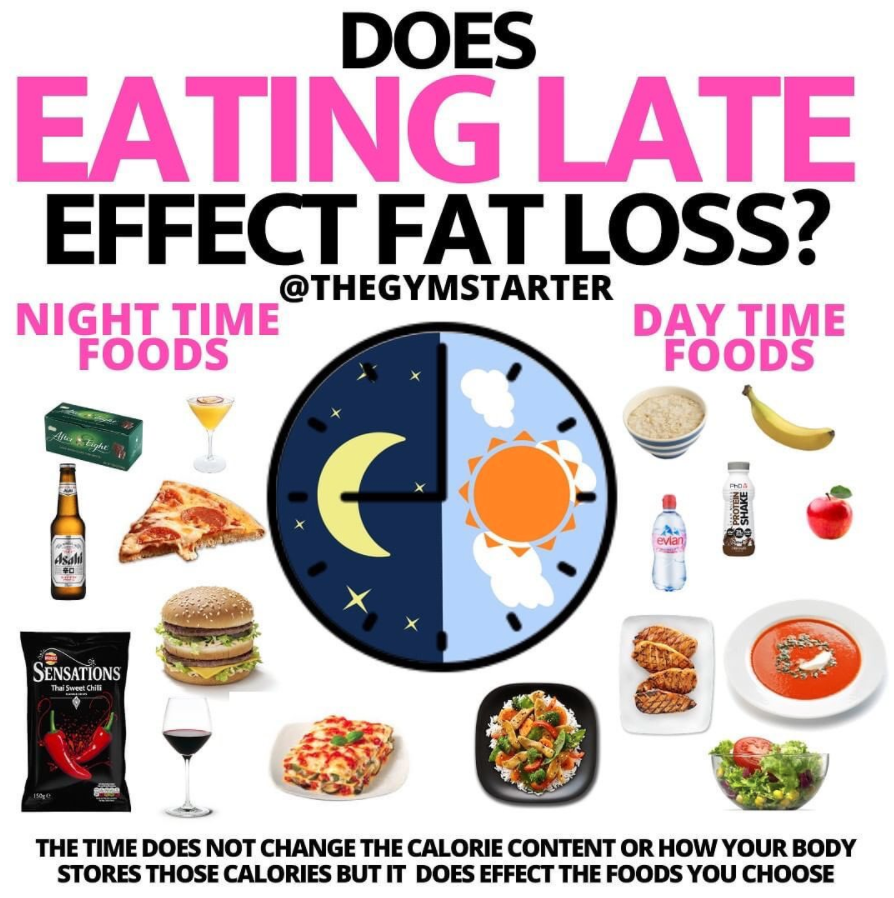
Balancing meals and snacks throughout the day
To effectively manage late-night hunger, it is crucial to balance your meals and snacks throughout the day to ensure adequate calorie intake and stable blood sugar levels. By following a few simple guidelines for breakfast, lunch, and snacks, you can nourish your body and prevent excessive hunger in the evening.
Eating a nutritious breakfast to fuel your day
Start off your day with a nutritious breakfast that includes a mix of protein, whole grains, and healthy fats. This combination will provide you with sustained energy and keep you feeling satisfied until lunchtime. Consider options such as oatmeal with berries and nuts, a vegetable omelette with whole wheat toast, or a smoothie packed with fruits, vegetables, and a scoop of protein powder.
Choosing satisfying and balanced lunch options
For lunch, opt for a balanced meal that incorporates lean protein, complex carbohydrates, and plenty of vegetables. This combination will help keep your hunger at bay and prevent cravings later in the day. Some suggestions for lunch include grilled chicken salad with quinoa, brown rice stir-fry with tofu and vegetables, or a whole wheat wrap filled with turkey, avocado, and mixed greens.
Including healthy snacks between meals
Snacks can be a valuable tool in managing your hunger throughout the day. Choose snacks that are high in protein and fiber, as these nutrients help keep you feeling full. Some examples of healthy snacks include Greek yogurt with berries, carrot sticks with hummus, or a handful of almonds and dried fruit. By incorporating these snacks into your daily routine, you can avoid excessive hunger come bedtime.
Making smart food choices in the evening
The choices we make for our evening meals can greatly impact our hunger levels and overall well-being. By opting for protein-rich dinners and incorporating fiber into our evening meals, we can prevent late-night hunger and ensure a restful sleep.
Opting for protein-rich dinners
Protein is known for its satiating effects, as it takes longer to digest and keeps you feeling full for longer periods. Include a protein source in your evening meals, such as grilled chicken, fish, tofu, or lentils. Pair it with a variety of vegetables and whole grains to create a well-rounded and satisfying dinner.
Incorporating fiber into your evening meals
Fiber is another crucial component of a satiating meal. Not only does it promote digestive health, but it also helps keep you feeling full and satisfied. Include fiber-rich foods in your evening meals, such as leafy greens, broccoli, beans, and whole grains. These foods not only support your overall health but also prevent late-night hunger cravings.

Managing stress and emotional eating
Stress and emotional triggers can often lead to nighttime overeating and disrupt our sleep patterns. By identifying the triggers for nighttime overeating and exploring stress management techniques, we can prevent these behaviors and promote a healthier relationship with food.
Identifying triggers for nighttime overeating
Take some time to reflect on the factors that contribute to your nighttime overeating. It could be stress, boredom, loneliness, or simply a habit. Once you identify these triggers, you can develop strategies to address them and find healthier ways to cope with your emotions.
Exploring stress management techniques
Stress management is essential for preventing emotional eating and promoting a healthier relationship with food. Consider incorporating stress-reducing activities into your daily routine, such as exercise, meditation, journaling, or spending time in nature. Experiment with different techniques to find what works best for you and helps you manage stress effectively.
Hydrating properly before bed
Proper hydration is crucial for overall health and can also help manage late-night cravings. By staying adequately hydrated, you can prevent misconstruing thirst for hunger and avoid unnecessary late-night snacking.
The importance of staying hydrated
Dehydration can often be mistaken for hunger, leading to unnecessary late-night snacking. Ensure you are drinking enough water throughout the day to stay properly hydrated. The general recommendation is to drink at least eight cups of water per day, but individual needs may vary based on factors such as activity level and climate.
Choosing healthy beverage options
When hydrating before bed, opt for healthy beverage options that are low in sugar and caffeine. Herbal teas, infused water, or plain water are excellent choices to quench your thirst without adding unnecessary calories or stimulating your sleep.

Creating a sleep-friendly environment
Establishing a sleep-friendly environment is crucial for getting a good night’s sleep and managing late-night hunger. By setting up a comfortable bedroom and establishing a consistent sleep schedule, you can optimize your sleep environment and promote healthy sleep patterns.
Setting up a comfortable bedroom
Create a comfortable and inviting sleep environment by investing in a supportive mattress, breathable bedding, and a soothing color scheme. Keep your bedroom cool, dark, and quiet to promote better sleep and reduce disturbances during the night.
Establishing a consistent sleep schedule
Having a consistent sleep schedule helps regulate your internal clock and promote healthy sleep patterns. Aim to go to bed and wake up at the same time every day, even on weekends. This consistency helps train your body to feel sleepy and restful at the appropriate times, reducing the likelihood of late-night hunger.
Exploring natural appetite suppressants
Certain foods and herbs possess natural appetite suppressant properties that can aid in managing nighttime hunger. By incorporating these suppressants into your diet, you can reduce cravings and promote better sleep.
Understanding the role of certain foods and herbs
Foods such as apples, avocados, almonds, and green leafy vegetables have been found to promote feelings of fullness and reduce hunger cravings. Additionally, herbs such as ginger, cinnamon, and cayenne pepper can also act as natural appetite suppressants. Incorporate these ingredients into your meals and snacks to benefit from their satiating effects.
Incorporating natural appetite suppressants into your diet
To take advantage of these natural appetite suppressants, consider incorporating them into your diet in various ways. For example, sprinkle cinnamon on your oatmeal, add ginger to your stir-fry, or snack on almonds and apple slices throughout the day. By including these foods and herbs in your meals, you can help curb nighttime hunger and promote restful sleep.

Avoiding late-night snacking pitfalls
Late-night snacking can often be mindless, leading to overconsumption of unhealthy foods. By identifying common triggers for mindless eating and finding healthier alternatives to satisfy cravings, you can avoid these pitfalls and maintain a healthy eating routine.
Identifying common triggers for mindless eating
Late-night snacking is often triggered by boredom, stress, or habit. Take note of the specific situations or emotions that lead to mindless eating and find alternative activities or coping mechanisms to address those triggers.
Finding healthier alternatives to satisfy cravings
When the urge to snack strikes in the evening, opt for healthier alternatives that are low in calories and nutrient-dense. Some examples include air-popped popcorn, vegetable sticks with hummus, or a small serving of Greek yogurt with fresh berries. These options provide a satisfying crunch or sweetness without derailing your healthy eating habits.
Conclusion
Managing nighttime hunger is essential for maintaining overall well-being and promoting healthy sleep patterns. By understanding the relationship between hunger and night time, developing a healthy bedtime routine, balancing meals and snacks throughout the day, making smart food choices in the evening, managing stress and emotional eating, hydrating properly before bed, creating a sleep-friendly environment, exploring natural appetite suppressants, and avoiding late-night snacking pitfalls, you can effectively stop being hungry at night. Prioritizing your sleep and health will lead to improved energy levels, better mood, and overall better quality of life.
How To Stop Yourself From Eating Junk Food

Are you tired of constantly giving in to the temptation of junk food? Do you find yourself reaching for those salty chips or sweet candies whenever you feel a snack attack coming on? Well, you’re not alone! It’s easy to fall into the trap of mindlessly munching on junk food, but don’t worry, there are ways to break this unhealthy habit.
In this article, we will delve into the topic of how to stop yourself from eating junk food. We’ll explore why we are drawn to these unhealthy snacks, the negative effects they have on our bodies, and most importantly, we’ll provide you with practical tips and strategies to overcome the temptation. So, if you’re ready to take control of your cravings and choose healthier options, keep reading to discover how you can kick the junk food habit for good. Let’s get started!
How To Stop Yourself From Eating Junk Food
Junk food has become a prevalent part of our modern-day diets. Whether it’s the convenience, taste, or affordability, many of us find ourselves indulging in these unhealthy snacks and meals more often than we would like. However, it’s important to understand the dangers that come with consuming too much junk food and take steps to reduce our intake. In this article, we will explore the impact of junk food on our health, the addictive nature of these foods, and the link between junk food and weight gain. We will also provide practical tips on how to identify triggers and temptations, create a healthy eating plan, substitute unhealthy cravings, practice mindful eating, build healthy habits, manage stress and emotional eating, develop a support network, and celebrate progress.

The Impact of Junk Food on Health
It’s no secret that junk food is detrimental to our overall health. Consuming excessive amounts of junk food can lead to a wide range of health issues, including obesity, heart disease, high blood pressure, type 2 diabetes, and even certain types of cancer. The high levels of added sugars, unhealthy fats, and sodium in these foods contribute to inflammation, weight gain, and an increased risk of developing chronic diseases. By understanding the negative impact junk food has on our health, we can make a conscious effort to reduce our consumption.
The Addictive Nature of Junk Food
One of the reasons why it can be so difficult to stop eating junk food is its highly addictive nature. Junk food is often designed to be hyper-palatable, meaning it is engineered to make us want to eat more. These foods are often loaded with sugar, unhealthy fats, and salt, which trigger chemical reactions in our brains that make us crave them. When we consume junk food, our brain releases dopamine, also known as the “feel-good” hormone. This dopamine release creates a sense of pleasure and reinforces the desire to eat more junk food. Breaking free from the addiction to junk food requires understanding the power it holds over our brains and making a conscious effort to resist its allure.

The Link Between Junk Food and Weight Gain
Weight gain is a common consequence of consuming too much junk food. These foods are typically high in calories but low in essential nutrients, leaving us feeling unsatisfied and leading to overeating. The excessive calorie intake from junk food can quickly exceed our energy needs, resulting in weight gain over time. Additionally, the high sugar content in many junk food items can lead to insulin resistance, causing our bodies to store fat more easily. By reducing our consumption of junk food, we can prevent weight gain and improve our overall health and well-being.
Identifying Triggers and Temptations
To successfully stop yourself from eating junk food, it’s essential to identify the triggers and temptations that lead to unhealthy eating habits. Triggers can be emotional, environmental, or social, and recognizing them is the first step towards developing healthier habits.
Exploring Emotional Triggers
Emotional triggers are often the underlying cause of our unhealthy eating habits. Stress, boredom, loneliness, or even happiness can lead to emotional eating and a reliance on junk food as a source of comfort. By becoming more aware of our emotions and finding alternative ways to cope with them, such as practicing meditation or engaging in a hobby, we can reduce our reliance on junk food as a means of emotional support.
Recognizing Environmental Triggers
Our environment plays a significant role in influencing our eating habits. Being surrounded by advertisements, easy access to junk food, or eating in certain settings can trigger cravings and lead to mindless snacking. By creating a healthy food environment at home and work, such as keeping nutritious snacks readily available and avoiding stocking up on junk food, we can reduce the temptation to indulge in unhealthy options.
Handling Social and Peer Pressure
Social and peer pressure can also be significant challenges when attempting to cut down on junk food. It can be challenging to resist unhealthy eating habits when our friends, family, or colleagues are indulging in junk food. However, by communicating our goals and explaining the importance of healthy eating to our loved ones, we can gain their support and make it easier to stick to our healthy eating plan.

Creating a Healthy Eating Plan
Developing a healthy eating plan is crucial to reducing our consumption of junk food. By creating a balanced meal plan, making smart food choices, and incorporating nutrient-rich foods, we can nourish our bodies and reduce our reliance on unhealthy options.
Developing a Balanced Meal Plan
A balanced meal plan should include a variety of nutrient-dense foods from all food groups, including fruits, vegetables, whole grains, lean proteins, and healthy fats. Planning and preparing meals in advance can help us avoid impulsive food choices and ensure that we always have healthy options available. It’s important to focus on portion control and practice mindful eating to fully enjoy and appreciate the flavors of our meals.
Making Smart Food Choices
When grocery shopping, it’s crucial to read food labels and choose foods that are low in added sugars, unhealthy fats, and sodium. Opting for whole, unprocessed foods whenever possible will provide us with essential nutrients while minimizing our intake of harmful additives. Incorporating more fruits, vegetables, whole grains, and lean proteins into our meals will not only satisfy our hunger but also provide our bodies with the nutrients they need to function optimally.
Incorporating Nutrient-Rich Foods
Nutrient-rich foods should be the foundation of our healthy eating plan. These foods are packed with vitamins, minerals, fiber, and antioxidants that promote good health. Including foods such as leafy greens, berries, nuts and seeds, legumes, and fatty fish in our meals will ensure we are getting the essential nutrients our bodies need. By nourishing our bodies properly, we can reduce our cravings for junk food and improve our overall well-being.
Substituting Unhealthy Cravings
When cravings for junk food strike, it’s important to have healthy alternatives readily available. By finding healthier substitutes for our favorite junk foods, exploring nourishing snack options, and preparing delicious, homemade meals, we can satisfy our cravings without sacrificing our health.
Finding Healthy Alternatives
Instead of reaching for a bag of chips or a candy bar, we can opt for healthier alternatives. For instance, replacing potato chips with air-popped popcorn or kale chips can provide a similar crunchy texture without the added unhealthy fats. Similarly, choosing dark chocolate with a high cocoa content instead of milk chocolate can satisfy our sweet tooth while providing additional health benefits.
Exploring Nourishing Snack Options
Snacking can be a downfall when it comes to avoiding junk food. However, by selecting nutrient-dense snack options, we can keep our cravings at bay and maintain energy levels throughout the day. Snacks such as fresh fruits, vegetables with hummus or Greek yogurt dip, or a handful of nuts and seeds can provide essential nutrients and keep us feeling satisfied between meals.
Preparing Delicious, Homemade Meals
Cooking our meals at home allows us to have control over the ingredients we use and the cooking methods employed. By experimenting with new recipes and incorporating fresh, whole ingredients, we can create delicious homemade meals that are not only more nutritious but also more satisfying than their junk food counterparts. Cooking can be a fun and creative way to enjoy food while nourishing our bodies.

Practicing Mindful Eating
Mindful eating is a practice that encourages us to be fully present and engaged in the eating experience. By understanding the power of mindful eating, engaging our senses while eating, and taking the time to enjoy and appreciate our food, we can develop a healthier relationship with food and reduce the desire for junk food.
Understanding the Power of Mindful Eating
Mindful eating involves paying attention to our body’s hunger and fullness cues, as well as the taste, texture, and smell of the food we are eating. By eating slowly and savoring each bite, we can tune into our body’s signals and eat until we are satisfied, rather than overeating out of habit or cravings. This practice allows us to enjoy our meals more fully and make conscious choices about the foods we consume.
Engaging Your Senses While Eating
Engaging our senses while eating can enhance the eating experience and promote mindful eating. Taking the time to appreciate the vibrant colors and aromas of our food, as well as the textures and flavors, can help us feel more satisfied and present in the moment. By truly experiencing our food, we can prevent mindless snacking and reduce our desire for unhealthy options.
Taking Time to Enjoy and Appreciate Food
In our fast-paced lives, we often rush through meals or eat on the go without truly enjoying or appreciating the food we consume. By taking the time to sit down, disconnect from distractions such as screens or work, and focus solely on our meal, we can create a more mindful eating experience. This practice allows us to fully appreciate the flavors and nutrients of our food, leading to a greater sense of satisfaction and reduced cravings for junk food.
Building Healthy Habits
Building healthy habits is essential for long-term success in reducing our consumption of junk food. By establishing a consistent meal schedule, keeping a food journal, and staying hydrated, we can set ourselves up for success and make healthy eating a sustainable lifestyle.
Establishing a Consistent Meal Schedule
Establishing a consistent meal schedule can help regulate our hunger and prevent mindless snacking on junk food. By eating at regular intervals throughout the day and incorporating balanced meals and snacks, we can maintain stable blood sugar levels and energy levels. Planning our meals ahead of time and setting dedicated times for eating can make it easier to avoid impulsive food choices and stick to our healthy eating plan.
Keeping a Food Journal
Keeping a food journal can increase our self-awareness and help us identify patterns or triggers that lead to unhealthy eating habits. By recording what we eat, when we eat, and how we feel before and after meals, we can gain insight into our habits and make more conscious choices about our food. This practice can also serve as a tool for accountability and motivation, allowing us to track our progress and celebrate our successes.
Staying Hydrated
Staying hydrated is crucial for overall health and can also help reduce cravings for junk food. Sometimes, our bodies mistake thirst for hunger, leading us to reach for a snack when all we need is a glass of water. By drinking an adequate amount of water throughout the day, we can stay hydrated and reduce the likelihood of mindless snacking on unhealthy options. It’s also important to note that sugary beverages, such as soda or fruit juices, should be avoided as they contribute to weight gain and other health issues.

Managing Stress and Emotional Eating
Stress and emotional eating often go hand in hand, making it challenging to break free from the cycle of junk food consumption. By recognizing the connection between stress and junk food, finding alternative ways to manage stress, and seeking support when needed, we can reduce our reliance on unhealthy foods as a coping mechanism.
Recognizing the Connection Between Stress and Junk Food
Stress has a profound impact on our eating habits, often leading us to seek comfort in unhealthy foods. The release of stress hormones such as cortisol can increase our cravings for high-sugar, high-fat foods, as our body perceives these foods as a quick source of energy. By understanding this connection, we can become more aware of our stress-induced cravings and develop strategies to manage them effectively.
Finding Alternative Ways to Manage Stress
There are many healthy alternatives to coping with stress that do not involve turning to junk food. Engaging in physical activity, practicing relaxation techniques such as yoga or meditation, spending time in nature, or pursuing hobbies or activities we enjoy can all help reduce stress levels without resorting to unhealthy eating habits. By finding healthy outlets for stress relief, we can break the cycle of stress and emotional eating and take better care of our bodies and minds.
Seeking Support
Sometimes, managing stress and emotional eating on our own can be challenging. Seeking support from family, friends, or even professional counselors or support groups can provide guidance and encouragement on our journey to break free from unhealthy eating habits. Sharing our goals and challenges with others who understand and support our desire to stop eating junk food can make a significant difference in our success.
Developing a Support Network
Building a support network is essential for maintaining motivation and accountability when trying to stop eating junk food. By sharing our goals and challenges, connecting with like-minded individuals, and joining supportive communities or groups, we can surround ourselves with a positive influence and reinforce our commitment to healthy eating.
Sharing Your Goals and Challenges
Sharing our goals and challenges with trusted individuals can help keep us accountable and provide motivation. By openly expressing our desire to stop eating junk food and explaining the reasons behind our decision, we can gain support and encouragement from those around us. Whether it’s our family, friends, or colleagues, having someone to share our journey with can make a significant difference in our success.
Connecting with Like-Minded Individuals
Connecting with like-minded individuals who share our goal of healthy eating can provide a sense of community and support. Whether it’s through online forums, social media groups, or in-person meetups, participating in conversations and sharing experiences with people who understand our struggles and successes can offer valuable insight and motivation. It’s important to surround ourselves with individuals who inspire and uplift us on our journey to stop eating junk food.
Joining Supportive Communities or Groups
Joining supportive communities or groups focused on healthy eating and lifestyle changes can provide additional resources and motivation. These communities often offer tips, advice, and accountability to help individuals stay on track with their goals. Whether it’s a local cooking class, a fitness group, or an online community, being part of a supportive group can provide the guidance and encouragement needed to make lasting changes and stop eating junk food.
Celebrating Progress and Rewarding Yourself
As we work towards reducing our consumption of junk food, it’s important to celebrate our progress and reward ourselves for our achievements. By setting achievable milestones, finding non-food rewards, and maintaining motivation, we can make the journey to healthy eating more enjoyable and sustainable.
Setting Achievable Milestones
Setting achievable milestones allows us to track our progress and celebrate small victories along the way. Breaking down our goals into smaller, manageable steps makes the overall process less daunting and more attainable. Celebrating each milestone, whether it’s a week of sticking to a healthy eating plan or successfully resisting a craving, creates a positive reinforcement that encourages us to continue making healthier choices.
Finding Non-Food Rewards
Instead of relying on food as a reward for our progress, finding non-food rewards can help us break the cycle of using junk food as a source of comfort or celebration. Treating ourselves to a massage, a new outfit, a spa day, or a favorite book can provide a sense of reward and accomplishment without derailing our healthy eating plan. Finding rewards that align with our interests and values reinforces our commitment to a healthy lifestyle and encourages us to continue making positive choices.
Maintaining Motivation
Maintaining motivation throughout our journey to stop eating junk food can be challenging at times. It’s important to remind ourselves of our reasons for wanting to make this change and the benefits we will experience as a result. Keeping a vision board, journaling about our progress, or seeking inspiration from success stories can help us stay motivated and committed. Surrounding ourselves with positive influences, whether it’s through reading books or listening to podcasts on healthy eating, can also help us maintain enthusiasm and focus.
Conclusion
Reducing our consumption of junk food is a critical step towards improving our overall health and well-being. By understanding the impact of junk food on our health, recognizing the addictive nature of these foods, and acknowledging the link between junk food and weight gain, we can begin to take control of our eating habits. By identifying triggers and temptations, creating a healthy eating plan, substituting unhealthy cravings, practicing mindful eating, building healthy habits, managing stress and emotional eating, developing a support network, and celebrating progress, we can successfully stop ourselves from eating junk food and cultivate a healthier relationship with food. Remember, it’s a journey, and every step towards healthier eating is a step in the right direction.
How Do I Stop Eating Sugar

Have you ever found yourself reaching for that second (or fifth) cookie, even though you know you probably shouldn’t? We’ve all been there. But here’s the thing – eating too much sugar can have negative effects on your health. So, it’s time to take control of your sweet tooth and learn how to combat those sugar cravings. And lucky for you, you’ve come to the right place! In this article, we’ll dive into the topic of how to stop eating sugar, and you’ll come away with some valuable tips and tricks.
Now, let’s talk about sugar. It’s everywhere these days, and it often feels impossible to resist its tempting allure. But fear not, my friend, for there are ways to break free from its grasp. We’ll discuss the effects of excessive sugar consumption on your body and mind, and why it’s important to cut back. Then, we’ll explore some practical strategies you can implement to kick the sugar habit for good. From making small dietary changes to finding healthier alternatives, we’ve got you covered. So, stay tuned and get ready to take control of your sugar cravings once and for all.

How Do I Stop Eating Sugar
Introduction
Excessive sugar consumption has become a significant health concern in modern society. The overconsumption of sugar can lead to a variety of negative effects on your overall health. It is important to understand the dangers of sugar and take necessary steps to reduce its intake in your diet. This article will guide you through the process of stopping your sugar addiction and adopting a healthier lifestyle.
Understanding the dangers of excessive sugar consumption
Sugar, particularly refined and added sugars, can be harmful to your health when consumed in excess. It can lead to weight gain, increased risk of chronic diseases such as diabetes and heart disease, and contribute to low energy levels and dental problems. Additionally, consuming high amounts of sugar can negatively impact your mood, mental health, and even weaken your immune system. Recognizing these dangers is the first step towards reducing and eliminating your sugar intake.
Effects of sugar on overall health
Excessive sugar consumption can have a negative impact on various aspects of your health. Sugar provides empty calories, meaning it provides little or no nutritional value. This can lead to weight gain and the development of conditions like obesity and metabolic syndrome. High sugar intake can also increase your risk of developing type 2 diabetes due to its effect on insulin resistance.
Moreover, sugar can negatively affect your dental health by promoting the growth of harmful bacteria that leads to tooth decay and cavities. Additionally, excessive sugar consumption can cause inflammation in the body, which has been linked to various chronic diseases, including heart disease and certain types of cancer. By reducing your sugar intake, you can significantly improve your overall health and well-being.
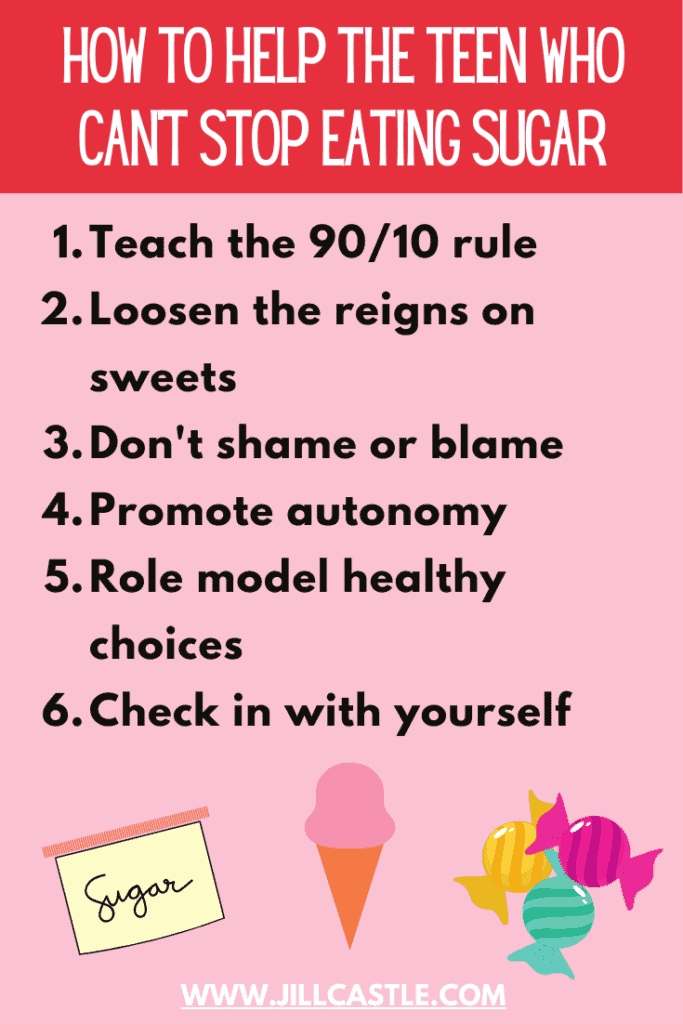
Creating Awareness
Recognizing hidden sources of sugar in everyday foods
Many people are unaware of the hidden sources of sugar present in everyday foods. It is crucial to read food labels and be mindful of ingredients such as corn syrup, sucrose, fructose, and various other sweeteners. Sugar can be found in surprising places, including processed foods, condiments, sauces, and even savory snacks. By being aware of these hidden sources, you can make more informed choices and reduce your sugar intake effectively.
Understanding the addictive nature of sugar
Sugar addiction is a real phenomenon that affects many individuals. Consuming sugar triggers the release of dopamine in the brain, which leads to feelings of pleasure and reward. This can create a cycle of cravings and overeating, similar to the effects of addictive substances. Understanding the addictive nature of sugar can help you approach your sugar reduction journey with empathy and patience.
Setting Goals
Identifying personal reasons for reducing sugar intake
To successfully stop eating sugar, it is important to identify your personal reasons for doing so. Whether it is to improve your overall health, lose weight, or increase your energy levels, understanding your motivations will help you stay committed and focused on your goals. Take some time to reflect on why reducing sugar is important to you and write down these reasons as a reminder throughout your journey.
Setting measurable and achievable targets
Setting specific and realistic targets is essential in any lifestyle change. Rather than simply stating that you want to stop eating sugar, break down your goals into smaller, manageable steps. For example, you can aim to reduce your sugar intake by cutting out sugary beverages or decreasing the amount of added sugar in your morning coffee. These measurable targets will provide a sense of accomplishment and make your journey towards reducing sugar more attainable.

Making a Plan
Meal planning to avoid sugary foods
Meal planning is a powerful tool when it comes to avoiding sugary foods. By preparing your meals in advance, you can control the ingredients and ensure that your meals are free from added sugars. Focus on incorporating whole foods such as lean proteins, fruits, vegetables, and whole grains into your meal plan, and avoid processed foods that often contain hidden sugars. Additionally, plan for healthy snacks to prevent reaching for sugary options when hunger strikes.
Stocking up on healthy alternatives
Instead of relying on sugary treats for a quick energy boost, stock up on healthier alternatives. Keep your pantry filled with a variety of nuts, seeds, and dried fruits for a nutritious and satisfying snack. Experiment with natural sweeteners like stevia or monk fruit extract for baking or sweetening beverages. By having healthier alternatives readily available, you can satisfy your cravings without compromising your sugar reduction goals.
Overcoming Cravings
Identifying triggers for cravings
Understanding what triggers your sugar cravings can help you manage and overcome them. Stress, boredom, or certain social situations can often lead to a desire for sugary foods. Identify these triggers and find alternative ways to cope with them. Engaging in activities such as physical exercise, practicing relaxation techniques like meditation, or finding a new hobby can distract you from cravings and reduce the temptation to consume sugar.
Practicing mindful eating
Mindful eating is a powerful tool in reducing sugar consumption. By paying attention to the taste, texture, and satisfaction that food provides, you can develop a greater awareness of your body’s hunger and fullness cues. Slow down when eating, savor each bite, and listen to your body’s signals. This practice can help you differentiate between true hunger and emotional cravings, allowing you to make more conscious choices about the foods you consume.

Building a Support System
Seeking encouragement from friends and family
Having a support system can make a significant difference in your journey to stop eating sugar. Share your goals and motivations with friends and family, and ask for their support and understanding. Having someone who can encourage and hold you accountable can make a world of difference when facing challenges and temptations.
Joining online communities or support groups
In addition to support from loved ones, consider joining online communities or support groups dedicated to reducing sugar intake. These communities provide a safe space to share experiences, seek advice, and gain inspiration from others who are on a similar journey. Interacting with individuals who have successfully overcome their sugar addiction can be motivating and enlightening.
Embracing a Healthy Lifestyle
Incorporating regular exercise into daily routine
Regular exercise is fundamental to a healthy lifestyle and can also help reduce sugar cravings. Engaging in physical activity releases endorphins, which boost mood and decrease stress, reducing the likelihood of turning to sugar for comfort. Aim for at least 30 minutes of moderate-intensity exercise, such as brisk walking, cycling, or dancing, most days of the week.
Prioritizing quality sleep and stress management
Lack of sleep and chronic stress can contribute to sugar cravings and hinder your efforts to stop eating sugar. Make sleep a priority and aim for 7-9 hours of quality sleep each night. Establish healthy sleep habits, such as sticking to a consistent sleep schedule and creating a relaxing bedtime routine. Additionally, manage stress through techniques like deep breathing, meditation, or engaging in activities that bring you joy and relaxation.

Rewarding Progress
Celebrating milestones along the journey
Celebrate your achievements along the way to mark your progress and stay motivated. Whether it is reaching a certain number of days without consuming sugar or successfully resisting tempting treats, acknowledge and congratulate yourself for your efforts. Treat yourself to a non-food reward, such as a massage, a new book, or a day out doing something you love.
Finding non-food rewards for motivation
Instead of using food as a reward, find other ways to treat yourself and stay motivated. Consider indulging in activities that bring you joy and fulfillment, such as going for a hike, taking a bubble bath, or spending quality time with loved ones. Building a habit of non-food rewards will help you break the association between sugar and comfort, fostering a healthier mindset towards food.
Staying Consistent
Handling setbacks and maintaining resilience
It is important to remember that setbacks are a normal part of any journey. If you find yourself giving in to sugar cravings or slipping up, don’t dwell on it. Instead, acknowledge the setback, learn from it, and use it as an opportunity to strengthen your commitment. Remember why you embarked on this journey in the first place and use setbacks as motivation to get back on track.
Creating new habits for long-term success
Stopping your sugar addiction and maintaining a healthy lifestyle requires creating new habits. Replace sugary snacks with nutritious alternatives, adopt a habit of reading food labels, and prioritize cooking meals at home using fresh ingredients. By consistently practicing these habits, they will become second nature, making it easier to sustain your sugar reduction journey in the long run.
Conclusion
Reducing your sugar consumption is a powerful step towards taking control of your health and well-being. By understanding the dangers of excess sugar, setting goals, making a plan, and building a support system, you can successfully stop eating sugar. Embrace a healthy lifestyle by incorporating regular exercise, prioritizing quality sleep, and managing stress. Celebrate your milestones and find non-food rewards to stay motivated. Remember that consistency and resilience are key to long-term success. By embracing these strategies and reaping the benefits of reduced sugar consumption, you are prioritizing your health and paving the way for a healthier future.
How To Stop Eating Carbs

Are you struggling to cut back on carbs and find yourself always reaching for that slice of bread or bowl of pasta? Well, you’re not alone! Many of us struggle with controlling our carb intake, but fear not, because in this article we’re going to share some tips and tricks to help you stop eating carbs and start making healthier choices.
Carbohydrates are one of the main sources of energy for our bodies, but when consumed in excess, they can lead to weight gain and other health issues. It’s important to find a balance and choose the right kind of carbs – those that are rich in fiber and nutrients. In this article, we’ll explore different ways to curb your carb cravings, such as increasing your protein and vegetable intake, incorporating healthy fats into your diet, and finding satisfying alternatives to high-carb foods. So, if you’re ready to take control of your carb consumption and start nourishing your body in a more balanced way, keep reading, because we’ve got you covered!
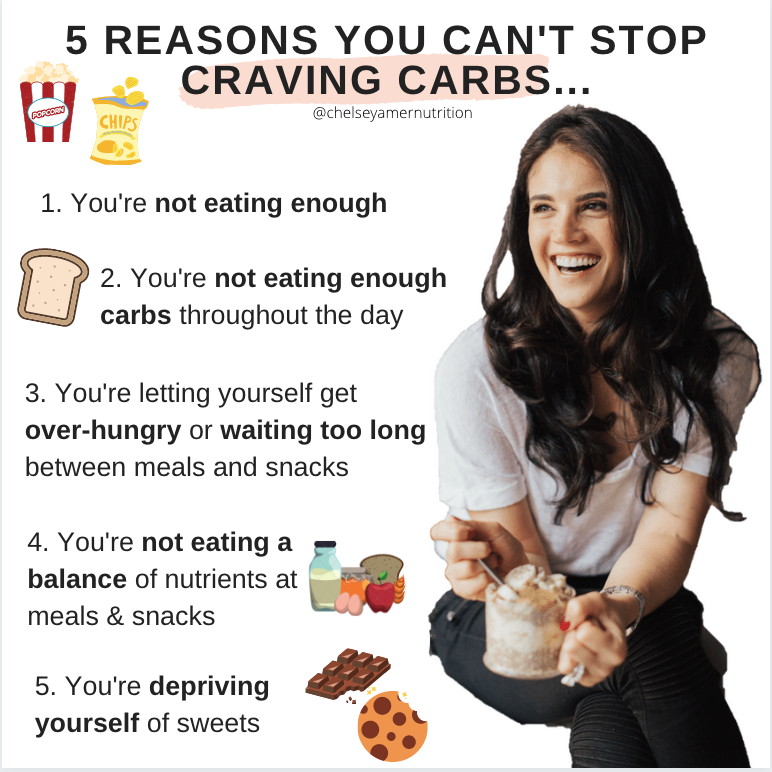
Understanding Carbohydrates
What are carbohydrates?
Carbohydrates are one of the three macronutrients, along with proteins and fats, that provide the body with energy. They are found in a wide range of foods, including grains, fruits, vegetables, and dairy products. Carbohydrates are composed of sugar molecules and can be classified into three main types: sugars, starches, and fibers.
Types of carbohydrates
Sugars, also known as simple carbohydrates, include natural sugars found in fruits and milk, as well as added sugars found in processed foods and beverages. Starches, or complex carbohydrates, are made up of multiple sugar molecules and are found in foods like bread, pasta, rice, and potatoes. Fibers, another type of complex carbohydrate, cannot be broken down by the body and instead provide bulk to the diet, aiding in digestion and promoting feelings of fullness.
Why do people eat carbs?
Carbohydrates are a primary source of energy for the body. When consumed, they are broken down into sugar, or glucose, which is then used by the cells for fuel. Carbohydrates also play a role in brain function and muscle development. However, it’s important to note that not all carbohydrates are created equal, and some can have negative effects on health when consumed in excess.
The Impact of Carbohydrates on Health
Role of carbs in weight gain
Consuming an excessive amount of carbohydrates, especially those high in refined sugars and starches, can contribute to weight gain. This is due to the fact that these types of carbohydrates are quickly digested and can cause spikes in blood sugar levels, resulting in excess insulin production. Insulin is a hormone that promotes fat storage, leading to weight gain over time.
Effects of excessive carb consumption
In addition to weight gain, excessive carbohydrate consumption can also increase the risk of chronic diseases such as type 2 diabetes and heart disease. Diets high in refined carbohydrates have been linked to insulin resistance, inflammation, and elevated blood triglyceride levels. These factors can contribute to the development of these conditions and negatively impact overall health.
Carbs and blood sugar levels
When carbohydrates are consumed, they are broken down into glucose, which enters the bloodstream and causes blood sugar levels to rise. In response, the pancreas releases insulin to help transport glucose into the cells for energy. However, a diet high in refined carbohydrates can lead to chronically elevated blood sugar levels and increased insulin production. Over time, this can contribute to the development of insulin resistance and type 2 diabetes.
Benefits of Reducing Carb Intake
Weight loss
One of the main benefits of reducing carbohydrate intake is weight loss. By cutting back on carbohydrates, especially those high in refined sugars and starches, it becomes easier to create a calorie deficit and promote fat loss. Additionally, low-carb diets have been shown to increase satiety and reduce cravings, making it easier to stick to a calorie-restricted eating plan.
Improved energy levels
Many people report experiencing increased energy levels and improved mental clarity when reducing carbohydrate intake. This is because when carbohydrates are limited, the body starts to utilize stored fat as a source of fuel. Fat is a more efficient and longer-lasting source of energy compared to glucose, allowing for more sustained energy levels throughout the day.
Reduced risk of chronic diseases
By reducing carbohydrate intake, particularly of refined sugars and starches, it is possible to lower the risk of developing chronic diseases such as type 2 diabetes and heart disease. Low-carb diets have been shown to improve insulin sensitivity, lower blood triglyceride levels, and reduce markers of inflammation, all of which are risk factors for these conditions.
Practical Tips for Cutting Carbs
Identify high-carb foods
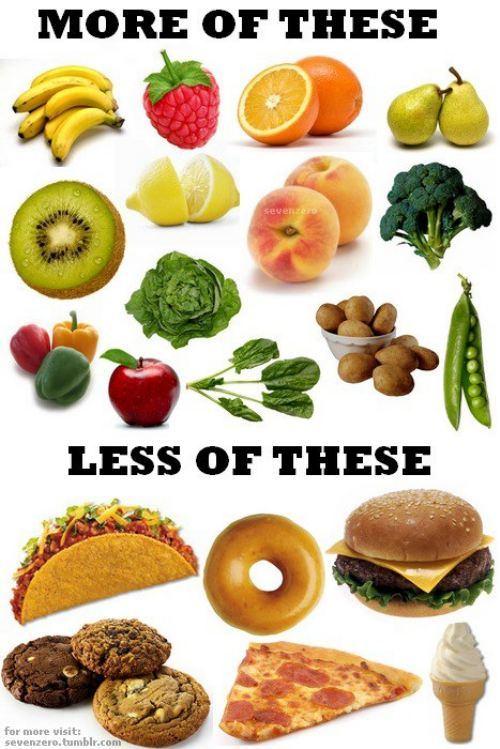
To reduce carbohydrate intake, it is important to identify and be mindful of high-carb foods. These include sugary beverages, processed foods, bread, pasta, rice, and starchy vegetables like potatoes. Familiarize yourself with the carbohydrate content of different foods and opt for lower-carb alternatives when possible.
Choose healthier alternatives
When cutting carbs, it’s important to choose healthier alternatives that provide more nutrients and are lower in carbohydrates. For example, instead of white rice, opt for cauliflower rice or quinoa. Instead of regular pasta, try spiralized zucchini noodles or whole wheat pasta. Choosing whole foods over processed options can help reduce carbohydrate intake while still providing essential nutrients.
Meal planning and preparation
Meal planning and preparation can be a valuable tool in reducing carbohydrate intake. By planning your meals in advance, you can ensure that you have options that are lower in carbs readily available. This can help prevent impulsive decision-making and make it easier to stick to your low-carb goals. Additionally, preparing meals at home allows you to have more control over the ingredients and portion sizes.
Transitioning to a Low-Carb Lifestyle
Gradual reduction vs. cold-turkey approach
When transitioning to a low-carb lifestyle, it can be helpful to choose an approach that works best for you. Some people find success by gradually reducing their carbohydrate intake over time, allowing their bodies to adjust and minimize withdrawal symptoms. Others may prefer to take a cold-turkey approach and eliminate high-carb foods immediately. Consider your personal preferences and choose the method that feels most sustainable for you.
Overcoming carb cravings
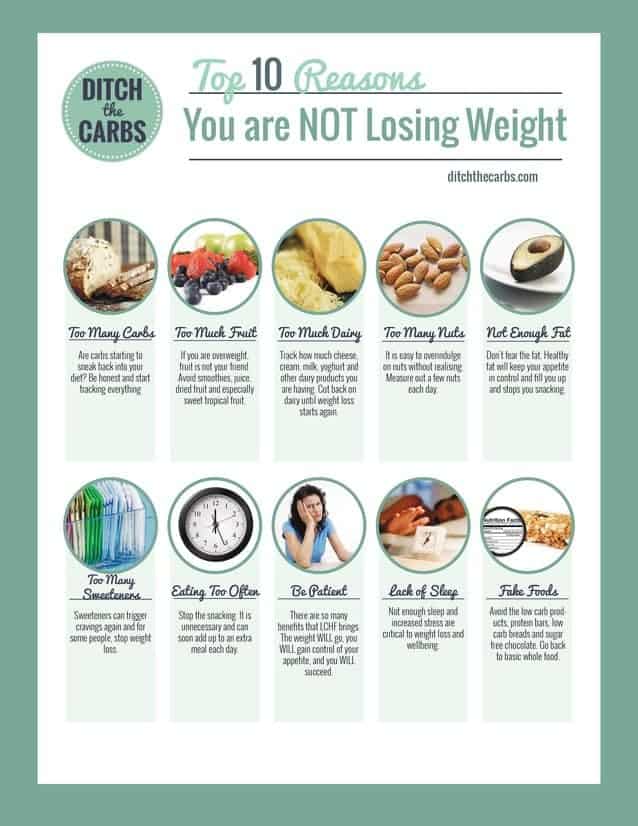
Reducing carbohydrate intake can lead to cravings, especially in the initial stages. To overcome carb cravings, it can be helpful to incorporate healthy fats and protein into your meals. These nutrients are satiating and can help keep you satisfied between meals. Additionally, staying hydrated and keeping yourself occupied with other activities can help distract from cravings and reduce the temptation to indulge in high-carb foods.
Seeking support and accountability
Transitioning to a low-carb lifestyle can be challenging, especially if you’re surrounded by people who consume high amounts of carbohydrates. Seeking support from friends, family, or online communities can provide accountability and encouragement. Sharing your goals and progress with others who understand your journey can make the process feel less daunting and help you stay motivated.
Managing Carbohydrate Withdrawal Symptoms
Understanding common withdrawal symptoms
Reducing carbohydrate intake can lead to temporary withdrawal symptoms, commonly referred to as the “keto flu.” These symptoms may include fatigue, headaches, irritability, and difficulty concentrating. They occur as a result of the body adjusting to using fat as its primary fuel source instead of glucose. It’s important to remember that these symptoms are temporary and will subside as your body adapts to the new way of eating.
Strategies to alleviate discomfort
To alleviate discomfort during carbohydrate withdrawal, it can be helpful to stay hydrated and ensure you are consuming enough electrolytes, such as sodium, potassium, and magnesium. These nutrients can be obtained from foods like leafy green vegetables, avocados, and nuts. Getting plenty of rest and engaging in stress-reducing activities, such as meditation or gentle exercise, can also help alleviate symptoms.
Importance of staying hydrated
Staying hydrated is crucial during the transition to a low-carb lifestyle. When carbohydrate intake is reduced, the body’s glycogen stores, which hold water, are depleted. This can lead to increased urination and potential dehydration. Be sure to drink plenty of water throughout the day and consider adding electrolyte-rich beverages or supplementing with electrolyte tablets if necessary.
Creating a Balanced Low-Carb Diet
Incorporating protein and healthy fats
When following a low-carb diet, it’s important to prioritize the consumption of protein and healthy fats. Protein is essential for muscle repair and maintenance, while healthy fats provide satiety and support overall health. Include lean sources of protein such as poultry, fish, and tofu, and incorporate healthy fats from sources like avocados, nuts, seeds, and olive oil.
Eating a variety of non-starchy vegetables
Non-starchy vegetables are excellent sources of vitamins, minerals, and fiber while being low in carbohydrates. Include a variety of vegetables in your meals, such as leafy greens, broccoli, cauliflower, bell peppers, and zucchini. They provide essential nutrients and help add volume to your meals without significantly increasing carbohydrate intake.
Monitoring macro and micronutrient intake
When adopting a low-carb lifestyle, it is important to monitor your macronutrient and micronutrient intake. Macronutrients include carbohydrates, proteins, and fats, while micronutrients are essential vitamins and minerals. Tracking your food intake using a food diary or an app can help ensure that you are getting the necessary nutrients and staying within your desired carbohydrate range.
Staying Motivated and Overcoming Challenges
Setting realistic goals
Setting realistic goals is essential when transitioning to a low-carb lifestyle. Instead of aiming for perfection, focus on progress and small victories along the way. Celebrate each milestone, whether it’s losing a few pounds, successfully sticking to your meal plan for a week, or incorporating new low-carb recipes into your routine. By setting achievable goals, you’ll stay motivated and feel a sense of accomplishment.
Finding enjoyable low-carb recipes
One way to stay motivated and committed to a low-carb lifestyle is by finding enjoyable recipes that fit your dietary preferences. There are countless low-carb recipes available online, ranging from breakfasts to dinners and desserts. Experiment with different ingredients and flavors to create meals that you genuinely enjoy. This will make the transition to a low-carb lifestyle much more enjoyable and sustainable in the long run.
Dealing with social situations
Navigating social situations while following a low-carb lifestyle can be challenging. It’s important to communicate your dietary preferences to friends and family beforehand and offer to bring a dish that fits your eating plan to gatherings. Additionally, focus on the social aspect of these events rather than solely on the food. Engage in conversation, enjoy the company of loved ones, and remember your long-term health goals.
Finding Long-Term Success
Building a sustainable eating plan
To find long-term success with a low-carb lifestyle, it’s important to build a sustainable eating plan that fits your individual needs and preferences. Experiment with different foods, meal timings, and portion sizes to find what works best for you. Remember that flexibility and moderation are key, and occasional indulgences are part of a healthy relationship with food.
Lifestyle changes beyond just cutting carbs
While reducing carbohydrate intake is an important step towards a healthier lifestyle, it’s essential to consider other aspects of your well-being as well. Incorporate regular physical activity, prioritize sleep and stress management, and practice mindful eating. By adopting a holistic approach to your health, you’ll see greater benefits and find it easier to maintain your new low-carb lifestyle.
Ensuring overall nutritional adequacy
When following a low-carb lifestyle, it’s important to ensure that your diet is nutritionally adequate. To do this, focus on consuming a variety of whole, nutrient-dense foods. Incorporate sources of lean protein, healthy fats, and a wide array of colorful vegetables. If you find it challenging to meet your nutrient needs through food alone, consider consulting with a registered dietitian or nutritionist for personalized guidance.
Conclusion
Empowering yourself with knowledge about carbohydrates and their impact on health is the first step towards reducing carbohydrate intake. By gradually cutting back on carbohydrates, incorporating healthier alternatives, and creating a balanced low-carb diet, you can experience benefits such as weight loss, improved energy levels, and a reduced risk of chronic diseases. Staying motivated, seeking support, and making lifestyle changes beyond just cutting carbs are key factors in finding long-term success. By taking small steps towards reducing carb intake and embracing a healthier lifestyle, you can achieve your health and wellness goals.
What To Stop Eating To Lose Weight

Have you ever wondered what foods you should stop eating to lose weight? We all want to shed those extra pounds, but sometimes it can be difficult to know which foods are sabotaging our weight loss efforts. In this article, we will take a closer look at some of the foods that you should consider cutting out of your diet if you want to see those numbers on the scale go down.
Now, we all know that losing weight is not just about the numbers on the scale. It’s about feeling healthy and happy in our own bodies. But let’s face it, shedding a few pounds can give us that extra boost of confidence that we all crave. So, if you’re curious about what you should stop eating to lose weight, you’ve come to the right place. In the next few paragraphs, we’ll dive deeper into the topic and provide you with some valuable insights and tips to help you on your weight loss journey. So sit back, relax, and get ready to learn more about what foods to avoid if you want to shed those extra pounds.
What To Stop Eating To Lose Weight
Losing weight is a goal that many people strive for, but it can often feel overwhelming and confusing. With so much information out there, it’s important to understand the basics of weight loss and how certain foods can contribute to weight gain. In this article, we will explore the fundamentals of weight loss, identify the culprits in your diet, and provide tips on building a healthier plate.
How weight loss works
Weight loss occurs when the number of calories you consume is less than the number of calories your body burns. This calorie deficit can be achieved through a combination of diet and exercise. When you consume fewer calories than your body needs to maintain its current weight, it will start using stored fat as an energy source, resulting in weight loss.
The importance of calorie deficit
One of the key factors in achieving weight loss is creating a calorie deficit. This means consuming fewer calories than your body needs to maintain its current weight. By reducing your calorie intake, your body will be forced to utilize its fat stores for energy, leading to weight loss. It’s important to note that creating too large of a calorie deficit can be detrimental to your health, so it’s crucial to find a balance that works for you.
Why certain foods contribute to weight gain
Not all calories are created equal. Some foods are more calorie-dense and can contribute to weight gain more than others. Understanding which foods to avoid can be helpful in achieving weight loss goals. The following sections will explore the culprits in your diet that you should consider eliminating.
Identifying the Culprits in Your Diet
Highly Processed Foods
Highly processed foods, such as chips, cookies, and frozen meals, are often high in calories, unhealthy fats, and added sugars. These foods are typically low in essential nutrients and can contribute to weight gain. Instead of reaching for these processed snacks, opt for whole foods that are nutrient-dense and filling.
Added Sugars and Sweetened Beverages
Consuming excessive amounts of added sugars can lead to weight gain and other health issues. Sweetened beverages, such as soda, energy drinks, and fruit juices, are loaded with added sugars and can easily contribute to an increased calorie intake. It’s important to read labels and be mindful of hidden sugars in foods and beverages.
Refined Grains and White Flour Products
Refined grains, such as white bread, white rice, and pasta made from refined flour, are stripped of their nutrients and fiber content. These empty calorie foods can spike your blood sugar levels, leading to cravings and overeating. Opt for whole grains, such as whole wheat bread, brown rice, and quinoa, which are higher in fiber and provide more nutrients.
Unhealthy Fats to Cut Out
Trans Fats
Trans fats are artificial fats that are commonly found in fried foods, processed snacks, and some baked goods. They not only contribute to weight gain but also pose a risk to cardiovascular health. Trans fats should be avoided as much as possible. Instead, choose sources of healthy fats, such as avocados, nuts, and olive oil.
Saturated Fats
Saturated fats, found in foods like red meat, full-fat dairy products, and butter, can contribute to weight gain and increase the risk of cardiovascular disease. While it’s important to consume some fat in your diet, it’s best to focus on sources of unsaturated fats, such as fatty fish, nuts, and seeds.
High-Fat Dairy Products
Full-fat dairy products, such as whole milk, cheese, and butter, are high in calories and saturated fats. Switching to low-fat or non-fat dairy options can help reduce calorie intake without sacrificing important nutrients like calcium.
Saying Goodbye to Sugary Treats
Candy and Chocolate Bars
Candy and chocolate bars are packed with empty calories and added sugars. These sweet treats can quickly contribute to weight gain and provide little nutritional value. Instead, satisfy your sweet tooth with healthier options like fresh fruits or homemade snacks made with natural sweeteners.
Cookies and Pastries
Cookies, pastries, and other baked goods are often high in unhealthy fats, refined flour, and added sugars. These indulgent treats can lead to weight gain and spike your blood sugar levels. Opt for homemade alternatives using healthier ingredients like whole grains, natural sweeteners, and healthier fats.
Soda and Energy Drinks
Soda and energy drinks are some of the worst offenders when it comes to weight gain. These sugar-loaded beverages offer no nutritional value and can contribute to excessive calorie intake. Replace these drinks with water, herbal tea, or naturally flavored sparkling water to cut back on unnecessary calories.

Limiting Excessive Salt Intake
Processed and packaged foods
Processed and packaged foods often contain high levels of sodium. Consuming too much sodium can lead to water retention and bloating, making it harder to achieve weight loss goals. Opt for fresh, whole foods and flavor meals with herbs and spices instead of relying on salt.
Fast foods and restaurant meals
Fast foods and restaurant meals are notorious for their high sodium content. To reduce your sodium intake, try preparing meals at home more often using fresh and unprocessed ingredients. If dining out, choose healthier options like salads or grilled proteins and ask for dressings or sauces on the side to control the amount consumed.
High-salt condiments and sauces
Condiments and sauces, such as ketchup, soy sauce, and salad dressings, can be high in sodium. Read labels carefully and opt for low-sodium or homemade versions whenever possible.
Avoiding Unhealthy Eating Habits
Mindless Snacking
Mindless snacking, especially on unhealthy foods, can lead to excess calorie intake and hinder weight loss efforts. Avoid snacking out of boredom or emotions and instead focus on mindful eating. Plan your snacks ahead of time, choose nutrient-dense options, and listen to your body’s hunger and fullness cues.
Emotional Eating
Emotional eating is a common response to stress, sadness, or other emotional triggers. It often involves consuming high-calorie, comfort foods that provide temporary relief but can lead to weight gain in the long run. Find alternative ways to cope with emotions, such as exercise, meditation, or talking to a supportive friend or family member.
Late-Night Overeating
Late-night overeating can sabotage weight loss efforts by consuming unnecessary calories right before bedtime when your body’s energy needs are typically lower. Establish a regular sleep routine and try to finish your last meal or snack a few hours before bedtime to allow your body to digest properly.

Cutting Back on Alcohol Consumption
Empty calories and weight gain
Alcoholic beverages are a significant source of “empty” calories since they provide little to no nutritional value. These empty calories can contribute to weight gain and hinder weight loss efforts. Moderation is key, and it’s important to be mindful of portion sizes and choose lower calorie options when possible.
Negative impact on metabolism
Alcohol can negatively impact your metabolism by slowing down fat-burning processes. It can also impair your judgment, leading to poor food choices and overeating. Limiting alcohol consumption can help support a healthy metabolism and weight loss.
Increased cravings for unhealthy foods
Drinking alcohol can increase cravings for unhealthy foods, leading to overconsumption of high-calorie snacks and meals. This can make it difficult to stick to a healthy eating plan and hinder weight loss progress. Opt for non-alcoholic alternatives or limit your alcohol intake to special occasions.
Eliminating Highly Caloric Beverages
Fruit juices and smoothies
While fruit juices and smoothies may seem healthy, they can actually be high in calories and sugar. Even if the sugar is natural, the concentrated nature of these beverages can cause a spike in blood sugar levels. It’s best to consume whole fruits and opt for water or unsweetened drinks instead.
Sugar-loaded coffee drinks
Coffee drinks loaded with sugar, syrups, and whipped cream can significantly contribute to calorie intake. These beverages provide little nutritional value and can easily sabotage weight loss efforts. Choose black coffee or opt for healthier coffee alternatives, like unsweetened tea or herbal infusions.
Alcoholic beverages
Alcoholic beverages, as mentioned earlier, are high in empty calories and can hinder weight loss. In addition to the negative impact on metabolism and increased cravings for unhealthy foods, alcoholic drinks can also contribute to dehydration and poor sleep quality. Moderation is key, and choosing lower calorie options, such as light beers or spirits with soda water, can help reduce calorie intake.

Building a Healthier Plate
Emphasizing fruits and vegetables
Fruits and vegetables are low in calories, high in fiber, and packed with essential nutrients. They provide volume and satiety, making them great choices for weight loss. Aim to fill half of your plate with fruits and vegetables to ensure a well-balanced and nutrient-rich meal.
Incorporating lean proteins
Including lean proteins in your meals can promote feelings of fullness and support muscle growth and repair. Opt for lean sources of protein such as chicken, turkey, fish, tofu, or legumes. Protein can also help boost metabolism, making it easier to lose weight.
Choosing whole grains
Whole grains, compared to refined grains, are higher in fiber, vitamins, and minerals. They provide sustained energy and promote feelings of fullness, reducing the likelihood of overeating. Choose whole grain options like brown rice, whole wheat bread, and oats to improve satiety and contribute to weight loss.
Conclusion
In conclusion, achieving weight loss requires a combination of creating a calorie deficit and making healthier food choices. By identifying the culprits in your diet and eliminating or reducing their consumption, you can make significant progress towards your weight loss goals. It’s important to remember that weight loss is a journey, and committing to a healthier lifestyle will yield sustainable results. By focusing on a balanced diet, making mindful decisions, and incorporating regular physical activity, you can take control of your weight and overall health.
How To Stop Feeling Bad After Eating Something Unhealthy

Do you ever feel guilty or upset after indulging in a not-so-healthy meal? It’s something that many of us have experienced at one point or another. Whether it’s a greasy burger, a sugary dessert, or just simply overeating, the aftermath of these choices can sometimes leave us feeling less than our best. But don’t worry, there are ways to combat those negative emotions and help you feel better after eating something unhealthy.
In our upcoming article, we’ll delve into some strategies to stop feeling bad after indulging in less-than-healthy foods. We’ll cover practical tips like drinking plenty of water, engaging in physical activity, and focusing on nourishing your body with whole, nutrient-rich foods. You’ll also learn about the importance of practicing self-compassion and not letting one indulgence derail your journey towards a healthier lifestyle. So, stay tuned and discover how to get back on track and stop feeling bad after eating something unhealthy!

How To Stop Feeling Bad After Eating Something Unhealthy
Do you often feel guilty or regretful after eating something unhealthy? It’s a common experience that many people face, but it’s important to understand that occasional indulgences are part of a balanced and healthy lifestyle. In this article, we’ll explore why you might feel bad after eating something unhealthy and provide you with practical tips on how to stop feeling bad and continue on your journey towards a healthier you.
Examining the Physical Effects
Eating something unhealthy can have immediate physical effects on your body. Foods that are high in sugar and fat can cause a spike in blood sugar levels, leading to feelings of fatigue and sluggishness. Additionally, these foods are often low in essential nutrients, which can leave you feeling unsatisfied and craving more food.
To combat these physical effects, it’s important to prioritize nutrient-rich foods in your diet. Opt for whole grains, fruits, vegetables, lean proteins, and healthy fats. These foods will provide you with sustained energy and help stabilize your blood sugar levels. Incorporating fiber and protein into your meals can also help you feel full and satisfied, reducing the chances of overeating on unhealthy foods.
Exploring the Emotional Impact
Feeling bad after eating something unhealthy is not just about the physical effects, but also about the emotional impact it can have. Oftentimes, we attach negative emotions and guilt to certain foods, which can lead to a cycle of emotional eating and further negative feelings.
It’s important to be mindful of your emotional state when it comes to food. Take a moment to reflect on why you are feeling guilty or regretful after indulging in something unhealthy. Is it because you believe you have messed up your diet or failed in some way? Remember, eating unhealthy occasionally is not a failure. It’s a part of life. Be kind to yourself and practice self-compassion.
Recognizing the Mental Consequences
Eating something unhealthy can also have mental consequences. It’s not uncommon to experience feelings of anxiety or stress after indulging in foods that we perceive as “bad” or “unhealthy.” These negative thoughts can lead to a negative relationship with food and disordered eating patterns.
To overcome these mental consequences, it’s important to reframe your mindset around food. Instead of thinking of foods as “good” or “bad,” try to think of them as nourishing or less nourishing. This shift in perspective can help you cultivate a healthier relationship with food and break free from the guilt and negative thoughts associated with indulgences.
Understanding Your Body’s Sensitivities
One of the reasons you might feel bad after eating something unhealthy is because your body may have sensitivities or intolerances to certain foods. Pay attention to how your body reacts to different foods and make note of any symptoms or discomfort that arise.
Keeping a food diary can be a helpful tool in identifying trigger foods. Write down what you eat and how you feel afterward. This can help you pinpoint specific foods that may be causing negative effects on your body. Once you have identified these trigger foods, you can make informed decisions about whether to avoid them altogether or find healthier alternatives.
Seeking Professional Advice
If you suspect that you have food sensitivities or intolerances, it may be beneficial to seek professional advice. A registered dietitian or nutritionist can help you navigate your dietary needs and provide personalized recommendations based on your specific circumstances.
They can also help you create a balanced diet that meets your nutritional requirements while still allowing for occasional indulgences. Remember, it’s all about finding a sustainable and enjoyable approach to eating that works for you.
Choosing Nutrient-Rich Foods
To prevent feeling bad after eating something unhealthy, it’s important to prioritize nutrient-rich foods in your diet. These foods provide your body with the essential vitamins, minerals, and antioxidants it needs to function optimally.
Include a variety of fruits and vegetables in your meals. These foods are not only packed with nutrients, but they also add color, flavor, and texture to your plate. Choose whole grains over refined grains and opt for lean proteins such as chicken, fish, tofu, or legumes.
Incorporating Fiber and Protein
Fiber and protein are two key nutrients that can help you feel full and satisfied after a meal. Incorporating sources of fiber, such as whole grains, fruits, vegetables, and legumes, can help regulate your digestion and prevent cravings for unhealthy foods.
Protein is essential for building and repairing tissues and can help stabilize your blood sugar levels. Include lean sources of protein, such as poultry, fish, tofu, nuts, and seeds, in your meals. If you follow a plant-based diet, consider incorporating plant-based protein options such as lentils, quinoa, and tempeh.
Avoiding Excessive Sugar and Fat
While it’s important to include some fat and sugar in our diets, excessive amounts can leave us feeling sluggish and unsatisfied. Try to limit your intake of foods that are high in added sugars, saturated fats, and trans fats.
Instead, choose healthier alternatives such as fresh fruits for a sweet snack, and opt for sources of healthy fats such as avocados, nuts, and seeds. These foods not only provide essential nutrients but also help keep you feeling energized and satisfied.
Savoring Each Bite
Mindful eating is a practice that encourages you to be fully present and engaged with your food. By savoring each bite and paying attention to the flavors, textures, and aromas of your meal, you can enhance your eating experience and prevent overeating.
Take the time to sit down and enjoy your meals without distractions. Chew your food slowly and thoroughly, allowing your body to properly digest and absorb the nutrients. This mindful approach to eating can help you feel more satisfied and reduce the chances of feeling bad after indulging in something unhealthy.
Eating Slowly and Mindfully
In addition to savoring each bite, it’s important to eat slowly and mindfully. Often, we are in a rush and eat quickly, which can lead to overeating and feelings of discomfort afterward.
Take the time to chew each bite thoroughly and put your fork down between each mouthful. This allows your body to recognize feelings of fullness and prevents you from consuming more food than you need. Eating slowly and mindfully can also improve digestion and enhance your overall eating experience.
Paying Attention to Hunger and Fullness Cues
Listening to your body’s hunger and fullness cues is key to maintaining a balanced and healthy relationship with food. Pay attention to your body’s signals and eat when you are hungry, stopping when you are comfortably full.
This might require tuning into your body’s signals and distinguishing between physical hunger and emotional or boredom eating. Taking a moment before a meal to assess your level of hunger can help you make more mindful choices about the foods you eat and prevent overeating.
Finding Substitutes for Unhealthy Cravings
Craving unhealthy foods is a common occurrence, but there are often healthier alternatives that can satisfy those cravings. Instead of reaching for a candy bar, try indulging in a piece of dark chocolate or a handful of nuts. These alternatives provide a dose of sweetness or crunch without the excessive sugar and unhealthy fats.
Experiment with flavor-packed, nutritious recipes that can satisfy your cravings. For example, if you’re craving something creamy, try blending a frozen banana with a splash of milk for a delicious and healthy ice cream alternative. By finding substitutes for unhealthy cravings, you can enjoy your favorite flavors guilt-free.
Exploring Healthy Snack Options
Snacking can often lead to unhealthy choices, but it doesn’t have to be that way. Stock your pantry with nutritious and satisfying snacks that can curb your cravings and keep you feeling energized throughout the day.
Fresh fruits, vegetables with hummus or yogurt-based dips, and homemade trail mix with nuts and dried fruits are all great options. Avoid processed, packaged snacks that are high in added sugars and unhealthy fats. By choosing healthy snack options, you can nourish your body between meals and prevent feelings of regret afterward.
Experimenting with Flavorful, Nutritious Recipes
Healthy eating doesn’t have to be boring or tasteless. In fact, there are countless flavorful and nutritious recipes that you can experiment with to satisfy your taste buds while nourishing your body.
Browse through cookbooks or explore online recipe websites for inspiration. Try incorporating a variety of herbs, spices, and marinades to enhance the flavors of your meals. By exploring new recipes and cooking techniques, you can enjoy delicious and satisfying meals without feeling bad afterward.
Utilizing Portion Control Tools
Managing portion sizes is a crucial component of a balanced diet. Portion control tools can help you visualize appropriate serving sizes and prevent overeating.
Use measuring cups or a kitchen scale to measure out appropriate portions of grains, proteins, and fats. Visual aids such as a deck of cards or the palm of your hand can help you estimate appropriate portion sizes. By utilizing portion control tools, you can ensure that you are eating enough to nourish your body without going overboard.
Understanding Serving Sizes
In addition to portion control, it’s important to understand serving sizes. The serving size listed on food labels is not always the same as the portion you consume.
Take the time to read food labels and familiarize yourself with appropriate serving sizes. This can help you prevent overeating and make more informed choices about the foods you eat. Remember, eating something unhealthy in moderation is okay, but it’s important to be aware of the quantity you are consuming.
Avoiding Overeating
Overeating can leave you feeling uncomfortably full and can contribute to feelings of guilt or regret. To prevent overeating, it’s important to eat mindfully, pay attention to hunger and fullness cues, and be aware of serving sizes.
Avoid distractions while eating, such as watching TV or using your phone, as this can lead to mindless eating. Chew your food slowly and take breaks between bites to assess your level of fullness. By being present and mindful during your meals, you can prevent overeating and the negative feelings that often follow.
Exploring Different Types of Exercise
Physical activity is an important component of a healthy lifestyle and can help counteract the effects of indulging in something unhealthy. Explore different types of exercise to find what you enjoy and what fits into your schedule.
Consider activities such as walking, running, cycling, swimming, or dancing. The key is to find something that gets your body moving and brings you joy. Aim for at least 150 minutes of moderate-intensity exercise or 75 minutes of vigorous-intensity exercise per week, as recommended by health experts.
Creating a Regular Exercise Routine
Consistency is key when it comes to exercise. Create a regular exercise routine that incorporates a variety of activities throughout the week.
Schedule your workouts like you would any other appointment and make it a priority. Breaking a sweat and engaging in regular physical activity can release endorphins, boost your mood, and promote overall well-being. Remember, exercise should be enjoyable, so find activities that you look forward to and make them a part of your routine.
Enjoying Physical Activity
Exercise doesn’t have to be a chore. Find ways to make physical activity enjoyable and incorporate it into your daily life.
Consider joining a sports team, taking a dance class, or hiking with friends. Engaging in activities that you enjoy can make exercise more fun and sustainable. Remember, the goal is not to punish yourself for indulging in something unhealthy, but to view exercise as a way to take care of your body and enhance your overall well-being.
Avoiding Self-Judgment
It’s easy to fall into the trap of self-judgment after indulging in something unhealthy. However, beating yourself up and feeling guilty will not lead to positive change.
Remember that no one is perfect, and occasional indulgences are a normal part of life. Be kind to yourself and practice self-compassion. Instead of dwelling on past choices, focus on the future and the positive steps you can take towards a healthier lifestyle.
Cultivating a Positive Body Image
Feeling bad after eating something unhealthy can often be tied to negative body image. It’s important to remember that your worth is not determined by the foods you eat or the way your body looks.
Focus on the things that you love about yourself and your body. Practice gratitude for all that your body does for you on a daily basis. By cultivating a positive body image, you can fuel your journey towards a healthier lifestyle with self-love and acceptance.
Focusing on Overall Health
Health is about more than just the foods you eat. It encompasses your physical, mental, and emotional well-being. Instead of fixating solely on what you eat, focus on your overall health and well-being.
Prioritize self-care activities that nourish your mind, body, and soul. This may include getting enough sleep, managing stress, practicing relaxation techniques such as meditation or yoga, and fostering meaningful relationships. By focusing on overall health, you can create a balanced and sustainable approach to eating and break free from the cycle of feeling bad after indulging in something unhealthy.
Seeking Support from Loved Ones
Building a support system can be instrumental in overcoming the negative feelings associated with indulging in something unhealthy. Reach out to your loved ones and share your struggles and goals with them.
Having a support system can provide you with encouragement, accountability, and a listening ear. Discuss your journey towards a healthier lifestyle and ask for their support in making positive choices. Remember, you don’t have to go through this alone, and seeking support can make a world of difference.
Joining Online Communities
In addition to seeking support from loved ones, consider joining online communities that focus on health and wellness. These communities can provide you with a sense of belonging and a platform to share your experiences, challenges, and triumphs.
Surrounding yourself with like-minded individuals who are on similar journeys can help you stay motivated and inspired. Engage in discussions, ask questions, and offer support to others. By joining online communities, you can expand your knowledge, find new resources, and build connections with individuals who understand and can relate to your experiences.
Considering Professional Guidance
If you’re struggling with feeling bad after eating something unhealthy and are finding it difficult to break free from negative thought patterns, it may be beneficial to consider professional guidance.
A therapist or counselor can help you explore the underlying emotions and beliefs that contribute to these feelings. They can provide you with coping strategies and tools to manage negative emotions and establish a healthier relationship with food. Remember, seeking professional guidance is a sign of strength and a valuable resource on your journey towards improved well-being.

Conclusion
Feeling bad after eating something unhealthy is a common experience. However, it’s important to understand that occasional indulgences are part of a balanced and healthy lifestyle. By prioritizing nutrient-rich foods, practicing mindful eating, and cultivating a positive relationship with food and your body, you can stop feeling bad and continue on your journey towards improved health.
Remember, it’s not about being perfect, but about finding a sustainable and enjoyable approach to eating. Be kind to yourself, seek support when needed, and focus on overall health and well-being. With time, patience, and self-compassion, you can break free from the guilt and negative emotions associated with indulging in something unhealthy and embrace a healthier and happier you.
Stop Eating Meat Side Effects

Have you ever wondered what would happen if you stopped eating meat? Would it have any effects on your body? Well, let’s dive into this interesting topic and find out. In this article, you’ll learn about the potential side effects of giving up meat and how it can impact your overall health and well-being.
Cutting out meat from your diet can have several effects on your body. One possible side effect is a decrease in protein intake. Meat is a major source of protein, so removing it from your meals might result in a lower protein intake. However, don’t fret just yet! There are plenty of plant-based protein sources available, such as beans, tofu, and lentils, which can easily replace the protein you’ll be missing. Furthermore, eliminating meat from your diet can also affect your vitamin and mineral intake. Meat is a rich source of essential nutrients like iron, zinc, and B vitamins. Therefore, it’s crucial to ensure you’re getting these nutrients from other sources, such as leafy greens, whole grains, and fortified foods. So, if you’re considering going meat-free, stay tuned for more in-depth information on the effects it can have on your body and discover ways to maintain a healthy and balanced diet.
Stop Eating Meat Side Effects
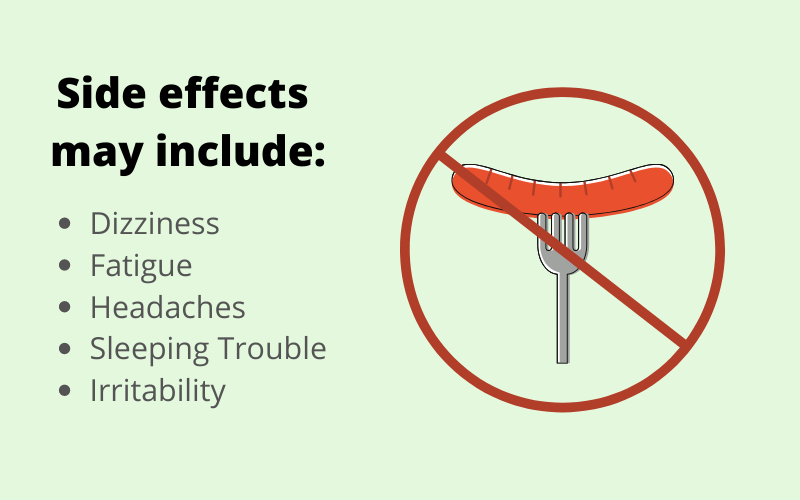
Introduction
Welcome to our site, where we emphasize the importance of fasting and healthy ways of eating. In this article, we will explore the side effects of stopping meat consumption and how it can impact your overall well-being. Whether you’re considering becoming a vegetarian or simply want to reduce your meat intake, understanding the potential effects on your health, both physical and mental, is essential. So let’s dive in!
Understanding Meat Consumption
Before we delve into the side effects of giving up meat, it’s crucial to understand the impact that meat consumption has on our health and the environment. Let’s take a closer look at these factors:
Impact of meat consumption on health
Overconsumption of meat has been linked to various health issues, including an increased risk of heart disease, high blood pressure, and certain types of cancer. Meat, especially red and processed meats, often contains high levels of cholesterol, saturated fats, and harmful additives. Cutting back on meat can potentially lower your risk of these health problems and lead to a healthier lifestyle.
Environmental effects of meat production
In addition to health considerations, the impact of meat production on the environment cannot be ignored. The meat industry contributes significantly to greenhouse gas emissions, deforestation, and water pollution. By reducing our meat consumption, we can play a part in mitigating these environmental effects and promoting sustainability.

Reasons for Stopping Meat Consumption
Now that we’ve explored the broader picture, let’s delve into the specific reasons why you may choose to stop eating meat:
Health benefits of vegetarianism
Vegetarianism has been associated with several health benefits. A plant-based diet rich in fruits, vegetables, whole grains, and legumes can provide essential nutrients, vitamins, and antioxidants that are beneficial for your overall health. Vegetarian diets have been linked to lower rates of obesity, improved heart health, and reduced cholesterol levels.
Ethical and moral arguments against meat consumption
Many people choose to give up meat due to ethical and moral concerns surrounding animal welfare. The meat industry often involves factory farming practices that raise ethical questions about the treatment of animals. By eliminating meat from your diet, you can align your eating habits with your values and contribute to the well-being of animals.
Nutritional Considerations
When transitioning to a meat-free diet, it’s important to ensure that you’re still meeting your nutritional needs. Here’s what you need to consider:
Finding alternatives to meat for protein
Protein is an essential macronutrient that can be obtained from various plant-based sources such as beans, lentils, chickpeas, tofu, tempeh, and quinoa. Incorporating these protein-rich foods into your diet can help you meet your daily protein requirements without relying on meat.
Ensuring a balanced diet without meat
Eliminating meat from your diet means you need to pay attention to other essential nutrients such as iron, vitamin B12, and omega-3 fatty acids. Iron can be obtained from sources like spinach, legumes, and fortified cereals. For vitamin B12, which is primarily found in animal products, consider taking a supplement or consuming fortified foods. Lastly, omega-3 fatty acids can be sourced from flaxseeds, chia seeds, walnuts, and algae-based supplements.
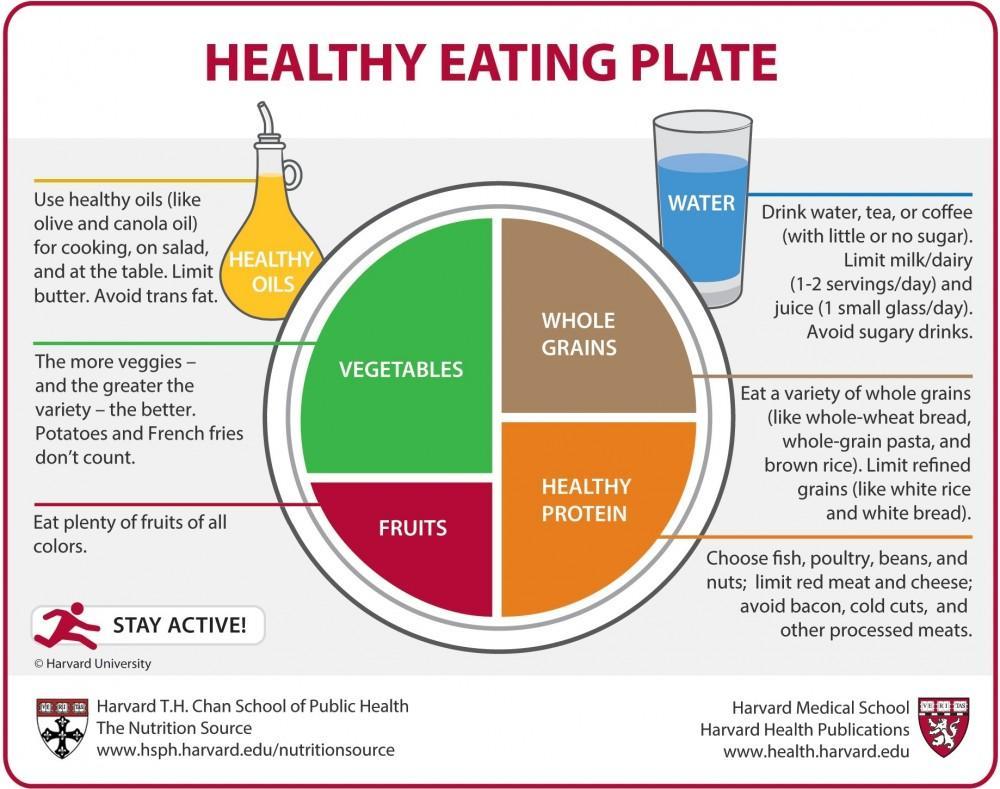
Physical Changes after Stopping Meat Consumption
Now that you understand the nutritional considerations, let’s explore the physical changes you may experience after giving up meat:
Weight loss or gain
Eliminating meat from your diet can lead to weight loss, especially if you replace it with nutrient-dense plant-based foods. However, it’s essential to maintain a balanced diet and monitor your calorie intake to prevent unintended weight gain. Consulting a nutritionist or dietitian can be helpful in achieving your desired weight goals.
Boost in energy levels
Many individuals report feeling more energetic and revitalized after stopping meat consumption. Plant-based foods are often easier to digest, providing a steady release of energy throughout the day. Additionally, a diet rich in fruits and vegetables can fuel your body with essential vitamins and minerals, leading to increased energy levels.
Change in bowel movements
Transitioning to a meat-free diet can result in changes in bowel movements. Plant-based foods are generally high in fiber, which helps regulate digestion and promote regular bowel movements. Some individuals may experience an initial adjustment period, but over time, these changes often lead to improved bowel regularity.
Effects on Mental Health
Apart from the physical changes, giving up meat can also have an impact on your mental well-being:
Improved mood and mental clarity
Studies have suggested that a plant-based diet may have a positive impact on mental health by reducing symptoms of anxiety and depression. The abundance of vitamins, minerals, and antioxidants found in plant-based foods can support brain health and boost serotonin levels. Serotonin is a neurotransmitter associated with mood regulation and overall well-being.
Challenges and potential pitfalls for mental well-being
It’s essential to acknowledge that changing your eating habits can be challenging, both physically and mentally. Some individuals may experience cravings for meat, especially during the initial stages. It’s crucial to find substitutes and explore new recipes to satisfy these cravings. Additionally, the social aspect of dining out or attending gatherings may require some adjustments, but with proper planning and communication, it can be managed effectively.
Transitioning to a Meat-Free Diet
When transitioning to a meat-free diet, there are a few considerations to keep in mind:
Gradual vs. immediate cessation of meat consumption
Deciding whether to gradually reduce your meat intake or stop immediately is a personal choice. Some individuals find it easier to make the switch gradually, allowing their bodies and taste buds to adjust over time. Others prefer to make a clean break, finding it easier to commit to their new dietary choices from the start. Whichever approach you choose, it’s important to listen to your body and make the transition at a pace that feels comfortable for you.
Dealing with cravings and food preferences
Cravings for meat are common, especially in the beginning. Experimenting with plant-based substitutes and exploring new recipes can help satisfy these cravings. Additionally, focusing on the wide variety of flavors and textures available in vegetarian and vegan cuisines can help you discover new favorite meals and make the transition more enjoyable.
Supportive Resources
Transitioning to a meat-free diet can be made easier with the following resources:
Cookbooks and recipes for vegetarian and vegan diets
There are countless cookbooks and online resources available with delicious and nutritious plant-based recipes. These resources provide inspiration and guidance on how to create tasty meals without meat. Some popular options include “The Oh She Glows Cookbook” by Angela Liddon and the “Thug Kitchen” series, which offers accessible and flavorful recipes.
Online communities and support networks
Joining online communities and support networks focused on vegetarianism or veganism can provide you with valuable insights, advice, and encouragement along your journey. These communities often share tips, recipes, and personal experiences, creating a sense of camaraderie and support.
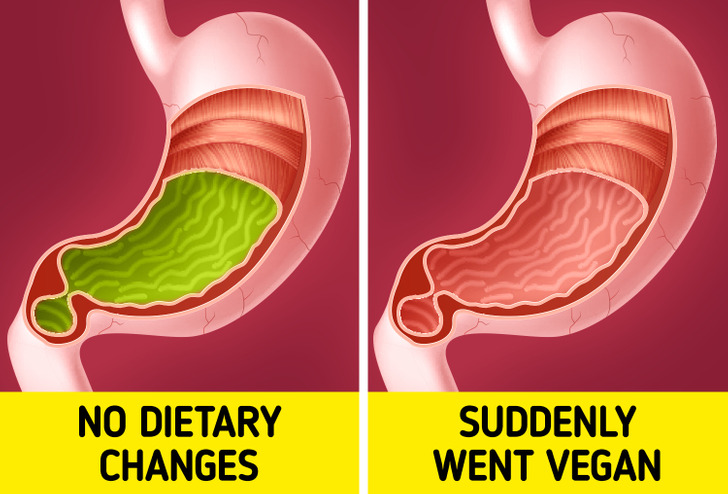
Addressing Concerns
To ensure a smooth transition, it’s important to address any concerns you may have:
Vitamin and mineral deficiencies
While a well-planned vegetarian or vegan diet can provide all the necessary nutrients, it’s important to pay attention to potential deficiencies. Regularly monitoring your nutrient levels, especially iron, vitamin B12, and omega-3 fatty acids, can help you identify any deficiencies and make adjustments or incorporate supplements as needed.
Potential social challenges and dining out
Eating out or attending social gatherings can present challenges when following a meat-free diet. However, many restaurants now offer vegetarian or vegan options, and communicating your dietary preferences with friends and family can help ensure there are suitable choices available. Exploring local vegan or vegetarian restaurants can also provide an opportunity to discover new and exciting flavors while dining out.
Conclusion
Transitioning to a meat-free diet can have various side effects, both physical and mental. By understanding the potential health benefits, nutritional considerations, and challenges associated with giving up meat, you can make informed decisions that support your overall well-being. Remember, everyone’s journey is unique, and it’s important to listen to your body, seek support when needed, and find joy in exploring new culinary experiences.
Stop Dieting
Have you ever tried countless diets, only to find yourself feeling frustrated and deprived? Well, guess what? It’s time to stop dieting and start embracing a healthier way of eating that will nourish your body and make you feel amazing. In this article, we’ll dive into the topic of why diets don’t work and explore the benefits of a more sustainable approach to food. So, get ready to discover a whole new perspective on nourishment that’ll leave you feeling satisfied and empowered!
Let’s face it, diets can be a real drag. Counting calories, restricting yourself from your favorite foods, and constantly feeling hungry is no way to live. But here’s the thing – there’s a better way. At our site, we’re all about embracing fasting and healthy ways of eating that not only contribute to weight loss but also promote overall well-being. We believe that it’s time to break free from the dieting mindset and focus on nourishing our bodies rather than depriving ourselves. So, get ready to learn more about the power of fasting and how it can transform your relationship with food. Trust us, you won’t want to miss out on this enlightening journey!
Stop Dieting
Are you tired of going on countless diets, only to see temporary results and then gain back the weight? The problem with traditional diets lies in their restrictive nature, the yo-yo effect they create, and the lack of sustainable results. This article will explore the alternative of fasting and adopting a healthy eating lifestyle as a more effective approach to long-term weight management. Additionally, we will discuss the importance of listening to your body, building a supportive environment, creating sustainable habits, addressing emotional factors, and celebrating non-scale victories. It’s time to stop dieting and start nourishing your body in a way that promotes overall health and wellness.
Restrictive Nature of Diets
One of the main issues with diets is their restrictive nature. Diets often require you to eliminate certain foods or entire food groups, which can be difficult to sustain in the long run. Not only does this make it challenging to enjoy meals and social events, but it also often leads to feelings of deprivation and cravings. Ultimately, this can result in binge-eating or falling back into unhealthy eating habits once the diet is over.
Yo-yo Effect of Diets
Another problem with diets is the yo-yo effect they create. When you drastically reduce your calorie intake or follow a strict eating plan, your body may respond by slowing down your metabolism. This can make it even more challenging to lose weight and can lead to regaining the lost weight once you return to normal eating habits. The constant cycle of losing and gaining weight can be frustrating and detrimental to your overall well-being.
Lack of Sustainable Results
Perhaps the most significant issue with traditional diets is the lack of sustainable results. Many diets promise quick weight loss but fail to address the long-term management of weight. As a result, people often find themselves back where they started, or even heavier than before, once they stop following the diet. This constant cycle of losing and gaining weight can be harmful to your physical and mental health.
Understanding Fasting as an Alternative
Instead of relying on restrictive diets, a more effective approach to weight management is through fasting. Fasting refers to voluntarily abstaining from consuming food for a specific period. When done correctly and under professional guidance, fasting can provide numerous health benefits, including weight loss, improved blood sugar control, increased energy, and enhanced cellular repair processes.
Definition of Fasting
Fasting involves intentionally refraining from eating for a certain period. There are various types of fasting, including intermittent fasting, alternate-day fasting, and extended fasting. The specific duration of fasting depends on your goals and individual needs. It is essential to consult with a healthcare professional or a registered dietitian before embarking on a fasting journey to ensure it is safe and suitable for you.
Different Types of Fasting
Intermittent fasting is a popular fasting method that involves cycling between periods of eating and fasting. The most common approach is the 16/8 method, where you restrict your eating window to 8 hours per day and fast for the remaining 16 hours. Alternate-day fasting, as the name suggests, involves fasting every other day or reducing calorie intake to around 25% of your normal intake on fasting days. Extended fasting refers to fasting for longer durations, typically ranging from 24 to 72 hours or more.
Benefits of Fasting
Fasting has been associated with various health benefits. Apart from promoting weight loss, fasting can improve insulin sensitivity, lower inflammation, regulate hormones, and support cellular repair processes. Additionally, fasting may help reduce the risk of chronic diseases, such as type 2 diabetes, heart disease, and certain types of cancer. It is important to note that fasting is not suitable for everyone, including pregnant or breastfeeding women, individuals with certain medical conditions, or those with a history of disordered eating.
Adopting a Healthy Eating Lifestyle
In conjunction with fasting, adopting a healthy eating lifestyle is crucial for long-term weight management and overall health. Diets often focus solely on calorie restriction, whereas a healthy eating lifestyle emphasizes balanced nutrition, whole foods, and portion control.
Importance of Balanced Nutrition
Balanced nutrition involves consuming a variety of foods from different food groups to meet your body’s nutritional needs. It is important to include lean proteins, whole grains, fruits, vegetables, and healthy fats in your meals. Avoiding highly processed foods, excessive added sugars, and unhealthy fats can promote optimal health and weight management.
Incorporating Whole Foods
Whole foods are minimally processed and retain their natural nutrients. They are typically low in added sugars, sodium, and unhealthy fats. Incorporating whole foods such as fruits, vegetables, whole grains, lean proteins, and legumes into your meals can provide your body with essential vitamins, minerals, and fiber. These nutrients help support digestion, boost energy levels, and regulate hunger cues.
Portion Control
Portion control plays a vital role in maintaining a healthy weight. It involves being mindful of the quantity of food you consume and ensuring your portion sizes align with your body’s energy needs. Paying attention to portion sizes can prevent overeating and enable you to enjoy a wide variety of foods while still maintaining a calorie balance for weight control.
Listening to Your Body
Developing mindful eating habits and listening to your body’s hunger and fullness cues are key components of a healthy eating lifestyle.
Developing Mindful Eating Habits
Mindful eating involves paying full attention to the experience of eating and being present in the moment. It includes being aware of your physical sensations, emotions, and thoughts related to food. By practicing mindful eating, you can enhance your enjoyment of food, recognize true hunger and fullness signals, and make conscious decisions about what and how much you eat.
Understanding Hunger and Fullness Cues
Understanding your body’s hunger and fullness cues is essential for maintaining a healthy weight. It is important to eat when you are truly hungry and stop eating when you are comfortably full. This requires tuning in to your body’s physical signals, such as stomach grumbling or feeling satisfied, rather than relying on external cues or emotional triggers.
Embracing Intuitive Eating
Intuitive eating is a philosophy that encourages you to trust your body’s innate wisdom to guide your eating decisions. It involves honoring your hunger, respecting your fullness, and finding satisfaction in your food choices. By focusing on your body’s needs and desires, rather than external diet rules, you can develop a healthy and sustainable relationship with food.
Building a Supportive Environment
Creating a supportive environment is crucial for adopting healthy eating habits and maintaining long-term dietary changes.
Surrounding Yourself with Healthy Influences
Surrounding yourself with healthy influences can greatly impact your eating habits. Engage with friends and family members who prioritize healthy eating and share similar goals. This can provide motivation, support, and accountability along your journey.
Finding an Accountability Partner
Having an accountability partner can be immensely beneficial. Find a friend, family member, or even join a community or online group focused on healthy eating and weight management. Sharing your successes and challenges with someone who understands can make your journey more enjoyable and sustainable.
Addressing Emotional Eating
Emotional eating can sabotage your weight management efforts. Recognize and address emotional triggers for overeating, such as stress, boredom, or sadness. Instead of turning to food for comfort, find alternative healthy coping mechanisms, such as exercise, journaling, or seeking professional help if needed.
Creating Sustainable Habits
Building sustainable habits is crucial for long-term weight management and overall health.
Setting Realistic Goals
Setting realistic goals is an important aspect of sustainable weight management. Instead of aiming for rapid weight loss, focus on gradual and steady progress. Set specific, measurable, attainable, relevant, and time-bound (SMART) goals that align with your personal preferences and lifestyle.
Establishing a Regular Exercise Routine
Regular exercise is essential for maintaining a healthy weight and overall well-being. Find activities you enjoy, whether it be walking, jogging, swimming, or dancing. Aim for at least 150 minutes of moderate-intensity aerobic exercise per week, along with strength training exercises for muscle maintenance and toning.
Maintaining Consistency
Consistency is key when it comes to sustainable weight management. Make healthy eating and regular physical activity a part of your daily routine. Remember, it’s not about perfection but about making progress and consistently making choices that align with your health goals.
The Role of Proper Hydration
Proper hydration is often overlooked but plays a significant role in overall health and weight management.
Understanding the Importance of Water
Water is essential for maintaining bodily functions, maintaining proper hydration levels, and supporting metabolism. It is recommended to drink at least 8 cups (64 ounces) of water per day, but individual needs may vary depending on factors such as activity level and climate.
Signs of Dehydration
Dehydration can have various negative effects on your body, including fatigue, decreased concentration, headaches, and impaired physical performance. It is important to stay hydrated by drinking water regularly throughout the day, especially during physical activity or in hot weather.
Tips for Staying Hydrated
To stay hydrated, carry a water bottle with you throughout the day as a reminder to drink. Pay attention to your body’s signals of thirst and drink before you feel excessively thirsty. Additionally, consume hydrating foods such as fruits, vegetables, and soups that have high water content.
Addressing Emotional Factors
Emotional factors, such as stress, boredom, or sadness, can often contribute to unhealthy eating habits.
Examining Emotional Triggers for Overeating
Take the time to examine your emotional triggers for overeating. Are you eating out of boredom, stress, or to numb your emotions? By recognizing these triggers, you can find healthier ways to cope with emotions and reduce reliance on food for emotional comfort.
Finding Healthy Coping Mechanisms
Instead of turning to food for emotional comfort, explore alternative healthy coping mechanisms. Engage in activities that bring you joy and help you relax, such as reading, practicing mindfulness or meditation, spending time in nature, or pursuing a hobby. Finding positive ways to cope with emotions can help break the cycle of emotional eating.
Seeking Professional Help if Needed
If emotional eating becomes a persistent issue or significantly impacts your well-being, it is essential to seek professional help. A registered dietitian or therapist can provide guidance and support in addressing the underlying emotional factors contributing to your eating habits.
Celebrating Non-Scale Victories
Weight is not the only measure of success when it comes to adopting a healthy lifestyle. It is crucial to recognize and celebrate non-scale victories along your journey.
Recognizing Other Signs of Progress
Non-scale victories include improvements in energy levels, increased strength and endurance, improved mental well-being, better sleep quality, and increased confidence. These achievements are just as important as changes in weight and reflect the positive impact of your healthier habits on your overall health and well-being.
Focusing on Health and Wellness Instead of Weight
Shifting your focus from weight loss to overall health and wellness can be empowering. With a focus on nourishing your body with nutrient-dense foods, engaging in regular physical activity, and prioritizing self-care, you can improve your overall well-being and cultivate a positive relationship with your body.
Embracing Body Positivity
Embracing body positivity entails accepting and appreciating your body for what it can do, rather than focusing on its appearance. Respect and love your body, regardless of its size or shape, and prioritize self-care practices that promote your physical and mental well-being.
Conclusion
It’s time to break free from the cycle of restrictive diets and start nourishing your body in a way that promotes health and wellness. By incorporating fasting, adopting a healthy eating lifestyle, listening to your body, building a supportive environment, creating sustainable habits, addressing emotional factors, and celebrating non-scale victories, you can achieve long-term weight management and improve your overall well-being. Remember, it’s about making sustainable changes and finding joy in nourishing your body, rather than chasing temporary results. So, stop dieting and start living a healthier, happier life.
How Do I Stop Eating Junk Food

Have you ever found yourself unable to resist the temptation of junk food? You know, that irresistible bag of chips or that sugary candy bar calling your name from the pantry? Well, you’re not alone. We all have that little voice inside our heads saying, “Just one more bite won’t hurt.” But let’s face it, indulging in junk food too often can have negative effects on our health. So, how do you stop eating junk food and adopt a healthier lifestyle?
In this article, we’ll delve into the topic in a friendly and conversational tone to help you find the answer. From understanding the triggers that lead to craving junk food to suggesting practical tips and alternatives, we’ll guide you every step of the way. Whether you’re looking to lose weight, improve your overall well-being, or simply want to break the addictive cycle of junk food, you’ll find valuable insights and strategies here. So, let’s get started and discover how you can overcome your cravings and make healthier choices for yourself.

How Do I Stop Eating Junk Food
Understanding the Impact of Junk Food on Our Health
Junk food has become a prevalent part of our modern diet, with its easy accessibility and tempting flavors. However, indulging in these processed and unhealthy foods comes at a cost. The negative effects of consuming junk food on our bodies are concerning and can lead to various health issues.
Consuming junk food regularly can contribute to obesity, high blood pressure, and heart disease. These foods are typically loaded with unhealthy fats, added sugars, and excess sodium, which can wreak havoc on our overall health. Additionally, junk food lacks essential nutrients and fiber, leading to nutritional deficiencies and digestive problems.
Furthermore, studies have shown a strong correlation between junk food consumption and mental health issues such as depression and anxiety. The excessive intake of processed and sugary foods can disrupt the delicate balance of neurotransmitters in our brain, affecting our mood and overall well-being. It is crucial to understand how junk food affects our mental health to make informed choices about our dietary habits.
Chronic diseases such as Type 2 diabetes and certain types of cancer have also been linked to the regular consumption of junk food. These diseases can significantly impact our quality of life and increase the risk of premature death. By recognizing the link between junk food and chronic diseases, we can better understand the importance of adopting a healthier lifestyle.
Recognizing the Signs of Junk Food Addiction
The concept of food addiction is not widely known, but it is a real phenomenon that many individuals struggle with. Similar to substance addiction, food addiction involves a loss of control and an intense craving for certain foods, particularly those high in sugar, fat, and salt. Recognizing the signs of junk food addiction is the first step towards overcoming this harmful habit.
Some signs that indicate a junk food addiction include: an inability to resist cravings, unsuccessful attempts to stop or cut back on junk food consumption, and a preoccupation with obtaining and consuming unhealthy foods. Both psychological and physical cravings can arise when one is addicted to junk food, making it challenging to break free from this cycle.
Developing a Strong Motivation to Quit Junk Food
Quitting junk food requires a strong motivation and determination to prioritize one’s health and well-being. Setting clear health and wellness goals is essential to stay on track. Whether it is losing weight, improving fitness levels, or reducing the risk of chronic diseases, having a clear vision of what you want to achieve will help you stay focused and committed.
Understanding the benefits of a junk food-free lifestyle is also crucial. By eliminating these unhealthy foods from your diet, you give your body the opportunity to thrive. Increased energy levels, improved digestion, better mental clarity, and a stronger immune system are just a few of the benefits you can expect to experience.
Finding personal reasons for quitting junk food can further strengthen your motivation. Perhaps you want to be a positive role model for your children, or you have a family history of chronic diseases that you wish to avoid. Identifying these personal motivations will provide you with an extra push on your journey to ditching junk food.
Creating a Healthy Meal Plan
Planning and preparing meals in advance is key to maintaining a healthy eating routine. By having nutritious options readily available, you are less likely to resort to junk food when hunger strikes. Building a balanced diet with whole and nutritious foods should be the primary focus of your meal plan.
Incorporate a variety of fruits, vegetables, whole grains, lean proteins, and healthy fats into your meals. These foods provide essential vitamins, minerals, and fiber that your body needs to function optimally. Experiment with different flavors and cooking methods to keep your meals interesting and enjoyable.
When dining out or ordering in, it is important to make smart choices. Many restaurants now offer healthier options or can accommodate special requests such as substituting fries for a side salad. Being mindful of your choices and selecting nutrient-dense options will contribute to your overall goal of quitting junk food.
Building a Support System
Having a strong support network is significant when embarking on a journey to quit junk food. Seek encouragement and guidance from friends and family who understand and support your goals. Sharing your progress and challenges with loved ones will not only provide you with accountability but also motivate you to stay on track.
Online communities or support groups can also be a valuable resource. These platforms allow you to connect with individuals who are going through similar experiences and provide a sense of solidarity. Sharing tips, success stories, and even struggles can help you navigate the ups and downs of quitting junk food.
Reprogramming Your Taste Buds
Quitting junk food requires reprogramming your taste buds to appreciate natural and wholesome foods. Gradually reducing the intake of processed and sugary foods will allow your taste buds to adjust. Over time, you will find yourself craving healthier options and enjoying the natural flavors of whole foods.
Experimenting with new flavors and healthy alternatives is crucial in reprogramming your taste buds. Try incorporating different herbs and spices into your cooking to enhance the taste of your meals. Explore new fruits, vegetables, and grains to diversify your palate and discover exciting and nutritious options.
Training your palate to enjoy natural and wholesome foods may take time and patience. Be open to trying new things and give yourself permission to explore and adjust to this new way of eating. Eventually, you will find that your cravings for junk food diminish, and your body will thank you for nourishing it with beneficial nutrients.
Managing Cravings and Emotional Eating
Identifying triggers for junk food cravings is essential in managing them effectively. Stress, boredom, and emotional distress often contribute to unhealthy food cravings. By recognizing these triggers, you can develop strategies to cope with emotional eating and prevent giving in to the desire for junk food.
Developing alternative activities to distract from cravings can be highly effective. Engage in activities you enjoy, such as going for a walk, practicing mindfulness or meditation, or pursuing a hobby. Channeling your energy into something positive and fulfilling will help shift your focus away from unhealthy food cravings.
Maintaining Consistency and Accountability
Creating a sustainable and realistic plan is crucial for long-term success in quitting junk food. Adopting a healthy eating routine that fits your lifestyle and preferences will make it easier to maintain consistency. Remember, it is the small, consistent changes that lead to significant results.
Tracking your progress and celebrating achievements along the way is important to stay motivated. Keep a food journal to monitor your eating habits and note any improvements you notice in your overall health and well-being. Celebrate each milestone, no matter how small, as it signifies your commitment and progress.
Seeking professional help, such as a registered dietitian or therapist, may be necessary for some individuals. These professionals can provide personalized guidance, support, and expertise to navigate the challenges of quitting junk food. Do not hesitate to reach out for assistance if needed.
Dealing with Relapses and Setbacks
Setbacks are a normal part of any journey, including quitting junk food. It is essential to adopt a forgiving and compassionate attitude towards yourself when experiencing relapses. Instead of dwelling on setbacks, focus on learning from them and adjusting your approach accordingly.
Evaluate the circumstances that led to the relapse and identify strategies to prevent similar situations in the future. It may be helpful to reassess your motivations and remind yourself of why you wanted to quit junk food in the first place. Stay committed to your goals and trust in your ability to overcome challenges along the way.
Conclusion
The journey to stop eating junk food requires dedication, perseverance, and a commitment to prioritize your health and well-being. By implementing the strategies mentioned above, it is possible to overcome cravings and lead a healthier lifestyle. Embracing whole and nutritious foods will not only improve your overall well-being but also prevent future health complications. Remember, you have the power to take control of your dietary habits and create positive change in your life.
How To Stop Cravings At Night
Do you ever find yourself craving unhealthy snacks late at night? You know, when you’re snuggled up on the couch binge-watching your favorite show and all you can think about is raiding the pantry for a bag of potato chips or a box of cookies. Well, fear not! In this article, we’re going to discuss some tips and tricks to help you conquer those pesky cravings and stick to your healthy eating habits even at night.
Late-night cravings can often be the downfall of our healthy eating plans, but with a little bit of knowledge and some self-control, you can overcome them. We’ll explore the reasons why we experience cravings at night and provide you with strategies to combat them. From simple tricks like keeping yourself busy to finding healthier alternatives to satisfy your cravings, we’ve got you covered. So, if you’re tired of succumbing to late-night snacking temptations, keep reading and discover how you can take control of those cravings once and for all. Trust us, you won’t want to miss out on this valuable information!
How To Stop Cravings At Night
Do you find yourself raiding the refrigerator late at night, searching for something to satisfy your cravings? You are not alone. Many people experience intense cravings for unhealthy foods during nighttime hours. Understanding the science behind these cravings, as well as adopting healthy eating routines and mindful eating strategies, can help you overcome these urges and take control of your nighttime snacking habits. In this article, we will explore the causes of nighttime cravings, the role of hormones in triggering these cravings, and provide tips on how to manage and overcome them.
The Science Behind Cravings
Cravings are a strong desire for a specific type of food and typically involve a preference for high-calorie, sweet, or salty foods. They can be driven by a variety of factors, including emotions, habit, and even nutrient deficiencies. At night, cravings can be particularly challenging to resist due to a combination of factors such as fatigue, boredom, and reduced willpower.
Common Causes of Nighttime Cravings
Nighttime cravings can be attributed to several factors. One common cause is emotional triggers. Many people find themselves reaching for comfort foods like ice cream or cookies during stressful or emotional times. Additionally, boredom can contribute to cravings, as the mind searches for stimulation and pleasure. Finally, irregular meal patterns or skipping meals can lead to hunger pangs at night, making it difficult to resist the temptation of unhealthy snacks.
The Role of Hormones in Cravings
Hormones play a significant role in regulating appetite and satiety. Two hormones in particular, ghrelin and leptin, are responsible for signaling hunger and fullness to the brain. Ghrelin, often referred to as the “hunger hormone,” increases appetite, while leptin, known as the “satiety hormone,” decreases appetite. Inadequate sleep or poor sleep quality can disrupt the balance of these hormones, leading to increased hunger and cravings, especially for sugary and calorie-dense foods.
Creating a Healthy Eating Routine
The Importance of Meal Planning
Meal planning is a crucial step in establishing a healthy eating routine and preventing nighttime cravings. By planning and preparing meals in advance, you can ensure that you have nutritious and satisfying options readily available. This can help prevent impulsive snacking and keep your cravings in check. Make a shopping list, choose nutrient-dense foods, and consider portion sizes to maintain a balanced diet.
Balancing Macronutrients
Balancing macronutrients – protein, carbohydrates, and fats – is essential for satiety and managing cravings. Including adequate protein in your meals can help you feel full for longer periods and reduce the likelihood of snacking. Opt for lean sources of protein, such as chicken, fish, beans, or tofu. Incorporate complex carbohydrates like whole grains, fruits, and vegetables, which provide sustained energy and keep you feeling satisfied. Healthy fats, like those found in avocados, nuts, and olive oil, can also help curb cravings.
Avoiding Restrictive Diets
While it may be tempting to resort to restrictive diets to address nighttime cravings, they are not sustainable or beneficial in the long run. Restricting certain foods or entire food groups can lead to nutrient deficiencies and irregular eating patterns, which can exacerbate cravings. Instead, focus on adopting a balanced and varied diet that includes all food groups. Moderation, portion control, and mindful eating are key to developing a healthy relationship with food and reducing cravings.
Mindful Eating Strategies
Recognizing Emotional Triggers
Mindful eating involves paying attention to the present moment while eating and being aware of your thoughts, feelings, and sensations. By recognizing the emotional triggers that lead to nighttime cravings, you can develop strategies to address them. Keep a journal to track your cravings and emotions associated with them. Once you identify patterns, you can find alternative ways to cope with stress or boredom, such as engaging in hobbies, practicing relaxation techniques, or seeking support from loved ones.
Practicing Mindfulness
In addition to recognizing emotional triggers, practicing mindfulness can help you overcome cravings. Slow down and savor each bite, paying attention to the flavors, textures, and smells of your food. By eating slowly and mindfully, you can give your brain enough time to register satisfaction, reducing the urge to overeat or indulge in unhealthy snacks. Avoid distractions, such as screens or multitasking, and focus solely on enjoying your meal.
Using Hunger-Fullness Cues
Listening to your body’s hunger and fullness cues is essential in managing cravings. Before reaching for a snack, ask yourself if you are truly hungry or if there is another underlying reason for the craving. Rate your hunger on a scale of 1 to 10, with 1 being extremely hungry and 10 being overly full. Aim to eat when your hunger is around a 4 or 5 and stop when you are comfortably satisfied, around a 6 or 7. Being in tune with your body’s cues can help you eat more mindfully and prevent overeating.
Nutritional Approaches to Reduce Cravings
Incorporating Protein-Rich Foods
Including protein-rich foods in your meals and snacks can help reduce cravings and promote satiety. Protein takes longer to digest than carbohydrates and fats, keeping you feeling full for longer periods. Consider adding lean meats, poultry, fish, eggs, dairy products, and plant-based protein sources like legumes and tofu to your meals. Snacking on protein-rich options, such as Greek yogurt or almonds, can also help stave off nighttime cravings.
Choosing Complex Carbohydrates
When selecting carbohydrates, opt for complex carbohydrates over simple sugars. Complex carbohydrates take longer to break down and provide a steadier release of energy, reducing blood sugar spikes and cravings. Whole grains, fruits, and vegetables are excellent sources of complex carbohydrates. Incorporate these into your meals and snacks to maintain stable blood sugar levels and keep cravings at bay.
Including Healthy Fats
Healthy fats are an important part of a balanced diet and can help satisfy cravings. They provide flavor and texture to meals, making them more enjoyable and satisfying. Avocados, nuts, seeds, olive oil, and fatty fish like salmon are all excellent sources of healthy fats. Including a small amount of healthy fats in each meal can help control cravings and keep you feeling satisfied.

Managing Stress and Sleep
Understanding the Connection
Stress and sleep deprivation can significantly impact cravings and eating behaviors. When you are stressed, your body releases the hormone cortisol, which can increase appetite and drive cravings for high-calorie and sugary foods. Lack of sleep also disrupts the balance of hunger hormones, ghrelin and leptin, making it more challenging to control cravings. By managing stress and improving sleep quality, you can reduce the likelihood of nighttime cravings.
Implementing Relaxation Techniques
Implementing relaxation techniques can help manage stress and reduce cravings. Find activities that help you unwind and relax, such as practicing deep breathing exercises, engaging in yoga or meditation, taking a warm bath, or listening to calming music. Experiment with different techniques until you find what works best for you. By incorporating relaxation into your daily routine, you can help reduce stress levels and minimize nighttime cravings.
Improving Sleep Quality
Prioritizing sleep and improving sleep quality is essential in managing cravings. Aim for seven to nine hours of uninterrupted sleep each night. Create a relaxing bedtime routine and establish a consistent sleep schedule. Avoid caffeine and electronic devices before bed, as they can interfere with sleep. By getting enough restful sleep, you can regulate hunger hormones and reduce the likelihood of succumbing to nighttime cravings.
Alternative Food Choices
Healthy Snack Ideas
Instead of reaching for unhealthy snacks, keep a variety of healthy options readily available. Choose snacks that combine protein, complex carbohydrates, and healthy fats to provide sustained energy and keep you feeling satisfied. Some healthy snack options include Greek yogurt with berries, carrots and hummus, apple slices with almond butter, or a handful of nuts and seeds. Experiment with different combinations to find snacks that satisfy your cravings while nourishing your body.
Finding Substitutes for Sugary Treats
If you find yourself craving something sweet at night, look for healthier substitutes that can satisfy your craving without derailing your healthy eating goals. Fresh fruits, such as berries or sliced melon, can provide natural sweetness and nutrients. If you prefer a more indulgent option, opt for dark chocolate with at least 70% cocoa content. Dark chocolate is lower in sugar and contains antioxidants that promote heart health.
Exploring Low-Calorie Desserts
For those who enjoy a nightly dessert, there are low-calorie options available that can satisfy your cravings without sabotaging your healthy eating habits. Frozen yogurt or a small portion of light ice cream made from natural ingredients can provide a refreshing and guilt-free dessert. Alternatively, you can create your own dessert using fruits, yogurt, and a small drizzle of honey or maple syrup. Get creative and experiment with flavors to find a low-calorie dessert that appeals to your taste buds.

Reducing External Triggers
Limiting Exposure to Junk Food
Reducing exposure to tempting foods can significantly reduce cravings. Keep your pantry and refrigerator stocked with nutritious foods and avoid buying sugary or high-calorie snacks. Instead, fill your environment with healthy alternatives that align with your health goals. If you live with others who indulge in unhealthy snacks, ask them to keep these items out of sight or in designated areas to avoid unnecessary temptations.
Creating a Supportive Environment
Creating a supportive environment can make it easier to overcome cravings. Communicate with your loved ones about your goals and ask for their support in making healthy choices. Encourage family and friends to join you in adopting healthier eating habits or engage in activities that do not revolve around food. Surrounding yourself with like-minded individuals who prioritize health can positively influence your own behaviors and help you stay on track.
Avoiding Nighttime Screen Time
Spending excessive time in front of screens, such as computers, televisions, or smartphones, can contribute to nighttime cravings. The blue light emitted by these devices can disrupt sleep patterns and increase hunger hormones. Additionally, watching food-related content or scrolling through social media feeds filled with mouthwatering images can trigger cravings. Limit screen time before bed and engage in activities that promote relaxation and sleep instead.
Tips for Overcoming Cravings in the Moment
Engaging in a Distraction
When cravings strike, engaging in a distraction can help divert your attention away from food. Find an activity that captures your focus and keeps your hands busy, such as reading a book, completing a puzzle, or doing a craft. Alternatively, go for a walk, exercise, or engage in a hobby that you enjoy. By focusing on something other than your cravings, you can overcome the urge to snack.
Brushing Your Teeth
Brushing your teeth can serve as a powerful tool to overcome nighttime cravings. The minty flavor of toothpaste can suppress your appetite and make the thought of eating something unappealing. Additionally, the act of brushing your teeth signals the end of eating for the night, helping you establish a cutoff point for snacking.
Having a Cup of Herbal Tea
Sipping on herbal tea can be a relaxing and soothing way to overcome cravings. Choose a caffeine-free herbal tea, such as chamomile, peppermint, or lavender, to promote relaxation and improve sleep. The warmth of the tea can help you feel satisfied and satiated, preventing the need for unnecessary snacking.

Seeking Support and Accountability
Enlisting a Buddy
Having a support buddy can greatly enhance your efforts to overcome cravings. Find someone with similar goals and dietary preferences who can provide motivation and accountability. Share your challenges and successes with each other, exchange healthy recipes or meal ideas, and encourage one another to stay on track. Knowing that someone else is on the same journey can make it easier to overcome cravings and maintain a healthy eating routine.
Joining a Support Group
If you prefer a wider network of support, consider joining a support group or online community focused on healthy eating and overcoming cravings. These groups provide a platform to share experiences, seek advice, and celebrate victories. Through regular interactions with like-minded individuals, you can gain valuable insights, learn new strategies, and stay motivated in your journey towards healthier habits.
Tracking Your Progress
Tracking your progress is an effective way to stay accountable and motivated. Use a food diary or a smartphone app to record your meals, snacks, cravings, and emotions associated with them. This not only helps you identify patterns and triggers but also allows you to reflect on your progress over time. Celebrate your accomplishments, whether it’s a day without giving in to cravings or incorporating more nutritious foods into your diet. Small steps and consistent effort lead to lasting change.
Conclusion
Taking control of nighttime cravings is a key step towards building a sustainable approach to healthy eating. Understanding the science behind cravings, adopting a healthy eating routine, practicing mindful eating strategies, and incorporating nutritional approaches can help you overcome cravings and establish a positive relationship with food. By managing stress and optimizing sleep, reducing external triggers, and seeking support and accountability, you can successfully curb nighttime cravings and pave the way towards a healthier and more balanced lifestyle. Remember, progress is a journey, and it’s never too late to start taking control of your cravings and building a healthier you.
Eat stop Eat

