
admin
Stop Boredom Eating

Do you ever find yourself mindlessly reaching for snacks when you’re bored? Maybe you’re sitting at your desk, trying to focus on work, but all you can think about is the bag of chips in your pantry. Well, if this sounds familiar, you’re not alone. Many of us tend to indulge in boredom eating, especially when we’re stressed or feeling a bit restless. But don’t worry, in this article, you’ll learn some effective strategies to help you break this habit and make healthier choices.
Let’s face it, we all have those moments when we’re bored out of our minds and looking for something to do. And for some reason, food always seems to be the go-to solution. But here’s the thing: boredom eating not only adds unnecessary calories to our diet, but it can also be a result of emotional eating, where we use food to fill a void or cope with stress. So, how can we put an end to this cycle? In this article, we’ll explore various tips and techniques to help you stop boredom eating and find healthier ways to pass the time. From finding alternative activities to managing cravings, you’ll find plenty of helpful strategies that will empower you to make conscious choices when it comes to snacking. So, let’s dive in and discover how you can break free from the boredom eating trap!

Stop Boredom Eating
Understanding Boredom Eating
Boredom eating, also known as emotional eating or stress eating, refers to the act of consuming food not out of physical hunger but as a means of alleviating boredom or dealing with negative emotions. It is a common behavior that many individuals resort to, especially when faced with idle time or feelings of restlessness. Boredom eating often involves mindless eating, where individuals consume food without being fully aware of what or how much they are eating.
Causes of Boredom Eating
There are several factors that contribute to boredom eating. One of the main causes is the desire for immediate gratification. When bored, individuals seek instant pleasure, and food provides a quick and easy way to achieve that. Additionally, emotions such as stress, anxiety, and loneliness can also trigger boredom eating, as individuals use food as a source of comfort and distraction.
Effects of Boredom Eating
Boredom eating can have detrimental effects on one’s physical and emotional well-being. Physically, it can lead to weight gain and the development of unhealthy eating habits. Emotional consequences include guilt, shame, and a sense of loss of control around food. Over time, these effects can have a negative impact on self-esteem and overall quality of life.
Recognizing Boredom Eating Triggers
Identifying Emotional Triggers
One of the first steps to overcoming boredom eating is recognizing the emotional triggers that lead to this behavior. This involves identifying the emotions that precede or accompany the urge to eat out of boredom. For example, stress, anger, sadness, or even feelings of emptiness can all be emotional triggers for boredom eating. By acknowledging these emotions, you can start developing healthier coping mechanisms.
Identifying Environmental Triggers
In addition to emotional triggers, certain environmental cues can also contribute to boredom eating. These cues can include the sight or smell of food, the presence of snacks readily available in the pantry, or even the act of watching TV or being on social media. By becoming aware of these environmental triggers, you can take steps to counteract them and create a more conducive environment for healthy eating.
Identifying Situational Triggers
Situations can also play a role in boredom eating. For example, being stuck in traffic, waiting in line, or having free time with no particular activity can all trigger the urge to eat out of boredom. By recognizing these situational triggers, you can proactively plan alternative activities to engage in instead of turning to food.

Creating a Healthy Eating Plan
Establishing Regular Meal Times
One effective strategy to combat boredom eating is to establish regular meal times. This helps regulate your hunger and prevents excessive snacking between meals. By structuring your meals and snacks throughout the day, you are less likely to succumb to the temptation of boredom eating.
Incorporating Nutritious Foods
Another important aspect of a healthy eating plan is incorporating nutritious foods. Opt for whole grains, lean proteins, fruits, and vegetables that can provide essential nutrients and keep you feeling satisfied for longer periods. Avoid highly processed, sugary foods that can contribute to cravings and further boredom eating.
Mindful Eating Techniques
Practicing mindful eating techniques can also be beneficial in combating boredom eating. By focusing on the sensory experience of eating, such as the taste, texture, and smell of food, you can slow down the eating process and become more aware of your body’s hunger and fullness signals. This helps prevent mindless eating and encourages a healthier relationship with food.
Finding Alternative Activities
Engaging in Physical Exercise
Engaging in physical exercise is a great way to divert your attention from boredom and reduce the urge to eat. Exercise releases endorphins, which are natural mood enhancers, and can help alleviate stress and anxiety. Find activities that you enjoy, whether it’s going for a walk, practicing yoga, or participating in a sport, and make them a part of your daily routine.
Exploring Hobbies and Interests
One of the best ways to combat boredom is by exploring hobbies and interests that engage your mind and occupy your time. Whether it’s painting, reading, playing a musical instrument, or learning a new skill, finding activities that you enjoy can divert your attention away from food and provide a sense of fulfillment.
Connecting with Others
Spending quality time with friends and loved ones can also help prevent boredom eating. Socializing not only distracts you from the urge to eat out of boredom but also provides emotional support and a sense of connection. Plan outings, have virtual hangouts, or join group activities that allow you to interact with others and enjoy each other’s company.

Conquering Emotional Eating
Identifying Emotional Hunger vs. Physical Hunger
One key aspect of overcoming boredom eating is learning to differentiate between emotional hunger and physical hunger. Emotional hunger is often sudden, intense, and specific to certain foods, while physical hunger develops gradually and can be satisfied with a variety of nourishing foods. By being mindful of these differences, you can better understand your body’s true needs and make conscious choices about what and when to eat.
Developing Coping Mechanisms
Developing healthy coping mechanisms is crucial in combating emotional eating. Instead of turning to food for comfort, find alternative ways to manage negative emotions. This could include practicing relaxation techniques, such as deep breathing or meditation, journaling your thoughts and feelings, or seeking support from a trusted friend or professional.
Seeking Professional Help if Needed
If emotional eating becomes persistent and interferes with your daily life, it may be beneficial to seek professional help. A therapist or counselor can assist in addressing underlying emotional issues and provide guidance on developing healthier coping mechanisms. They can also help you navigate any challenges you encounter on your journey to stop boredom eating.
Overcoming Environmental Challenges
Eliminating Tempting Snacks from the Pantry
One effective strategy for overcoming environmental challenges is to eliminate tempting snacks from your pantry. Keeping a stock of unhealthy, high-calorie foods readily available can increase the likelihood of boredom eating. Instead, stock your shelves with nutritious options, such as fruits, vegetables, and whole grain snacks.
Creating a Positive Food Environment
Creating a positive food environment can also help curb boredom eating. This involves organizing your kitchen and dining area in a way that promotes healthy eating habits. Keep fresh produce visible, store healthy snacks in easily accessible containers, and create an inviting and clutter-free space for meals.
Planning Ahead for Healthy Options
Planning ahead can be instrumental in overcoming environmental challenges. By prepping meals and snacks in advance, you can avoid the temptation of turning to unhealthy options when boredom strikes. Pack nutritious snacks for work or outings, and plan your meals to ensure you have a variety of wholesome options available.

Dealing with Situational Triggers
Preparing for Social Events and Gatherings
Social events and gatherings often present challenges for those trying to overcome boredom eating. To navigate these situations, it can be helpful to plan ahead. Eat a nutritious meal before attending the event to reduce the temptation to snack mindlessly. Be mindful of portion sizes and choose healthier options when available. Additionally, engage in conversations and activities to divert your attention from food.
Handling Boredom at Work or Home
Boredom at work or home can be a major trigger for mindless snacking. To combat this, find ways to break up the monotony and engage your mind. Take short breaks to stretch, walk, or engage in a quick mindfulness exercise. Keep yourself occupied with tasks or projects that challenge you mentally, or consider listening to podcasts or audiobooks to keep your mind engaged.
Managing Stressful Situations
Stressful situations can often lead to boredom eating as a means of seeking comfort and distraction. Instead of turning to food, explore stress management techniques such as deep breathing exercises, meditation, or engaging in physical activity. These strategies can help reduce stress levels and prevent the urge to eat out of boredom.
Staying Mindful and Focused
Practicing Mindfulness Techniques
Mindfulness techniques can be incredibly useful in staying aware and present in the moment, which can help prevent boredom eating. Engage in mindful eating by paying close attention to the taste, texture, and aroma of your food. Practice mindfulness outside of meal times as well by being fully present in your daily activities, appreciating the small joys, and being aware of your emotions.
Setting Realistic Goals
When trying to stop boredom eating, it is important to set realistic goals. Instead of aiming for complete elimination of the behavior, focus on reducing the frequency and intensity of boredom eating episodes. Celebrate small victories along the way, as this will help maintain your motivation and confidence in overcoming the habit.
Celebrating Progress
Celebrate your progress and achievements throughout your journey of stopping boredom eating. Recognize the efforts you have made to develop healthier habits and celebrate the positive changes in your eating patterns and emotional well-being. Remember that it is a gradual process, and every step you take towards overcoming boredom eating is a step towards a healthier and happier life.

Seeking Support and Accountability
Joining a Support Group or Online Community
Joining a support group or online community focused on healthy eating and overcoming boredom eating can provide a sense of support and accountability. Connecting with individuals who share similar struggles can offer valuable insights, encouragement, and motivation. Share your experiences, seek advice, and offer support to others on their journey as well.
Enlisting a Workout Buddy or Healthy Eating Partner
Enlisting the support of a workout buddy or a healthy eating partner can significantly increase your chances of success in stopping boredom eating. Having someone to share your goals, progress, and challenges with can provide a sense of camaraderie and motivation. You can exercise together, cook nutritious meals, and hold each other accountable.
Tracking and Monitoring Progress
Tracking and monitoring your progress is an effective way to stay accountable and identify areas that need improvement. Keep a food journal to record your meals, emotions, and triggers for boredom eating. Take note of your accomplishments, setbacks, and strategies that have worked well for you. Regularly review your journal to track your progress over time.
Conclusion
Boredom eating can be a challenging habit to break, but with awareness, effective strategies, and support, it is possible to overcome. By recognizing the triggers, implementing healthy eating plans, finding alternative activities, and seeking support, you can take control of your eating habits and lead a more fulfilling and balanced life. Remember to be patient with yourself, celebrate your progress, and seek professional help if needed. You have the power to stop boredom eating and embrace a healthier way of living.
What If I Stop Eating Sugar

Have you ever wondered what would happen if you stopped eating sugar? We all know that sugar can be oh-so-tempting, but have you ever thought about the impact it has on your body? Well, get ready to find out because in this article, we’ll delve into the world of sugar and explore the potential benefits of cutting back on this sweet substance.
Now, let’s be real – sugar is everywhere. It’s in our morning coffee, our favorite snacks, and even hiding in seemingly healthy foods. But what would happen if you decided to take a break from this addictive ingredient? Well, for starters, you might notice some changes in your energy levels. Without the highs and crashes caused by sugar, you may experience a more steady and sustained energy throughout the day. And who doesn’t want that?
But the benefits don’t stop there. Cutting back on sugar can also have a positive impact on your overall health. By reducing your sugar intake, you’re giving your body a chance to regulate its blood sugar levels more efficiently. This can lead to a decreased risk of developing chronic conditions such as diabetes and heart disease. Intrigued yet? Well, keep reading, because we’ll be diving deeper into the potential effects of cutting out sugar in the articles to come.

What If I Stop Eating Sugar
If you’ve ever considered cutting back on your sugar intake or even completely eliminating it from your diet, you may be wondering what effects such a change would have on your body and mind. Sugar is a common ingredient found in many foods and beverages, and its consumption has been linked to various health issues, such as weight gain, diabetes, and heart disease. In this article, we will explore the potential physical and mental effects of stopping sugar intake and highlight the benefits it can bring to your overall well-being.
Physical Effects
Weight Loss
One of the most noticeable effects of cutting sugar from your diet is weight loss. Sugar is a significant source of empty calories and can contribute to the accumulation of excess body fat. When you stop consuming sugar, your body no longer gets those extra calories, leading to a decrease in overall calorie intake. Additionally, cutting back on sugar can help regulate your appetite and reduce cravings for unhealthy, sugary snacks.
Improved Skin Health
Sugar consumption has been linked to skin issues like acne and premature aging. By eliminating sugar from your diet, you can experience improved skin health. Firstly, sugar can cause inflammation in the body, which can lead to skin problems. By cutting out sugar, you reduce inflammation and give your skin a chance to heal. Secondly, high sugar intake can affect collagen and elastin production, which are essential for maintaining skin elasticity and preventing wrinkles. By stopping sugar intake, you can promote better skin elasticity and a more youthful complexion.
Lower Blood Pressure
High sugar consumption has been linked to an increased risk of high blood pressure, which is a major risk factor for heart disease. By eliminating sugar from your diet, you can decrease your blood pressure levels and reduce the risk of developing heart disease. Lowering your blood pressure can also contribute to overall cardiovascular health and improve the function of your heart.
Reduced Risk of Diabetes
Excessive sugar consumption is strongly associated with the development of type 2 diabetes. When you consume sugar, your blood sugar levels spike, and over time, this can lead to insulin resistance and impaired glucose metabolism. By cutting out sugar, you can stabilize your blood sugar levels and improve insulin sensitivity, reducing the risk of developing diabetes.
Weight Loss
Changes in Metabolism
When you stop eating sugar, your body goes through various metabolic changes. Firstly, without sugar to provide quick energy, your body starts to burn stored fat for fuel, ultimately leading to weight loss. Secondly, cutting out sugar can improve your body’s metabolic flexibility, allowing it to switch between burning carbohydrates and fat more efficiently. This increased metabolic flexibility can further support weight loss and overall metabolic health.
Reduced Caloric Intake
Sugar is a significant source of empty calories with no nutritional value. By eliminating sugar from your diet, you automatically reduce your daily caloric intake. This reduction in calories can create a calorie deficit, which is essential for weight loss. Conversely, high-sugar diets can lead to weight gain due to the excess calories consumed.
Decreased Fat Storage
Excess sugar consumption leads to the storage of fat in the body, particularly around the abdominal area. By cutting out sugar, you can decrease fat storage and promote a leaner physique. Additionally, a reduction in sugar intake can lead to a decrease in overall body inflammation, which is often associated with increased fat storage.
Improved Skin Health
Decreased Inflammation
Sugar consumption can lead to increased inflammation in the body, which can manifest as redness, swelling, and acne. When you stop eating sugar, you decrease the amount of inflammation in your body, leading to improved skin health and reduced skin issues. By eliminating sugar, you give your body the chance to heal and reduce the occurrence of skin inflammation.
Improved Complexion
Sugar can negatively impact the complexion by causing the skin to become dull and lifeless. By cutting out sugar, you allow your skin cells to regenerate and thrive, resulting in a brighter, healthier complexion. Furthermore, reducing sugar intake can help balance hormone levels, leading to a decrease in hormonal acne and a more even skin tone.
Better Skin Elasticity
Collagen and elastin are two proteins responsible for maintaining the elasticity and firmness of the skin. High sugar consumption can damage these proteins, leading to sagging, loose, and wrinkled skin. However, by stopping sugar intake, you can promote the production of collagen and elastin, resulting in improved skin elasticity and a more youthful appearance.
Lower Blood Pressure
Reduced Risk of Heart Disease
Excessive sugar consumption has been strongly linked to an increased risk of heart disease. By eliminating sugar from your diet, you can significantly reduce this risk and promote a healthier cardiovascular system. High sugar intake can lead to weight gain, increased inflammation, and high blood pressure, all of which are risk factors for heart disease. By cutting out sugar, you mitigate these risks and enhance your overall heart health.
Enhanced Cardiovascular Health
Lowering your blood pressure by eliminating sugar intake has numerous benefits for your cardiovascular health. By maintaining healthy blood pressure levels, you reduce the strain on your heart and blood vessels, decreasing the risk of heart attacks, strokes, and other cardiovascular diseases. Additionally, reducing sugar consumption can help regulate cholesterol levels and improve blood lipid profiles, further promoting cardiovascular health.
Reduced Risk of Diabetes
More Stable Blood Sugar Levels
One of the key benefits of stopping sugar intake is the stabilization of blood sugar levels. High sugar consumption leads to frequent blood sugar spikes and crashes, placing a significant burden on your body’s insulin production and glucose regulation. By eliminating sugar, you can maintain more stable blood sugar levels throughout the day, reducing stress on your pancreas and promoting better overall glucose management.
Improved Insulin Sensitivity
Excess sugar consumption can lead to insulin resistance, a condition in which your cells become less responsive to insulin. This can eventually result in the development of type 2 diabetes. By stopping sugar intake, you can improve insulin sensitivity and restore your body’s ability to efficiently regulate blood sugar levels. This improved insulin sensitivity not only reduces the risk of diabetes but also has positive effects on energy levels, mood, and overall metabolic health.
Mental Effects
Improved Mood
Eliminating sugar from your diet can have a significant impact on your mood and overall well-being. High sugar consumption has been linked to mood swings, irritability, and increased anxiety. By cutting out sugar, you can experience a more stable and balanced mood. Additionally, a diet low in sugar can increase energy levels and improve sleep quality, further enhancing your overall mood and sense of well-being.
Reduced Risk of Depression
Research has shown that there is a connection between sugar consumption and an increased risk of depression. High sugar diets can contribute to inflammation, imbalanced neurotransmitter levels, and impaired hormonal regulation, all of which can affect mental health. By eliminating sugar from your diet, you can restore balance to these systems and reduce the risk of depression. Additionally, stable blood sugar levels can prevent energy crashes and maintain a more consistent mood throughout the day.
Enhanced Cognitive Function
Sugar consumption can lead to cognitive decline and impaired brain function. High sugar diets have been linked to decreased memory, decreased brain volume, and an increased risk of neurodegenerative diseases like Alzheimer’s. By cutting out sugar, you provide your brain with the necessary nutrients and promote optimal cognitive function. Additionally, stable blood sugar levels can enhance focus, concentration, and overall mental clarity.

Conclusion
Stopping sugar intake can lead to various positive effects on both physical and mental health. It promotes weight loss, improves skin health, lowers blood pressure, and reduces the risk of diabetes. Moreover, quitting sugar enhances overall cardiovascular health and reduces the risk of heart disease. On the mental front, eliminating sugar can result in an improved mood, reduced risk of depression, and enhanced cognitive function. By embracing a sugar-free lifestyle, you can contribute to a healthier and happier lifestyle. Remember, it’s important to consult with a healthcare professional or a registered dietitian before making any significant changes to your diet.
[Site Name] aims to provide information about fasting and healthy ways of eating, helping individuals make informed choices for their overall well-being.
References:
- Smith, R. N., Mann, N. J., & Braue, A. (2007). The effect of a high-protein, low glycemic-load diet versus a conventional, high glycemic-load diet on biochemical parameters associated with acne vulgaris: A randomized, investigator-masked, controlled trial. Journal of the American Academy of Dermatology, 57(2), 247-256.
How To Stop Craving Carbs And Sugar

Do you ever find yourself craving carbs and sugar, even when you know you shouldn’t? It can be so frustrating to have those intense cravings that feel impossible to resist. Well, in this article, we’re going to dive deep into the topic of how to stop craving carbs and sugar, and we’ll give you some practical tips and tricks to overcome those cravings once and for all.
Let’s face it, we’ve all been there. Whether it’s that late-night dessert craving or the afternoon slump that has you reaching for the nearest bag of chips, those cravings can be hard to ignore. But fear not, because there are ways to tackle them head-on and regain control over your cravings. In this article, we’ll explore the science behind these cravings, discuss the impact of carbs and sugar on our bodies, and most importantly, we’ll provide you with some effective strategies to conquer those cravings. So, if you’re ready to take charge of your cravings and discover a healthier way of eating, keep reading, because we’ve got you covered.

How To Stop Craving Carbs And Sugar
Cravings are a powerful force that can sometimes feel impossible to resist. Whether it’s a hankering for a gooey chocolate chip cookie or a desire for a warm bowl of pasta, cravings can sabotage our attempts at maintaining a healthy diet. But understanding the science behind cravings and identifying their triggers can empower you to make informed choices and regain control over your eating habits. In this article, we will explore the effects of carb and sugar cravings, ways to identify triggers, strategies for creating a balanced diet, and techniques for developing healthy habits.
The science behind cravings
Cravings are not a result of weak willpower; they are actually rooted in our biology. Several factors contribute to the development of cravings, including hormonal imbalances, nutrient deficiencies, and the brain’s response to pleasurable foods. When we consume carbohydrate-rich foods, such as bread or sweets, they trigger the release of serotonin, a hormone that promotes feelings of happiness and calmness. This temporary boost in serotonin leads to cravings for more carbohydrates in an attempt to maintain those positive emotions.
Similarly, sugar cravings are often a sign of imbalances in blood sugar levels. When we eat sugary foods, our blood sugar levels rapidly rise, triggering the release of insulin to bring them back down. However, this rapid decrease in blood sugar can leave us feeling tired, irritable, and craving more sugar to regain energy. This vicious cycle perpetuates the desire for sugary treats, creating a dependency on them to maintain stable energy levels.
Different types of cravings
Cravings can be categorized into two main types: physical and psychological cravings. Physical cravings are typically driven by our body’s need for specific nutrients. For example, a craving for salty foods might indicate a need for electrolytes, while a desire for fatty foods may suggest a deficiency in essential fatty acids. Psychological cravings, on the other hand, are more influenced by our emotions and environment. These cravings often arise from associations we have formed between certain foods and feelings of comfort or reward.
Psychological factors influencing cravings
Our emotions and environment play a significant role in the development of cravings. Emotional triggers, such as stress, boredom, or sadness, can lead to cravings as we seek comfort in food. Additionally, environmental triggers, such as the sight or smell of certain foods, can activate cravings, even if we aren’t physically hungry. Becoming aware of these psychological factors can help us address the root causes of cravings and find healthier alternatives to fulfill our emotional needs.
Effects of carb and sugar cravings
While carb and sugar cravings may provide temporary relief and pleasure, they can have detrimental effects on our overall health. One of the most significant consequences is weight gain and obesity. Carbohydrate-rich foods and sugary treats are often high in calories and low in nutrients, making them easy to overconsume. This excess intake of calories can lead to weight gain over time, increasing the risk of obesity and related health problems, such as diabetes and heart disease.
Moreover, carb and sugar cravings can lead to energy crashes and fatigue. These cravings often result in consuming empty calories that provide a quick energy boost but are followed by a rapid decline in blood sugar levels. This rollercoaster effect can leave you feeling tired and lethargic, making it harder to stay active and productive throughout the day.
Lastly, frequent indulgence in carb and sugar cravings can increase the risk of chronic diseases. A diet high in refined carbohydrates and added sugars has been linked to inflammation, insulin resistance, and an increased risk of conditions like type 2 diabetes, metabolic syndrome, and certain types of cancer. By managing and reducing carb and sugar cravings, you can lower your risk of these chronic ailments and improve your overall well-being.
Identifying triggers
Understanding the triggers behind your cravings is crucial in overcoming them. By identifying the situations, emotions, or physical sensations that lead to cravings, you can develop strategies to navigate those triggers effectively. Here are three common types of triggers to be aware of:
Emotional triggers
Emotional triggers are often associated with specific feelings, such as stress, sadness, or loneliness. When faced with these emotions, many of us turn to food for comfort. Identifying your emotional triggers and finding alternative ways to cope with these feelings can help break the cycle of emotional eating. Try engaging in activities like exercise, meditation, or talking to a friend to address your emotions without turning to food.
Environmental triggers
Environmental triggers are external cues that can stimulate cravings. These triggers can be anything from the sight or smell of food to the presence of certain social situations or locations. For example, passing a bakery on your way home from work might trigger a craving for fresh pastries. In these situations, it’s important to be mindful of your surroundings and consciously choose healthier options when faced with these triggers.
Physical triggers
Physical triggers are bodily sensations that can lead to cravings for certain foods. For instance, a drop in energy levels or feelings of hunger may prompt you to seek out quick sources of energy, like sugary snacks. By maintaining stable blood sugar levels through balanced meals and snacks, you can minimize the occurrence of physical triggers.
Creating a balanced diet
Building a balanced diet is key to reducing carb and sugar cravings. By focusing on whole foods and balancing macronutrient intake, you can provide your body with the nutrients it needs and minimize the physiological triggers that drive cravings. Here are some guidelines to consider:
Understanding macronutrients
Macronutrients, including carbohydrates, proteins, and fats, are the three main nutrients that provide energy to our bodies. Balancing these macronutrients is essential for maintaining stable blood sugar levels and managing cravings. Aim to include a variety of complex carbohydrates, lean proteins, and healthy fats in your meals to promote satiety and stability in energy levels.
Choosing whole foods
Whole foods, such as fruits, vegetables, whole grains, and lean proteins, offer a wealth of nutrients and fiber that can help stave off cravings. Incorporate a colorful array of fruits and vegetables into your meals, opt for whole grain products instead of refined ones, and choose lean sources of protein like chicken, fish, or legumes.
Incorporating healthy fats
Including healthy fats in your diet can not only help control cravings but also provide numerous health benefits. Healthy fats, found in foods like avocados, nuts, seeds, and olive oil, can promote feelings of fullness and help regulate blood sugar levels. Add a handful of nuts to your snack or drizzle olive oil on your salad to incorporate these healthy fats into your daily meals.
Balancing protein intake
Protein plays a crucial role in managing cravings by promoting satiety and stabilizing blood sugar levels. Incorporate a source of lean protein, such as chicken, tofu, or Greek yogurt, into each meal and snack to help keep cravings at bay. Additionally, protein can aid in muscle repair and growth, supporting an active lifestyle.
Meal planning and preparation
Meal planning and preparation are essential tools in managing cravings and maintaining a healthy diet. By dedicating time to plan your meals and cooking in advance, you can ensure that you have nutritious options readily available, minimizing the temptation to reach for unhealthy foods. Here are some tips for successful meal planning and prepping:
Importance of meal planning
Meal planning allows you to anticipate your nutritional needs, save time, and make healthier choices. Set aside a specific time each week to plan your meals, taking into account your schedule and dietary goals. Consider the balance of macronutrients and variety of foods when creating your plan.
Tips for meal prepping
Meal prepping involves preparing meals or individual components of meals in advance, such as cooking large batches of proteins, chopping vegetables, or portioning out snacks. This technique saves time during the busy week and ensures that healthy options are available when cravings strike. Choose a day or two each week to spend time prepping and cooking, keeping convenience and variety in mind.
Creating a grocery list
A well-planned grocery list is crucial for efficient meal planning and prepping. Before heading to the grocery store, review your meal plan and jot down the ingredients you need. Focus on whole foods and nutrient-dense options, and try to avoid impulse purchases of unhealthy snacks or processed foods.
Mindful eating practices
Practicing mindful eating can help you build a healthier relationship with food, reduce cravings, and ultimately make better choices for your overall well-being. Here are some mindful eating practices to incorporate into your daily routine:
Eating slowly and savoring flavors
Eating slowly allows you to fully experience and appreciate each bite, enhancing your satisfaction and reducing the urge to eat more than necessary. Take the time to chew your food thoroughly and savor the flavors, textures, and aromas of your meals. This practice also gives your brain time to register feelings of fullness, preventing overeating.
Paying attention to hunger and fullness cues
Listening to your body’s hunger and fullness cues is a vital aspect of mindful eating. Before reaching for a snack or diving into a meal, assess your level of hunger. Eat when you are moderately hungry, rather than ravenous, and stop eating when you feel comfortably full. Tuning into these signals will help you maintain a balanced intake and prevent unnecessary cravings.
Practicing portion control
Portion control plays a significant role in managing cravings and maintaining a healthy weight. Be mindful of portion sizes and aim to serve yourself appropriate amounts of each food group. Using smaller plates and utensils can also trick your brain into feeling satisfied with smaller portions.
Avoiding distractions while eating
Eating in a calm and distraction-free environment allows you to fully focus on your meal and be present in the moment. Avoid eating in front of the TV, computer, or while scrolling through your phone. Instead, create a designated eating space and take the time to enjoy your meal without any external distractions.
Alternative food options
When cravings strike, it’s helpful to have alternative food options that can satisfy your taste buds while still aligning with your health goals. Here are a few healthy alternatives to consider:
Healthy alternatives to carb-rich foods
If you’re craving carbohydrates, try reaching for whole grain options like quinoa, brown rice, or whole wheat pasta instead of their refined counterparts. These complex carbohydrates provide more fiber and nutrients, which can help keep you fuller for longer and satisfy your craving.
Naturally sweet options
When sugar cravings hit, opting for naturally sweet options can help satisfy your palate without the added sugars. Fruits like berries, apples, or grapes can offer a sweet and refreshing treat. You can also try incorporating spices like cinnamon or vanilla extract to add natural sweetness to your meals and beverages.
Incorporating fiber-rich foods
Fiber-rich foods can help regulate blood sugar levels and promote feelings of fullness. Include foods like beans, lentils, vegetables, and whole grains in your meals to increase your fiber intake. These high-fiber options will keep you satisfied and reduce the desire for unhealthy snacks.
Developing healthy habits
In addition to focusing on nutrition, developing healthy habits outside of your diet can support your efforts in reducing carb and sugar cravings. Here are three key areas to consider:
Regular physical activity
Engaging in regular physical activity can help regulate your appetite, boost your mood, and reduce stress, all of which contribute to managing cravings. Find activities you enjoy, such as walking, swimming, dancing, or yoga, and aim for at least 150 minutes of moderate-intensity exercise per week.
Stress management techniques
Stress is a common trigger for cravings, so finding effective stress management techniques is essential. Experiment with various methods such as meditation, deep breathing exercises, journaling, or engaging in hobbies that help you unwind and relax. By reducing stress, you can minimize emotional eating and cravings.
Adequate sleep and rest
Sleep deprivation can disrupt hormone levels related to hunger and fullness, leading to increased cravings and unhealthy food choices. Aim for 7-9 hours of quality sleep each night to support optimal brain function, hormone regulation, and overall well-being.
Seeking support
Making lasting changes to your eating habits can be challenging, but seeking support from others can provide motivation, encouragement, and accountability. Here are two avenues to consider:
Professional guidance from a nutritionist
Consulting with a registered dietitian or nutritionist can provide personalized guidance tailored to your unique needs and goals. They can help you develop a customized meal plan, offer strategies for managing cravings, and provide ongoing support throughout your journey.
Joining a support group
Connecting with others who share similar experiences can be incredibly empowering. Consider joining a support group or online community focused on healthy eating or managing cravings. Sharing your struggles, successes, and tips can provide a sense of belonging and encouragement along the way.
Sharing your journey with friends and family
Opening up to your friends and family about your goals can help create a supportive environment. Whether it’s sharing recipes, going for walks together, or simply discussing your challenges and victories, having loved ones involved can make your journey more enjoyable and successful.
Conclusion
Craving carbs and sugar can feel like an uphill battle, but by understanding the science behind cravings, identifying triggers, and implementing strategies for healthy eating habits, you can regain control over your cravings. Remember to create a balanced diet, practice mindful eating, explore alternative food options, develop healthy habits, and seek support when needed. With consistent effort and a friendly approach towards yourself, you can successfully stop cravings and embark on a journey of long-term health and well-being.
Stop Eating Sugar Side Effects

Have you ever wondered what would happen if you stopped eating sugar? Would you feel better? Would your body react in any way? Well, you’re in luck because today we’re going to discuss the side effects of cutting sugar out of your diet. So buckle up and get ready to learn more about the impact of sugar on your body and how you can benefit from reducing your intake.
Let’s face it, sugar is everywhere and it’s hard to resist its sweet temptation. From the sugary drinks we consume to the delicious desserts we indulge in, sugar seems to find its way into our lives in various forms. But did you know that excessive sugar consumption can lead to a range of health issues? By cutting back on sugar, you can experience improved energy levels, better skin health, and a reduced risk of chronic conditions like obesity and diabetes. In this article, we’ll delve deeper into these side effects and explore how you can gradually reduce your sugar intake to lead a healthier life. So stick around and get ready to discover the benefits of cutting sugar out of your diet!

Stop Eating Sugar Side Effects
Are you considering cutting out sugar from your diet? If so, you may be wondering what happens when you stop eating sugar. Sugar elimination can have a significant impact on both your physical and mental well-being, resulting in numerous positive effects on your overall health. In this article, we will explore the side effects of stopping sugar, the benefits of a sugar-free lifestyle, and strategies to overcome challenges along the way.
How Your Body Reacts
When you stop eating sugar, your body goes through a series of reactions as it adjusts to the change. Initially, you may experience withdrawal symptoms such as headaches, fatigue, and irritability. This is because your body has become accustomed to the quick energy source that sugar provides. However, as your body adapts to using alternative fuel sources, these symptoms will gradually subside.
Physical Symptoms You May Experience
Cutting out sugar from your diet can lead to various physical symptoms as your body detoxifies and adjusts. Some common physical symptoms include improved digestion, reduced bloating, and clearer skin. Many individuals also report a decrease in cravings and an overall improvement in their sense of taste. Additionally, you may notice weight loss as your body starts burning stored fat for energy instead of relying on glucose from sugar.
Mental and Emotional Changes
Sugar has been linked to various mental and emotional health issues, and quitting sugar can have a positive impact on your brain function and emotional well-being. Removing sugar from your diet can result in improved cognitive function, increased mental clarity, and better memory retention. Studies have also shown that a sugar-free lifestyle may reduce the risk of developing dementia and other neurological conditions.
Furthermore, cutting out sugar can lead to better mood regulation and mental health. Sugar consumption has been linked to depression, anxiety, and mood swings. By eliminating sugar, you may experience a more stable mood, reduced anxiety levels, and an overall improvement in your emotional well-being.
Benefits of Cutting Out Sugar from Your Diet
The benefits of eliminating sugar from your diet are numerous and far-reaching. By giving up sugar, you can experience significant improvements in your energy levels, resulting in increased vitality and productivity throughout the day. Sugar consumption often leads to energy crashes and fatigue, which can be alleviated by adopting a sugar-free lifestyle.
Additionally, cutting out sugar can contribute to weight loss. Sugary foods and beverages are high in calories and provide little to no nutritional value. By removing these empty calories from your diet, you can create a calorie deficit, leading to sustainable weight loss over time.
Furthermore, a sugar-free lifestyle reduces the risk of chronic diseases. High sugar intake is associated with an increased risk of obesity, type 2 diabetes, heart disease, and certain types of cancer. By eliminating sugar, you can significantly reduce your susceptibility to these health conditions, leading to improved overall health and longevity.
Effects on the Brain
A sugar-free lifestyle has profound effects on brain health and cognitive function. Studies have shown that sugar consumption impairs cognitive abilities, memory, and learning. By cutting out sugar, you can enhance your cognitive function, improve memory retention, and enhance your ability to focus and concentrate.
Additionally, eliminating sugar from your diet can reduce the risk of developing dementia and other age-related neurological disorders. The excessive consumption of sugar has been linked to an increased risk of cognitive decline. By avoiding sugar, you can protect and preserve your brain health as you age.
Moreover, adopting a sugar-free lifestyle can positively impact your mood and mental well-being. Sugar consumption often leads to fluctuations in blood sugar levels, resulting in mood swings and energy crashes. By eliminating sugar, you can achieve more stable blood sugar levels, reducing irritability and promoting a more positive mood.
Impact on the Body’s Metabolism
Quitting sugar can have a profound impact on your body’s metabolism. Sugar consumption increases blood sugar levels, which in turn leads to the release of insulin. Over time, this constant surge of insulin can lead to insulin resistance, a precursor to type 2 diabetes. By cutting out sugar, you improve insulin sensitivity and reduce the risk of developing insulin resistance.
Furthermore, eliminating sugar from your diet can reduce inflammation in the body. Chronic inflammation is linked to various health conditions, including heart disease, obesity, and autoimmune disorders. By adopting a sugar-free lifestyle, you can reduce inflammation and promote overall health and well-being.
Dietary Changes to Support Sugar Elimination
To successfully eliminate sugar from your diet, it is important to make dietary changes that support this lifestyle. Focus on consuming whole foods, such as fruits, vegetables, lean proteins, and whole grains. These foods provide essential nutrients and fiber, helping to sustain your energy levels and keep you feeling full and satisfied.
Additionally, increasing your consumption of healthy fats can help curb sugar cravings and provide sustained energy. Include sources of healthy fats such as avocados, nuts, seeds, and olive oil in your meals and snacks.
Furthermore, incorporating quality protein sources into your diet can help stabilize blood sugar levels and keep you feeling satiated. Opt for lean meats, fish, eggs, legumes, and plant-based protein options to support your sugar-free journey.
Strategies to Overcome Sugar Cravings
Giving up sugar can be challenging, especially when faced with intense cravings. Here are some strategies to help you overcome sugar cravings:
Gradual Reduction Approach
Instead of quitting sugar cold turkey, consider gradually reducing your sugar intake. This can make the transition easier and more sustainable in the long run. Start by cutting back on sugary snacks and beverages, and gradually replace them with healthier alternatives.
Incorporating Natural Sweeteners
If you find it difficult to completely eliminate all forms of sweetness, consider incorporating natural sweeteners such as stevia, monk fruit, or raw honey. While these should still be consumed in moderation, they can satisfy your sweet tooth without the negative side effects of refined sugar.
Building Healthier Habits
Replacing unhealthy sugar habits with healthier alternatives is key to long-term success. Find other ways to reward yourself or cope with stress that do not involve sugary treats. Engage in activities such as exercise, meditation, or hobbies to distract yourself from sugar cravings and build healthier habits.
Tips for Maintaining a Sugar-Free Lifestyle
To maintain a sugar-free lifestyle, consider implementing the following tips:
Reading Food Labels
Take the time to read food labels and be mindful of hidden sugars in processed foods. Sugar can be disguised under various names, such as sucrose, fructose, corn syrup, and dextrose. Being aware of these hidden sugars will help you make informed choices and avoid unnecessary sugar intake.
Meal Planning and Preparation
Plan your meals and snacks ahead of time to ensure you have sugar-free options readily available. This will prevent you from making impulsive choices when cravings strike or when you’re in a rush. Meal planning and preparation can also help you incorporate a variety of nutritious and flavorful foods into your diet.
Seeking Support and Accountability
Consider seeking support from friends, family, or a community of like-minded individuals who are also on a sugar-free journey. Having a support system can provide encouragement, accountability, and valuable tips and insights to stay on track.
Common Challenges When Giving Up Sugar
Giving up sugar may come with its challenges. Here are some common obstacles you might encounter and how to overcome them:
Withdrawal Symptoms
As mentioned earlier, withdrawal symptoms such as headaches and fatigue can occur when quitting sugar. Be patient with your body as it adjusts to the change, and make sure to stay well-hydrated and nourished with nutrient-dense foods. Engaging in light exercise, such as walking or yoga, can also help alleviate withdrawal symptoms.
Social Pressure and Temptation
Social situations can be challenging when everyone around you is indulging in sugary treats. Be prepared by bringing your own sugar-free alternatives or politely declining when offered sugary foods. Communicate your dietary choices to friends and family in advance so they can support and respect your decision.
Dealing with Emotional Eating
Sugar often becomes a coping mechanism for stress, sadness, or boredom. Find alternative ways to deal with your emotions, such as talking to a friend, engaging in activities that bring you joy, or practicing stress-relief techniques like deep breathing or meditation. Identifying your emotional triggers and finding healthier coping mechanisms will help you overcome emotional eating and stay committed to your sugar-free lifestyle.
Long-Term Impact of Sugar Elimination
Embracing a sugar-free lifestyle can have wide-ranging long-term benefits for your health and well-being. By eliminating sugar from your diet, you can experience improved overall health, reduced risk of insulin resistance, and increased longevity. By understanding the potential side effects of sugar withdrawal and implementing strategies to overcome challenges, you can enjoy the long-term benefits of improved health and increased vitality.
In conclusion, cutting out sugar from your diet can have significant side effects on both your physical and mental well-being. By adopting a gradual reduction approach, incorporating natural sweeteners, and building healthier habits, you can successfully overcome sugar cravings and maintain a sugar-free lifestyle. With the right strategies and support, you can experience the numerous benefits of a sugar-free lifestyle, including improved energy levels, weight loss, reduced risk of chronic diseases, and enhanced cognitive function. Embrace the journey of sugar elimination and enjoy the long-term rewards for your health and vitality.
How To Stop Eating Candy

Do you find yourself constantly reaching for another piece of candy? Are you ready to break free from the sugar cravings and take control of your health? Well, you’re in luck because today we’re going to discuss how to stop eating candy and develop healthier eating habits. In this article, we’ll dive into the root causes of your sweet tooth, provide practical strategies to reduce cravings, and share tips for incorporating healthier alternatives into your diet. So, get ready to kiss those candy cravings goodbye and embrace a healthier lifestyle.
Let’s face it, candy can be incredibly tempting. Whether it’s a bag of gummy bears or a chocolate bar, those sugary treats have a way of calling your name. But fear not, because with a little bit of determination and some helpful strategies, you can break free from the candy addiction and make healthier choices. Throughout this article, we’ll explore the science behind sugar cravings and how they can be managed. We’ll also guide you through practical steps to reduce your candy intake, such as finding healthier alternatives and addressing the emotional aspect of your cravings. By the end of this article, you’ll have a better understanding of why you reach for candy and armed with the tools to stop the endless cycle of indulgence. So, let’s get started on this journey towards a healthier, candy-free life!
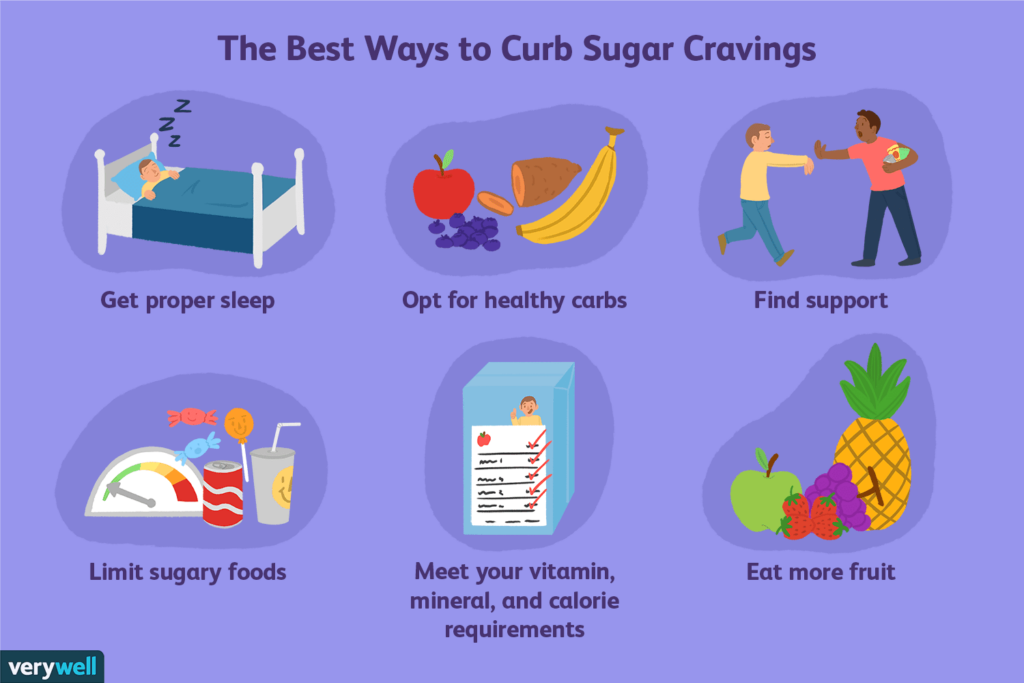
How To Stop Eating Candy
Understanding the Impact of Candy on Health
Candy may be a delightful treat, but excessive consumption can have detrimental effects on your health. The high sugar content in candies can lead to various health issues, including obesity, diabetes, tooth decay, and even cardiovascular problems. It is essential to understand the impact that candy can have on your well-being to make informed choices about your diet.
The Addictive Nature of Sugar in Candy
Sugar has an addictive nature, making it challenging to resist the temptation of candy. When you consume sugary treats, your brain releases dopamine, a neurotransmitter associated with pleasure and reward. This pleasurable sensation makes you crave more sugar, leading to a cycle of addiction. Recognizing the addictive nature of sugar empowers you to take control of your candy consumption.
Common Health Issues Caused by Eating Too Much Candy
Excessive candy consumption can have several negative health consequences. The high sugar content increases the risk of developing obesity, as sugary treats are often calorie-dense without providing essential nutrients. Additionally, consuming large amounts of sugar can lead to insulin resistance, which can eventually progress to type 2 diabetes. The consistent exposure of your teeth to sugary candies also increases the likelihood of tooth decay and cavities. Being aware of these health risks can motivate you to make positive changes in your candy consumption habits.
Recognizing the Signs of Candy Addiction
Physical Symptoms of Candy Addiction
Candy addiction can manifest in various physical symptoms. These may include intense cravings for sweets, headaches or migraines associated with sugar withdrawal, and fluctuations in energy levels throughout the day. Some individuals may also experience increased thirst, frequent urination, or weight gain due to excessive candy consumption. Recognizing these physical signs can be the first step towards overcoming your addiction to candy.
Psychological Dependence on Candy
In addition to physical symptoms, candy addiction often involves a psychological dependence. You might find yourself constantly thinking about sweets, feeling irritable or moody when unable to satisfy your candy cravings, and experiencing guilt or shame after indulging in excessive amounts of candy. Over time, this mental reliance on candy can significantly impact your overall well-being and quality of life.
Behavioral Patterns Indicating Candy Addiction
Candy addiction can also manifest in certain behavioral patterns. You may find yourself engaging in secretive behavior, such as hiding candy or sneaking it when others are not around. You may also feel a loss of control when it comes to your candy consumption, being unable to stop or reduce your intake despite your best intentions. These behaviors serve as red flags and indicate the need for intervention to break free from the cycle of candy addiction.

Developing a Mindful Approach to Candy Consumption
Why Mindfulness is Important in Reducing Candy Intake
Mindfulness plays a crucial role in reducing and eventually eliminating your candy intake. By practicing mindfulness, you become more aware of your thoughts, feelings, and bodily sensations without judgment. This heightened awareness allows you to recognize your triggers, the underlying reasons for your candy cravings, and ultimately helps you make conscious decisions about your candy consumption.
Practical Strategies for Conscious Candy Consumption
To develop a mindful approach to candy consumption, you can start by creating a plan that outlines your goals and strategies. Set limits on the amount of candy you will allow yourself to have each day or week. Additionally, establish a routine for when and where you will enjoy your candy, making it a deliberate and enjoyable experience rather than mindlessly giving in to cravings. Planning and structure can help you regain control over your candy consumption.
Mindful Eating Techniques to Overcome Cravings
When consuming candy, practice mindful eating techniques to savor and fully experience each bite. Slow down and pay attention to the taste, texture, and aroma of the candy. Be present in the moment and allow yourself to feel the satisfaction and joy that comes from enjoying a small portion of candy. By being fully engaged in the act of eating, you can find fulfillment in smaller quantities while reducing your overall candy intake.
Creating a Healthy Environment to Resist Candy Temptations
Avoiding Triggers and Temptations
Creating a healthy environment is crucial in resisting candy temptations. Identify triggers that lead to your candy cravings and take steps to eliminate or minimize their influence. For example, if passing by a candy store on your way home from work causes you to buy sweets impulsively, consider taking an alternative route. Clear your pantry of any candy, and instead, stock it with nutritious snacks to satisfy your cravings in a healthier way.
Substituting Unhealthy Candies with Healthier Alternatives
Finding healthier alternatives to satisfy your sweet tooth can aid in reducing candy cravings. Opt for fruit when you’re longing for something sweet, as it provides natural sugars along with vitamins, minerals, and dietary fiber. Dark chocolate with a high cocoa content can be a healthier alternative to traditional candy, offering antioxidants and a more moderate sugar content. Experiment with different substitutes and discover what works best for you.
Setting up a Supportive Social Circle
Having a supportive social circle can make a significant difference in your efforts to stop eating candy. Surround yourself with friends and family members who understand your goals and provide encouragement. Engage in activities that don’t revolve around candy, such as outdoor adventures or group exercise classes. Building a network of like-minded individuals can help you stay motivated and make your journey towards a candy-free life more enjoyable.

Implementing Positive Reinforcement Techniques
Rewarding Yourself for Reducing Candy Intake
Rewarding yourself for reducing your candy intake is an effective way to reinforce positive behavior change. Set small milestones and celebrate each achievement. Treat yourself to a non-food related reward, such as a relaxing massage or a new book, whenever you reach a predetermined goal. These rewards serve as a tangible reminder of your progress and provide the motivation to continue on your journey toward a candy-free lifestyle.
Celebrating Small Victories
Alongside rewards, it’s essential to celebrate small victories during your journey to stop eating candy. Acknowledge and appreciate the progress you’ve made, no matter how insignificant it may seem. Reflect on the positive changes you’ve experienced, such as increased energy levels or improved tooth health. By celebrating these achievements, you reinforce the positive habits you’ve developed and boost your confidence in maintaining a candy-free lifestyle.
Tracking Progress and Setting Goals
Tracking your progress and setting goals create a sense of accountability and direction. Keep a journal or use a mobile app to record your daily candy consumption, emotions, and any significant observations. This tracking allows you to identify patterns, triggers, and areas where you may need additional support. Set realistic goals for reducing your candy intake, gradually decreasing the amount you consume over time. Regularly reassess and adjust your goals as you progress along your journey.
Developing Healthy Habits to Curb Candy Cravings
Maintaining a Balanced and Nutritious Diet
Maintaining a balanced and nutritious diet is crucial in curbing candy cravings. Focus on consuming a variety of whole foods, including lean proteins, fruits, vegetables, whole grains, and healthy fats. These nutrient-dense foods provide the energy and nutrients your body needs while minimizing the desire for sugary snacks. Ensuring that your diet is rich in essential vitamins, minerals, and fiber helps keep you satisfied and reduces cravings for candy.
Reducing Sugar Intake from Other Sources
In addition to cutting back on candy, reducing your overall sugar intake from other sources contributes to curbing cravings. Be mindful of hidden sugars in processed foods, beverages, and condiments. Read nutrition labels carefully, and opt for lower-sugar alternatives whenever possible. As you gradually reduce your sugar intake, your taste buds will adjust, and you may find that you no longer crave excessively sweet treats like candy.
Incorporating Regular Exercise into Your Routine
Incorporating regular exercise into your routine can help reduce candy cravings and improve overall well-being. Engaging in physical activity releases endorphins, which boost mood and reduce stress levels, potentially reducing your reliance on candy for emotional comfort. Aim for a combination of cardiovascular exercise, strength training, and flexibility exercises to reap the numerous health benefits associated with regular physical activity.

Finding Support and Accountability
Engaging with Online Communities or Support Groups
Engaging with online communities or support groups provides a sense of understanding and accountability. Connect with individuals who have similar goals and share your experiences, challenges, and achievements. These communities offer a platform for encouragement, advice, and inspiration from individuals who have successfully overcome their own candy addictions. Online forums, social media groups, and dedicated websites can be valuable resources on your journey to stop eating candy.
Seeking Guidance from a Healthcare Professional
If you find that your candy addiction is significantly impacting your physical and mental health, it may be helpful to seek guidance from a healthcare professional. A qualified healthcare provider can provide personalized advice and support tailored to your specific needs. They may recommend strategies, refer you to additional resources for assistance, or suggest counseling or therapy options to address the underlying factors contributing to your candy addiction.
Enlisting the Help of a Trusted Friend or Family Member
Sharing your goals and struggles with a trusted friend or family member allows you to have a support system in place. Choose someone who understands your journey, is empathetic, and can provide encouragement during challenging times. This person can act as a confidant, helping to hold you accountable and motivating you to stay on track. Having a strong support network significantly increases your chances of success in your quest to stop eating candy.
Dealing with Relapses and Challenges in Quitting Candy
Understanding That Setbacks Are Part of the Process
It is important to recognize that setbacks are a natural part of the process when quitting candy. A relapse or momentary lapse in willpower does not signify failure but rather an opportunity for growth and learning. It is common to experience setbacks during the journey to stop eating candy, but it’s crucial to view them as temporary obstacles rather than insurmountable barriers.
Strategies for Getting Back on Track After a Relapse
After a relapse, it’s important to reflect on the factors that led to the setback and develop strategies to prevent future relapses. Identify any triggers or temptations that may have contributed to your relapse and find ways to avoid or manage them better. Remind yourself of your goals and the positive changes you’ve experienced when you were successfully reducing your candy intake. Use the relapse as an opportunity to recommit to your journey and implement the lessons you’ve learned.
Learning from Difficulties and Using Them as Motivation
Difficulties encountered on the road to quitting candy can be valuable sources of motivation. Reflect on the challenges you’ve faced and the lessons learned from them. Use these experiences to reinforce your determination and develop strategies for coping with future obstacles. Embrace the resilience and strength you’ve gained throughout the process, ultimately strengthening your resolve to maintain a candy-free lifestyle.

Long-Term Maintenance of a Candy-Free Lifestyle
Building New Habits and Coping Mechanisms
Maintaining a candy-free lifestyle requires building new habits and coping mechanisms. Replace the habit of reaching for candy with healthier alternatives, such as engaging in a hobby, practicing relaxation techniques, or enjoying a cup of herbal tea. Find activities that bring you joy, comfort, or relaxation to replace the emotional attachment you once had to candy. By establishing new habits, you create a solid foundation for long-term success in your journey to stop eating candy.
Continuing to Challenge Yourself and Set New Goals
Once you have successfully eliminated candy from your life, it’s important to continue challenging yourself and setting new goals. This could involve maintaining your candy-free lifestyle while actively exploring other aspects of your health and well-being. Set goals related to maintaining a nutritious diet, improving your fitness level, or exploring new healthy recipes. By continuously challenging yourself, you avoid complacency and continue to grow and thrive in your healthy journey.
Enjoying the Benefits of a Candy-Free Life
By living a candy-free life, you can enjoy numerous benefits that extend beyond physical health. Improved dental hygiene, stable blood sugar levels, increased energy, and enhanced overall well-being are just a few advantages of eliminating candy from your diet. Celebrate and appreciate the positive changes you’ve made and the healthier lifestyle you’ve embraced. Embrace the freedom and empowerment that comes from breaking free from the hold of candy and enjoy the numerous rewards that a candy-free life offers.
Conclusion
Quitting candy may seem challenging, but with determination, a mindful approach, and support, it is entirely possible. By understanding the impact of candy on health, recognizing the signs of candy addiction, developing a mindful approach to candy consumption, creating a healthy environment, implementing positive reinforcement techniques, and developing healthy habits, you can successfully overcome your candy cravings. Remember that setbacks are part of the journey, and long-term maintenance of a candy-free lifestyle requires continuous effort and growth. By choosing to stop eating candy, you are making a positive investment in your health and well-being, empowering yourself to live a vibrant and fulfilling life.
How To Stop Bad Eating Habits

Have you ever found yourself reaching for that bag of chips or devouring a whole tub of ice cream without even realizing it? We’ve all been there. Bad eating habits can be difficult to break, but luckily, there are ways to stop them. In this article, we’ll delve into the world of unhealthy eating habits and provide you with practical tips on how to kick them to the curb.
From mindless snacking to emotional eating, bad eating habits can take many forms. Perhaps you find yourself mindlessly munching on junk food while watching TV, or maybe stress triggers the urge to indulge in unhealthy comfort foods. Whatever the case may be, breaking these habits can be challenging. However, with the right strategies and mindset, you can take control of your eating habits and make healthier choices. In the upcoming article, we’ll explore the psychology behind bad eating habits and offer practical advice on how to stop them for good. So, if you’re ready to transform your relationship with food and improve your overall well-being, keep reading!
How To Stop Bad Eating Habits
Defining Bad Eating Habits
Bad eating habits refer to unhealthy patterns of eating that can have negative effects on our physical and mental health. These habits often involve the excessive consumption of junk food, processed foods, sugary beverages, and foods high in saturated fats and sodium. They can also include mindless eating, emotional eating, and irregular meal timings.
Effects of Bad Eating Habits on Health
Bad eating habits have numerous negative effects on our overall health. Continuous consumption of unhealthy foods can lead to weight gain, obesity, and an increased risk of developing chronic conditions such as heart disease, diabetes, and hypertension. These habits can also negatively impact our mental health, leading to feelings of low self-esteem, guilt, and poor body image.
Common Causes of Bad Eating Habits
There are several common causes that contribute to the development of bad eating habits. These include:
- Busy lifestyles and lack of time to prepare healthy meals.
- Emotional factors such as stress, boredom, or sadness, leading to emotional eating.
- Easy accessibility and affordability of unhealthy foods.
- Lack of knowledge about proper nutrition and healthy food choices.
- Social pressure and influence from friends, family, or coworkers.
Recognizing Your Bad Eating Habits
To change your bad eating habits, you must first recognize and be aware of them. Here are some tips to help you identify your unhealthy eating patterns:
Identifying Triggers for Unhealthy Eating
Take note of the situations, emotions, or events that trigger your unhealthy eating habits. These triggers could be stress, boredom, or even specific environments such as watching TV or being at a social gathering. By identifying these triggers, you can find alternative coping mechanisms and strategies to avoid falling into the trap of bad eating habits.
Tracking Your Eating Patterns
Keep a food diary or use a mobile app to track your daily food intake. This will give you a clearer picture of your eating habits and help you understand the quantity and quality of the foods you consume. By analyzing your food diary, you can identify patterns, such as mindless snacking or excessive consumption of unhealthy foods.
Understanding Emotional Eating
Emotional eating is a common cause of bad eating habits. It involves using food as a way to cope with emotions rather than satisfying physical hunger. Emotional eaters often turn to comfort foods high in sugar, fats, and carbs. By recognizing when you are emotionally eating, you can develop alternative strategies to address your emotions, such as practicing mindfulness, engaging in physical activity, or seeking support from loved ones.

Creating a Healthy Eating Plan
To break bad eating habits, it’s essential to create a healthy eating plan that focuses on nourishing your body and providing optimal nutrition. Here are some steps to help you create a healthy eating plan:
Setting Realistic Goals for Healthier Eating
Start by setting realistic and achievable goals for your dietary changes. Instead of completely eliminating all unhealthy foods at once, aim to gradually reduce their consumption and replace them with healthier alternatives. It’s important to be patient with yourself and understand that change takes time.
Understanding Proper Portion Control
Portion control plays a crucial role in maintaining a healthy diet. Learn to portion your meals according to recommended serving sizes. Use measuring cups or a food scale to ensure you are eating appropriate amounts. By practicing portion control, you can enjoy a variety of foods without overeating.
Incorporating a Balanced Diet
A balanced diet is key to breaking bad eating habits. Make sure to include a variety of food groups in your meals, such as fruits, vegetables, whole grains, lean proteins, and healthy fats. Strive to create meals that are colorful, flavorful, and satisfying. By incorporating a balanced diet, you will provide your body with the necessary nutrients it needs to function optimally.
Developing Strategies to Overcome Bad Habits
Breaking bad eating habits requires conscious effort and determination. Here are some strategies to help you overcome these habits:
Replacing Unhealthy Snacks with Nutritious Alternatives
Swap out unhealthy snacks such as chips, candies, and cookies with healthier alternatives. Keep a variety of fresh fruits, vegetables, nuts, and seeds stocked in your pantry. These nutritious snacks not only provide essential vitamins and minerals but also satisfy your cravings.
Meal Planning and Prepping
Plan your meals in advance to avoid impulsive and unhealthy food choices. Dedicate a portion of your weekend to meal prepping, ensuring you have healthy meals and snacks readily available throughout the week. This will save you time, money, and reduce the likelihood of resorting to fast food or unhealthy options.
Managing Cravings and Urges
Cravings and urges for unhealthy foods are common when breaking bad eating habits. Instead of giving in to these cravings, find alternative ways to deal with them. Engage in activities that distract you, such as going for a walk, practicing a hobby, or talking to a friend. Over time, these cravings will decrease, and you will develop a taste for healthier options.

Creating a Supportive Environment
Having a supportive environment is crucial for successfully breaking bad eating habits. Here are some ways to create a supportive environment:
Involving Loved Ones in Your Journey
Share your goals and ambitions with your loved ones, and seek their support. Family and friends can provide encouragement, accountability, and even join you in making healthier choices. By involving others in your journey, you create a positive support system that can keep you motivated and on track.
Finding Accountability Partners
Consider finding an accountability partner who shares similar health goals. This could be a friend, coworker, or even an online community. By checking in with each other regularly, sharing progress, and offering support, you can hold each other accountable and stay motivated.
Avoiding Environments that Trigger Bad Eating Habits
Identify environments that trigger your bad eating habits and try to avoid them whenever possible. If certain social gatherings or locations encourage unhealthy eating, consider suggesting alternative activities or venues that align with your healthy eating goals.
Managing Stress and Emotional Eating
Stress and emotional eating often go hand in hand with bad eating habits. To address these issues, consider the following strategies:
Identifying Stressors and Finding Healthier Coping Mechanisms
Identify the sources of stress in your life and find healthier ways to cope with them. This could include engaging in regular physical exercise, practicing relaxation techniques such as yoga or meditation, or seeking professional help if needed. By managing stress effectively, you reduce the likelihood of turning to food for comfort.
Practicing Mindfulness and Stress-Reduction Techniques
Mindfulness can be a powerful tool in preventing emotional eating. Practice mindful eating by paying attention to the taste, texture, and smell of your food. Take time to savor each bite and eat slowly. By being present in the moment, you can better differentiate between physical hunger and emotional cravings.
Seeking Professional Help if Needed
If you consistently struggle with emotional eating or have difficulty managing stress, seeking professional help from a therapist or counselor can be beneficial. They can provide guidance, support, and strategies to overcome emotional eating and develop healthier coping mechanisms.

Educating Yourself about Nutrition
To break bad eating habits, it’s important to educate yourself about nutrition and make informed food choices. Here are some steps to enhance your nutritional knowledge:
Understanding Nutritional Requirements
Educate yourself about the essential nutrients your body needs and the recommended daily intake for each. Learn about the various food groups and how they contribute to your overall health. By understanding your nutritional requirements, you can make better choices when it comes to planning meals.
Reading Food Labels and Ingredient Lists
Become familiar with reading food labels and ingredient lists. Pay attention to serving sizes, calories, and the presence of any harmful additives or excessive amounts of sugar, sodium, or unhealthy fats. This will help you make informed decisions and choose healthier options at the grocery store.
Separating Fact from Fiction in Diet Trends
The world of nutrition is filled with fad diets and misleading information. Be cautious of any diet trends that promise quick fixes or overly restrictive eating patterns. Instead, rely on scientifically proven facts and consult trusted sources such as registered dietitians or reputable health organizations.
Seeking Professional Guidance and Support
If you feel overwhelmed or unsure about breaking your bad eating habits, seeking professional guidance and support can be beneficial. Here are some options to consider:
Consulting a Registered Dietitian
A registered dietitian is a qualified professional who can provide personalized dietary advice and guidance. They can help you develop a tailored eating plan, educate you about proper nutrition, and offer ongoing support throughout your journey.
Joining Support Groups or Programs
Consider joining support groups or programs that focus on breaking bad eating habits and adopting a healthier lifestyle. These groups provide a sense of belonging, encouragement, and a platform to share experiences and learn from others who are on a similar journey.
Considering Therapy for Underlying Emotional Issues
If your bad eating habits are deeply rooted in emotional issues or past trauma, therapy can be a valuable tool for addressing these underlying issues. A therapist can help you explore the emotional triggers behind your eating habits, develop coping mechanisms, and support your overall mental well-being.
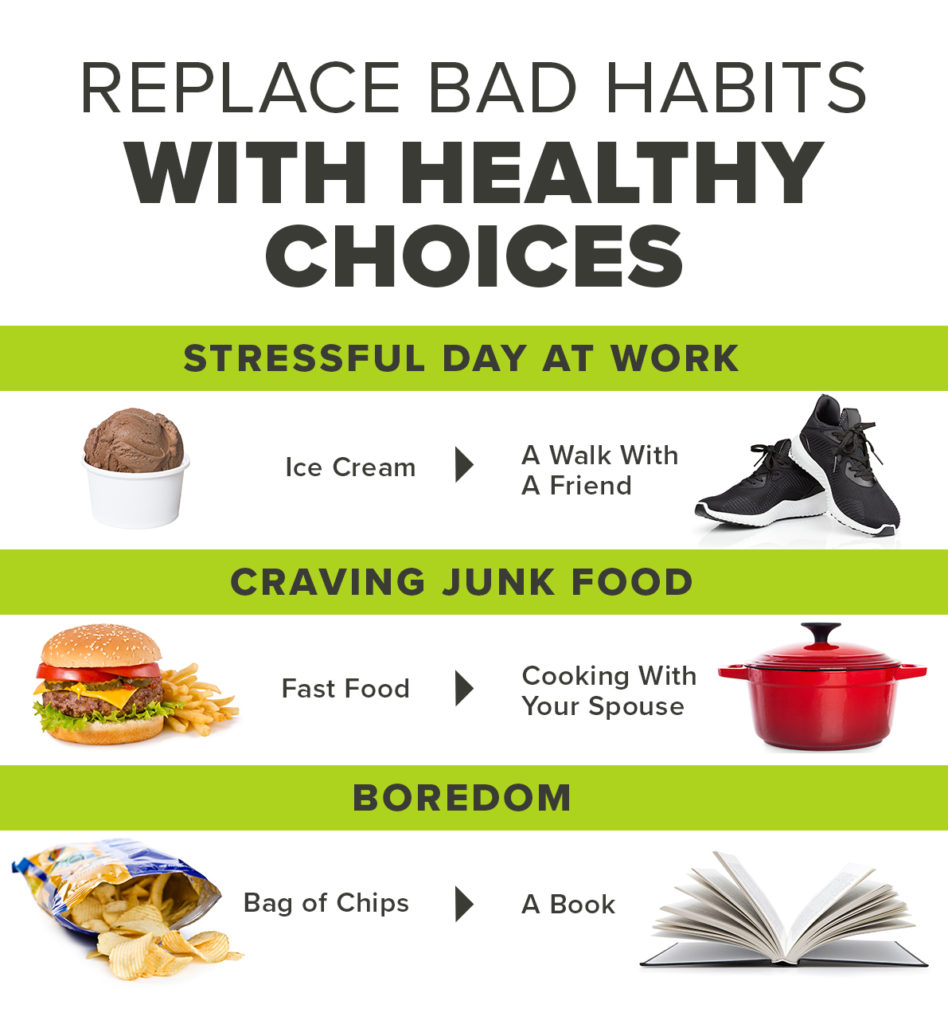
Reinforcing Positive Eating Habits
Breaking bad eating habits and developing long-term healthy habits requires consistent effort and reinforcement. Here are some strategies to help you reinforce positive eating habits:
Rewarding Yourself for Progress
Celebrate your successes, no matter how small they may seem. Reward yourself with non-food-related treats such as a new book, a relaxing bath, or a day off from your regular responsibilities. Recognizing and acknowledging your progress will motivate you to continue on your journey.
Practicing Self-Compassion and Forgiveness
Remember that breaking bad eating habits is a process, and setbacks are normal. Practice self-compassion and forgive yourself if you slip up. Rather than dwelling on past mistakes, focus on the present and the steps you can take to get back on track.
Maintaining a Long-Term Commitment
Breaking bad eating habits is not a short-term fix; it requires a long-term commitment to a healthy lifestyle. Embrace this commitment and recognize that your health and well-being are worth the effort. Stay motivated by setting new goals, continuing to learn about nutrition, and enjoying the positive changes that come with healthier habits.
Conclusion
Breaking bad eating habits is a journey that requires awareness, dedication, and a desire for change. By understanding the negative effects of these habits on our health, recognizing our triggers, and developing strategies for healthier eating, we can take control of our nutrition and overall well-being. Armed with knowledge, support, and a commitment to long-term change, we can stop bad eating habits and embrace a healthier lifestyle for ourselves and those around us. Remember, it’s never too late to start making positive changes – you have the power to transform your relationship with food and thrive in your overall wellness journey.
How To Stop Craving Sweets After A Meal

Do you ever find yourself craving something sweet after a meal? It’s like your taste buds just can’t get enough, and you’re left searching for that perfect dessert to satisfy your cravings. Well, you’re not alone. Many people struggle with this same problem, and it can be challenging to resist the temptation of indulging in sugary treats. But fear not, because in this article, you’ll learn some effective strategies on how to stop craving sweets after a meal.
One of the reasons why we crave sweets after a meal is because our bodies are conditioned to expect a sweet taste. Throughout our lives, we’ve been rewarded with sugary treats as a form of celebration or comfort. So, it’s no wonder that we automatically associate the end of a meal with the desire for something sweet. However, by understanding this conditioning, we can start to break free from it and find healthier alternatives to satisfy our cravings. In the rest of this article, we’ll explore various methods and techniques to help you kick those post-meal sweet cravings to the curb. So, keep reading to learn more!
How To Stop Craving Sweets After A Meal

Understanding Cravings
Cravings can be a common occurrence after a meal, especially when it comes to sugary treats. It’s important to understand what cravings are and why they occur in order to effectively address them. Cravings can be described as intense desires for specific types of food, often driven by our brain’s reward system. These desires may be triggered by a variety of factors, including emotions, habits, and even physiological imbalances in the body.
Why do we crave sweets after a meal?
One common reason for craving sweets after a meal is the impact of sugar on our bodies. When we consume sugary foods, our blood sugar levels spike, leading to a release of insulin from the pancreas. This insulin surge causes a rapid drop in blood sugar levels, leading to a craving for more sugar to restore balance. Additionally, sugary foods tend to activate the brain’s pleasure centers, creating a cycle of reward and craving.

Effects of Sugar on the Body
Excessive sugar consumption can have detrimental effects on our overall health. Not only can it contribute to weight gain and obesity, but it also increases the risk of developing chronic conditions such as diabetes, heart disease, and certain types of cancers. Moreover, consuming large amounts of sugar can lead to energy crashes, mood swings, and a constant desire for more sweets.
Role of insulin in sugar cravings
Insulin plays a crucial role in regulating blood sugar levels, but it can also contribute to sugar cravings. When insulin levels fluctuate rapidly due to sugary foods, it can trigger intense cravings for more sugar. This is because insulin acts as a key that allows glucose (sugar) to enter cells for energy. When insulin levels drop, the body signals the brain to seek more sugar to maintain glucose levels, perpetuating the cycle of cravings.

Healthy Alternatives to Satisfy Sweet Cravings
While it may seem challenging to resist sugary treats after a meal, there are several alternatives that can help satisfy your sweet cravings in a healthier way. Choosing natural sweeteners, such as honey or maple syrup, can provide a more balanced option compared to refined sugar. Additionally, incorporating fruits into your diet can offer natural sweetness along with essential vitamins and fiber. You can also experiment with different flavors by using spices like cinnamon or vanilla extract to enhance the taste of your meals without relying on excessive sugar.
Mindful Eating Techniques
Practicing mindful eating can be an effective strategy to overcome cravings and develop a healthier relationship with food. One technique is to slow down and truly savor each bite, paying attention to the flavors, textures, and aromas. By doing so, you can enhance your satisfaction from the food you’re eating and reduce the urge for additional sweets. Additionally, it’s important to distinguish between true hunger and cravings. When you feel a craving arise, take a moment to assess whether you’re genuinely hungry or if it’s a result of an emotional or habitual trigger. By identifying true hunger, you can make conscious choices about your food intake.

Balancing Macronutrients
The balance of macronutrients, including protein, healthy fats, and carbohydrates, in your meals can significantly impact your cravings. Consuming balanced meals that include sources of protein, such as lean meats, beans, or tofu, along with healthy fats like avocado or nuts, can help stabilize blood sugar levels and reduce the likelihood of craving sweets. It’s also important to avoid simple carbohydrates, including refined grains and sugary snacks, as they can quickly raise blood sugar levels and trigger cravings.
Meal Planning and Preparation
Planning and preparing meals in advance can greatly support your efforts to reduce cravings. By creating sugar-free meal plans, you can ensure that you’re providing your body with balanced nutrition and avoiding the excessive consumption of sugar. Additionally, having healthy snacks readily available can prevent you from reaching for sugary treats when hunger strikes. Creating a supportive eating environment by surrounding yourself with nutritious options and eliminating temptations can help set you up for success in overcoming sweet cravings after a meal.

Stress Management
Stress can have a profound impact on our cravings, often causing us to turn to sugary foods for comfort. Understanding the link between stress and cravings is crucial for addressing this issue. Implementing relaxation techniques, such as deep breathing exercises or meditation, can help reduce stress levels and increase mindfulness. Finding healthy coping mechanisms, such as engaging in hobbies or seeking support from loved ones, can also provide alternative outlets for stress relief instead of relying on sugary foods.
Incorporating Physical Activity
Physical activity can play a key role in reducing cravings and maintaining overall health. Exercise has been shown to release endorphins, which are natural feel-good chemicals that can help combat cravings. Choosing activities that you enjoy and finding ways to make exercise a consistent part of your routine can help distract from cravings and promote a healthier lifestyle.
Seeking Support and Accountability
Sharing your goals with others can provide a sense of accountability and support on your journey to overcome cravings. Whether it’s discussing your desire to reduce sugar intake with friends, family members, or even joining a support group, having a network of individuals who understand your challenges can be invaluable. Additionally, finding an accountability partner who shares similar goals can provide additional motivation and encouragement.
Conclusion
Reducing cravings for sweets after a meal can be a challenging but worthwhile endeavor. By understanding the underlying causes of cravings, implementing healthy alternatives, practicing mindful eating, balancing macronutrients, planning meals, managing stress, incorporating physical activity, and seeking support, you can break free from the cycle of craving sweets. Remember, implementing these tips is a step towards improving your overall health and well-being. So, the next time you find yourself reaching for that sugary treat after a meal, try implementing these strategies and watch your cravings diminish as you embrace healthier habits.
How To Stop A Binge Before It Starts

Do you ever find yourself in a situation where you’re trying to eat healthy, but end up bingeing on unhealthy foods? It can be frustrating and set you back on your journey to a healthier lifestyle. But don’t worry, because in this article, we’re going to discuss how you can stop a binge before it even starts.
When it comes to stopping a binge, preparation is key. One of the best ways to prevent a binge is to plan your meals ahead of time. By having a meal plan in place, you can ensure that you have healthy, nutritious options available at all times. This way, when the temptation to binge strikes, you’ll already have a plan in place and be less likely to give in.
Another important factor in stopping a binge is to tune in to your body’s hunger and fullness cues. Often, we eat out of habit or for emotional reasons, rather than because we’re actually hungry. By practicing mindful eating and listening to your body, you can avoid mindless binging and develop a healthier relationship with food.
In the full article, we’ll explore more strategies and techniques to help you stop a binge before it starts. We’ll discuss the importance of self-care, finding healthier alternatives to satisfy cravings, and seeking support when needed. So keep reading to learn more about how you can take control of your eating habits and make healthier choices.
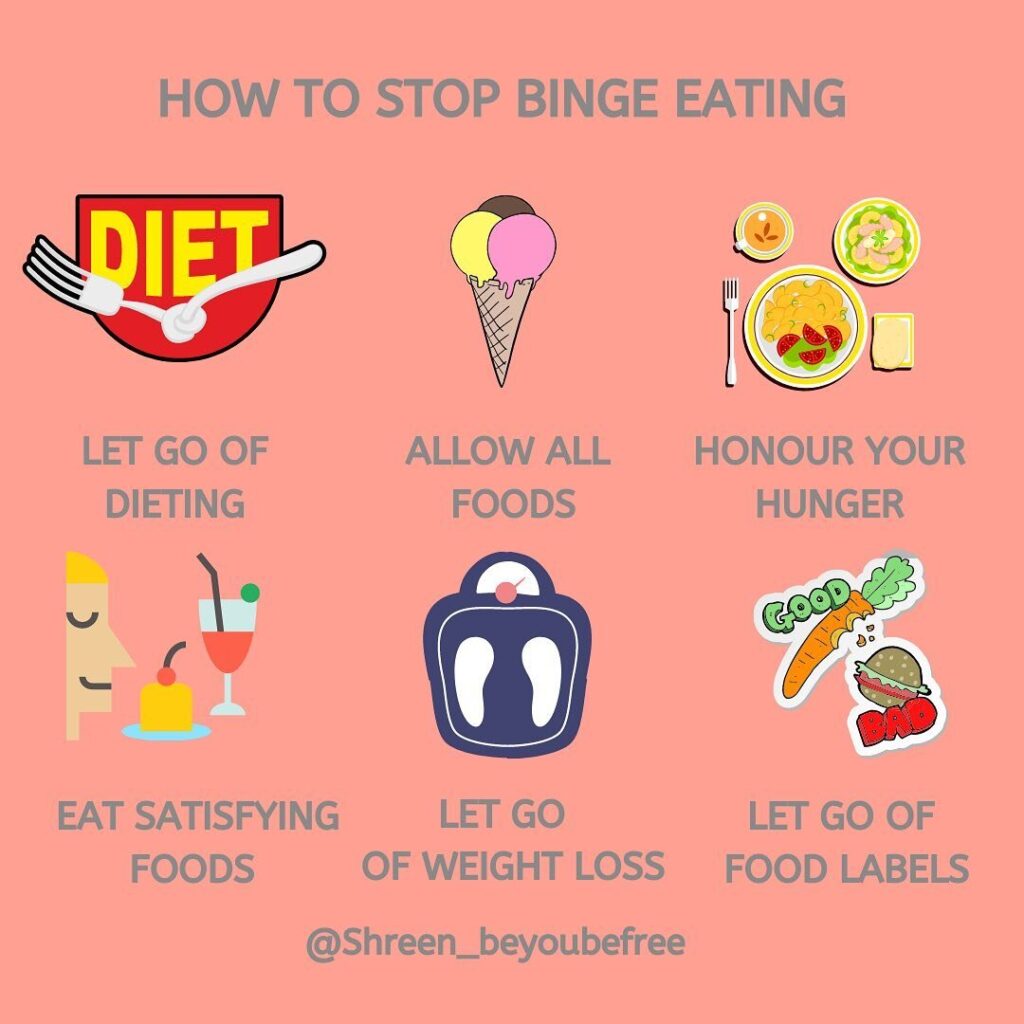
How To Stop A Binge Before It Starts
Binge eating can be a difficult and challenging behavior to overcome, affecting both physical and emotional well-being. It is important to understand what binge eating is, its causes, and the effects it can have on your health. Recognizing triggers, building a supportive environment, developing healthy coping mechanisms, practicing mindful eating strategies, creating a meal plan, addressing emotional components, seeking professional help, and maintaining consistency and persistence are all essential in preventing and stopping a binge before it starts.
Understanding Binge Eating
Binge eating is the consumption of a large amount of food in a short period, accompanied by a sense of loss of control. Unlike other eating disorders, such as anorexia or bulimia, individuals who binge eat do not engage in compensatory behaviors, such as vomiting or excessive exercise, following a binge episode. Binge eating episodes can be distressing and can occur in response to various emotional triggers.
Causes of Binge Eating
The causes of binge eating can be complex and multifactorial. Emotional triggers, such as stress, anxiety, depression, or loneliness, can often contribute to binge eating. In addition, environmental factors, such as the availability of food, chaotic schedules, or social situations that involve food, can also play a role. For some individuals, a history of dieting or restrictive eating patterns may lead to binge eating as a result of feeling deprived.
Effects of Binge Eating on Health
Binge eating can have significant physical and emotional effects on your health. Physically, it can lead to weight gain, obesity, and related health issues, such as high blood pressure, diabetes, and heart disease. Emotionally, binge eating can lead to feelings of guilt, shame, and low self-esteem, which can perpetuate a vicious cycle of binge eating and further negative emotions.
Recognizing Triggers
To stop a binge before it starts, it is crucial to recognize and identify your triggers. Triggers can be emotional or environmental factors that contribute to the urge to binge eat. By understanding your triggers, you can develop strategies to avoid or cope with them effectively.
Identifying Emotional Triggers
Emotional triggers are feelings, thoughts, or situations that prompt the desire to engage in binge eating as a way to cope. These triggers can vary from person to person, but commonly include stress, boredom, loneliness, sadness, or anger. Taking note of your emotions and recognizing patterns can help you identify your emotional triggers.
Identifying Environmental Triggers
Environmental triggers are external factors that influence your eating behaviors. These triggers can include the presence of certain foods, social gatherings centered around food, or the availability of food in your surroundings. Being aware of these triggers and the impact they have on your eating habits is essential in preventing a binge.
Recognizing Patterns of Binge Eating
By paying attention to your eating patterns, you can identify the signs of a binge before it occurs. This can include consuming large amounts of food rapidly, feeling a loss of control during eating, or eating when not physically hungry. Recognizing these patterns can help you intervene and prevent a binge episode.
Building a Supportive Environment
Creating a positive and encouraging support system is vital in overcoming binge eating. Surrounding yourself with individuals who understand and support your journey can provide the needed encouragement and motivation to make positive changes.
Creating a Positive and Encouraging Support System
Seek out friends, family members, or support groups who can provide understanding and non-judgmental support. Share your struggles and goals with them, and allow them to be a source of encouragement and accountability.
Removing Temptations from Your Surroundings
To prevent a binge, it is important to remove or limit access to the foods that trigger binge eating behaviors. Clear your pantry of unhealthy or binge-triggering foods and replace them with nutritious options. If possible, avoid situations where you may be tempted to binge, such as parties or social gatherings centered around excessive eating.
Seeking Professional Help and Therapy
For some individuals, seeking professional help may be necessary in overcoming binge eating. A mental health professional, such as a therapist or counselor, can provide guidance, support, and cognitive-behavioral therapy techniques to help you manage your emotions and develop healthier coping mechanisms.
Developing Healthy Coping Mechanisms
Finding healthy ways to cope with emotions and stress is essential in preventing and stopping a binge before it starts. By practicing stress-reducing techniques, engaging in regular physical activity, and finding alternative ways to soothe emotions, you can break the cycle of binge eating.
Practicing Stress-Reducing Techniques
Stress can often trigger binge eating episodes. Finding healthy ways to manage stress, such as deep breathing exercises, meditation, journaling, or engaging in hobbies, can help reduce the urge to binge eat.
Engaging in Regular Physical Activity
Regular physical activity can help regulate your mood and reduce the desire to engage in emotional eating. Find activities that you enjoy and make them a part of your routine. Whether it’s walking, dancing, cycling, or yoga, incorporating movement into your daily life can have a positive impact on your overall well-being.
Finding Alternative Ways to Soothe Emotions
Identify alternative ways to soothe and comfort yourself instead of turning to food. This can include seeking emotional support from friends or loved ones, practicing relaxation techniques, or engaging in activities that bring you joy and fulfillment.
Mindful Eating Strategies
Practicing mindful eating can help you develop a healthier relationship with food and prevent binge eating episodes. By being present and aware of your eating experience, you can make intentional choices and listen to your body’s hunger and fullness cues.
Practicing Mindful Eating
When eating, focus on the taste, smell, and texture of your food. Chew slowly and savor each bite. Pay attention to your body’s signals of hunger and fullness, and stop eating when you are satisfied, not overly full.
Listening to Your Body’s Hunger and Fullness Cues
Tune in to your body’s natural signals of hunger and fullness. Eat when you are physically hungry and stop when you are comfortably full. Avoid eating mindlessly or in response to emotional cues.
Avoiding Restrictive Diets and Embracing Balance
Restrictive diets often lead to feelings of deprivation, which can trigger binge eating behaviors. Instead, focus on balanced eating patterns that include a variety of nutrient-rich foods. Allow yourself to enjoy foods you love in moderation, without guilt or shame.
Creating a Meal Plan
Planning balanced meals and snacks can help you establish a structured eating routine and prevent impulsive eating. By including a variety of nutrient-rich foods and avoiding skipping meals or restrictive eating, you can maintain stable blood sugar levels and reduce the likelihood of binge eating episodes.
Planning Balanced Meals and Snacks
Take time to plan your meals and snacks ahead of time. Include a balance of protein, carbohydrates, and healthy fats in each meal. Aim for regular eating intervals throughout the day to avoid prolonged periods of hunger.
Including a Variety of Nutrient-Rich Foods
Ensure your meals and snacks include a wide range of nutrients from different food groups. Prioritize whole foods, such as fruits, vegetables, lean proteins, whole grains, and healthy fats, to provide your body with the necessary nutrients for optimal health.
Avoiding Skipping Meals or Restrictive Eating
Skipping meals or severely restricting your food intake can lead to increased hunger and a higher likelihood of engaging in binge eating. Make it a priority to nourish your body consistently throughout the day to maintain stable blood sugar levels and prevent extreme hunger.
Addressing Emotional Components
To effectively stop a binge before it starts, it is crucial to address the underlying emotional components that contribute to binge eating behaviors. Exploring emotional issues, cultivating self-compassion and self-care, and working on improving body image and self-esteem are essential steps in the recovery process.
Exploring Underlying Emotional Issues
Consider seeking therapy or counseling to explore the emotional issues that may contribute to binge eating. Addressing unresolved trauma, negative self-perceptions, or unhealthy coping mechanisms can help break the cycle of binge eating.
Cultivating Self-Compassion and Self-Care
Developing a sense of self-compassion and prioritizing self-care is important in preventing binge eating behaviors. Practice self-kindness, acceptance, and forgiveness when it comes to your relationship with food and your body.
Working on Improving Body Image and Self-Esteem
Developing a healthy body image and positive self-esteem is crucial in overcoming binge eating. Focus on your unique qualities and attributes rather than comparing yourself to others. Surround yourself with positive influences and engage in activities that boost your confidence and self-worth.
Seeking Professional Help
If you are struggling to stop binge eating on your own, it is important to seek professional help. Consulting with a registered dietitian, working with a therapist or counselor, or considering support groups and treatment programs can provide the necessary support and guidance in your recovery journey.
Consulting a Registered Dietitian
A registered dietitian can provide guidance and personalized meal plans that cater to your individual needs. They can help you establish a healthy relationship with food, optimize your nutrition, and support you in preventing binge eating episodes.
Working with a Therapist or Counselor
Therapy or counseling can be a valuable resource in addressing the underlying emotional issues and developing healthy coping mechanisms. A therapist or counselor can provide guidance, support, and techniques to challenge negative thought patterns and behaviors.
Considering Support Groups and Treatment Programs
Support groups and treatment programs specifically designed for individuals with binge eating disorder can provide a supportive community and additional tools for recovery. Consider joining a local or online support group or exploring treatment programs in your area.
Maintaining Consistency and Persistence
Overcoming binge eating is a journey that requires consistency and persistence. Setting realistic goals and expectations, tracking progress, and celebrating achievements can help you stay committed to your recovery journey.
Setting Realistic Goals and Expectations
Set small, achievable goals that align with your recovery journey. Celebrate your progress without comparing yourself to others. Recognize that overcoming binge eating takes time and patience.
Tracking Progress and Celebrating Achievements
Keep track of your progress by journaling, using a food diary, or utilizing digital health apps. Celebrate even the smallest achievements, such as practicing mindful eating or successfully avoiding a binge episode. These milestones are essential stepping stones on your path to recovery.
Staying Committed to the Journey of Recovery
Binge eating recovery is not always linear, and setbacks may occur. Stay committed to your recovery journey, even in times of difficulty. Remember that each day is a new opportunity to make healthy choices and continue moving forward.
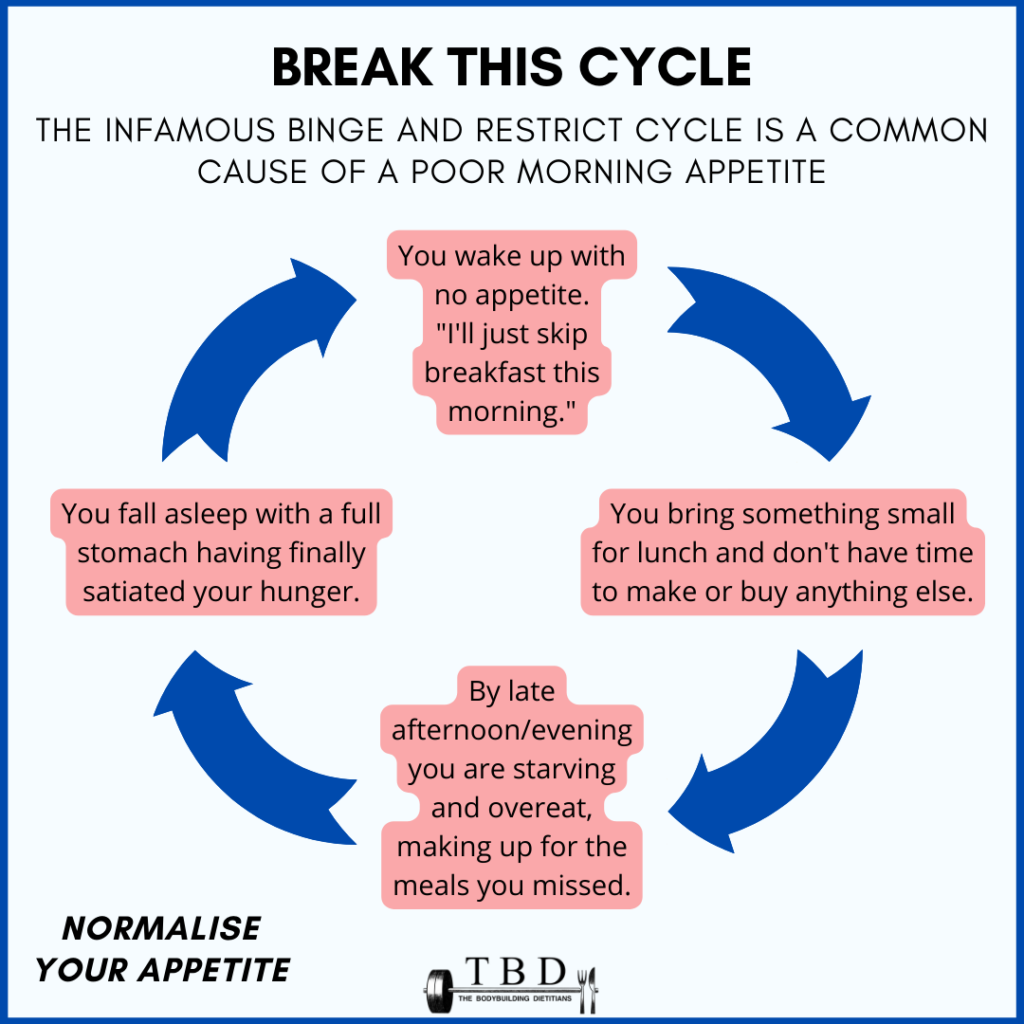
Conclusion
In conclusion, preventing and stopping a binge before it starts requires understanding binge eating, recognizing triggers, building a supportive environment, developing healthy coping mechanisms, practicing mindful eating, creating a meal plan, addressing emotional components, seeking professional help, and maintaining consistency and persistence. By implementing these strategies and seeking support when needed, individuals can take control of their binge eating behaviors and embrace a healthier relationship with food and their bodies. Remember, you are not alone in this journey, and there is help and support available to you. Start taking steps today towards a healthier and happier life.
How To Stop Eating Altogether

Are you someone who struggles with controlling your eating habits? Do you find yourself constantly snacking or overeating, even when you’re not hungry? If so, you’re not alone. Many people struggle with finding a balance when it comes to their relationship with food. But fear not, because in this article, we’re going to delve into the topic of how to stop eating altogether. Yes, you read that right – we’re going to explore ways to regain control over your eating habits and establish a healthier way of living.
Now, before you panic and think we’re going to tell you to never eat again, let us assure you that the goal here is not to stop eating altogether. Instead, we want to help you learn how to put a stop to mindless snacking and emotional eating that can often lead to unhealthy weight gain and other health issues. In this article, we’ll discuss various techniques and strategies that can assist you in managing your food intake and developing a healthier relationship with food. So, if you’re curious about how to regain control and make positive changes to your eating habits, keep reading and learn how to take the first steps towards a healthier you.

How To Stop Eating Altogether
Understanding the Desire to Stop Eating
The desire to stop eating altogether is often rooted in various reasons. It could stem from dissatisfaction with one’s body image, a desire to take control over one’s diet, or even as a result of disordered eating patterns. It is crucial to examine these underlying motivations to better address the issue and find healthier alternatives.
Recognizing the Potential Consequences of Stopping Eating Altogether
While stopping eating altogether may seem like a simple solution, it can have severe consequences on your physical and mental well-being. Depriving your body of essential nutrients can lead to malnourishment, weakened immune system, and a host of other health problems. Moreover, this extreme approach can contribute to the development or exacerbation of disordered eating patterns. Recognizing these potential consequences is vital to make informed decisions and to explore alternative approaches to eating.
Exploring Alternative Approaches to Eating
Introducing Intermittent Fasting as a Potential Solution
Intermittent fasting has gained popularity as an effective strategy for managing food intake and promoting overall well-being. This eating pattern involves alternating periods of fasting and eating within a specific time frame. By limiting your eating window, you can gain a sense of control over your food intake without completely depriving your body of essential nutrients. Scheduling fasts and meals in a well-balanced manner is essential to ensure nutritional adequacy and balanced eating.
Implementing Mindful Eating Techniques to Develop a Healthier Relationship with Food
Mindful eating involves paying attention to the present moment while consuming food, including the taste, texture, and sensations experienced. This practice helps to develop a healthier and more conscious relationship with food. By slowing down and savoring each bite, you become more attuned to your body’s hunger and fullness cues, fostering a greater sense of satisfaction and reducing the likelihood of overeating.
Considering the Benefits of a Balanced and Nutritious Diet
Instead of stopping eating altogether, shifting the focus towards a balanced and nutritious diet can be a healthier approach. Consuming a variety of whole foods, including fruits, vegetables, lean proteins, whole grains, and healthy fats, ensures that your body receives the necessary nutrients for optimal functioning. Prioritizing nutrient-dense foods can help meet your nutritional needs while maintaining a healthy weight and promoting overall well-being.

Seeking Professional Guidance and Support
Consulting a Qualified Nutritionist or Dietitian
When attempting to make significant changes to your eating patterns, it is advisable to consult a qualified nutritionist or dietitian. These professionals can provide personalized guidance tailored to your goals, lifestyle, and specific dietary needs. They can also offer practical strategies to help you stop eating altogether in a safe and sustainable manner, while still meeting your nutritional requirements.
Understanding the Importance of Mental Health Support in Relation to Eating Habits
Stopping eating altogether can be a reflection of deeper emotional issues. It is crucial to prioritize mental health support as part of your journey towards a healthier relationship with food. Seeking therapy or counseling can provide invaluable insights into the underlying causes of disordered eating patterns and help develop coping mechanisms to address them effectively.
Exploring the Role of Therapy or Counseling in Addressing Disordered Eating Patterns
Therapy or counseling can play a pivotal role in addressing disordered eating patterns. A trained therapist can help you explore the root causes of your desire to stop eating and work towards developing a healthier mindset. Through various therapeutic techniques, such as cognitive-behavioral therapy (CBT) or dialectical behavior therapy (DBT), you can gain valuable tools to reshape your thoughts, emotions, and behaviors related to food.
Building a Positive and Sustainable Relationship with Food
Embracing Intuitive Eating Principles
Intuitive eating emphasizes listening to your body’s hunger and fullness cues, rather than adhering to strict external rules. By tuning into your body’s natural signals, you can make informed choices about when and what to eat. This practice promotes a sense of freedom and flexibility, allowing you to cultivate a positive and sustainable relationship with food.
Engaging in Regular Physical Activity to Promote Overall Well-being
Regular physical activity is an essential component of a healthy lifestyle. Engaging in activities you enjoy, such as brisk walking, cycling, or dancing, can boost your mood, increase energy levels, and improve overall well-being. Exercise also helps regulate appetite, making it easier to listen to your body’s cues and avoid overeating.
Establishing a Support System to Maintain Healthy Eating Habits
Building a support system of friends, family, or online communities can be instrumental in maintaining healthy eating habits. Having people who understand your journey and can offer guidance and encouragement can make a significant difference. Surrounding yourself with positive influences and sharing your experiences can help you stay motivated and accountable.

Overcoming Challenges and Obstacles
Addressing Emotional Eating Triggers
Emotional eating can be a powerful challenge when trying to stop eating altogether. It is essential to identify the triggers that lead to emotional eating and develop healthier coping mechanisms. Engaging in activities that provide emotional support, such as journaling, practicing mindfulness, or seeking professional help, can help navigate these triggers more effectively.
Identifying and Managing Cravings
Cravings for certain foods can be challenging to overcome, especially when attempting to stop eating altogether. Rather than denying yourself completely, allow yourself to enjoy small portions of your favorite foods occasionally. Moderation and mindful indulgence can help satisfy cravings without derailing your progress.
Understanding the Role of Societal Pressures and Learning to Navigate Them
Societal pressures surrounding food and body image can be overwhelming and contribute to the desire to stop eating altogether. It is crucial to understand that everyone’s journey is unique, and comparing yourself to others is counterproductive. Surround yourself with positive influences that promote body acceptance and challenge societal norms. By focusing on your well-being rather than external expectations, you can navigate these pressures with confidence.
Ensuring Nutritional Adequacy
Prioritizing Nutrient-Dense Foods
When altering your eating habits, it is crucial to prioritize nutrient-dense foods that provide essential vitamins, minerals, and macronutrients. Include a wide range of fruits, vegetables, whole grains, lean proteins, and healthy fats in your diet to meet your nutritional needs adequately. This approach ensures that your body receives the necessary fuel for optimal functioning.
Incorporating a Variety of Food Groups into Daily Meals
A well-balanced diet includes a variety of food groups to maintain nutritional adequacy. Ensure that your meals contain a mix of carbohydrates, proteins, and fats, along with an abundance of fruits and vegetables. Experimenting with different recipes, flavors, and cooking methods can make your meals more exciting and enjoyable.
Utilizing Supplements, If Necessary, Under Professional Guidance
In some cases, supplements may be necessary to fill any nutritional gaps in your diet. However, it is essential to consult a healthcare professional or registered dietitian before incorporating supplements into your routine. They can assess your specific nutritional needs and recommend appropriate supplements, ensuring safety and effectiveness.

Monitoring Progress and Practicing Self-Care
Tracking Meals, Emotions, and Progress to Identify Patterns
Keeping a food journal can be a useful tool in understanding your eating patterns and identifying potential triggers or challenges. Record your meals, emotions, and any observations or reflections throughout the process. This self-monitoring practice can help you identify patterns, make adjustments where necessary, and monitor your progress toward building healthier eating habits.
Engaging in Self-Reflection and Self-Compassion
Transitioning toward a healthier relationship with food requires self-reflection and self-compassion. Be patient with yourself and acknowledge that change takes time. Celebrate your victories, no matter how small, and practice self-compassion when faced with setbacks. Remember that building a positive and sustainable relationship with food is a journey, and every step forward counts.
Implementing Stress-Management Techniques to Support Overall Well-being
Stress can often impact our eating habits and derail our progress towards healthier habits. Engaging in stress-management techniques, such as meditation, deep breathing exercises, or engaging in activities you enjoy, can help reduce stress levels and promote overall well-being. By managing stress effectively, you are more likely to make mindful choices when it comes to eating.
Recognizing Warning Signs and When to Seek Help
Identifying Signs of Disordered Eating and Potential Health Risks
Stopping eating altogether can lead to the development or exacerbation of disordered eating patterns, which can have severe health consequences. It is crucial to be aware of warning signs such as obsession with food, excessive weight loss or gain, changes in mood or behavior, or the avoidance of social situations involving food. Recognizing these signs enables you to intervene early and seek professional help when necessary.
Understanding the Importance of Reaching Out for Professional Help
If you or someone you know is struggling with disordered eating or the desire to stop eating altogether, it is essential to seek professional help. Trained therapists, counselors, and registered dietitians can provide appropriate support and guidance to address the underlying issues and develop a healthier approach to eating.
Safeguarding Mental and Physical Well-being Throughout the Process
When embarking on a journey to stop eating altogether, it is crucial to prioritize both your mental and physical well-being. Be mindful of any significant changes in your mental health, such as increased anxiety or depression, and seek appropriate help. Ensuring that you are taking care of yourself holistically is key to attaining long-term well-being.

Supporting Others in Their Journey
Fostering an Environment of Understanding and Compassion
Supporting others in their journey towards a healthier relationship with food requires fostering an environment of understanding and compassion. Be open to listening without judgment, offering empathy, and providing encouragement. Encouraging a supportive and non-judgmental space allows others to feel safe and empowered to make positive changes.
Encouraging Healthy Habits Without Imposing Unrealistic Expectations
While it is essential to support others, it is crucial not to impose unrealistic expectations or strategies on them. Encourage healthy habits without pressuring or dictating someone’s eating choices. Respect their autonomy and individuality, allowing them to navigate their journey at their own pace.
Providing Resources and Guidance When Appropriate
If you have knowledge or experience in healthy eating habits, intermittent fasting, or overcoming disordered eating patterns, offer your resources and guidance when appropriate. Share helpful articles, books, or online communities that promote balanced and sustainable approaches to eating. These resources can be invaluable in supporting others on their journey.
Conclusion
In conclusion, the desire to stop eating altogether can be fueled by various factors, including body dissatisfaction and disordered eating patterns. However, it is crucial to understand the potential consequences and explore healthier alternatives. Intermittent fasting, mindful eating, and a balanced, nutritious diet provide sustainable approaches to improve your relationship with food.
Seeking professional guidance, both from nutritionists or dietitians for dietary advice and therapists for mental health support, is essential. Building a positive and sustainable relationship with food involves embracing intuitive eating principles, engaging in regular physical activity, and establishing a support system.
Throughout the journey, it is vital to overcome challenges, ensure nutritional adequacy, monitor progress, practice self-care, recognize warning signs, and support others in their path. By adopting a balanced and sustainable approach, with the support of professionals and a caring community, positive change and improved well-being can be achieved. Remember, your journey is unique, and small steps towards healthier habits can make a significant difference in the long run.
How To Not Over Eat

Do you ever find yourself sitting down to a meal with good intentions of not overeating, only to find yourself indulging in a second serving? Trust me, you’re not alone. Many of us struggle with portion control and tempting food cravings, but the good news is that there are practical ways to avoid overeating without feeling deprived. In this article, we’ll delve into the topic of how to not overeat and provide you with some valuable tips and strategies to help you gain control over your eating habits.
When it comes to conquering overeating, it’s important to have a game plan. One effective strategy is to pay attention to your body’s hunger and fullness cues. Listen closely to your stomach and stop eating as soon as you start feeling satisfied, not stuffed. Also, try to eat more slowly and mindfully, savoring each bite and enjoying the flavors. By eating mindfully, you’ll be able to better tune in to your body’s signals and avoid mindlessly reaching for seconds. It’s also helpful to surround yourself with healthier food options and to practice portion control. By having nutritious snacks readily available and pre-portioning your meals, you’ll be less likely to overeat. In this article, we’ll further explore these strategies and provide you with additional tips on how to not overeat and maintain a healthy relationship with food.

Introduction
Overeating is a common struggle that many individuals face in their quest for good health and nutrition. It is often a result of misguided eating habits, emotional triggers, and a lack of understanding about hunger signals. Overeating can have a significant impact on our physical and emotional well-being, leading to weight gain, digestive issues, and even disordered eating behaviors. Fortunately, there are strategies and practices that can help us overcome this challenge and develop a healthier relationship with food. In this article, we will explore various techniques and approaches to prevent overeating and promote mindful eating habits.
Understanding Hunger Signals
Recognizing physical hunger is crucial in preventing overeating. It is essential to differentiate between genuine hunger and cravings, which are often driven by emotions or external triggers.
Recognizing physical hunger
Physical hunger is a natural sensation that occurs when our body is in need of nourishment. It is typically felt in the stomach and is accompanied by physical symptoms such as growling in the stomach, a slight lightheadedness, or a decrease in energy levels. When you experience physical hunger, it is essential to honor it by providing your body with nutritious food.
Differentiating hunger and cravings
Cravings, on the other hand, are often psychological or emotional in nature. They can be triggered by stress, boredom, or even visual cues. Cravings tend to be specific for certain foods, and they can arise even when you are not physically hungry. By learning to differentiate between genuine hunger and cravings, you can make more informed decisions about when and what to eat.

Meal Planning and Portion Control
Creating balanced meals and practicing portion control are effective strategies to prevent overeating. By planning your meals in advance and being mindful of portion sizes, you can ensure that you are providing your body with the appropriate amount of nutrients without overindulging.
Creating balanced meals
A balanced meal consists of a combination of proteins, carbohydrates, and healthy fats. Including a variety of fruits, vegetables, whole grains, lean proteins, and plant-based fats in your meals can provide you with the necessary nutrients while keeping you satisfied for longer periods.
Using portion control techniques
Portion control techniques can help you maintain a healthy calorie intake and prevent overeating. When serving your meal, it is helpful to use smaller plates and bowls, as this can psychologically trick your mind into perceiving larger portions. Additionally, practicing mindful eating by eating slowly, chewing your food thoroughly, and savoring each bite can give your brain enough time to receive the signal that you are full, reducing the likelihood of overeating.
Mindful Eating Practices
Mindful eating involves being fully present in the moment while eating and paying attention to the sensations and emotions associated with the experience. By practicing mindful eating, you can enhance your awareness of hunger cues and regulate your food intake accordingly.
Eating slowly and savoring each bite
When you eat slowly and savor each bite, you give your brain enough time to register the sensory experience and the feeling of satisfaction. This can help prevent overeating, as you become more attuned to your body’s fullness cues and stop eating when you are truly satisfied.
Listening to your body’s fullness cues
Being mindful of your body’s fullness cues is crucial in preventing overeating. Pay attention to how your stomach feels while eating, and stop when you start feeling comfortably full. Remember that it takes time for your brain to receive the signal that you are full, so it’s important to eat mindfully and give yourself enough time to recognize this sensation.

Managing Emotional Eating
Emotional triggers can often lead to overeating, as individuals may turn to food as a way to cope with their emotions. Learning to identify your emotional triggers and developing healthier coping mechanisms can help prevent emotional eating episodes.
Identifying emotional triggers
Emotional triggers can vary from person to person and may include stress, sadness, boredom, or even happiness. It is important to identify your own personal triggers so that you can take steps to address them in a healthy manner.
Developing healthier coping mechanisms
Instead of turning to food for emotional comfort, it is important to develop healthier coping mechanisms. Engaging in activities such as exercise, practicing relaxation techniques like meditation or deep breathing, or seeking support from friends or loved ones can be effective ways to cope with emotions without resorting to overeating.
Creating a Supportive Environment
Creating a supportive environment can significantly impact your eating habits. By surrounding yourself with like-minded individuals and stocking a healthy and nourishing pantry, you can create an environment that promotes healthy eating habits.
Stocking a healthy and nourishing pantry
By stocking your pantry with nutrient-dense foods such as fruits, vegetables, whole grains, and lean proteins, you are more likely to make healthier food choices. Remove tempting and unhealthy snacks from your home to reduce the temptation to overeat.
Surrounding yourself with like-minded individuals
Surrounding yourself with individuals who prioritize healthy eating can provide you with the necessary support and motivation on your journey to prevent overeating. By sharing meals, recipes, and tips with like-minded individuals, you can foster a positive relationship with food and stay committed to your goals.

Strategies for Dining Out
Eating out at restaurants can present challenges when it comes to portion control and making healthy choices. However, with some strategies in mind, you can still enjoy dining out while avoiding overeating.
Choosing healthier options on the menu
When dining out, opt for menu items that are lower in calories, saturated fat, and sodium. Look for dishes that are rich in vegetables, lean proteins, and whole grains. Request smaller portions or share a meal with a friend to prevent overeating.
Practicing portion control at restaurants
Restaurants are known for offering large portion sizes, which can encourage overeating. To prevent this, divide your meal in half and save the rest for later or ask for a to-go box at the beginning of your meal and pack away the excess portion. This helps you avoid the temptation to finish the entire meal in one sitting.
Dealing with Food Cravings
Food cravings can be challenging to overcome, but understanding the root cause of cravings and finding healthier alternatives can help prevent overeating.
Understanding the root cause of cravings
Food cravings can be triggered by various factors, including stress, hormonal changes, or habits. By understanding the root cause of your cravings, you can find healthier ways to address those underlying factors without turning to overeating.
Finding healthier alternatives
Instead of giving in to your cravings and overeating, try finding healthier alternatives that can satisfy your cravings while still aligning with your nutritional goals. For example, if you are craving something sweet, opt for a piece of fruit or a small serving of dark chocolate.

Seeking Professional Help
If you find that you are struggling with overeating and are unable to successfully implement these strategies on your own, seeking professional help can be beneficial.
Consulting a registered dietitian or nutritionist
A registered dietitian or nutritionist can provide personalized guidance and support in navigating your relationship with food. They can help you create a meal plan, address emotional eating, and provide strategies for portion control and mindful eating.
Exploring therapy options for disordered eating behaviors
If overeating has developed into disordered eating behaviors or has become a significant obstacle in your life, therapy can be a valuable resource. A therapist who specializes in eating disorders can help you identify the underlying issues contributing to your overeating and provide techniques to promote a healthier relationship with food.
Conclusion
Preventing overeating is a journey that requires patience, self-awareness, and a commitment to practicing healthier habits. By implementing the strategies outlined in this article, you can develop a positive relationship with food, enhance your physical and emotional well-being, and achieve long-term success in your quest for a healthy and balanced diet. Remember to listen to your body’s hunger signals, practice portion control, and create a supportive environment that fosters mindful eating. With perseverance and a friendly approach towards yourself, you can overcome the challenges of overeating and embrace a healthier way of nourishing your body.

